
What Is Barometric Pressure?
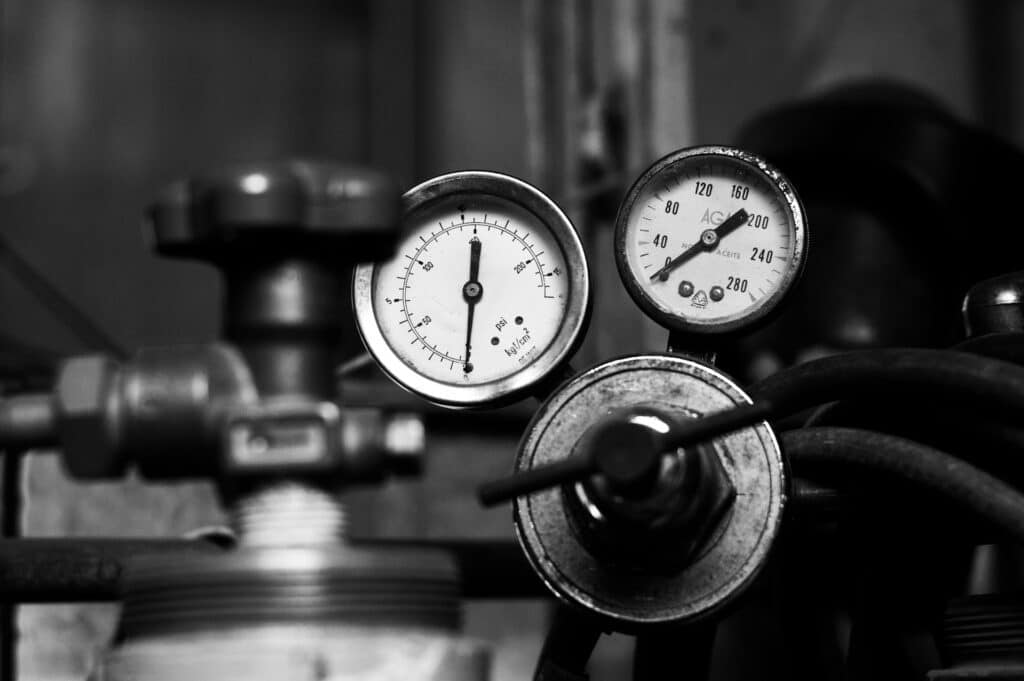
Barometric pressure is the weight of the atmosphere pressing down on the earth’s surface. It is measured in inches of mercury (inHg) in the United States and in hectopascals (hPa) or millibars in most of the rest of the world. Standard sea-level pressure is 29.92 inHg or 1013.25 hPa.
Pressure is not constant. It rises and falls continuously as air masses move, temperature changes, and weather systems develop. Those changes and the speed at which they happen are what meteorologists use to forecast weather conditions in the hours and days ahead.
How Does Barometric Pressure Affect Weather?
High pressure systems push air downward toward the earth’s surface. That descending air suppresses cloud formation and brings clear, settled conditions. When you see a reading above 30.20 inHg (1023 hPa) and the pressure is holding steady or rising, fair weather is likely.
Low pressure systems work in the opposite direction. Rising air cools as it ascends, moisture condenses, and clouds and precipitation form. Readings below 29.80 inHg (1009 hPa) signal unsettled conditions, and the lower the pressure drops, the more significant the weather event is likely to be.
The rate of change matters just as much as the absolute reading. A slow fall from 30.00 to 29.80 over 24 hours suggests gradual deterioration. A fast drop of the same amount in three hours points to a rapidly developing storm system. Meteorologists consider a fall of more than 0.06 inHg per hour to be a significant rapid change.
What Is a Normal Barometric Pressure Reading?
Most locations at sea level see pressure fluctuate between 29.50 and 30.50 inHg (999 to 1033 hPa) under normal conditions. Readings outside that range indicate unusual weather patterns.
Here is a quick reference:
Above 30.20 inHg (1023 hPa): High pressure. Fair weather, clear skies, and light winds are typical. A good window for outdoor activities and fishing.
29.80 to 30.20 inHg (1009 to 1023 hPa): Normal range. Conditions are generally stable with no significant weather expected in the short term.
29.40 to 29.80 inHg (996 to 1009 hPa): Low pressure. Clouds, wind, and rain are possible. Monitor pressure trend closely.
Below 29.40 inHg (996 hPa): Very low pressure. Storm conditions are likely. Significant rain, strong winds, or severe weather may be approaching.
Barometric Pressure and Fishing
Experienced anglers have long used barometric pressure as a guide for when and where to fish. The relationship is well established. Fish have swim bladders that are sensitive to pressure changes, affecting their buoyancy and feeding behaviour.
Rising pressure encourages fish to move toward the surface and feed actively, particularly in the first few hours of a rise. Stable high pressure produces consistent, predictable feeding patterns. Falling pressure often triggers a short burst of aggressive feeding before fish become lethargic as the system arrives. Rapidly falling pressure and low pressure conditions are generally the worst time to fish as most species retreat to deeper water and stop feeding.
Barometric Pressure and Outdoor Activities
Pressure is one of the most reliable early warning indicators for incoming weather. The advantage over a standard weather forecast is that you can measure it yourself, right at your location, in real time.
A personal weather station with a barometric pressure sensor gives you a continuous local pressure reading without relying on data from a station miles away. Watching the trend over a few hours tells you far more than any single reading. If you are planning a hike, a day on the water, or any extended outdoor activity, checking your pressure trend first adds a meaningful layer of safety and planning information.
For the most reliable pressure monitoring at home, see our guide to the best home weather stations of 2026. Every station on our list includes a barometric pressure sensor with trend tracking.

Reviewed by Ed Oswald
Lead Reviewer, Weather Station Advisor
Ed has covered consumer technology and weather instruments for Digital Trends, PC World, and the New York Times for over 20 years. He has personally tested every station recommended on this page.