
What Is Frost and How Does It Form?
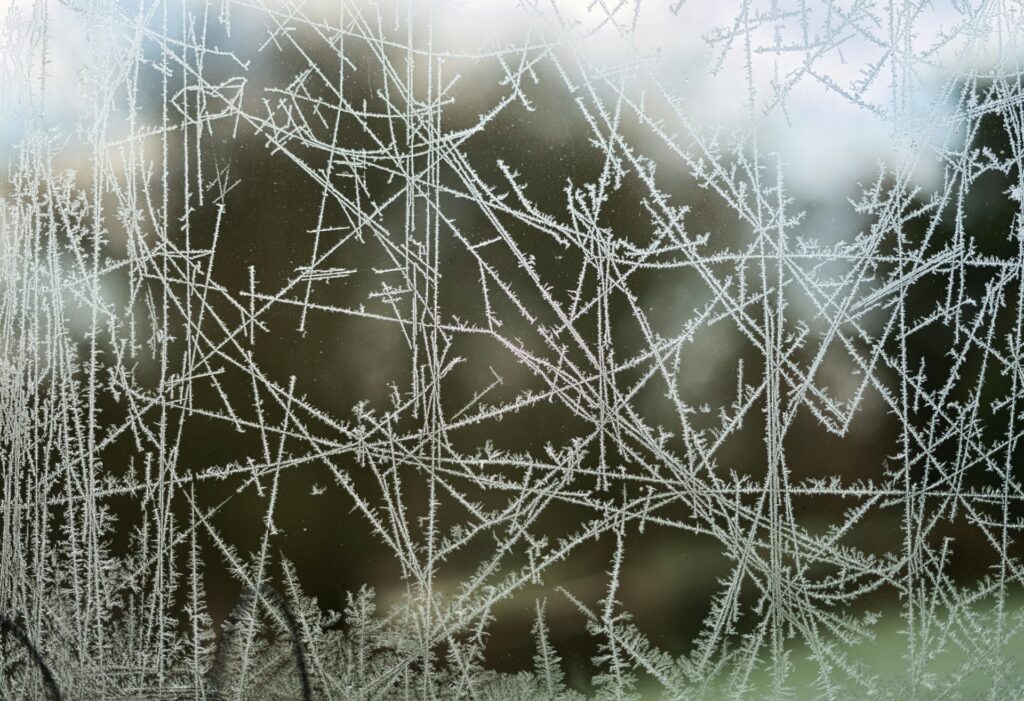
Frost forms when surface temperatures drop to 32°F (0°C) or below and moisture in the air freezes directly onto exposed surfaces. The key word is surface temperature, not air temperature. On a calm, clear night, surfaces like grass, car roofs, plant leaves, and bare soil can be 3 to 5°F colder than the air temperature recorded at a weather station. This is why frost can form even when your thermometer reads above freezing.
The process is called radiative cooling. During the day, surfaces absorb heat from the sun. At night, that heat radiates back into the sky. On clear nights with no cloud cover, that radiation escapes freely and surfaces cool rapidly. On overcast nights, clouds act as a blanket, trapping heat and preventing surface temperatures from dropping as far.
Air Temperature vs Surface Temperature
This distinction catches many gardeners off guard every year. Your weather app shows 35°F and you assume your plants are safe. Meanwhile, your lawn is sitting at 30°F and your basil is turning black.
The gap between air temperature and surface temperature depends on three factors:
Sky conditions have the biggest influence. A clear sky allows maximum radiative cooling and surfaces can drop 4 to 5°F below air temperature overnight. Partly cloudy skies reduce this to 1 to 2°F. An overcast sky almost eliminates the gap entirely.
Wind speed works in your favour. Moving air mixes warmer air down toward the surface and limits radiative cooling. Even a light breeze of 5 to 10 mph can reduce surface cooling by 1 to 2°F compared to completely calm conditions.
Humidity and dew point matter because moisture releases latent heat as it condenses. High humidity nights tend to produce less severe frosts than dry nights at the same air temperature.
Our frost risk calculator accounts for all three factors to give you a surface temperature estimate, not just the raw air temperature reading.
Frost Risk Levels Explained
No Risk (surface temp above 34°F / 1°C): No frost protection needed. Continue monitoring if temperatures are expected to drop further over the coming nights.
Low Risk (32 to 34°F / 0 to 1°C): Tender plants like basil, tomatoes, and tropical species may show stress. Hardy plants are generally fine. Light precautions are worthwhile.
Frost Likely (28 to 32°F / -2 to 0°C): Light to moderate frost expected on exposed surfaces. Most tender annuals and vegetables will sustain damage without protection. Cover or bring in vulnerable plants.
Hard Frost (23 to 28°F / -5 to -2°C): Significant damage to unprotected plants. Hardy perennials may cope but tender species will not survive exposure. Exposed water pipes are at risk.
Severe Freeze (below 23°F / -5°C): Widespread plant damage likely even to hardy species. Serious pipe risk in unheated spaces. Take all precautions and bring everything vulnerable indoors.
How to Protect Plants From Frost
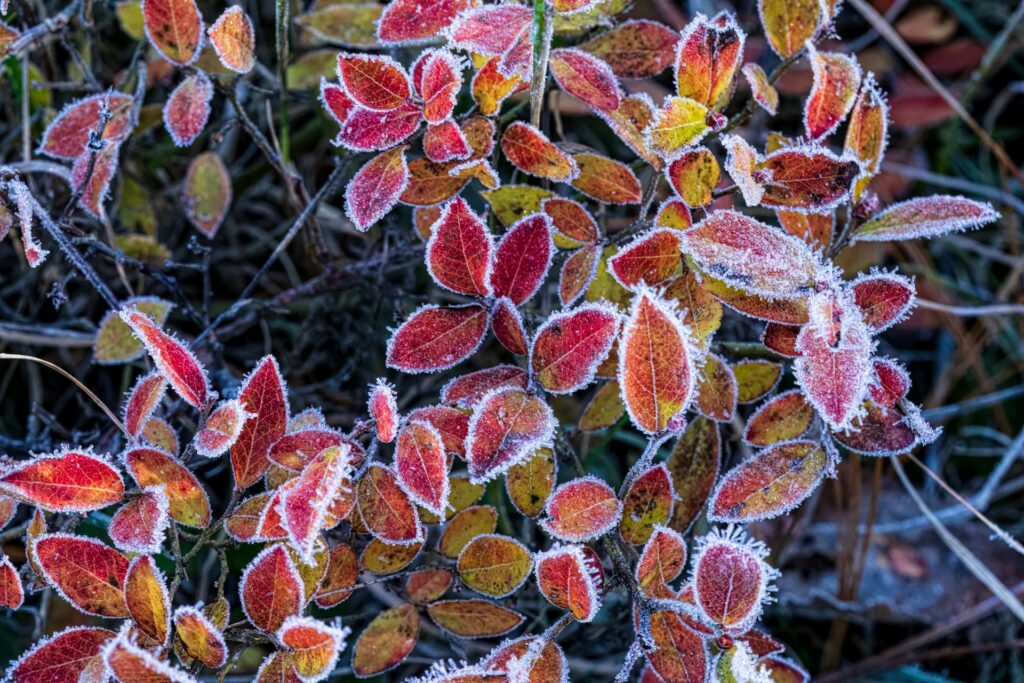
Cover before dark. Frost cloth, old bedsheets, and burlap all work by trapping the heat radiating from the soil and the plant itself. The key is to cover before sunset so the trapped air stays warm, not after frost has already formed.
Water your garden before a frost. Moist soil holds heat far better than dry soil. Watering in the afternoon before a frost night helps moderate overnight temperatures around plant roots.
Move potted plants indoors or against a wall. A south-facing wall retains heat through the day and releases it overnight, creating a microclimate several degrees warmer than open ground. Even moving pots against the house can make a meaningful difference.
Mulch around the base of plants. A 2 to 3 inch layer of mulch insulates the soil and root zone from temperature swings. This is particularly important for borderline-hardy shrubs and perennials in their first year.
Do not water plants immediately before a severe freeze. Ice formation on wet foliage causes direct cell damage. For hard frost and severe freeze conditions, skip the pre-frost watering.
How to Protect Pipes From Frost
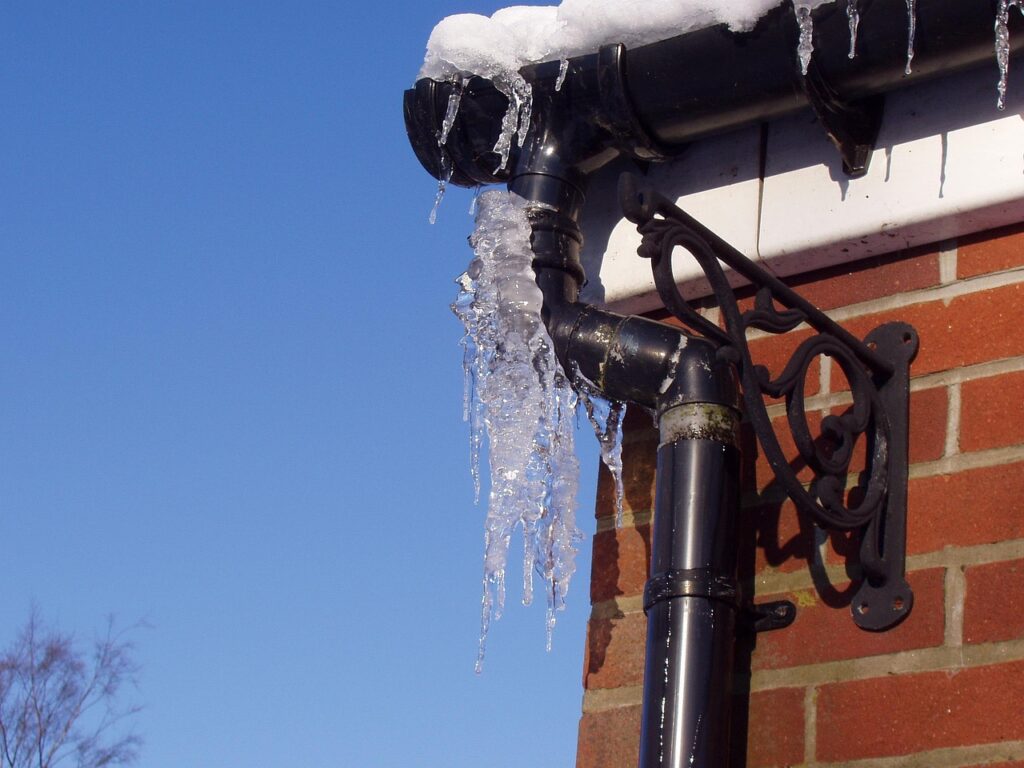
Disconnect outdoor hoses. Water left in a connected hose can back up into the faucet and freeze, cracking the fitting. This is one of the most common and easily preventable frost damages.
Insulate outdoor faucets. Foam faucet covers cost a few dollars and can prevent a costly repair. They are worth fitting at the start of every cold season.
Let faucets trickle on severe freeze nights. Moving water is much harder to freeze than standing water. A slow drip from faucets on exterior walls is enough to prevent freezing in most cases.
Keep your home above 55°F even when unoccupied. Pipes in exterior walls and unheated spaces are the most vulnerable. A low baseline heating level keeps them safe even in severe cold.
Know where your main water shutoff valve is. If a pipe does burst, being able to shut off the water supply within seconds makes the difference between a manageable repair and a flooded home.
Monitor Frost Risk From Your Own Property
The most accurate frost warning comes from your own backyard, not a weather station miles away. Local microclimates, like valleys, frost pockets, exposed hilltops, mean conditions at your property can differ significantly from the nearest official reading.
A home weather station gives you real-time overnight low temperatures, humidity, and dew point data right at your location. Pair that with our frost risk calculator and you have an early warning system that is specific to your garden, not a regional average.
See our guide to the best home weather stations of 2026 for recommendations across all budgets. The Ambient Weather WS-2902C is our top pick for monitoring frost risk. It tracks temperature, humidity, and dew point in real time with alerts you can set to notify you when conditions approach freezing.

Reviewed by Ed Oswald
Expert Reviewer, Weather Station Advisor
Ed has personally installed and tested every weather station model included in this tool across multiple home environments. He has covered consumer technology and weather instruments for Digital Trends, PC World, and the New York Times for over 20 years.