
What Is a Comfortable Humidity Level?
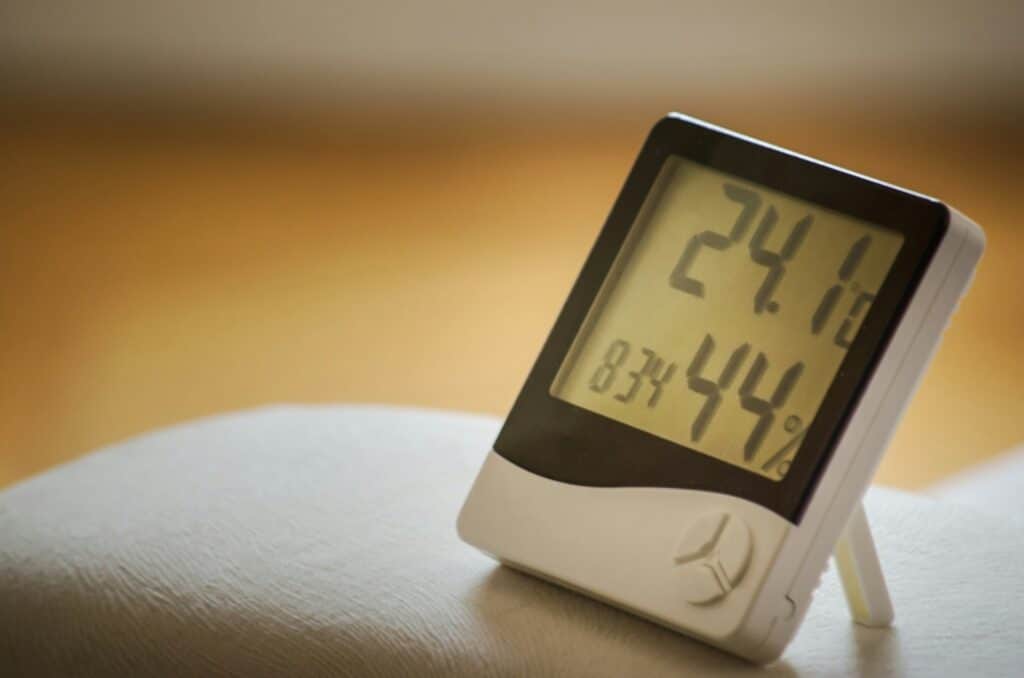
Relative humidity is one of the most misunderstood numbers in weather and home comfort. The percentage alone tells you very little without also knowing the temperature. A reading of 70% humidity at 50°F feels very different from 70% humidity at 90°F. In the first case it’s cool and damp, in the second it’s oppressively humid and potentially dangerous.
The most useful measure of humidity comfort is dew point, the temperature at which air would become saturated and water would begin to condense. Dew point is independent of air temperature and gives a direct read on how much moisture is actually in the air. A dew point below 55°F (13°C) is dry and comfortable. Between 55°F and 65°F most people start to feel the moisture. Above 70°F (21°C) is oppressive for nearly everyone regardless of fitness or acclimatization.
The Ambient Weather WS-2902C displays dew point directly alongside temperature and humidity, making it easy to monitor comfort conditions at your exact location.
Indoor Humidity: The Ideal Range
The American Society of Heating, Refrigerating and Air-Conditioning Engineers (ASHRAE) recommends indoor relative humidity between 30% and 60% for comfort and health. Most people feel best between 40% and 55%.
Below 30% — air is uncomfortably dry. Mucous membranes dry out, increasing susceptibility to colds and respiratory infections. Static electricity becomes a nuisance. Wood furniture and flooring shrinks and cracks. Houseplants struggle.
30% to 40% — dry but manageable. Common in heated homes during winter when cold outdoor air is warmed indoors, reducing its relative humidity dramatically.
40% to 60% — optimal. Most people sleep better, breathe easier, and experience fewer allergy symptoms in this range. Dust mites and mould have difficulty establishing themselves.
Above 60% — humid enough for mould to begin developing, particularly in areas with poor ventilation. Dust mites thrive. Wood swells. Electronics become vulnerable to condensation damage.
Above 70% — serious mould and structural risk. Dehumidifier use is essential if indoor readings consistently reach this level.
A quality hygrometer is the starting point for managing indoor humidity. Our best hygrometer reviews cover the most accurate standalone options as well as weather stations with built-in indoor sensors.
How Humidity Affects How Hot It Feels

High humidity slows the evaporation of sweat from your skin, which is your body’s primary cooling mechanism. When sweat cannot evaporate it cannot carry heat away from your body, making you feel hotter than the thermometer suggests.
This combined effect of temperature and humidity is what the heat index measures. At 90°F with 70% humidity, the heat index is around 105°F: hot enough to cause heat exhaustion in people who are working or exercising outdoors.
The reverse applies in cold weather, where very dry air allows heat to escape from your skin more rapidly, making cold temperatures feel colder. This is less pronounced than the humidity-heat interaction but still measurable at extremes.
How to Lower High Indoor Humidity
A dehumidifier is the most direct solution for persistently high indoor humidity. Size matters: a unit rated for a larger space than you actually have will cycle on and off frequently and may not maintain a consistent humidity level. Match the unit to your square footage for best results.
Air conditioning also removes moisture from the air as a side effect of cooling. Running your AC during humid weather serves a dual purpose.
For specific high-humidity areas like bathrooms and kitchens, improving ventilation is often more effective than dehumidification. An exhaust fan that vents outdoors removes moisture at the source rather than letting it spread through the house.
Check your barometric pressure too, as falling pressure often precedes humid weather systems. Rising pressure usually means drier air is coming.
How to Raise Low Indoor Humidity
A humidifier is the most reliable solution for dry indoor air. Cool mist, warm mist, and ultrasonic models all work, with different tradeoffs in maintenance requirements and energy use. Place the unit in the room where you spend the most time and use a hygrometer to confirm it’s reaching your target humidity level.
Houseplants contribute modest amounts of moisture to indoor air through transpiration. A collection of plants in a dry room can raise humidity by a few percentage points, though they’re not a substitute for a humidifier in severe dry conditions.

Reviewed by Ed Oswald
Lead Reviewer, Weather Station Advisor
Ed has covered consumer technology and weather instruments for Digital Trends, PC World, and the New York Times for over 20 years. He has personally tested every station recommended on this page.