Weather reports often make it sound like an entire region experiences the same conditions, but anyone who’s lived in or traveled through varied terrain knows this isn’t true. In reality, local geography, vegetation, bodies of water, and even urban development can create microclimates—small areas where the weather behaves differently from surrounding regions. Understanding microclimates is increasingly relevant as climate change makes weather patterns less predictable. Microclimates can impact everything from your morning commute to the success of a home garden. You might find that while your neighbor’s yard is lush and thriving, your property a few blocks away struggles with frost pockets or extreme heat. Recognizing the role of microclimates can improve planning, preparedness, and everyday comfort. Here are 12 real-world examples of microclimates in action and what they teach us about localized weather differences.
1. Coastal Breezes vs. Inland Heat
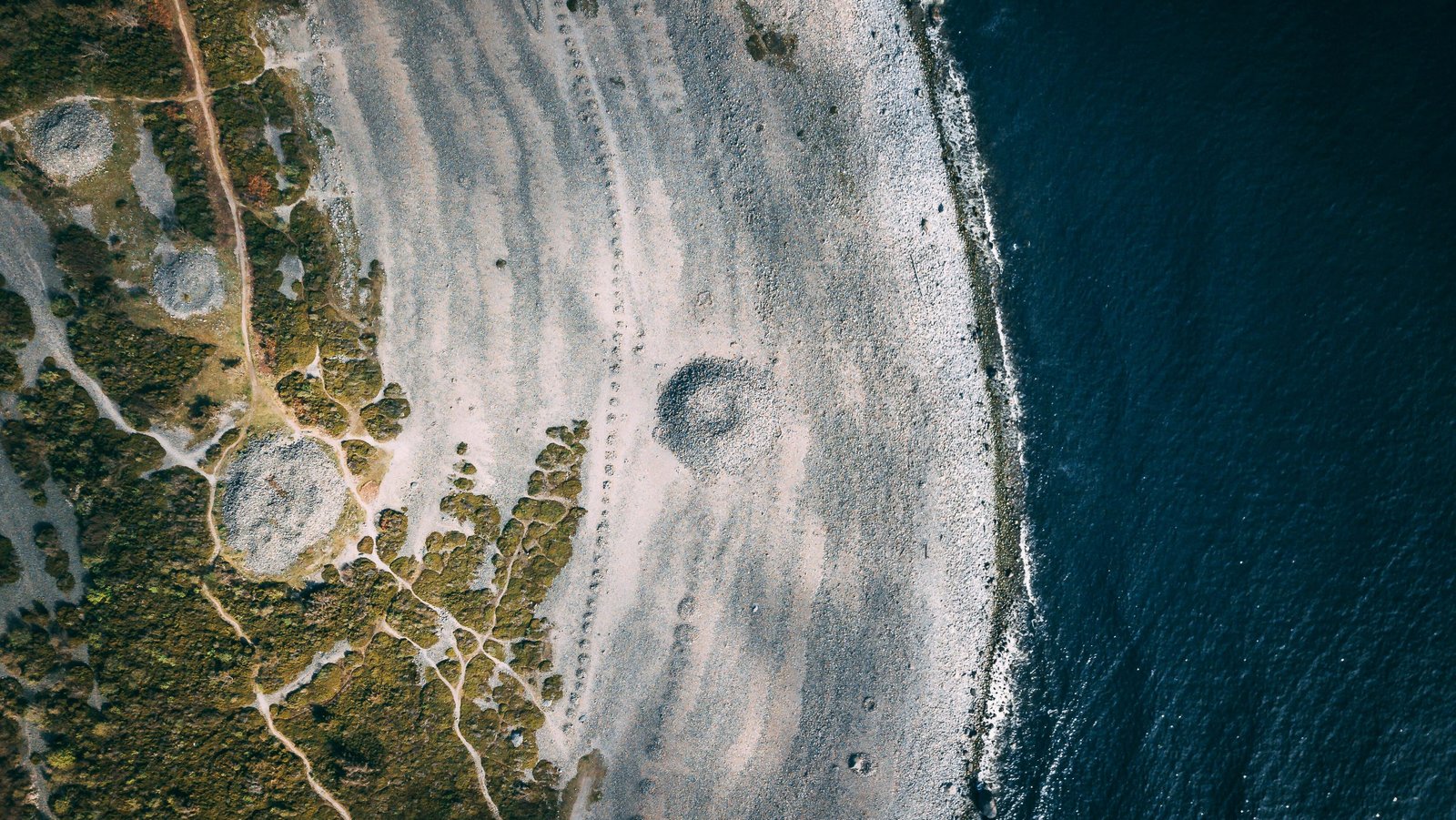
Coastal areas often experience milder temperatures than locations just a few miles inland. The ocean acts as a heat reservoir, absorbing heat slowly during the day and releasing it at night. Inland areas, lacking this moderating influence, can see temperature swings of 10 to 20 degrees Fahrenheit compared with nearby shorelines. Residents moving from coastal zones to inland suburbs may be surprised by hotter summers or colder nights. Gardeners and outdoor event planners need to account for these differences.
2. Urban Heat Islands
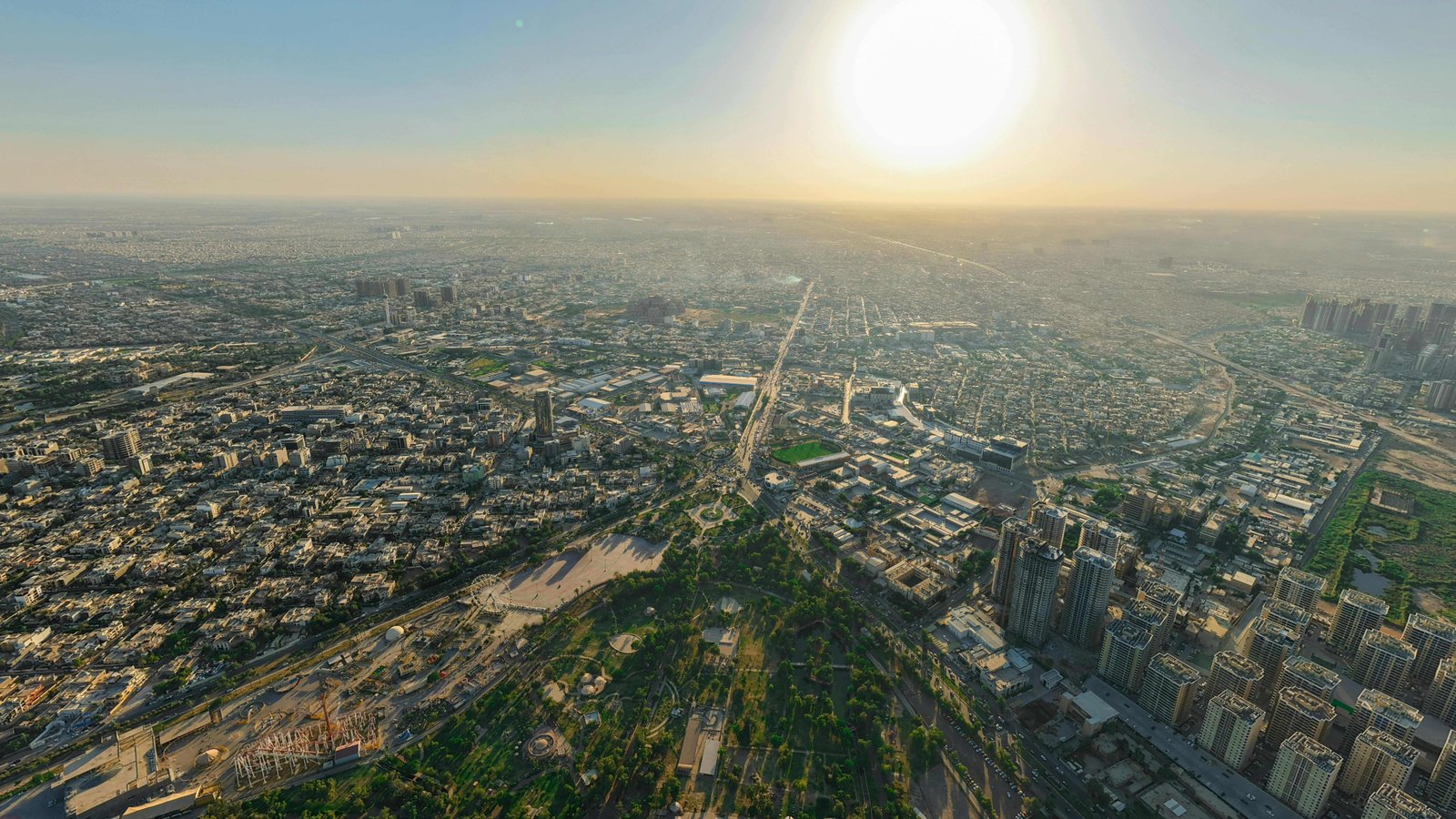
Cities often become heat islands, where concrete, asphalt, and buildings absorb and re-radiate heat. This can make downtown areas significantly warmer than surrounding rural or suburban neighborhoods, especially at night. People living or working in city centers may face higher risks of heat-related illness and higher energy bills due to increased cooling needs.
3. Mountain Valleys vs. Ridges
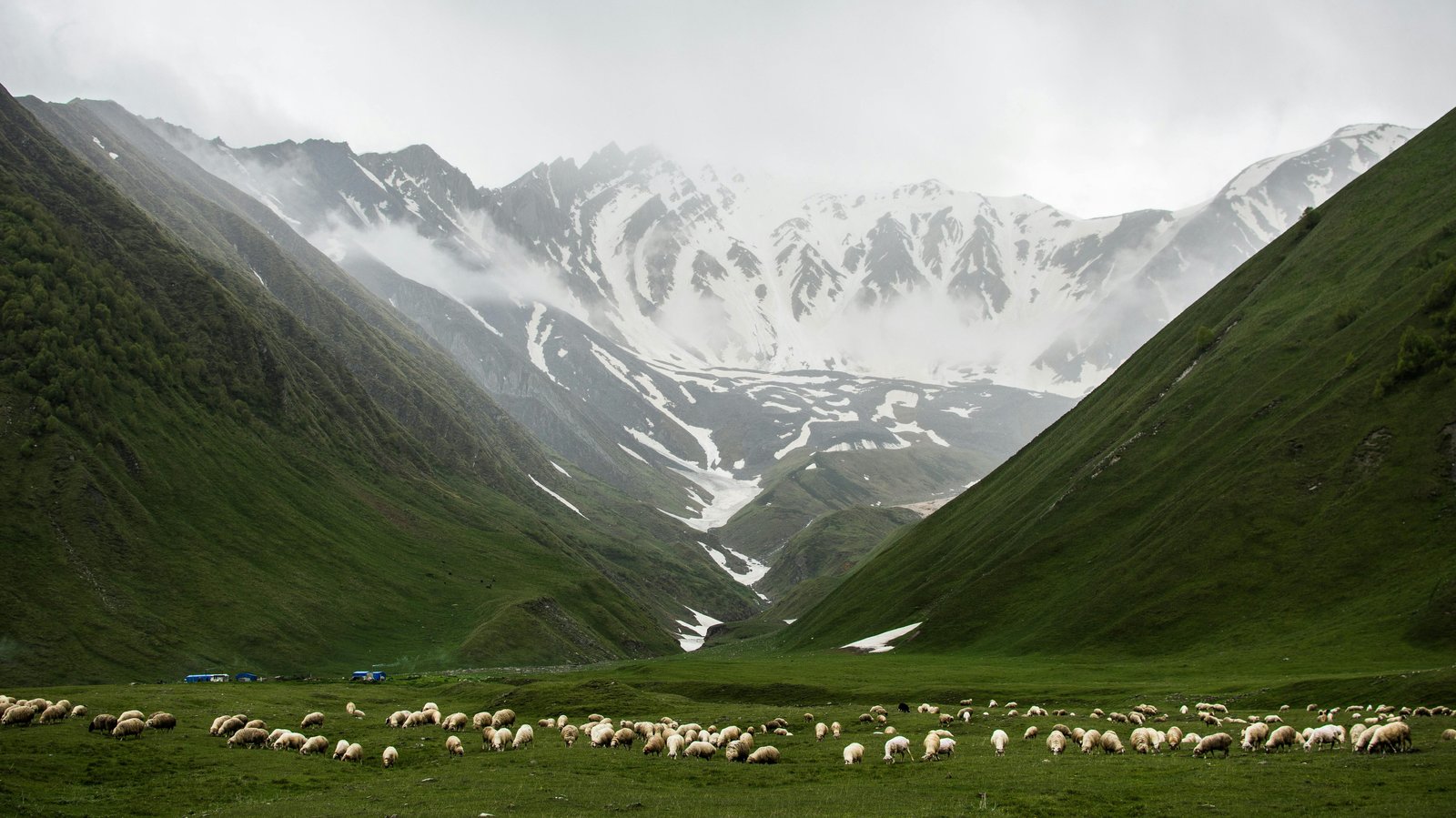
In mountainous regions, valleys often trap cold air at night, creating frost pockets even when surrounding ridges remain frost-free. Conversely, slopes facing the sun may warm more quickly during the day. Farmers, vineyard owners, and gardeners must select crops and planting sites carefully, or risk frost damage to sensitive plants.
4. Lake-Effect Snow Zones
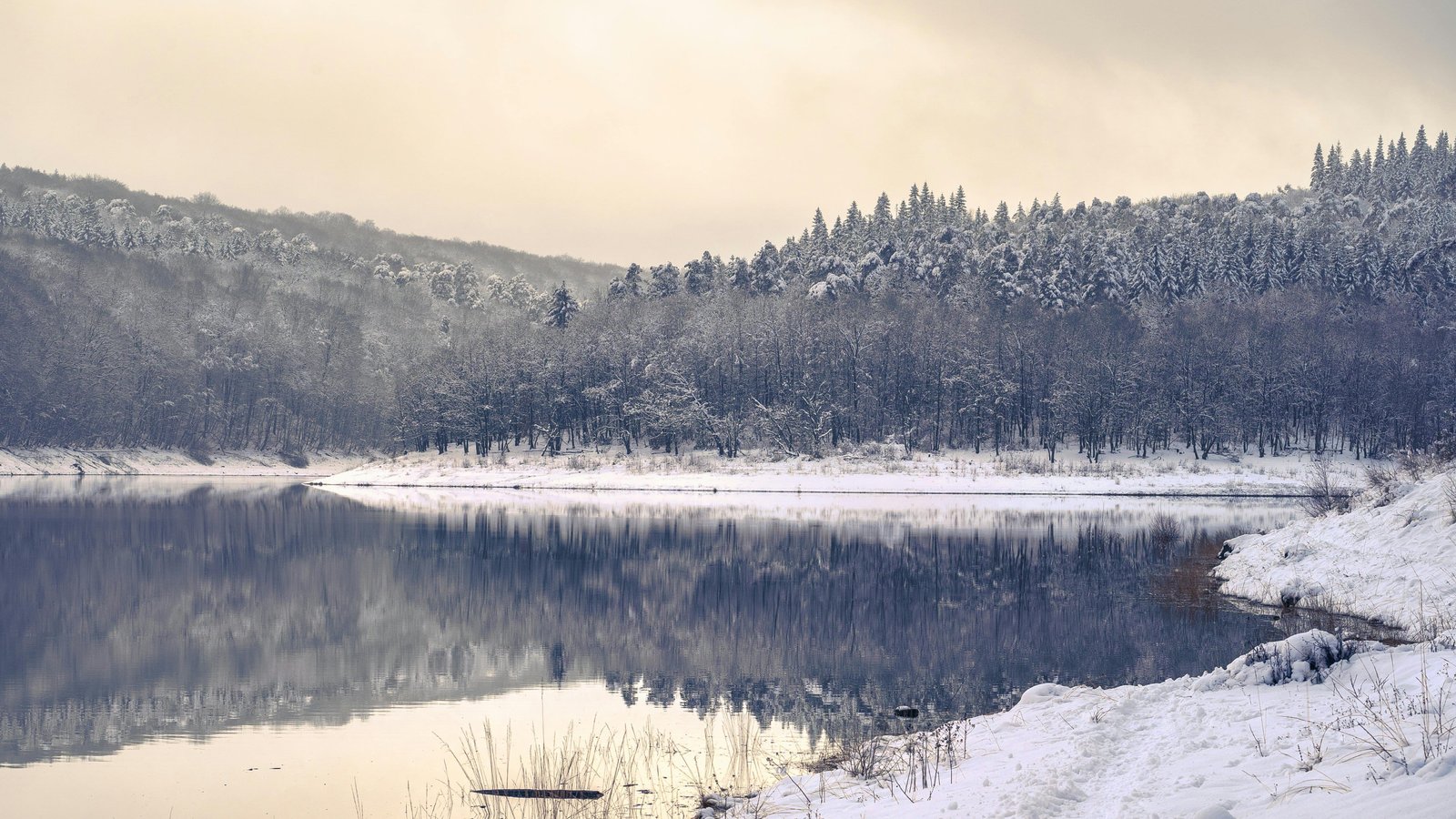
Large lakes can generate localized snowfall patterns. As cold air passes over relatively warmer water, it picks up moisture, which then falls as snow when reaching land. Communities just a few miles inland may experience heavy snow while others see only flurries. Road crews, commuters, and homeowners must stay aware of these highly localized snow risks, which aren’t always apparent in regional forecasts.
5. Forested Areas vs. Open Fields
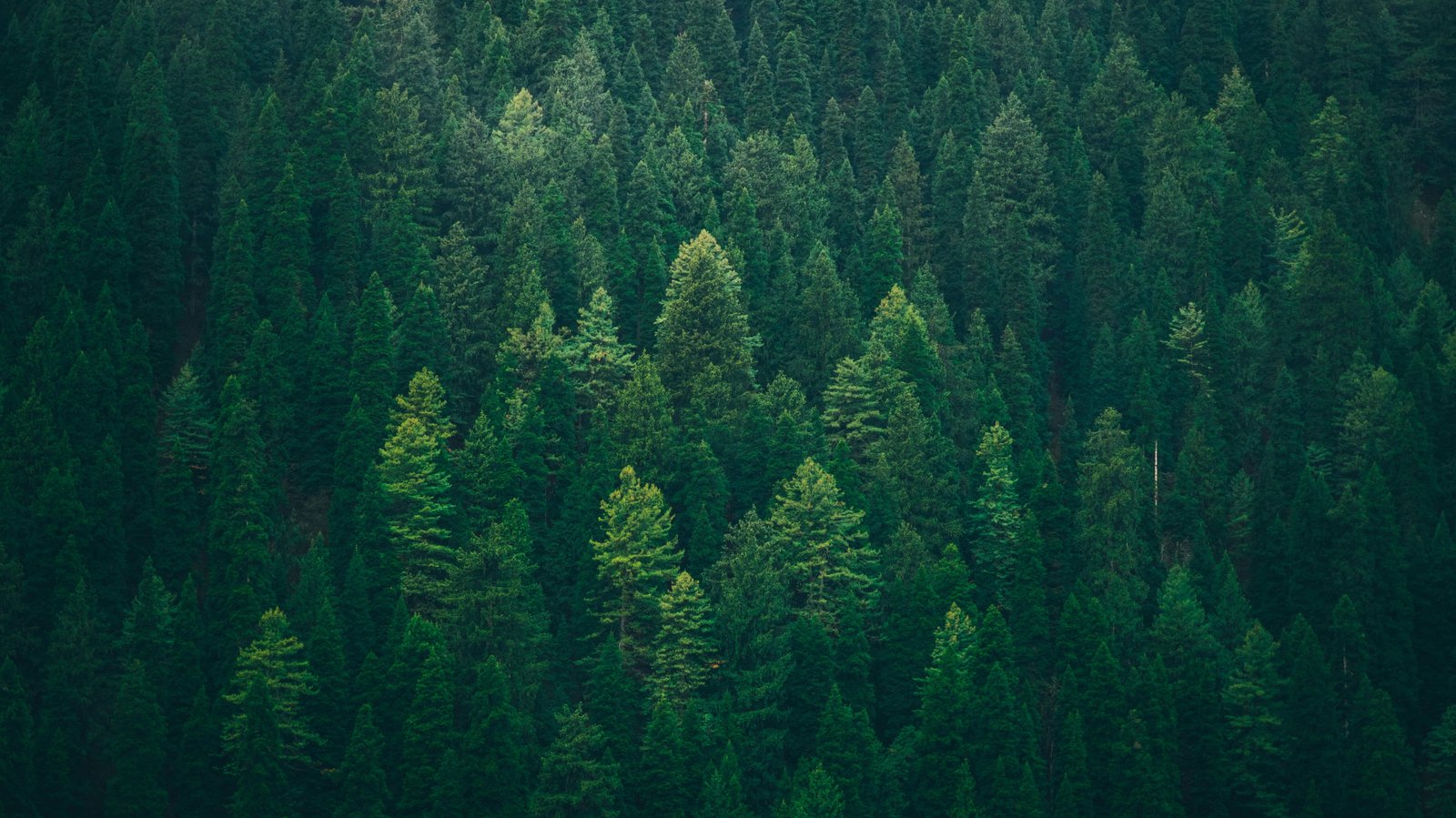
Dense forests can create cooler, moister microclimates compared with nearby open fields. Trees provide shade, reduce wind, and retain soil moisture. Open areas, in contrast, heat up more quickly and dry out faster. Hikers, campers, and landscapers can use this knowledge to plan outdoor activities, reduce wildfire risk, or select appropriate plants for shaded versus sun-exposed areas.
6. South-Facing vs. North-Facing Slopes
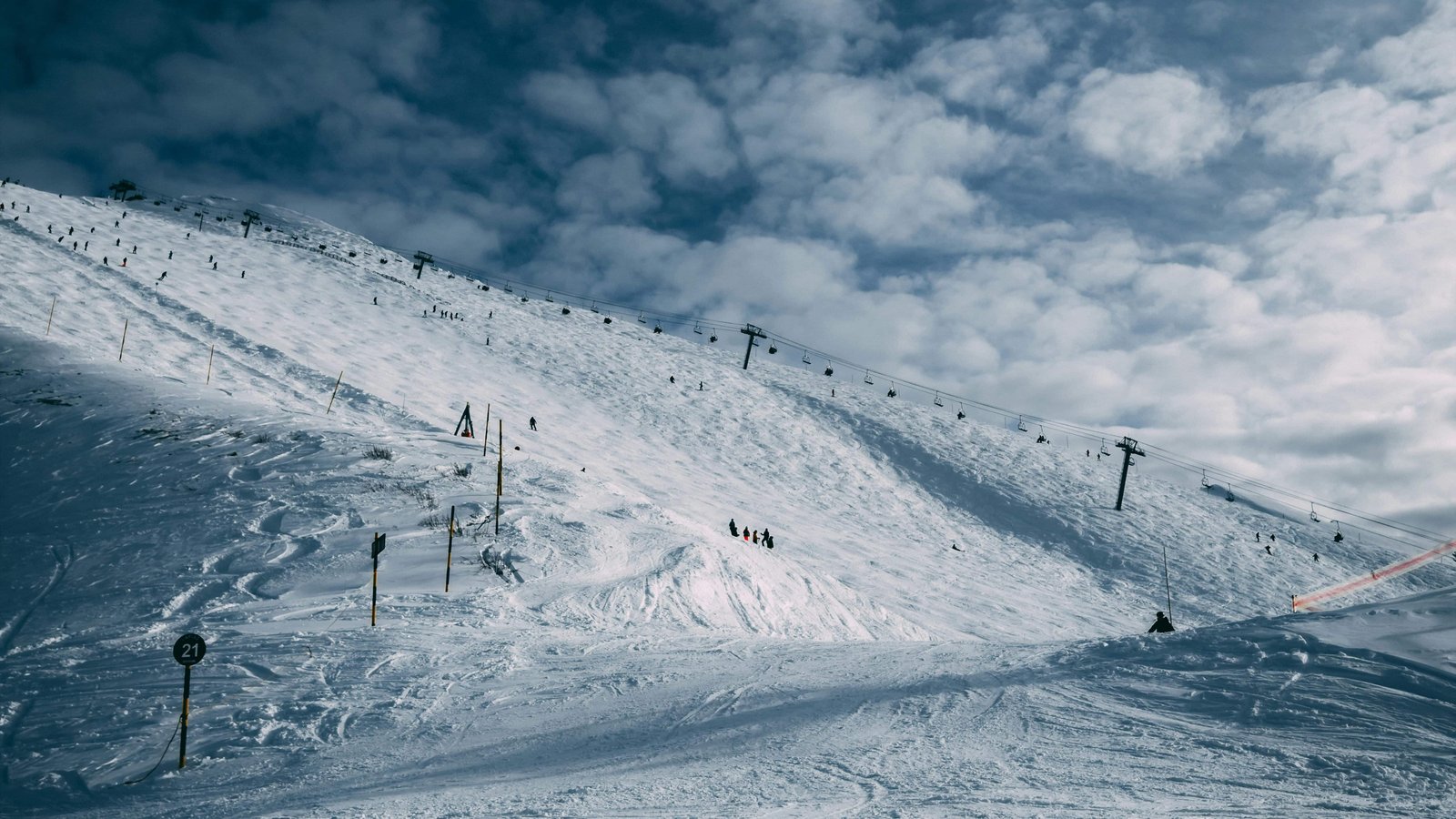
In the Northern Hemisphere, south-facing slopes receive more sunlight, creating warmer microclimates compared with north-facing slopes that remain cooler and shaded. This difference can influence snowmelt, plant growth, and even wildlife activity. Gardeners and homeowners can take advantage of warmer slopes for sensitive plants, while shaded slopes may require frost-tolerant species.
7. Urban Canyons and Wind Tunnels
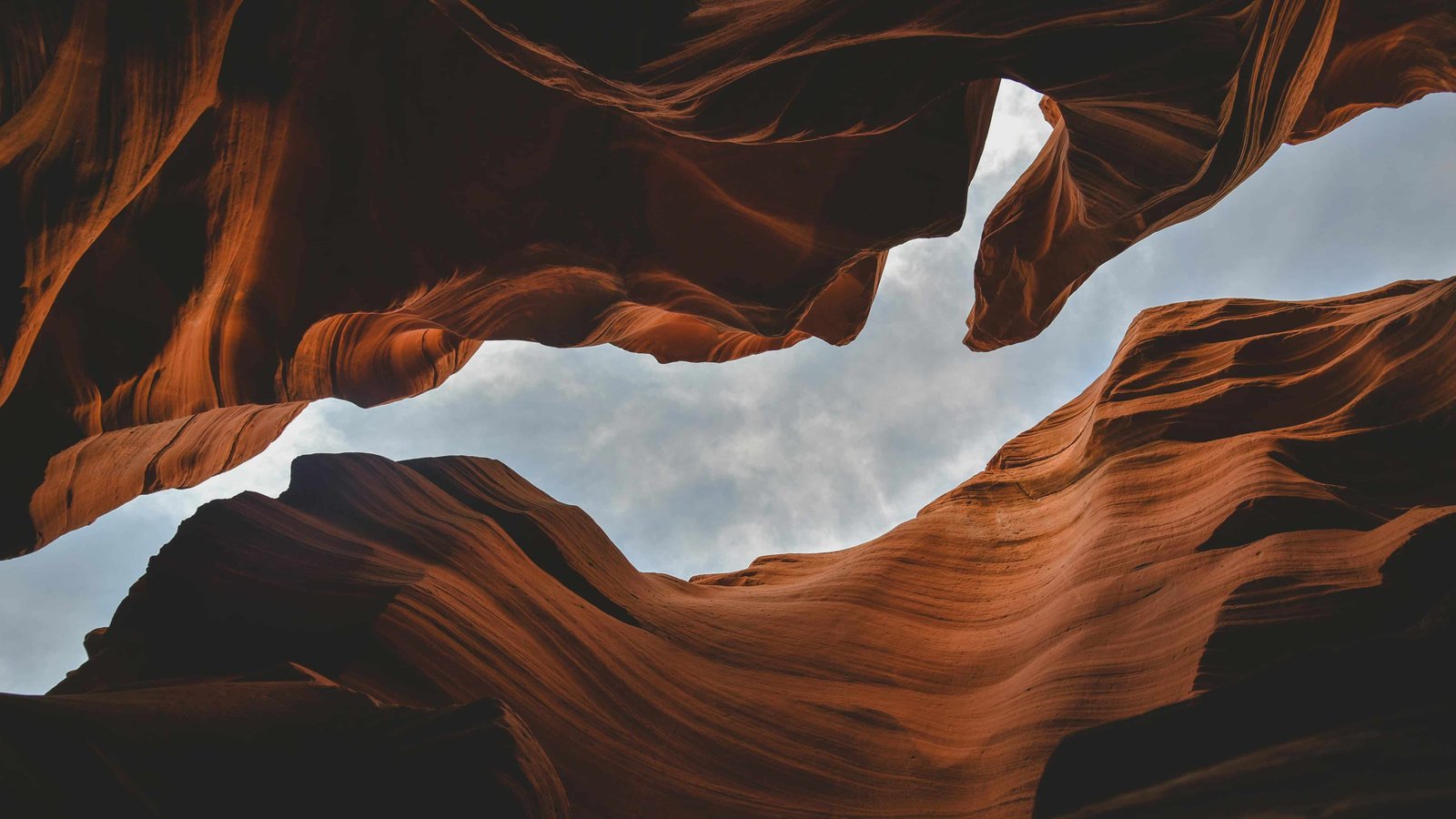
Tall buildings in cities can channel wind in unexpected ways, creating mini “wind tunnels.” Streets may experience higher wind speeds than open areas or nearby parks. Pedestrians, cyclists, and urban planners need to consider these wind patterns to improve comfort, safety, and building design.
8. River Valleys and Fog Pockets
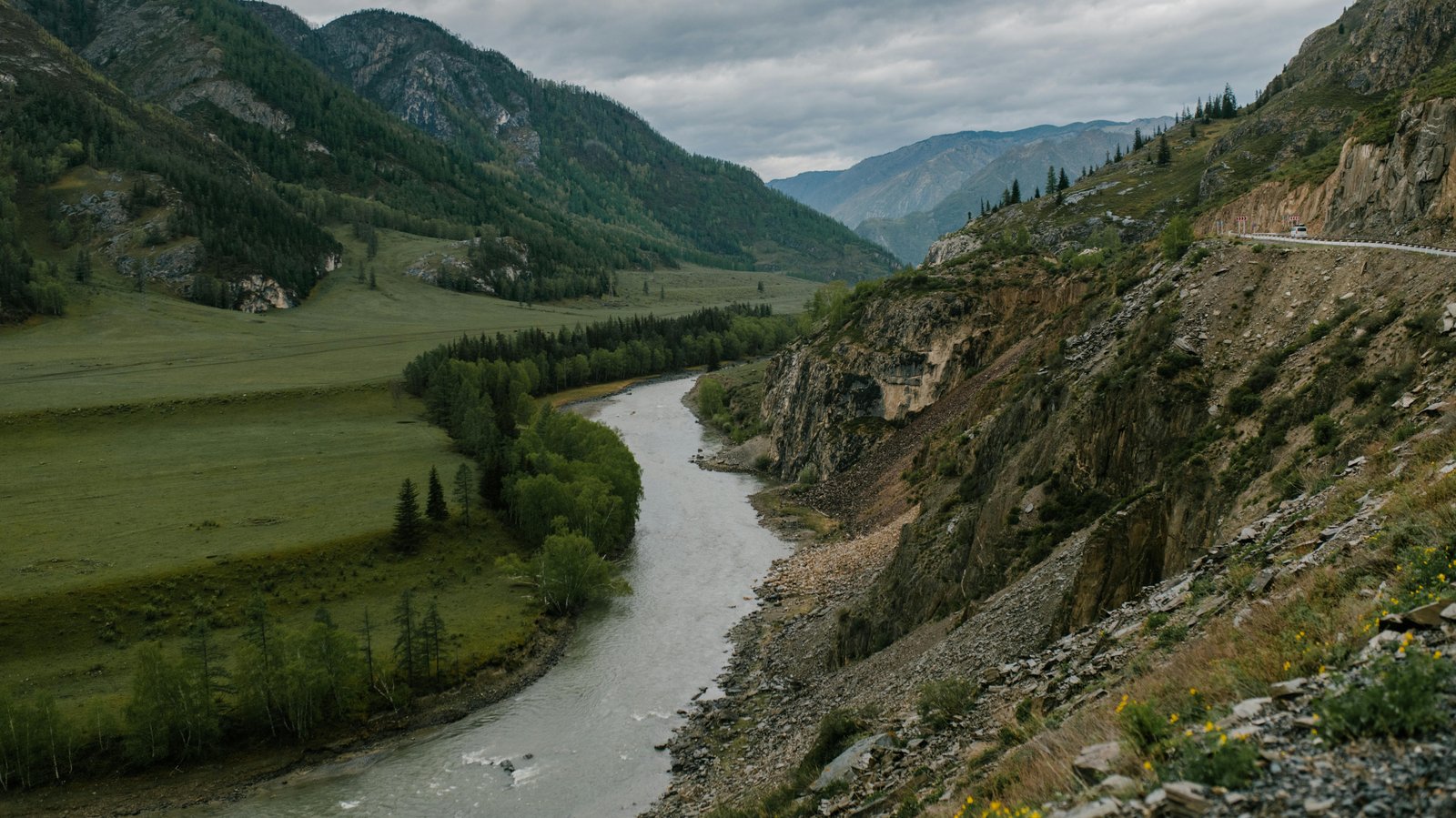
Low-lying river valleys often trap cool, moist air, creating frequent morning fog that dissipates just a few miles away. These fog pockets can persist for hours, affecting driving conditions and local microclimates. Morning commuters and pilots must be aware of these pockets, and gardeners should note that frost risk can be higher in valleys than surrounding hills.
9. Desert Oases vs. Surrounding Arid Land
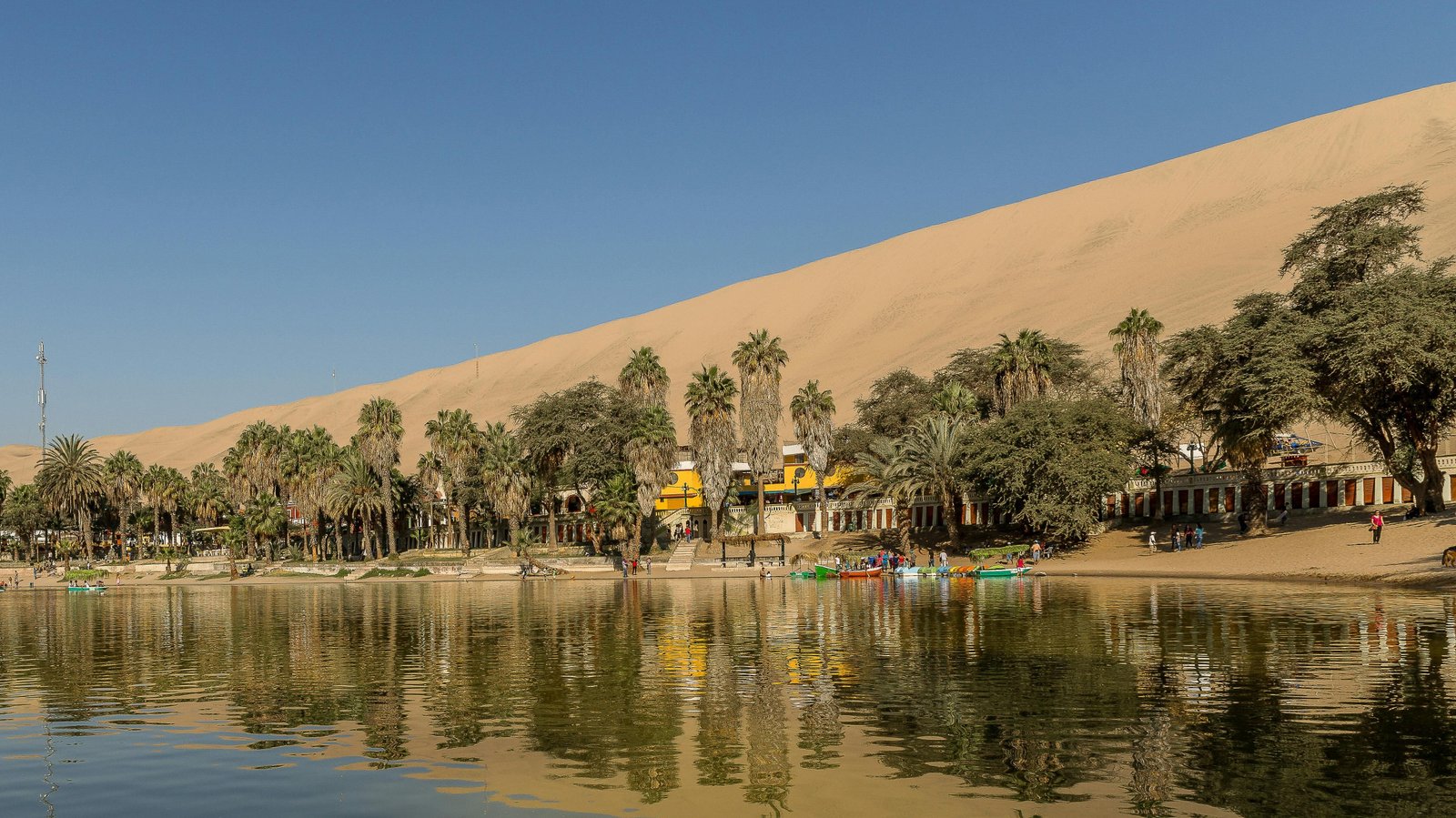
Even in otherwise arid regions, small areas near water sources—like oases or irrigated farmland—can maintain higher humidity and lower temperatures compared with surrounding desert. Microclimates in deserts allow for agriculture, wildlife habitat, and human habitation that would otherwise be impossible.
10. Volcanic Slopes
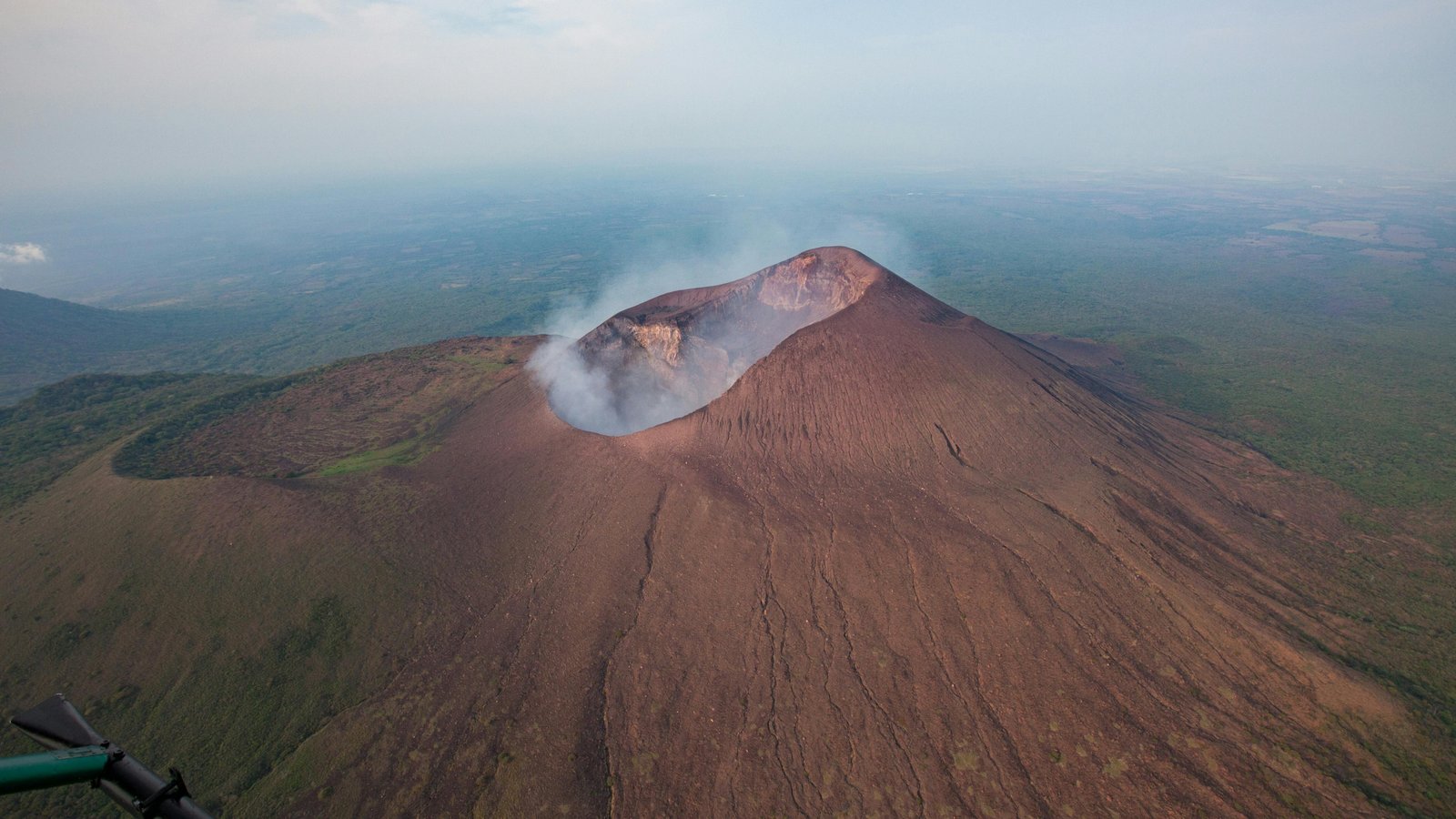
Volcanic soils can heat up faster than surrounding terrain, affecting local wind patterns and temperature. In some regions, slopes can remain frost-free while nearby plains experience overnight freezes. Residents, farmers, and tourists should account for these differences in planning and safety, particularly in regions with active volcanism.
11. Coastal Fog Belts
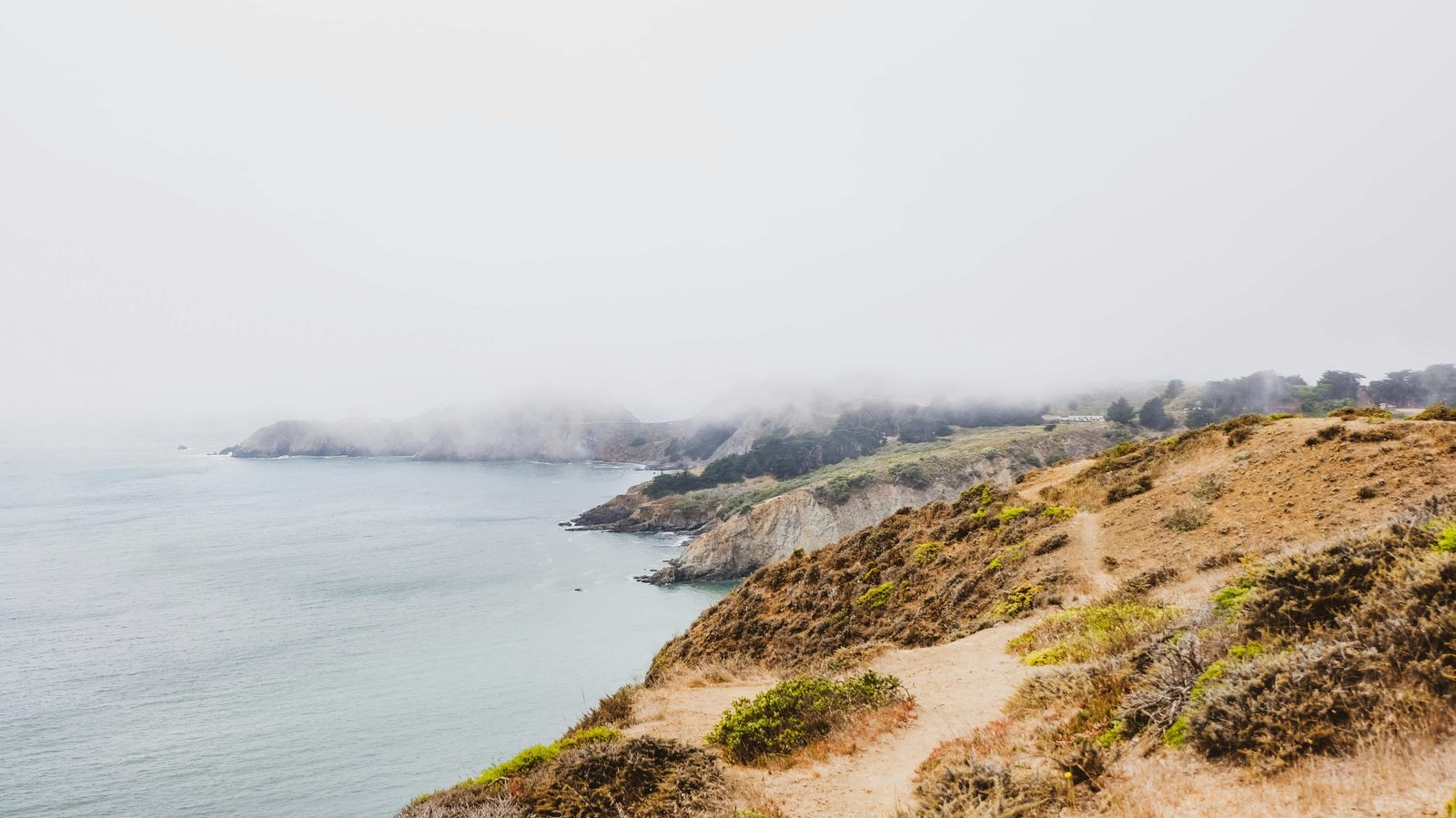
Certain coastal areas, like parts of California, experience fog belts that cool and moisten the air dramatically, while inland valleys just a few miles away can bake in the sun. This creates a stark contrast in vegetation and local climate. Gardeners, hikers, and coastal homeowners need to understand that fog can influence moisture levels, plant health, and heating or cooling requirements.
12. Microclimates Created by Human Activity

Artificial features such as highways, large parking lots, or industrial complexes can generate their own microclimates by absorbing heat, altering airflow, or releasing pollutants. Neighborhoods near these features may see higher temperatures or different wind patterns than adjacent areas. Awareness of these microclimates can help city planners, real estate buyers, and residents anticipate temperature fluctuations, air quality changes, and noise exposure.
Understanding Microclimates Enhances Daily Life
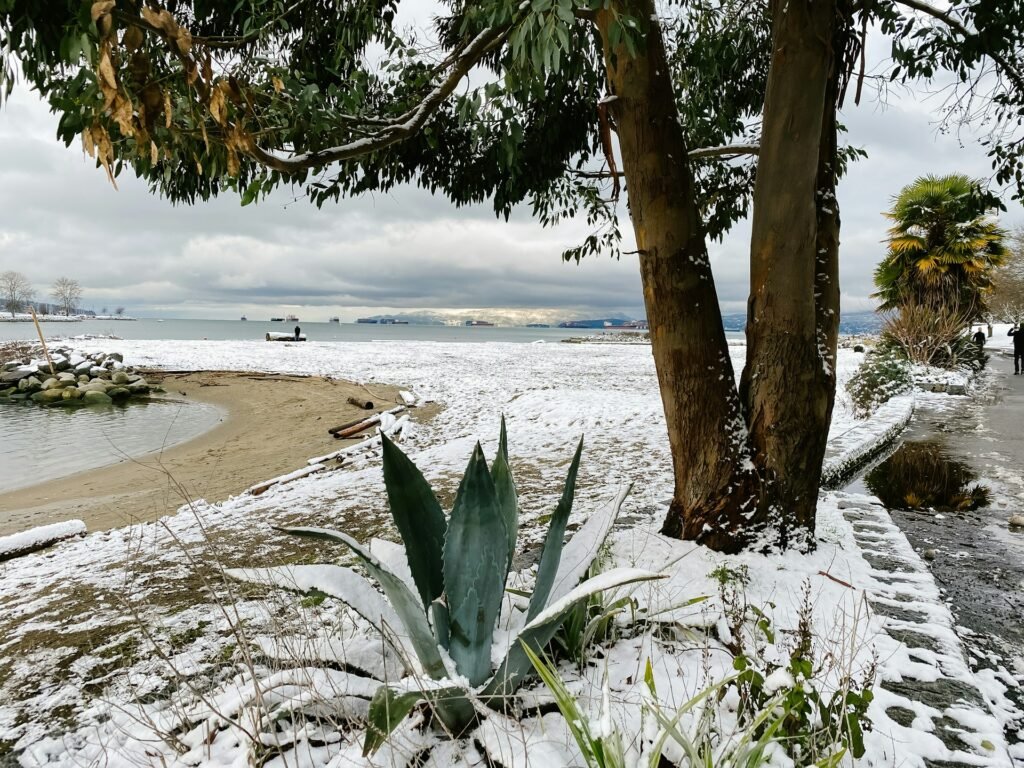
Microclimates may seem like an abstract concept, but they have tangible effects on comfort, health, and planning. From the way frost settles in a valley to how heat lingers in a city center, local weather can differ dramatically over short distances. By observing local patterns, using backyard weather stations, or consulting hyperlocal forecasts, homeowners, gardeners, and outdoor enthusiasts can make informed decisions tailored to their specific environment. Recognizing and respecting these microclimates can reduce risk, improve comfort, and help people adapt to the increasingly unpredictable weather of today and tomorrow. The key takeaway is that weather is never uniform, even over a few miles. Paying attention to microclimates transforms how we approach daily life, from planting decisions and travel planning to heat safety and winter preparedness. Observing your own local conditions is often just as important as consulting the regional forecast.