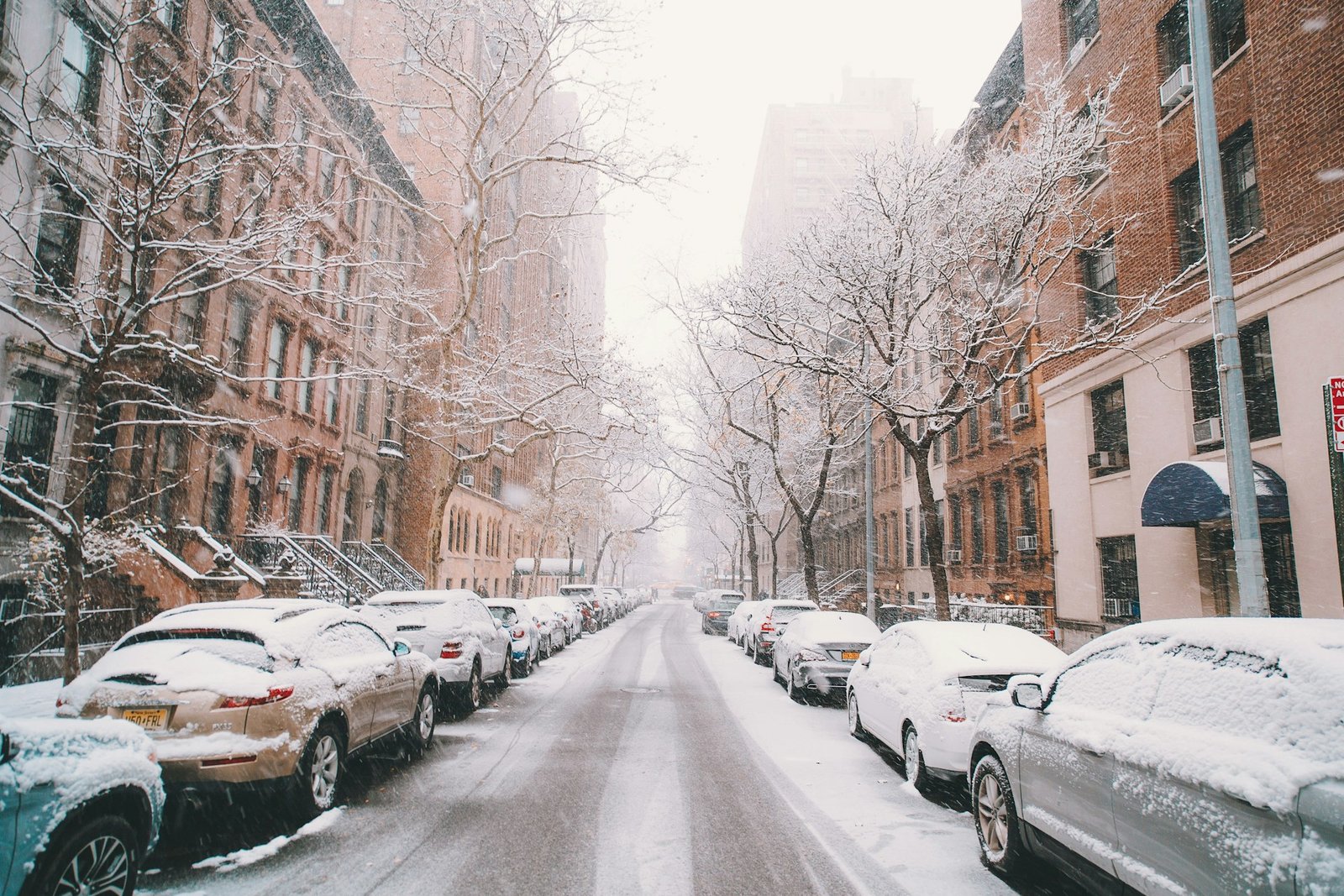
There is a line in America between people who experienced winter as children and people who experienced a slightly colder version of fall. If you grew up somewhere with real winters, the kind that started before Thanksgiving and lasted past Easter, the kind that required actual survival skills and ruined your shoes, you carry that experience forever. It shaped how you dress, how you drive, and how you judge other people’s complaints about cold weather.
These are the signs. If you recognize more than ten of them, you are one of us.
1. You Learned to Drive in Snow Before You Learned to Drive in Rain
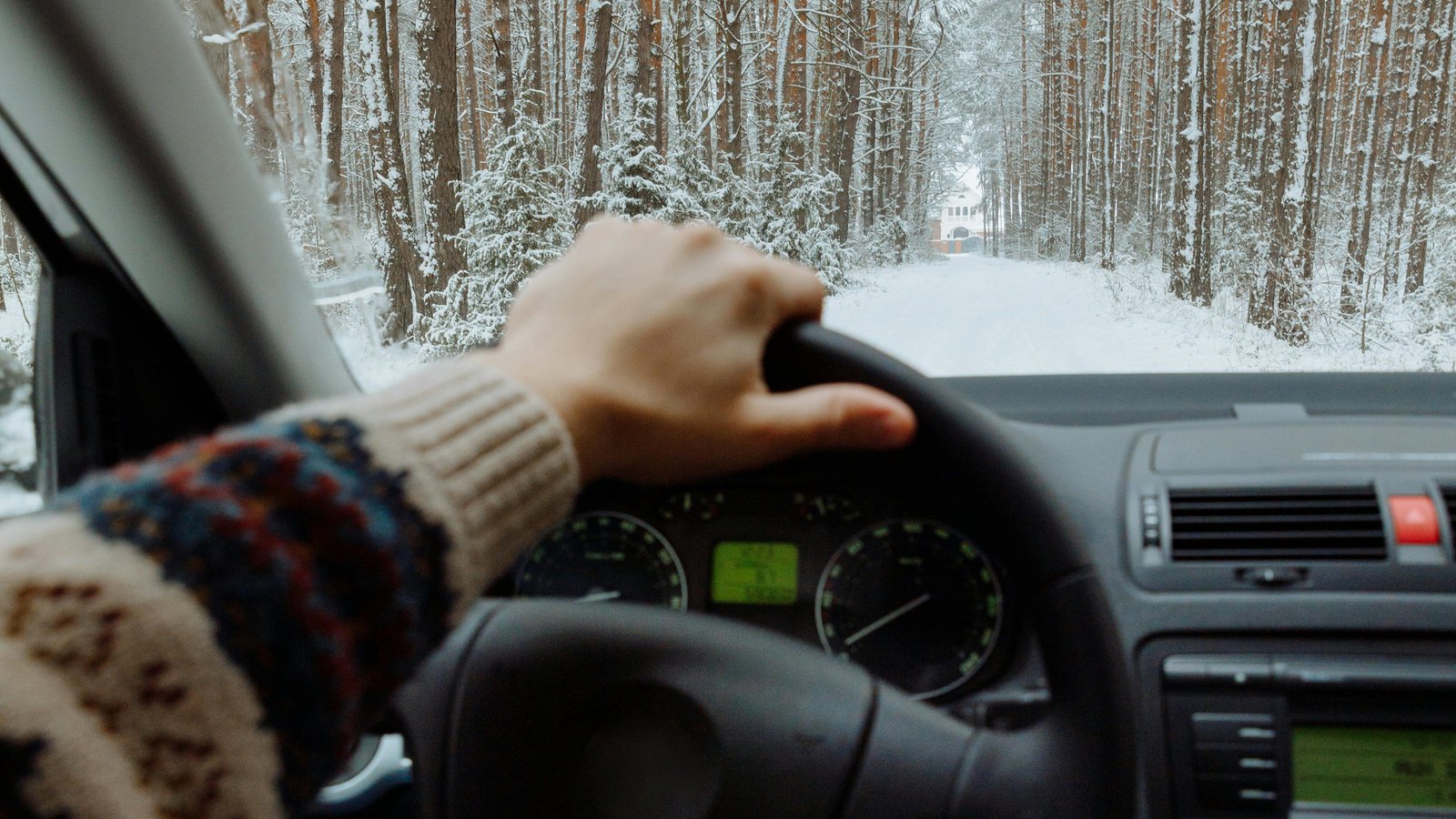
Your first winter behind the wheel was a controlled slide across an empty parking lot with your parent gripping the dashboard and telling you to steer into the skid. You practiced donuts on purpose so you would know how to recover from donuts by accident. The parking lot at the church or the closed shopping center became your driving school every Sunday morning in January.
By the time you got your license, you had already experienced losing traction at 15 mph and knew the exact feeling of ABS engaging under your foot. Other kids learned to parallel park. You learned to stop on black ice. Both are useful skills, but only one of them saves your life.
Rain driving felt laughably easy after two winters of snow commutes. You watched new drivers from southern states panic on a wet highway and wondered how they survived this long without understanding that a car can slide. Winter driving is a Ph.D. program that starts at age 16, and the diploma is permanent.
2. You Own Clothing Specifically Rated for Negative Temperatures

Somewhere in your closet, there is a jacket with a temperature rating printed on the tag. Minus 20. Minus 30. You bought it not for skiing or mountaineering but for walking to your car. You also own gloves with temperature ratings, boots with insulation measured in grams, and a hat that covers your face in a way that would alarm people in warmer states.
The layering system you developed as a teenager still works. Base layer, insulating layer, shell. You can dress for minus 10 in under three minutes and strip down to office clothes in 90 seconds. This skill is invisible to people who have never needed it and essential to people who have.
You judge winter clothing the way some people judge wine. The weight of the insulation, the quality of the zipper, whether the hood actually covers your face or just sits decoratively on top of your head. Decorative hoods are a personal offense to anyone who grew up where wind chill matters.
3. The Sound of a Snowplow at 4 A.M. Is Comforting
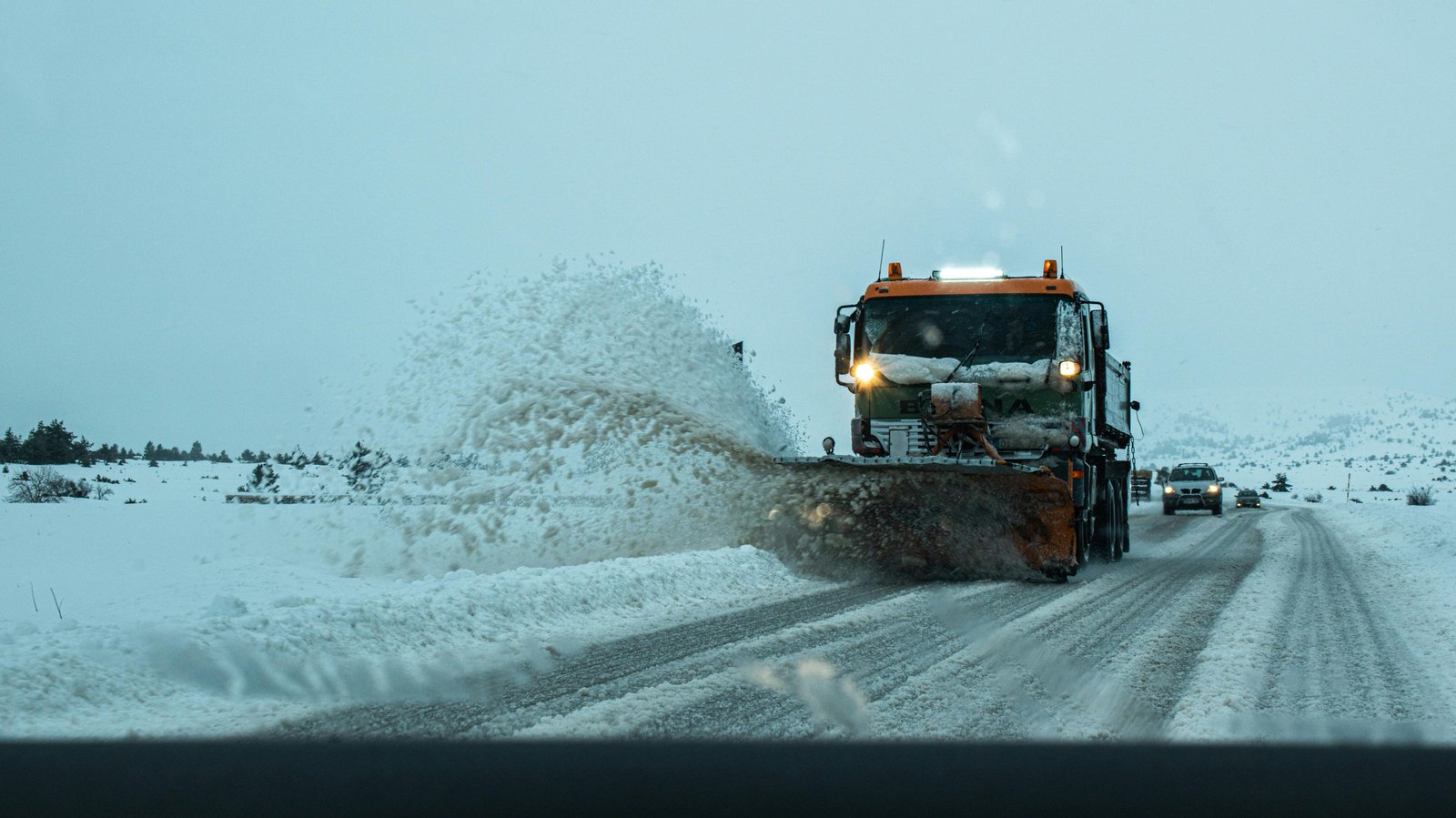
That metallic scrape of the plow blade on asphalt, the beeping of the reverse alarm, and the rumble of the truck engine drifting through your bedroom window at four in the morning is a sound that means the roads will be passable by the time you need them. You hear it in your sleep and feel a small relief without fully waking up.
People who did not grow up with snowplows find the sound annoying. People who did find it reassuring, the way a ship’s horn sounds to a sailor. The plow means someone is working while you sleep, clearing a path so the morning commute is merely difficult instead of impossible.
You know the plow schedule for your street. You know whether your street gets plowed in the first pass or the third. You know the frustration of shoveling your driveway only to have the plow come by and push a wall of compacted snow right back across the opening. This is not a complaint. This is the tax you pay for living in a place where snow is a real thing.
4. You Have Strong Opinions About Snow Shovels

The shovel matters. A cheap shovel with a thin blade and a short handle will destroy your back and leave a layer of packed snow that turns to ice by morning. A good shovel has an ergonomic handle, a blade wide enough to clear a walkway in two passes, and a slight curve that lets you push snow rather than lift it every time.
You have owned at least five shovels in your life, and you remember each one the way a chef remembers their knives. The one that broke during the blizzard of whatever year. The one your neighbor borrowed and never returned. The one you still have that is somehow indestructible despite looking like it survived a war.
Snow blowers are cheating, according to shovel purists, and a reasonable investment, according to anyone over 40 with a long driveway. The shovel-versus-blower debate is a generational and geographic divide that produces surprisingly heated arguments for a conversation about snow removal equipment.
5. You Know That 32 Degrees Is Not Actually Cold
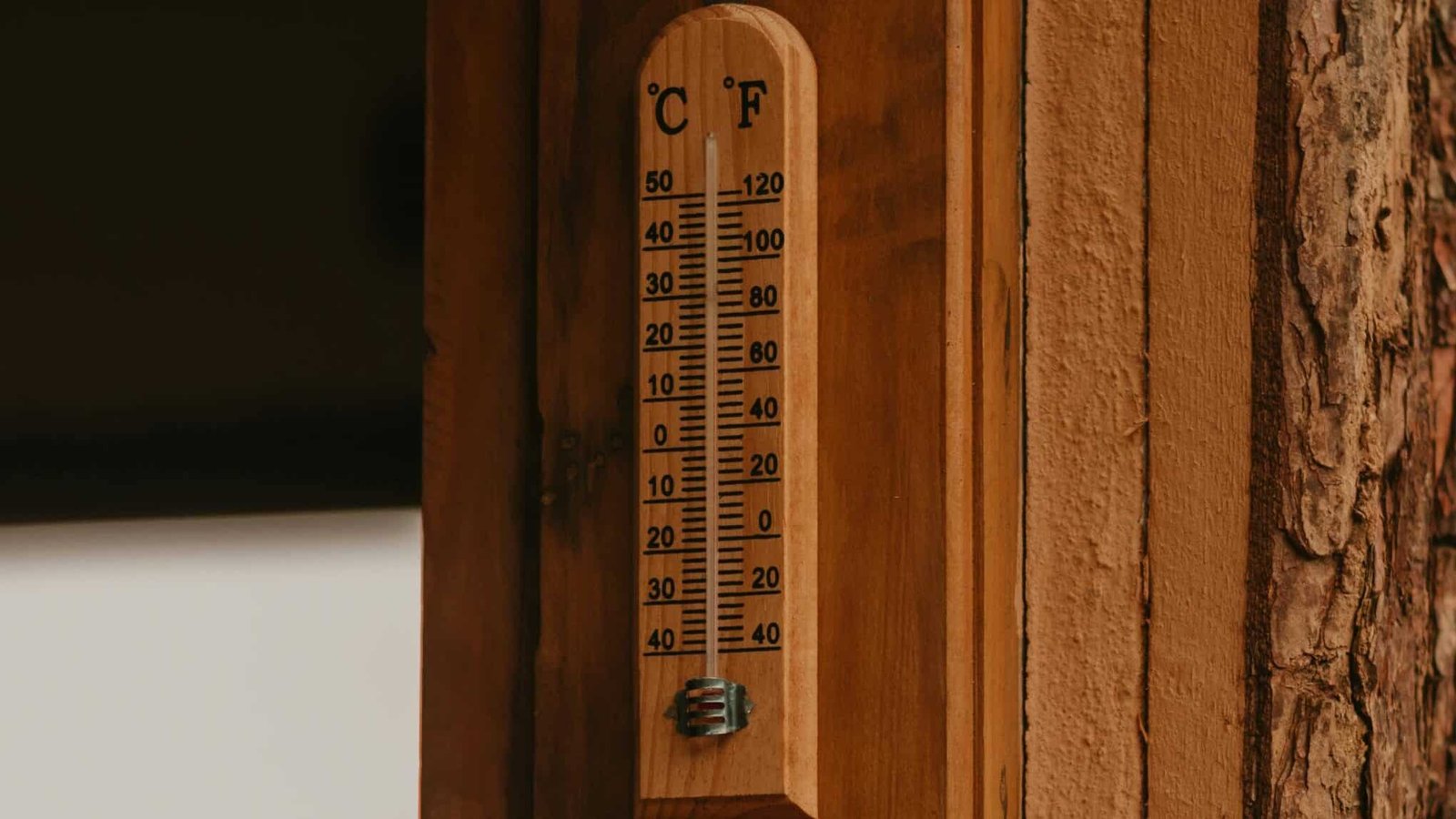
People from warm states put on winter coats at 50 degrees. People from real winter states consider 32 degrees a pleasant day in February, warm enough to go outside without a hat. The recalibration of what counts as cold is permanent and irreversible. Once your baseline has been set by weeks of below-zero temperatures, anything above freezing feels mild.
You have worn shorts in 40-degree weather and felt completely justified. You have seen your breath at 35 degrees and thought, “Nice day.” You have watched someone from Florida put on a parka at 55 and said nothing, because explaining your temperature scale to someone who has never experienced it just creates confusion.
The scale works in reverse too. A 70-degree day in March after months of cold feels tropical. You open windows, sit on the porch, and act like summer has arrived six weeks early. Then it snows again the next day, and you accept this as normal because your expectations were recalibrated years ago.
6. You Have Been Stuck in a Snowbank and Know How to Get Out
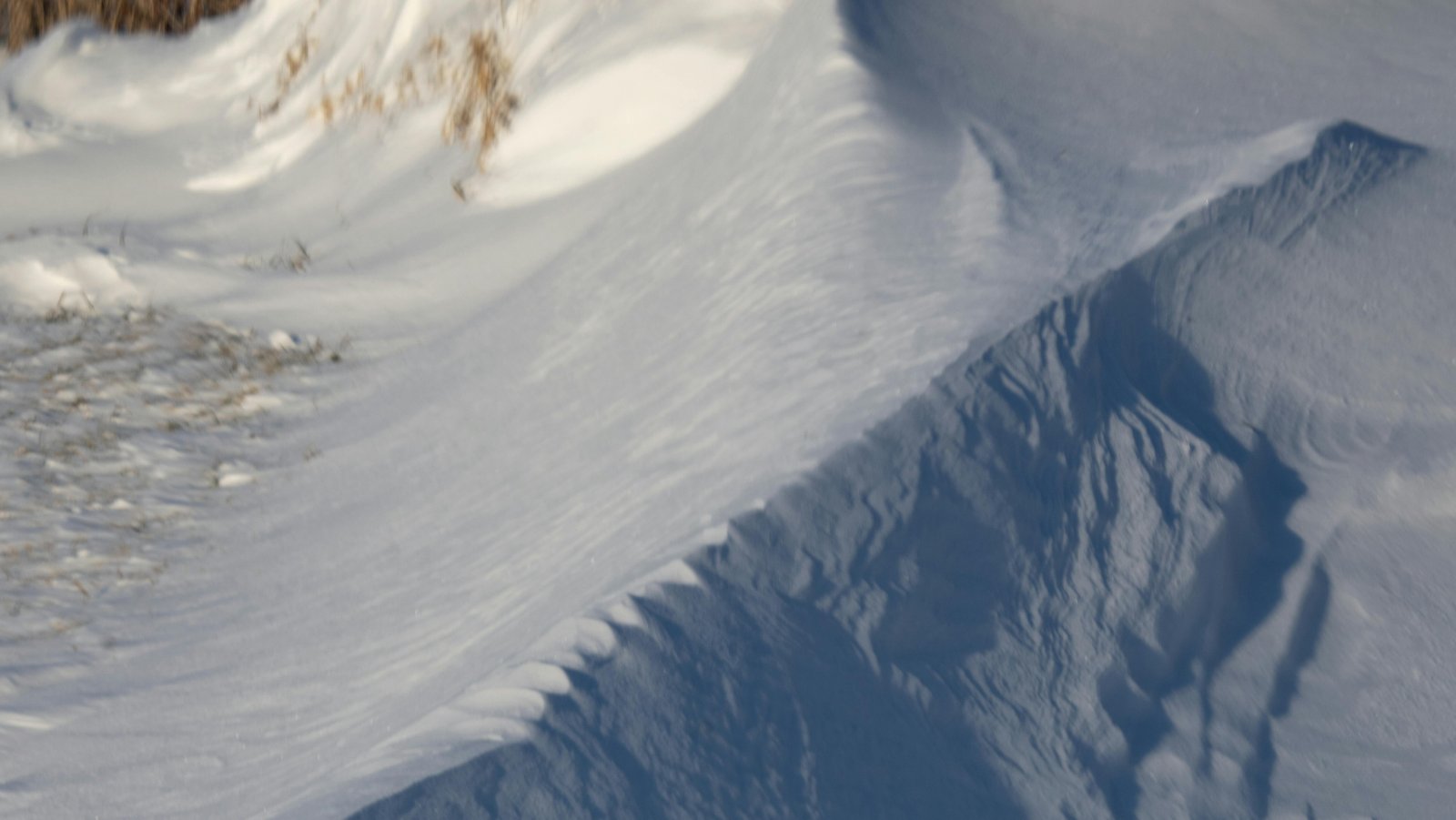
The technique involves rocking the car forward and back, shifting between drive and reverse in a rhythm that gradually builds momentum. You give it gas in short bursts, not long presses, because spinning the tires just digs you deeper. You know to turn the steering wheel straight, not angled, because angled wheels create a wall of snow that blocks forward motion.
Floor mats under the drive wheels provide traction on ice. Kitty litter works in a pinch. Sand from a bucket you keep in the trunk for exactly this purpose works best. You learned all of this by age 18, through a combination of personal experience and watching your parents do it.
The universal agreement in winter states is that you stop and help anyone stuck in a snowbank, no matter who they are or how late you are running. You push, they rock, and when the car breaks free, you both wave and move on without exchanging names. It is the social contract of winter, and violating it marks you as someone who should not be trusted.
7. You Have Eaten Maple Syrup on Snow

This is a regional marker that separates real winter people from everyone else. At some point in your childhood, someone boiled maple syrup, poured it in a thin line over clean packed snow, and you ate the resulting candy by rolling it onto a stick or fork. The syrup hardens on contact with the cold snow into a taffy-like strip that tastes like winter distilled into sugar.
In New England and parts of the upper Midwest, sugar-on-snow parties are a spring tradition that coincides with maple sugaring season. The event signals that winter is almost over and the sap is running, two facts that are equally celebrated.
People who did not grow up in syrup country find this practice mildly bizarre. People who did find it essential, a taste memory that connects them to childhood, to grandparents, and to a season that is as much about sweet rituals as it is about bitter cold.
8. You Have a Specific Memory of a Record-Setting Storm

Every real winter town has its legendary storm, the one measured not in inches but in feet, the one that closed everything for days and became a reference point for every storm that followed. “That was bad, but it was not as bad as the storm of whatever year.” The benchmark storm is different for every town, but every town has one.
Your memory of that storm is vivid. The height of the snow on the car. The drift that blocked the front door. The number of days school was closed. The way the neighborhood came together to dig out, sharing shovels and hot drinks and the quiet solidarity of people facing something bigger than any of them could handle alone.
You tell the story of that storm the way other generations tell war stories, with specific details that have been polished by years of retelling but remain essentially true. The storm happened, it was enormous, and you survived it. That is the story, and you will tell it to your children, and they will roll their eyes until they get their own storm to remember.
9. You Know That Wet Snow and Dry Snow Are Completely Different Things

Wet snow is heavy, packable, and perfect for snowmen. It sticks to everything, soaks through gloves in five minutes, and makes shoveling feel like lifting concrete. It falls in large flakes that clump together and can bring down tree branches and power lines with its weight. Wet snow is a back injury waiting to happen.
Dry snow is light, powdery, and impossible to make anything out of. It blows off surfaces like dust, squeaks under your boots when the temperature drops below zero, and shovels effortlessly because it weighs almost nothing. Dry snow is what skiers dream about and what Midwest residents get most often during the coldest months.
The difference matters for everything from driving to shoveling to deciding whether to brush off your car or scrape it. Real winter people read the snow type before they even step outside, judging by temperature, humidity, and the way the flakes look falling past the window. This is not meteorology. This is instinct developed over a childhood of paying attention.
10. You Have Hidden Inside Your Coat Like a Turtle

At some point during every brutal cold snap, you pulled the zipper of your coat up over your nose, tucked your chin into the collar, and shuffled forward like a bundled turtle trying to minimize the amount of skin exposed to wind. Breathing through the fabric of your coat created a warm, moist pocket that fogged your glasses and smelled like laundry detergent, but it was better than inhaling minus 20 air directly.
The turtle technique is universal across all winter states. Kids do it walking to the bus stop. Adults do it walking across parking lots. Nobody looks dignified doing it, and nobody cares, because dignity is a luxury that wind chill takes away before it takes anything else.
You learned to walk leaning forward into the wind, turning your back to gusts, and positioning yourself on the sheltered side of buildings. Wind management is a physical skill that winter people develop unconsciously, the way surfers read waves. You do not think about it. You just do it, because your body learned decades ago that wind is the enemy.
11. You Have Been Genuinely Impressed by a Parking Job in Snow
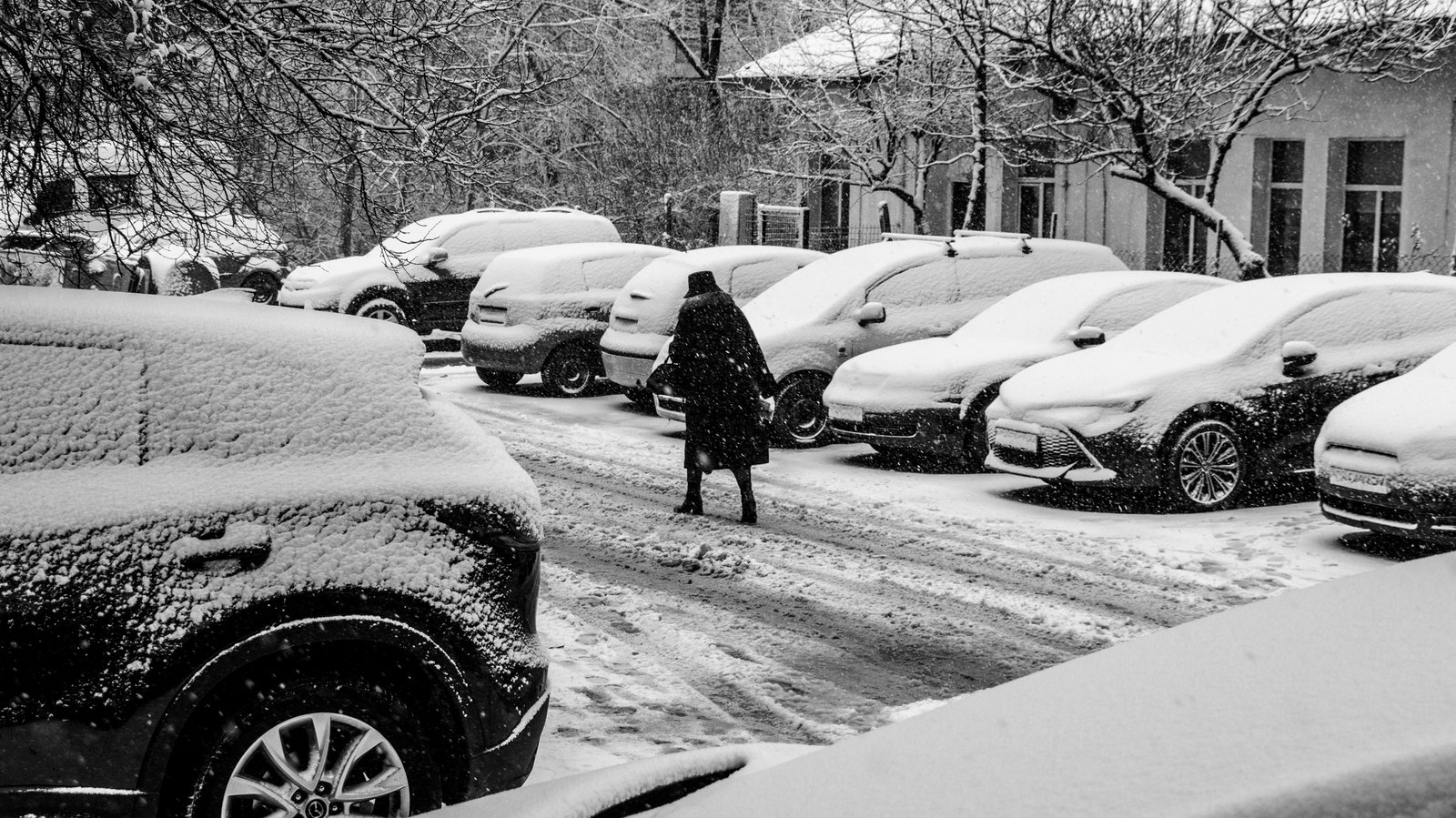
Parallel parking between snowbanks requires spatial awareness that goes beyond normal driving skills. The spaces are shorter because snow covers the curb and extends into the road. You cannot see the curb, so you guess based on experience and the location of the snowbank edge. Getting close enough without getting stuck requires a level of precision that driving instructors never teach.
The parking lot at the grocery store after a heavy snow becomes a free-for-all where the painted lines are invisible and everyone just parks wherever they fit. The result is a chaotic grid of vehicles at random angles, and somehow it works because everyone follows the same unwritten rules about leaving enough room to open a door.
You have spent genuine time admiring someone who parked perfectly between two snowbanks in a space that seemed too small. You have also silently judged someone who took up two spaces because they could not navigate the snow. Parking in winter is a skill, and the people who have it know it, and the people who do not are immediately visible to everyone around them.
12. Your Definition of a Snow Day Was Set in Childhood and Never Changed
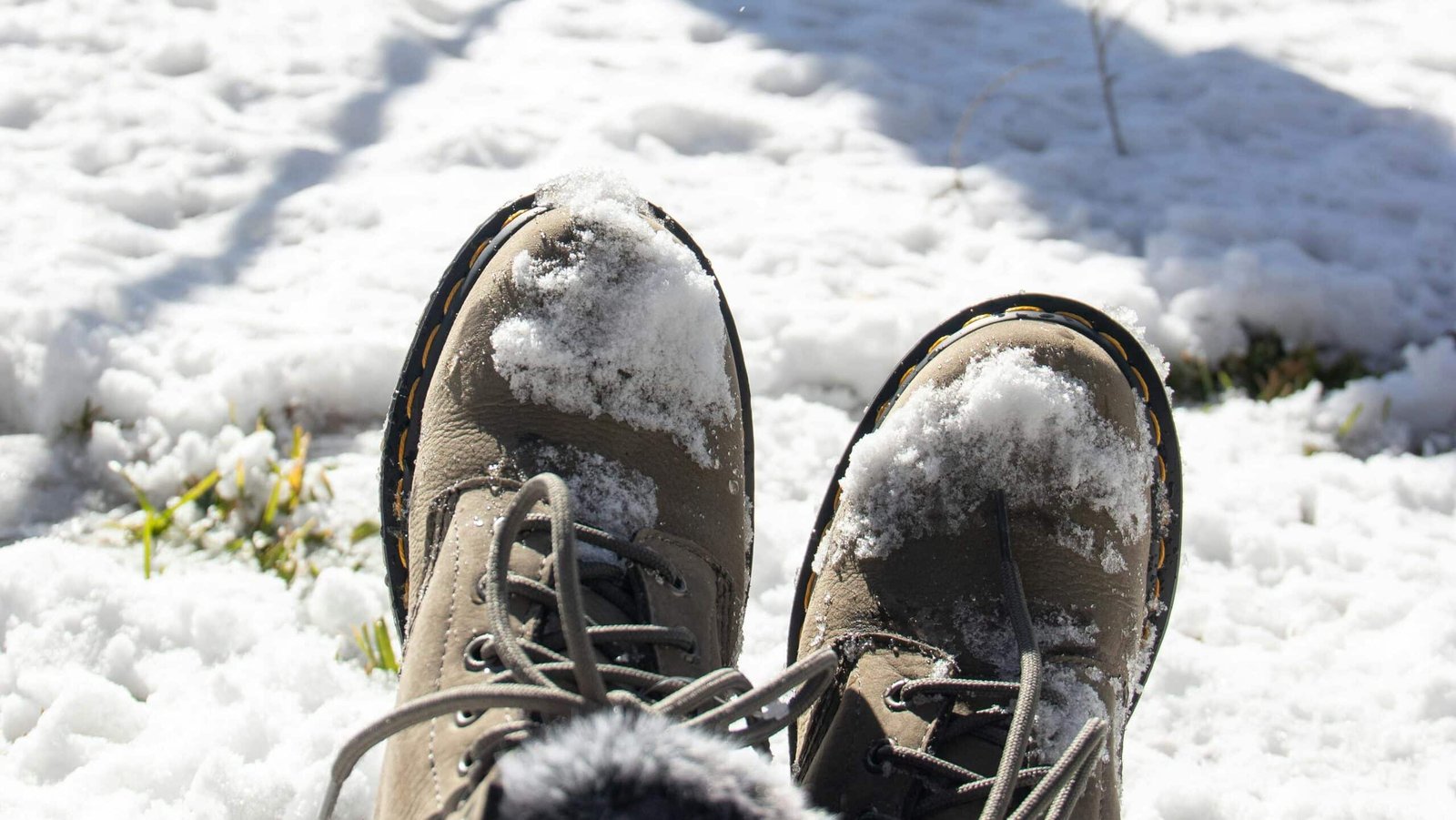
The threshold for a snow day where you grew up became your permanent standard for what constitutes serious snow. If your school closed at six inches, six inches feels like a real storm for the rest of your life. If your school stayed open at twelve inches, anything under a foot is just a normal winter day.
You carry this standard with you if you move. Southern states that close schools for two inches of snow produce genuine disbelief in transplants from the north. Northern transplants to the south spend every snow event explaining to their new neighbors that this amount of snow would not even register where they grew up.
The snow day standard is not rational. It is emotional. It is tied to the specific joy of waking up and hearing the school closing announcement, which was the purest happiness available to a child in winter. That memory sets a benchmark for snow seriousness that no amount of adult reasoning can override.
13. You Have Left the House in Layers and Come Home Carrying Half of Them

The morning commute required a heavy coat, hat, gloves, scarf, and boots. By afternoon, the temperature climbed 20 degrees, the sun came out, and you peeled off layers one by one until you were walking to your car carrying more clothing than you were wearing. The pile of discarded layers in the back seat of a winter person’s car is a permanent feature from November through March.
The reverse is equally common. You left the house in a light jacket because the morning felt mild, and by evening the temperature dropped 30 degrees and you sprinted to the car with your arms crossed and your teeth chattering, cursing your optimism.
Temperature swings in winter states teach you to prepare for conditions that do not exist when you leave the house. You keep a heavier coat in the car even on warm days. You keep gloves in the glove box year round. You learned that winter weather lies, and the only defense against its lies is redundancy.
14. You Know the Exact Spot on Your Street That Freezes First
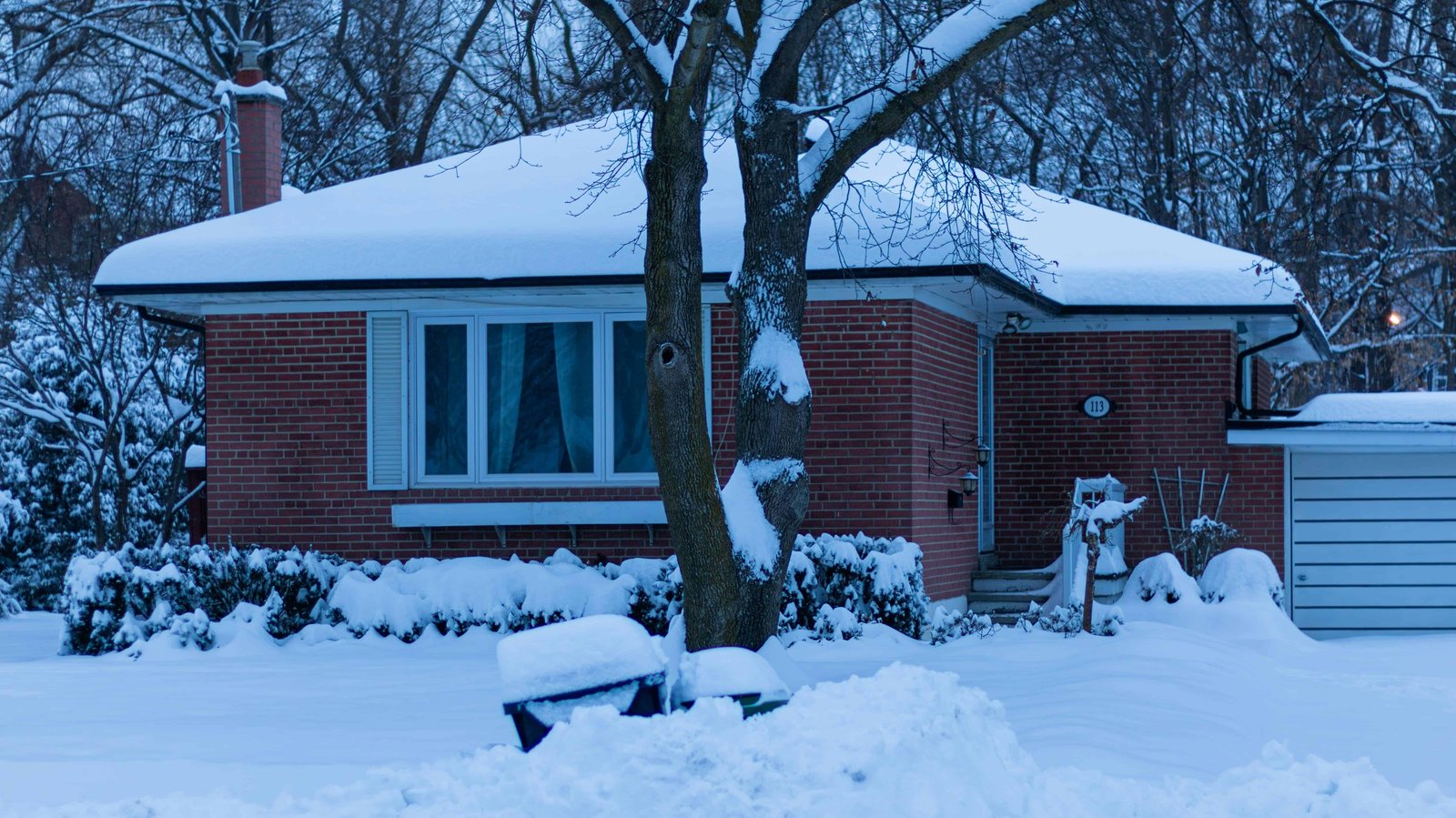
Every street in a winter town has a trouble spot. The shaded curve that ices over before everything else. The low point where water pools and freezes into a skating rink. The bridge that freezes before the road on either side of it. You know where these spots are because you have been driving past them since you were a passenger in your parents’ car, and you slow down at each one instinctively.
This knowledge is hyperlocal. You know your street, your commute route, and the parking lot at work. You know which lane on the highway ices first (the left lane, always the left lane, because the right lane gets more tire traffic that warms the pavement). You know that the north-facing hill on your way home refreezes after sunset even when the rest of the road is clear.
When you move to a new town, the first winter is spent mapping these spots through trial and error, which usually means sliding once on each one before committing it to memory. Winter driving is a geography lesson as much as a skill lesson, and the map in your head is more valuable than any weather forecast.
15. You Feel a Little Sorry for People Who Never Had a Real Winter
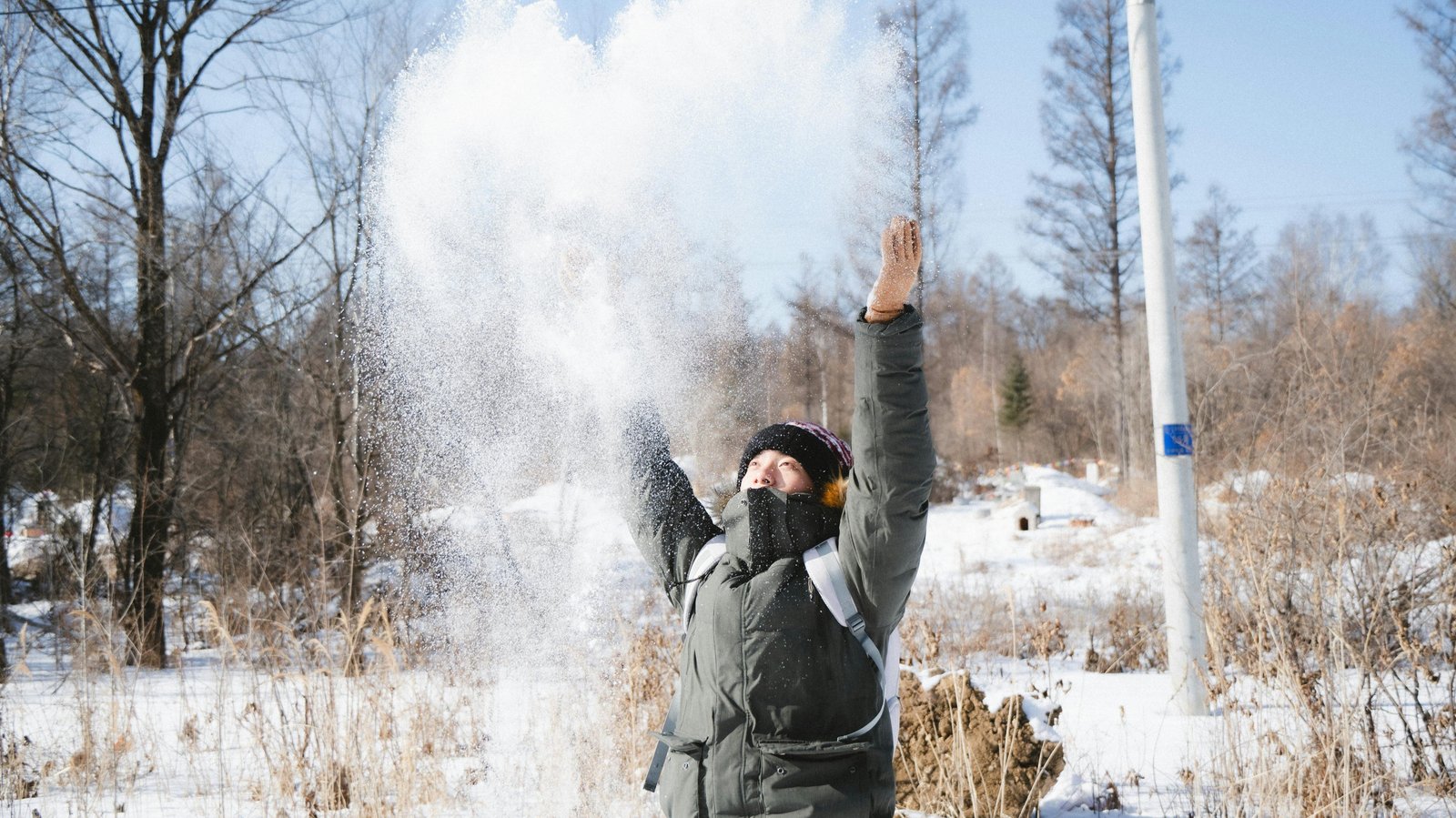
This is the quiet truth that real winter people rarely say out loud. For all the complaining, all the shoveling, all the frozen mornings and salt-stained boots, you would not trade the experience for year-round warmth. Winter gave you something that permanent sunshine cannot: the understanding that difficult conditions build character, that communities pull together when the weather gets hard, and that spring feels miraculous only if you have earned it through months of cold.
You feel a little sorry for people who have never caught snowflakes on their tongue, built a snow fort that lasted until March, or experienced the specific silence of a neighborhood under fresh snow at midnight. You feel sorry for people who have never known the relief of the first warm day, because they have never known the opposite.
Winter people carry their seasons with them. The cold is in their reflexes, their wardrobe, and their conversation. It shows up in how they drive, how they prepare, and how they help their neighbors. And when someone from a warm state says they could never live somewhere with real winters, a small part of you thinks, “I know. That is what makes us different.” But you say nothing, because bragging about winter tolerance is not something you do. You just zip up your coat and walk into the cold, the way you always have.