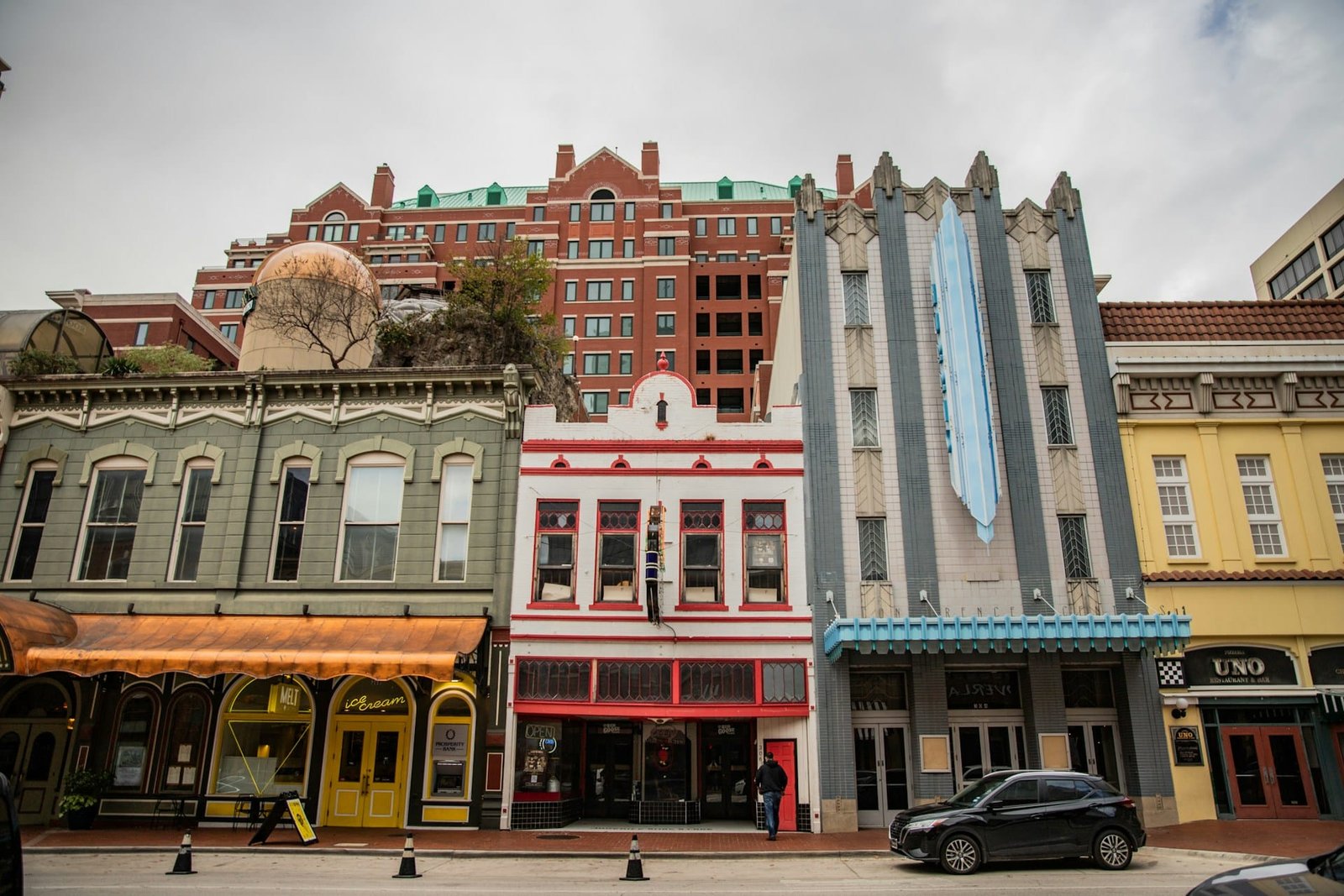
Growing up in the American South means absorbing a collection of habits, expressions, and rituals that seem normal until you leave and discover that the rest of the country has no idea what you are talking about. The South has its own rhythms, its own vocabulary, and its own ways of handling everything from hot weather to holiday meals to dinner-table etiquette. Some of it is regional folklore. Some of it is practical wisdom developed over generations of dealing with heat, humidity, hurricanes, and the particular social complexity of small-town life below the Mason-Dixon Line.
The South is not one monolithic place. The Low Country of South Carolina is not the Delta of Mississippi, and Appalachian mountain culture differs significantly from Gulf Coast traditions. But there are commonalities that run across the region, shared experiences that anyone who grew up between Virginia and Texas will recognize immediately. These are the things that your Yankee college roommates questioned, the things that required explaining to in-laws from Ohio, the things that define a particular kind of childhood.
What follows are fifteen things that will make sense to anyone who grew up in the South and will likely require translation for anyone who did not. Some of them are about weather. Some are about food. Some are about the particular social codes that shape how Southerners handle everything from condolences to casseroles. If you grew up hearing any of these, you are not alone.
Calling All Soft Drinks “Coke”

In most of the South, “Coke” functions as a generic term for any carbonated soft drink, not just the specific product made by the Coca-Cola Company. Walking into a Southern kitchen and asking for a Coke typically prompts the question “What kind?” at which point you specify that you want a Dr Pepper, a Sprite, a Mountain Dew, or perhaps an actual Coca-Cola. The usage makes perfect sense to Southerners and confuses almost everyone else, who divide the country between “pop” and “soda” territory with only the South using “Coke” as the generic term.
The origin of the usage traces to the headquarters of Coca-Cola in Atlanta and the brand’s early dominance throughout the South. By the time other soft drinks gained market share, “Coke” had already become embedded as the generic term in Southern speech patterns. The usage survives despite decades of marketing campaigns by other brands, which gives some indication of how thoroughly it was absorbed into regional vocabulary. Linguistic surveys consistently show the South as a distinct “Coke” zone on the soft drink terminology map, separate from the Northeast’s “soda” and the Midwest’s “pop.”
The practical implication is that asking “What do you want to drink?” at a Southern gathering may be followed by “I’ll have a Coke,” which requires the follow-up question “What kind?” For non-Southerners attending Southern family functions, understanding this convention prevents the confusion of being handed an unexpected Sprite when you thought you were ordering Coca-Cola. The usage is one of the most reliable markers of Southern speech, and many Southerners who move away find themselves slipping back into it whenever they return home.
The Sacred Status of Sweet Tea
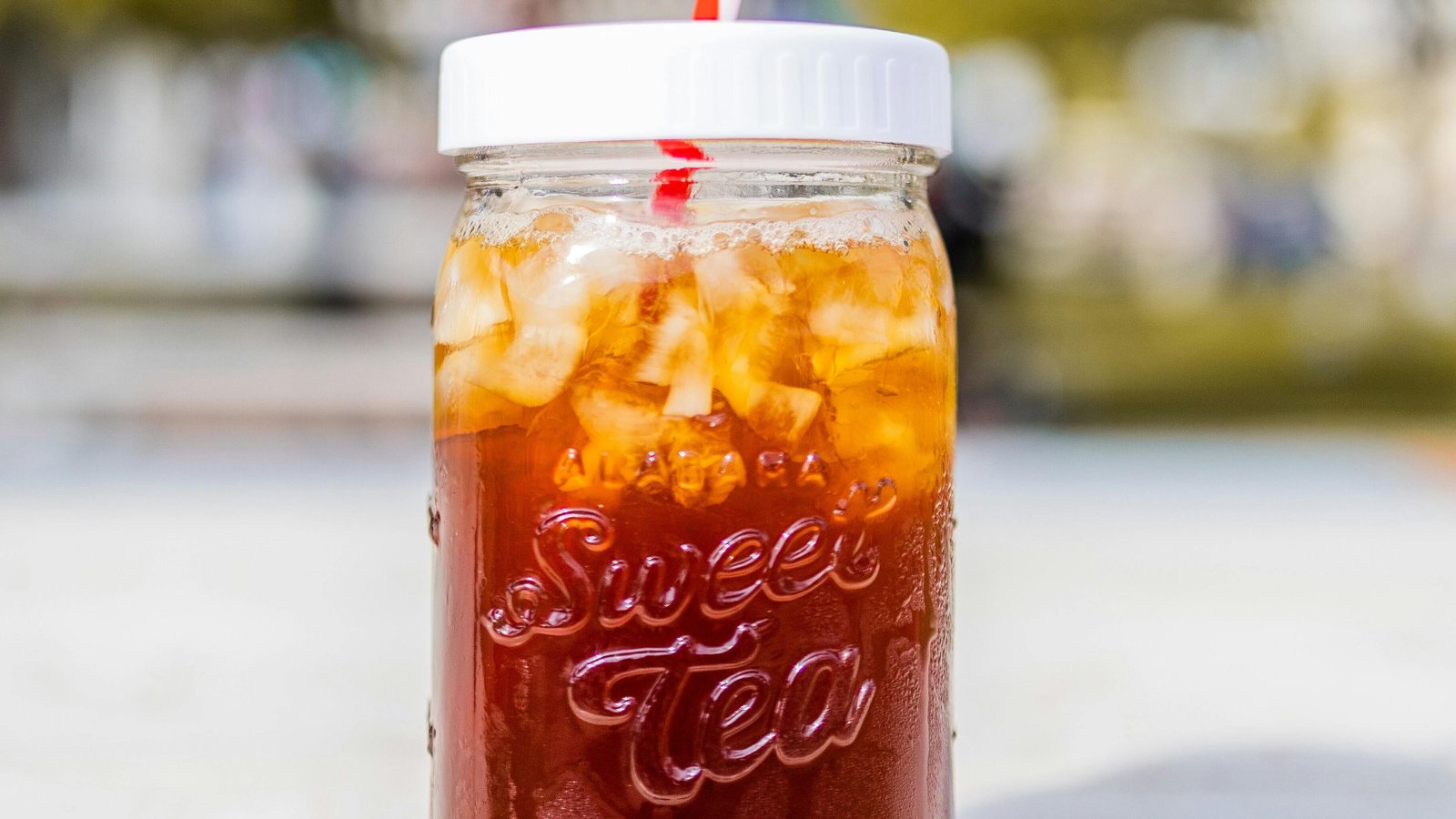
Sweet tea in the South is not a drink. It is a cultural institution, a standard of hospitality, and a test of whether a restaurant is operating correctly. Real sweet tea is brewed strong, sweetened while still hot (which allows the sugar to fully dissolve), and served over ice in glasses large enough to require two hands. The sweetness level is substantial, often startling to non-Southerners who grew up with unsweetened iced tea, but the combination of strong tea flavor and heavy sweetness is precisely the point.
The reason sweet tea exists, and why it developed specifically in the South, relates directly to the region’s climate. The heavy sweetness provides quick energy for people working in punishing heat and humidity. The cold temperature offers immediate relief. The caffeine in strong tea helps with the fatigue that hot weather produces. For generations of Southerners who worked outdoors or lacked air conditioning, sweet tea was not a treat but a practical necessity, and the traditions around its preparation and service reflect centuries of accumulated experience.
Restaurants in the South that do not offer sweet tea, or that offer it poorly, invite genuine judgment from locals. The tea must be strong, not weak. The sweetness level must be substantial, not tentative. The ice must be abundant. The glass must be refilled regularly without being asked. A good sweet tea glass should be heavy with condensation and the straw should be long enough to navigate the ice. Many restaurant chains that expanded into the South have had to adjust their tea practices to meet local expectations, and establishments that fail to do so lose business to those that take the beverage seriously.
Bless Your Heart (and All Its Meanings)

“Bless your heart” is the most linguistically versatile phrase in the Southern vocabulary, and its meaning depends entirely on context, tone, and the relationship between speaker and listener. At its surface, it sounds like a simple expression of sympathy or affection. In practice, it can mean anything from genuine condolence to mild pity to barely disguised insult. Non-Southerners often take the phrase at face value, missing the full range of its actual usage.
When directed at a child who has fallen, “bless your heart” is simple sympathy. When said to someone who has just shared genuinely difficult news, it expresses care. But when used in response to a story about someone’s unwise decision or unfortunate circumstance, “bless her heart” can function as a polite way of saying the person is an idiot, without technically being rude. “Well, bless his heart, he tried his best” about a man who failed spectacularly at something obvious is gently devastating. The phrase provides Southern speakers with a way to express negative judgment while maintaining the surface politeness that Southern social codes require.
The phrase also serves as a social lubricant in difficult conversations. It can introduce a critical comment, soften a disagreement, or signal that the speaker is acknowledging but not endorsing what someone has done. Native Southerners develop an ear for the subtle variations, and the context of the usage determines the meaning. The phrase has become widely recognized even outside the South, but the nuances of its actual usage often remain opaque to non-native speakers. It is one of the clearest markers of genuine Southern cultural fluency.
Preparing for Hurricane Season Every Summer

In coastal Southern states, hurricane preparation is an annual ritual that begins in late spring and intensifies through the summer and early fall. Stocking water, non-perishable food, batteries, and emergency supplies becomes an ongoing background task rather than a reactive one. Knowing which stores have generators in stock, where to find the most reliable weather updates, and how to board up windows quickly are skills that Southern coastal residents develop by necessity. The routine feels normal to anyone who has lived through even a few storms.
The social dimension of hurricane preparation is also distinctly Southern. Neighbors help neighbors board up houses, check on elderly relatives, and offer shelter to those whose homes are vulnerable. Extended family networks activate for evacuations, with inland relatives automatically offering accommodations when storms threaten. Businesses in coastal areas have protocols for closing, protecting property, and reopening that are practiced repeatedly. The shared experience of weathering storms, often literally, creates bonds that outsiders often underestimate.
The psychology of hurricane season also shapes Southern life in ways that non-coastal residents rarely appreciate. The anxiety during tracking, the relief when storms miss, the solidarity when they hit, and the long recovery after major events are all parts of the annual cycle. Hurricane parties, where neighbors gather to ride out storms together, are a peculiar but genuine Southern tradition that reflects the human need for community during frightening weather. The combination of preparation, watching, and recovery is so embedded in Southern coastal life that those who grow up with it often struggle to explain its weight to those who have never lived through it.
Knowing When to Say “Sir” and “Ma’am”
Addressing adults as “sir” and “ma’am” is so deeply embedded in Southern upbringing that native Southerners often do not realize they are doing it. The usage continues well into adulthood, with Southern professionals saying “sir” to clients, “ma’am” to customers, and using both terms with older strangers as default politeness. The habit is not affected or performative but simply automatic, and visitors to the South are often taken aback by the consistency of the usage.
The function is not just social hierarchy, though that is part of it. The terms establish respect without requiring intimate knowledge of the other person. They provide a default polite address that works across situations where first names might be inappropriate. They signal good upbringing, which in the South still carries significant weight. Children in particular are taught to use the terms with adults as a sign of being raised right, and failing to do so can result in corrections that shape future behavior.
The regional variation in “sir” and “ma’am” usage is striking. Southerners who move to other parts of the country often find that their use of the terms reads as either overly formal or sarcastic to non-Southern listeners. The reverse is also true: non-Southerners who move to the South sometimes need to explicitly teach their children the usage because it is expected in Southern schools and social settings. The tradition has softened somewhat in younger generations, but it remains a clear marker of Southern cultural background that shows up in unexpected contexts.
Taking Food to Funerals
When someone dies in the South, food begins arriving at the family’s house immediately. Casseroles, fried chicken, potato salad, cakes, pies, and entire meals appear on doorsteps and in kitchens, delivered by neighbors, church members, and extended family who understand that grieving families cannot cook. The tradition is so established that funeral homes and churches often coordinate the food deliveries to prevent overwhelming amounts of certain dishes from arriving simultaneously.
The specific foods reflect Southern food culture at its most traditional. Funeral foods are typically comfort foods that reheat well, feed multiple people, and do not require attention. Casseroles of every description, from chicken and rice to hash brown to sweet potato, are standard. Fried chicken, either homemade or picked up from a reliable local spot, is nearly universal. Baked goods, particularly pound cakes and pies, accompany the savory dishes. The food serves practical purposes, but it also signals community care in ways that verbal condolences alone cannot.
The social etiquette around funeral food is specific and understood by Southerners without needing explanation. The container should be disposable if possible, or clearly labeled with the owner’s name and phone number. A note with the name of the deliverer should accompany the food. The family is expected to accept the food graciously, often with genuine gratitude but sometimes with the understanding that the quantity will be overwhelming. The tradition survives even in the most urbanized Southern cities, where neighbors may otherwise barely know each other but still show up with food when someone dies.
Understanding That Weather Can Cancel Everything
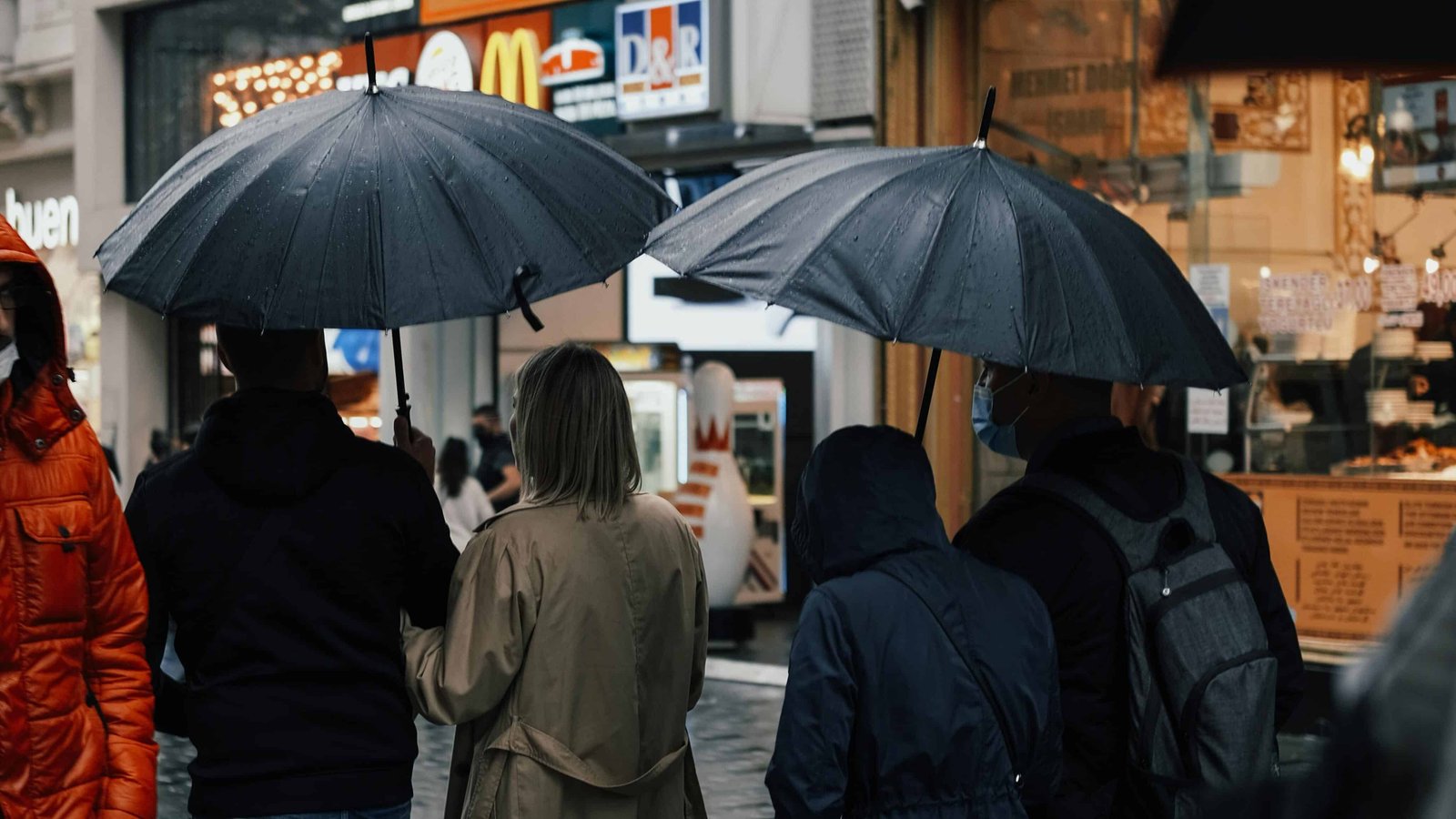
Southern weather, particularly ice storms, winter weather, and severe thunderstorms, can cancel school, work, and social functions on short notice in ways that outside observers sometimes find excessive. A quarter inch of ice on roads can shut down a major metropolitan area for a day or more. The jokes about Southerners being unable to drive in snow have some truth to them, but the reality is more nuanced. The infrastructure in most Southern cities is not designed for winter weather because it is genuinely rare, and when it happens, the disruption is genuine.
The response to weather threats in the South is generally to cancel first and reassess later, which Northerners sometimes mock. But the cancellation is based on practical realities: untreated roads, vehicles without snow tires, drivers with no experience on ice, and infrastructure that cannot quickly mobilize for rare weather events. Entire supply chains for cold-weather equipment simply do not exist in most Southern cities. When ice or snow does arrive, preparation is often limited to grocery store runs for bread and milk, which has become its own Southern tradition regardless of whether the foods are actually the most sensible storm supplies.
Severe thunderstorms and tornado warnings produce different but equally serious responses. Southerners in tornado-prone areas take warnings seriously, moving to interior rooms, monitoring weather broadcasts obsessively during active warnings, and staying in touch with family members until the threat passes. The annual tornado season produces weeks of weather-focused attention that non-Southern observers find surprising in its intensity. But the reality of tornadoes moving through small towns, the photographs of destruction, and the personal stories of losses shape Southern attitudes toward severe weather in ways that seem extreme only to those who have not experienced them.
The Seriousness of the Humidity

Southerners will argue about whether it is the heat or the humidity that matters more, and the answer, as anyone who has lived through a Gulf Coast August knows, is that they work together. Temperatures in the low 90s with humidity above 80 percent produce heat index values that functionally mean you cannot spend extended time outdoors without risking heat illness. The humidity is not metaphorical. It is a physical barrier to the body’s cooling mechanisms, reducing the effectiveness of sweating and making the same temperature feel dramatically worse than it would in drier air.
The cultural accommodations to Southern humidity are numerous. Air conditioning became standard in the South earlier and more completely than in many other regions because life without it was genuinely miserable. Clothing choices during summer emphasize breathable fabrics and loose fits. Outdoor work and exercise shift to the early morning or late evening hours when possible. Parking in shade is not a preference but a practical decision about whether your car interior will be survivable when you return. Midday visits to outdoor attractions are often avoided in favor of cooler morning and evening hours.
The physiological adaptation to humidity is also real. Native Southerners who have never lived elsewhere often handle local heat better than transplants from drier climates, though the difference is more about behavioral adaptation than physical adaptation. Visitors from the Northeast and Midwest who arrive in July and August for the first time often underestimate what the combination of heat and humidity can do, and some require time to adjust even with adequate hydration and precautions. The Southern understanding of humidity as a serious climate factor rather than a minor inconvenience reflects accumulated generations of living with it.
Friday Night Football as Community Center

In much of the South, high school football on Friday nights is not just a sport. It is the primary community gathering of the week, a social hub where entire towns meet, eat, visit, and watch their young people compete. The ritual includes pregame tailgating, halftime shows by marching bands that take themselves very seriously, concession stands selling hot dogs and nachos, and the kind of inter-generational mixing that shrinking community institutions elsewhere have largely lost. For many small Southern towns, the football team’s fortunes are a weekly topic of conversation at coffee shops, churches, and hair salons.
The investment in high school football, both financial and emotional, sometimes surprises outsiders. Stadium facilities in some Texas and Alabama high schools rival college venues. The coaches are public figures whose job security depends on winning. The players are local celebrities whose performances are discussed in detail long after their high school careers end. The bands, cheerleaders, and dance teams have their own competitive rituals and local followings. The total weekly production represents a major civic effort sustained across the entire community.
The social function of Friday night football extends well beyond the game itself. Business is conducted in the parking lot before kickoff. Political aspirations are floated in the stands. Romances begin and end at the games. High school reunions essentially happen every Friday night when alumni return to watch the new team. For people who did not grow up in Southern football culture, the depth of investment in what is technically amateur youth sports can be difficult to understand. For those who did, Friday nights from August through November are simply what fall means, and the absence of the rhythm is one of the things Southerners miss most when they move elsewhere.
The Proper Way to Address Adult Friends of Your Parents

Southern children are often taught to address adult friends of their parents as “Mr.” or “Miss” followed by the first name, a convention that splits the difference between the formality of using last names and the inappropriateness of using first names alone. “Miss Jennifer” and “Mr. David” are typical examples. The usage creates a distinctive category that acknowledges the adult’s status without requiring the distance of full formal address. The convention is distinctly Southern and often surprises non-Southerners who encounter it.
The function is social nuance that other regions handle less elegantly. Using first names alone is too familiar for adults your parents’ age. Using “Mr. Smith” or “Mrs. Johnson” is too formal for close family friends. The “Miss Jennifer” construction threads this needle by acknowledging adult status while preserving the warmth of first-name address. The usage continues well into adulthood, with Southerners in their thirties and forties still using “Miss [first name]” for close family friends of their parents, particularly women.
The convention extends beyond just parental friends. Teachers, church members, neighbors, and other adults in a child’s life often receive this treatment. In some Southern communities, the usage continues even after the children are adults themselves, creating a permanent asymmetry in address that marks the generational relationship. The practice has softened in some younger Southern families, but it remains common enough that non-Southerners who move South with young children often adopt it to help their children fit into the social expectations of local schools and neighborhoods.
Every Church Has Its Own Potluck Traditions
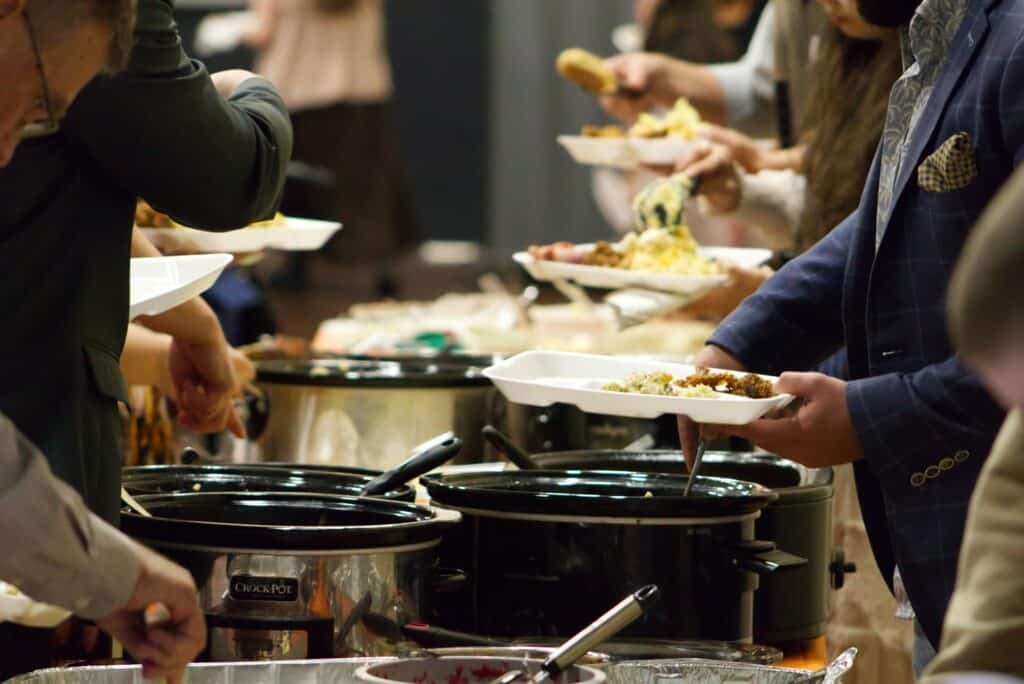
Church potlucks, sometimes called dinner on the grounds or covered dish suppers, are a central Southern institution, and each congregation has its own unwritten rules about what to bring, what to expect, and how to navigate the buffet. The regular contributors and their signature dishes are known to the entire congregation. The first-time visitor who brings something unexpected becomes the subject of gentle discussion for weeks. The unwritten hierarchy among the best cooks is understood without being formally acknowledged.
The food at church potlucks represents Southern cooking at its most traditional and most accomplished. Fried chicken from church-lady competitors who have been perfecting their recipes for decades. Casseroles featuring combinations of ingredients that sound impossible but taste wonderful. Pound cakes, pecan pies, and banana puddings that have become personal brands for their makers. The dishes often appear at every potluck for years, with the same women bringing the same items, not because they are required to but because those are their contributions to the community. Substituting one of these standard dishes with something new is a minor but noted change.
The social dynamics of potlucks extend beyond the food. The order of line formation often follows unspoken conventions about seniority, visitors, and children. Conversations happen at tables that mix generations and family groups. Church business, social news, and local gossip all move through the potluck setting. For people who grew up attending these events, the combination of food, community, and ritual shapes their understanding of what church life means. For visitors, the friendliness of the welcome and the quality of the food can be genuinely impressive, though the depth of the social structure may only reveal itself over multiple visits.
Waving at Every Car You Pass on a Country Road

Driving on rural Southern roads includes a social obligation that urban Southerners and non-Southerners often find surprising: you wave at every car you pass. The wave is usually a simple lift of the fingers from the steering wheel, acknowledgment rather than greeting, but it is not optional in many rural areas. Failing to wave marks you as an outsider or as rude, and the social consequences in small communities where everyone knows who drives what vehicle can be real.
The origin of the practice traces to the rural South’s historically low population density, where passing another car on a country road was relatively rare and likely involved a neighbor. The wave served as acknowledgment that you recognized each other as members of the same community. Even when the passing drivers were strangers, the wave established that they were at least part of the same geographic region and shared the same backroad. The practice persists even as rural areas have become more populated, becoming a cultural habit rather than a practical necessity.
The specific form of the wave varies. The steering wheel finger lift is the most common, requiring the least effort. A full hand raise is more formal and typically reserved for known neighbors or people recognized from the community. Some drivers use a two-finger salute that is reminiscent of military acknowledgment. The wave returned after a receiver’s wave is standard politeness. Failing to return a wave is considered more offensive than not initiating one. For non-Southerners driving rural Southern roads, learning to wave takes conscious effort at first but becomes automatic after a few hundred miles of practice.
Knowing Your Place at the Dinner Table
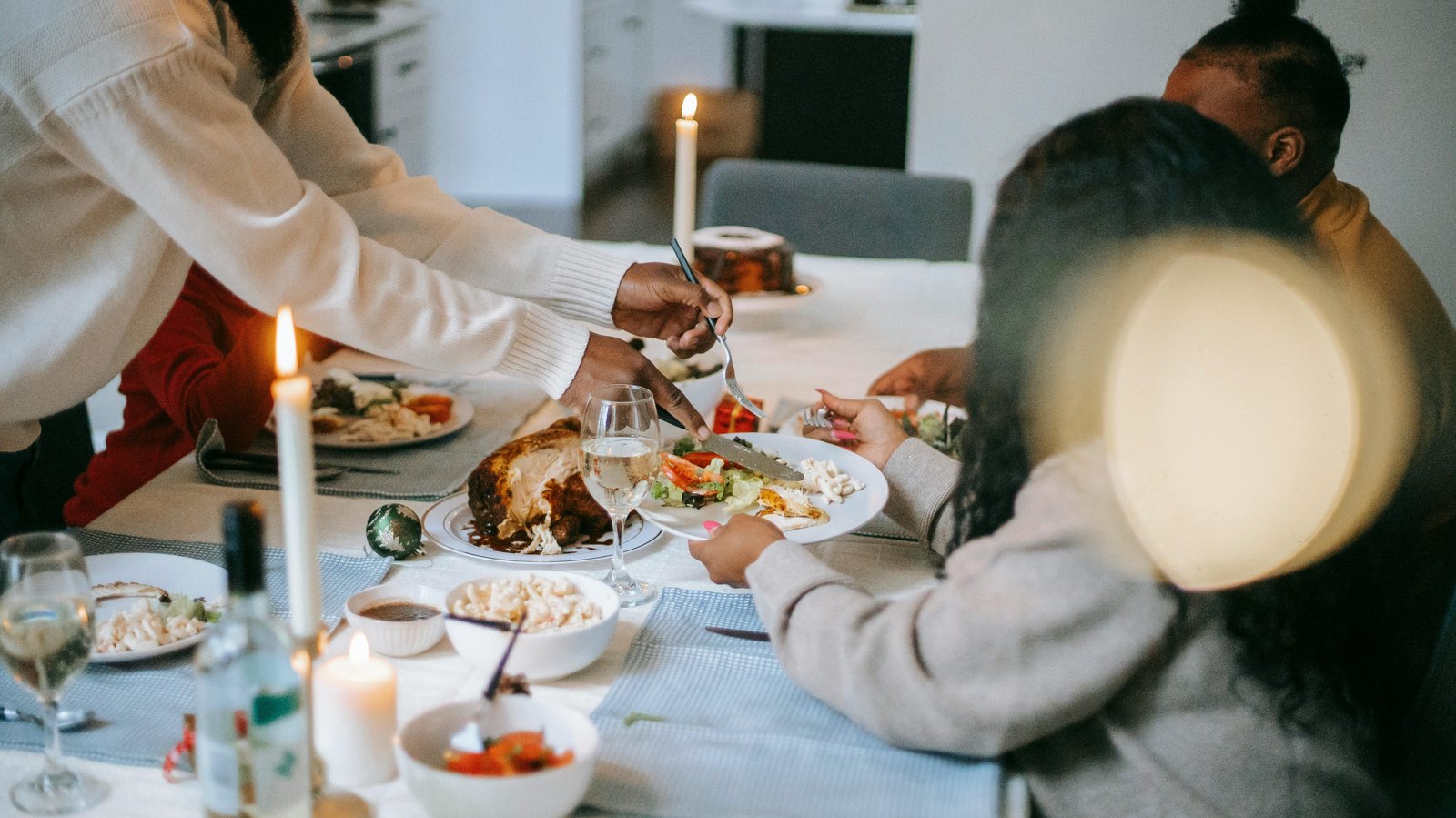
Southern family dinners have traditional seating arrangements that are observed even without explicit enforcement. The head of the table is usually reserved for the oldest male family member present or the host. Children sit in specific positions that often persist well into adulthood. Guests are seated in places that honor them without displacing the established family order. The arrangements reflect both hierarchy and affection, with positions communicating relationship and status.
The rituals around the meal itself are equally specific. Grace is said before meals in most traditional Southern households, with either the host, a designated family member, or a volunteer offering the prayer. Children are expected to wait for adults to begin eating. Passing food rather than reaching across the table is standard practice. Complimenting the cook is expected, often multiple times throughout the meal. Second helpings are offered generously and often pressed on guests who initially decline. The formality level varies by family but the patterns are recognizable across Southern dining culture.
The Sunday dinner tradition remains alive in many Southern families, even as weekly family meals have declined nationally. The meal typically features multiple courses, extended family members, and an investment of time and effort that distinguishes it from weekday eating. Sunday dinners often run for hours, with the actual food being the occasion for conversation, storytelling, and family business. The practice has declined in urban Southern areas but persists strongly in rural and small-town communities, and the return home for Sunday dinner remains a weekly ritual for many adult Southerners who live within driving distance of their parents.
Respecting the Front Porch
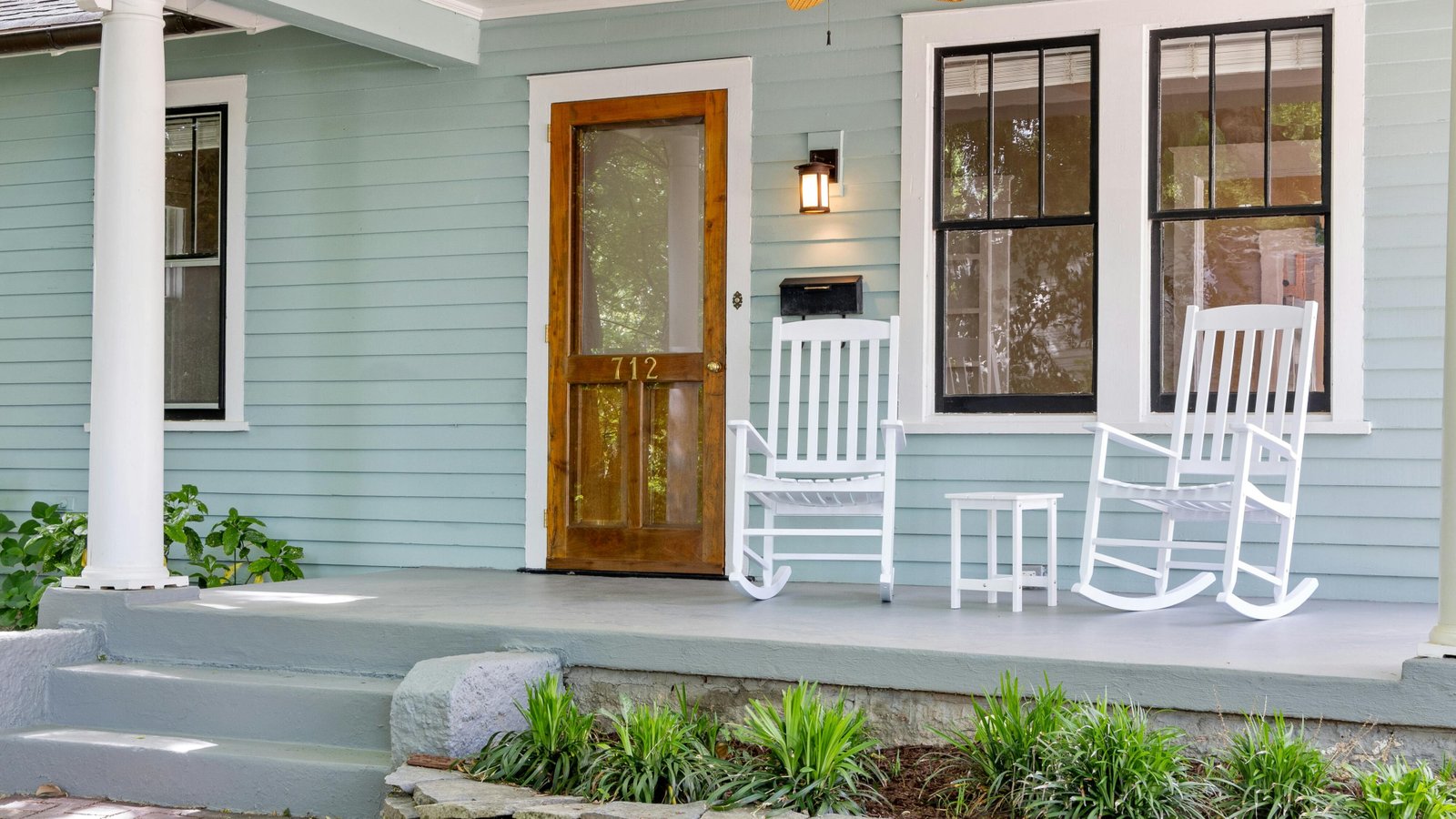
The Southern front porch is a specific kind of social space with its own rules and functions that other regions often lack. The porch is where neighbors are greeted as they pass, where visitors are received before being invited inside, where the weather is observed and discussed, and where the evening is spent during the long summer months when indoor heat makes the porch the most comfortable room in the house. The front porch is both private and public, a space that belongs to the homeowner but participates in the life of the street.
The furniture on a proper Southern porch is specific. Rocking chairs are standard, often in multiple styles and conditions. Swings hanging from the ceiling are common. Small tables hold iced tea glasses, newspapers, and the occasional lamp for evening reading. Ceiling fans circulate the thick summer air. The overall aesthetic is functional and comfortable rather than curated, with the understanding that the porch is a place for lingering rather than display. New-build Southern houses sometimes replace front porches with decks or patios in the back, a shift that longtime residents view with suspicion.
The social function of the porch extends beyond private use. Conversations begin with neighbors passing on the sidewalk. News spreads through the neighborhood when the people sitting on porches share it. Children play in the yard in view of porch-sitting parents. Evening visits happen naturally when someone walks up to find people already settled on the porch. The practice has declined significantly with air conditioning and television, but in communities where the tradition survives, the front porch remains one of the most distinctive features of Southern life and one of the things that Southerners who move away miss most acutely.
How Sunday Is Actually Observed
In the South, Sunday morning is still church time for a significant portion of the population, and the social expectation of Sunday church attendance shapes the week in ways that outsiders often underestimate. Businesses in many Southern small towns close or operate with limited hours on Sundays. Sunday morning traffic is light. Restaurants that serve the church crowd after services experience predictable surges at specific times. The broader culture builds around the assumption that Sunday morning has a particular character that Saturday does not share.
The specifics of Sunday observance vary by family and denomination, but certain patterns are widespread. Church attendance is morning, usually with services lasting an hour or more depending on tradition. Church clothes are distinct from everyday wear, even in denominations that have relaxed their dress codes. The Sunday meal after church is often more elaborate than weekday meals, whether at home or at a restaurant. Afternoon visiting with family and extended family is common. Evening church services, while less common than they once were, still occur in some traditions.
The expectation that Sunday is different affects even Southerners who do not attend church. Lawn mowers are not run early Sunday morning out of respect for those who are resting or dressing for church. Loud gatherings are scheduled for Saturday nights rather than Sundays. Commercial activity that is normal during the week feels slightly off-brand on Sunday. For transplants from regions where Sunday is just another day, the rhythm can take time to absorb. The pattern has softened considerably in urban areas but remains strong in smaller Southern communities where the church is still at the center of social life.
What These Things Add Up To
None of these individual traits defines the South by themselves. What makes them distinctively Southern is how they combine with each other, reinforcing a particular way of living that emphasizes community, tradition, hospitality, and accommodation to a climate and history that shaped the region over generations. The South is changing, as it always has, and younger Southerners may carry fewer of these traditions than their parents and grandparents did. But the patterns remain recognizable, and people who grew up with them often find themselves returning to the practices even after years in other regions.
The things that only make sense if you grew up in the South also reveal what Southerners lose when they leave. The casseroles that appear when someone dies. The neighbors who know your car. The waves on country roads. The sweet tea that tastes right only when made a certain way. The humidity that forces a kind of slowness on summer afternoons. The evening porches where time moves differently than it does inside. These are not just regional quirks. They are the accumulated habits of a particular way of organizing life, and for those who grew up within them, they represent something like home in a way that geography alone cannot fully explain.