
When the thermometer climbs into dangerous territory, what you eat matters more than most people realize. Heat waves are not just uncomfortable. They are a genuine physiological challenge, and the body’s ability to maintain temperature, hydration, and electrolyte balance under thermal stress depends significantly on food choices. The wrong foods amplify the heat’s effects. The right ones provide the water, minerals, and nutrients the body needs to keep functioning when the air outside feels like an oven.
Heat-related illness progresses on a spectrum from mild discomfort through heat exhaustion to heat stroke, and the dividing line between manageable and dangerous often comes down to how well hydrated and mineral-balanced the body is before the exposure begins. Drinking water is necessary but not sufficient. The body also needs the electrolytes lost through sweat, the antioxidants that help manage oxidative stress from heat, and the digestive ease that prevents additional thermal load from heavy meals.
This list covers eighteen foods that work with your body during heat waves rather than against it. Some are obvious, like watermelon. Others, like yogurt and fermented foods, are less commonly recognized for their heat-wave benefits. Each entry explains why the food helps and how to incorporate it practically. If you have ever felt worse after lunch on a hot day, this list is for you.
Watermelon
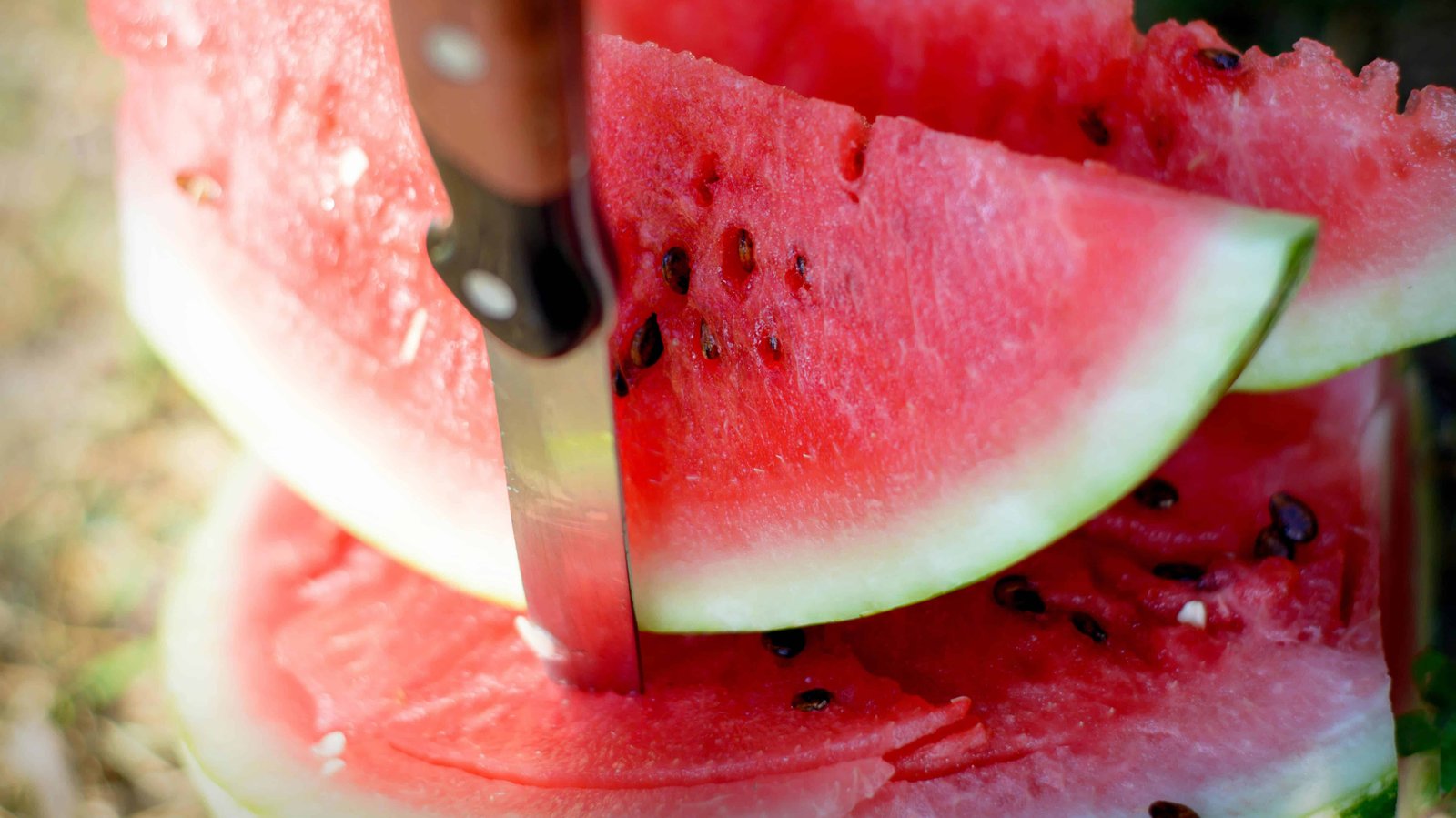
Watermelon is about 92 percent water by weight, making it one of the most hydrating foods available. But the benefits go beyond simple water content. Watermelon contains electrolytes including potassium and magnesium, both of which are lost through sweat and necessary for maintaining fluid balance. The natural sugars provide quick energy without the digestive burden of heavier foods. And the lycopene in the red flesh is a powerful antioxidant that may help protect cells from the oxidative stress that heat exposure produces.
The cooling effect of eating watermelon goes beyond its temperature. The high water content and the fiber together support efficient hydration over several hours, unlike plain water which can pass through the system quickly. The natural potassium content makes watermelon particularly valuable for people who are active in heat, since potassium loss through heavy sweating can contribute to muscle cramps and cardiovascular strain.
Practical incorporation is simple. Cubed watermelon can be eaten as a snack, blended into smoothies, or added to salads. The rind is edible and contains additional nutrients, though the texture requires pickling or cooking to be palatable. Watermelon juice, either store-bought or freshly made, provides concentrated hydration for recovery after heat exposure. Keeping watermelon chilled in the refrigerator makes it instantly available during hot days, and many people find that a watermelon-based snack is more effective at cooling down than ice water alone.
Cucumber
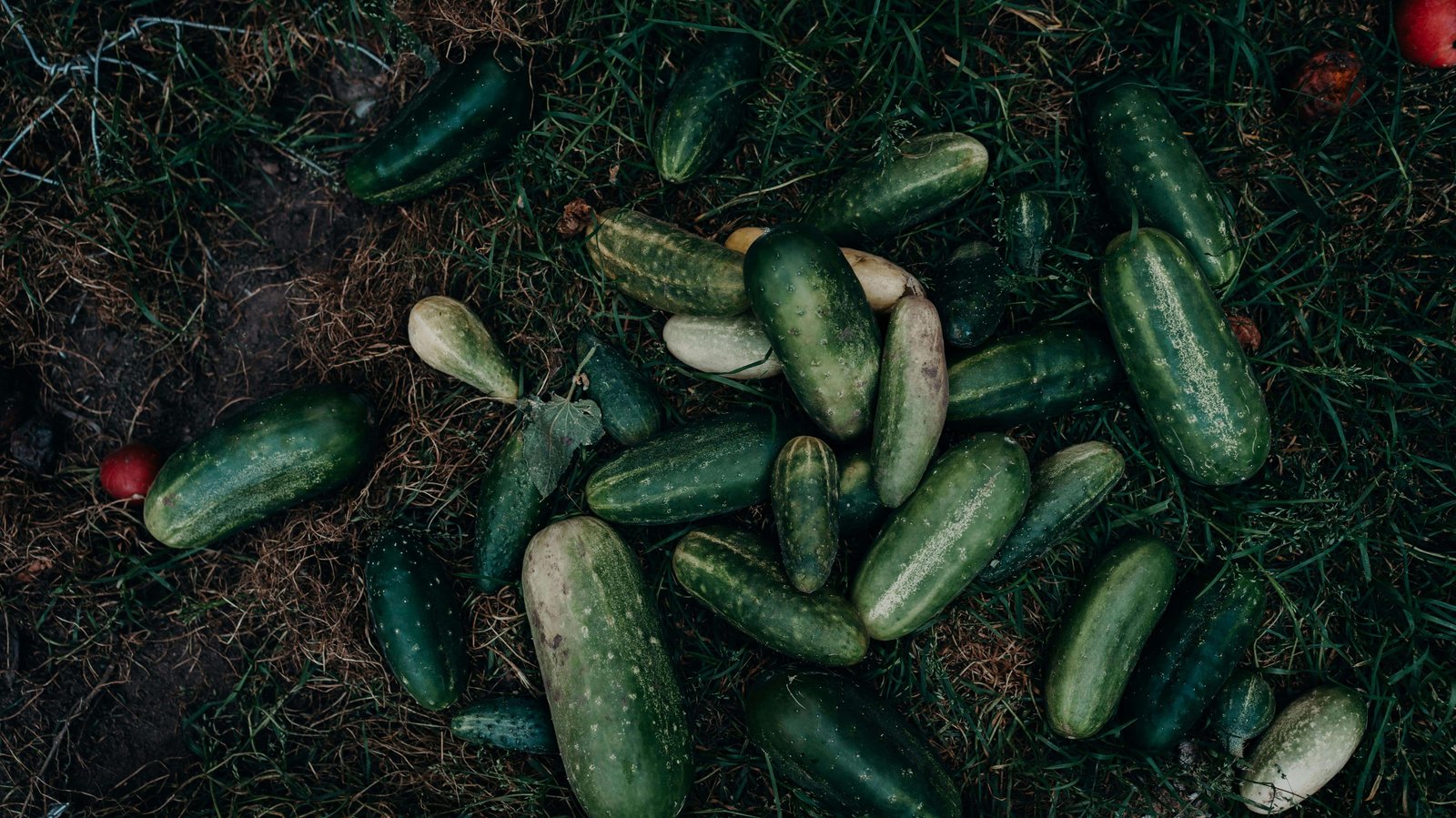
Cucumbers are about 95 percent water, slightly more hydrating by weight than even watermelon, and they come with a nutritional profile that is ideal for hot weather. The high water content combined with a modest amount of fiber supports sustained hydration. Cucumbers contain small amounts of vitamin K, vitamin C, magnesium, and potassium, plus antioxidant compounds including flavonoids that may help manage inflammation during heat stress.
The cooling effect of cucumbers is so pronounced that many cultures traditionally serve them during the hottest months. In Indian cuisine, cucumber-yogurt preparations like raita are summer staples. Mediterranean cooking features cucumber in tzatziki, salads, and cold soups. The vegetable’s mild flavor means it combines well with other cooling foods without overwhelming them, and the crisp texture provides sensory satisfaction that warmer, heavier foods lack.
Fresh cucumber slices in water provide a simple upgrade to plain hydration, adding subtle flavor and a small nutrient boost. Cucumber salads with yogurt, mint, and dill are refreshing main or side dishes. Cold cucumber soup, particularly gazpacho variants, provides a full meal with substantial hydration. Pickled cucumbers, while salty, provide electrolytes that are lost through sweat and can be valuable during extended heat exposure. Raw cucumber is generally preferred over cooked, since cooking reduces the water content and some of the cooling properties.
Coconut Water
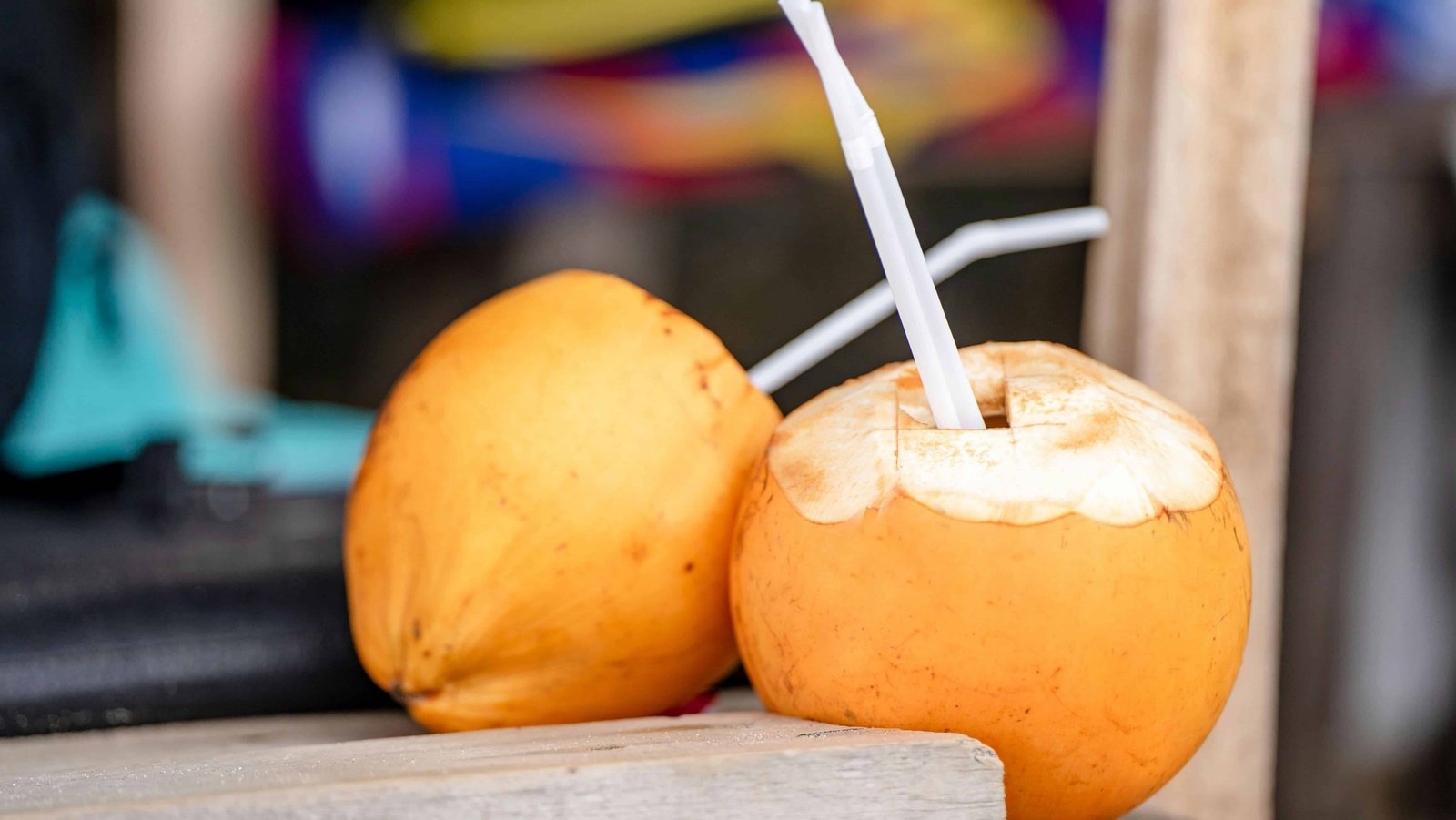
Coconut water is the clear fluid found inside young green coconuts, and it has been used as a natural rehydration solution in tropical cultures for centuries. The mineral content includes potassium, magnesium, calcium, and sodium in ratios that approximate what the body loses through sweat. This electrolyte profile makes coconut water more effective than plain water for rehydration during heat exposure, and it has been studied clinically as an alternative to commercial sports drinks.
The natural sugars in coconut water provide light carbohydrate energy without the concentrated sugar loads of most sports drinks, which can actually slow gastric emptying and reduce hydration effectiveness. The lack of artificial ingredients, dyes, and high fructose corn syrup makes coconut water a clean option for daily heat-wave hydration. The mild flavor is refreshing without being cloying, and the natural variation between coconuts adds complexity that manufactured drinks lack.
Choosing coconut water can be confusing because quality varies significantly. Fresh coconut water from young green coconuts is ideal but rarely available in most markets. Packaged coconut water should list only coconut water as the ingredient, without added sugars, flavorings, or concentrates. The “from concentrate” versions are less effective than those made from pressed fresh water. During heat exposure, small amounts taken frequently work better than large volumes, which can temporarily dilute blood electrolytes before absorption completes.
Yogurt

Plain yogurt provides hydration, protein, and probiotic bacteria that support digestive health during heat stress. The high water content makes yogurt more hydrating than most dairy products. The probiotics help maintain gut function when heat-related appetite changes and altered eating patterns might otherwise disrupt digestion. The calcium, potassium, and other minerals support overall physiological balance during heat exposure.
The traditional wisdom of serving yogurt-based dishes during hot weather spans many cultures, from Indian lassi to Greek tzatziki to Middle Eastern labneh. The cooling effect is both literal and physiological, with the cold temperature providing immediate relief and the nutritional profile supporting the body’s heat management systems. The protein content, while moderate compared to meat, is high enough to provide satiety without the thermogenic load that larger protein portions produce.
Plain, unsweetened yogurt is preferable to flavored varieties, which typically contain sugars that can work against hydration goals. Full-fat yogurt is generally more satisfying and nutritionally complete than low-fat versions, though either provides benefits. Greek yogurt has higher protein concentration and can be more filling. Incorporating yogurt into savory preparations like cucumber salads, cold soups, and marinades provides multiple serving options beyond the obvious dessert or breakfast uses. Yogurt-based smoothies with fruits and a small amount of honey make a substantial and cooling breakfast during heat waves.
Berries
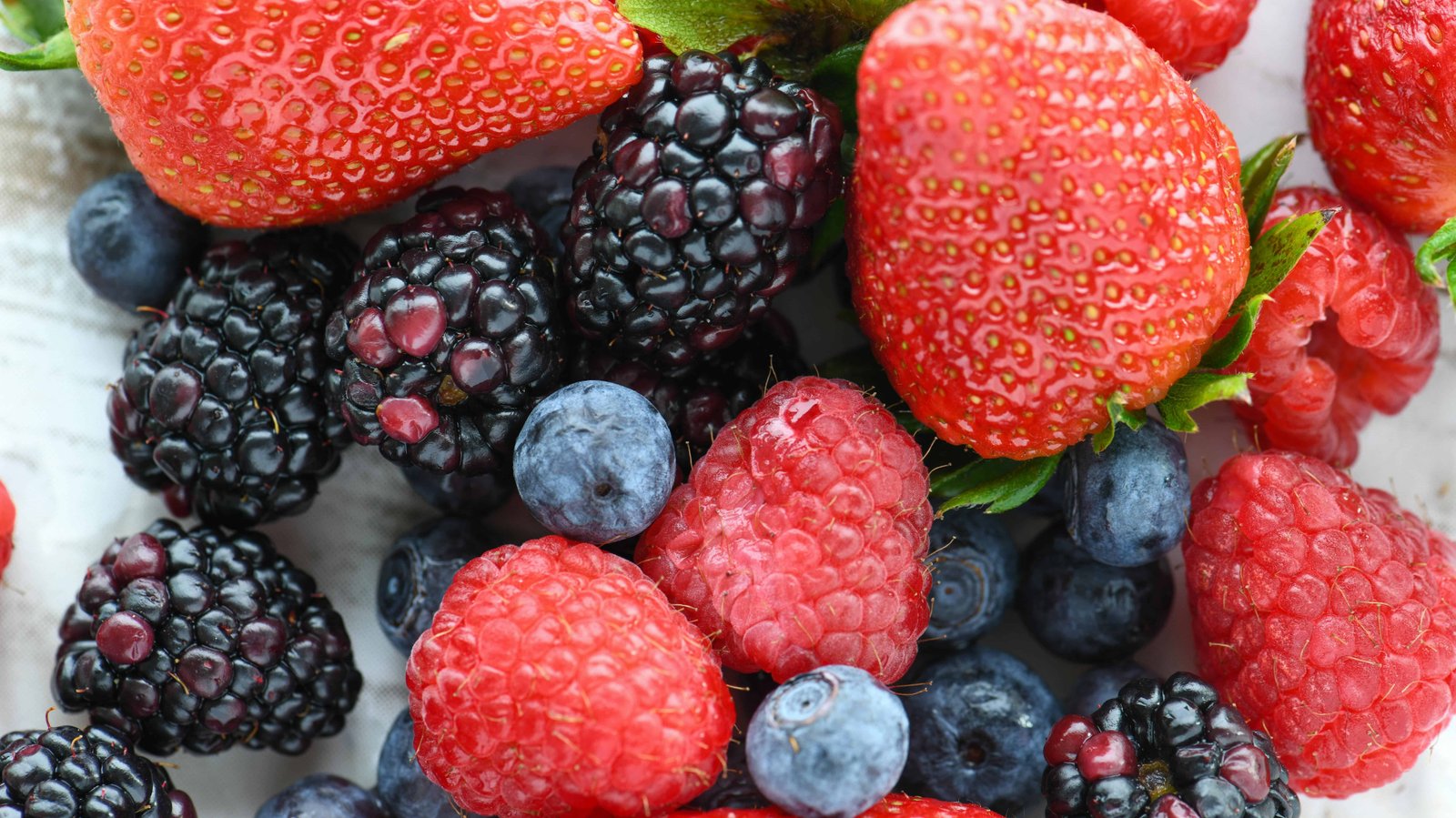
Strawberries, blueberries, raspberries, and blackberries all provide high water content, antioxidants, and a range of vitamins and minerals that support the body during heat stress. The deep colors of berries signal the presence of polyphenols and anthocyanins, compounds that help manage oxidative stress. Heat exposure increases oxidative stress at the cellular level, and dietary antioxidants can help reduce the cumulative damage.
The natural sugars in berries provide quick energy with accompanying fiber that slows absorption and prevents the blood sugar swings that can worsen heat-related fatigue. The hydration content is significant, with most berries being 85 to 90 percent water. The fiber supports digestive function when heavy meals are unappealing, and the nutrient density means small portions provide substantial benefit. The variety available during summer months, when berries are in season, makes them particularly appropriate for heat-wave nutrition.
Fresh berries eaten plain make excellent snacks. Frozen berries can be added to smoothies for additional cooling. Berry salads with herbs like basil or mint add sophistication to simple preparations. Berry purees can serve as sauces for yogurt or ice cream. During heat waves, keeping a variety of berries washed and ready in the refrigerator makes them an easy default snack. The color variety across different berry types provides different phytochemicals, so mixing varieties maximizes the benefit rather than focusing on a single type.
Leafy Greens
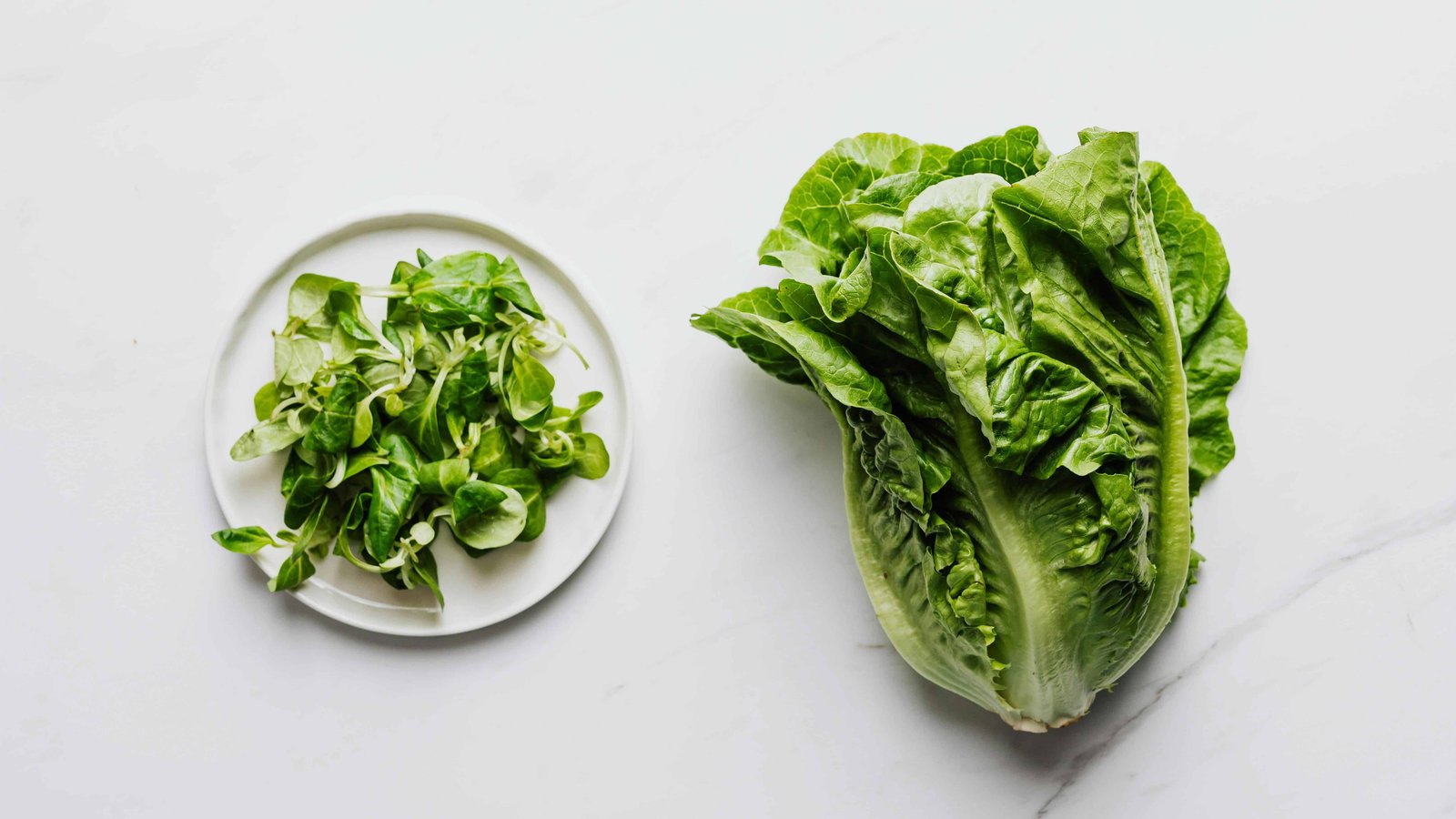
Dark leafy greens like spinach, kale, lettuce varieties, and Swiss chard provide minerals, vitamins, and water in a combination that supports heat tolerance. The high water content is less dramatic than fruits like watermelon but still meaningful. The magnesium and potassium content supports muscle function during the increased sweating of hot weather. The folate and iron help maintain blood oxygen carrying capacity, which is particularly important when cardiovascular strain increases during heat exposure.
The traditional use of salads as summer foods has solid physiological basis. Raw greens are more cooling than cooked because they retain full water content and because the body does not have to generate digestive heat to process them as intensively. The fiber content supports satiety without heavy caloric load, making salads more appropriate than cream-based or starchy dishes during extreme heat. The variety of greens available during summer allows for rotation that prevents flavor fatigue.
Building effective summer salads starts with a base of leafy greens, then adds hydrating vegetables like cucumber and tomato, protein sources that are not overly heavy (grilled chicken, beans, or eggs), and dressings based on olive oil and vinegar or yogurt rather than heavy mayonnaise-based options. Raw vegetable salads should be dressed just before serving to prevent wilting. Storing washed greens in containers with paper towels absorbs excess moisture and extends usable life. During heat waves, preparing several days of salad ingredients at once reduces the need to use the kitchen during the hottest hours.
Tomatoes
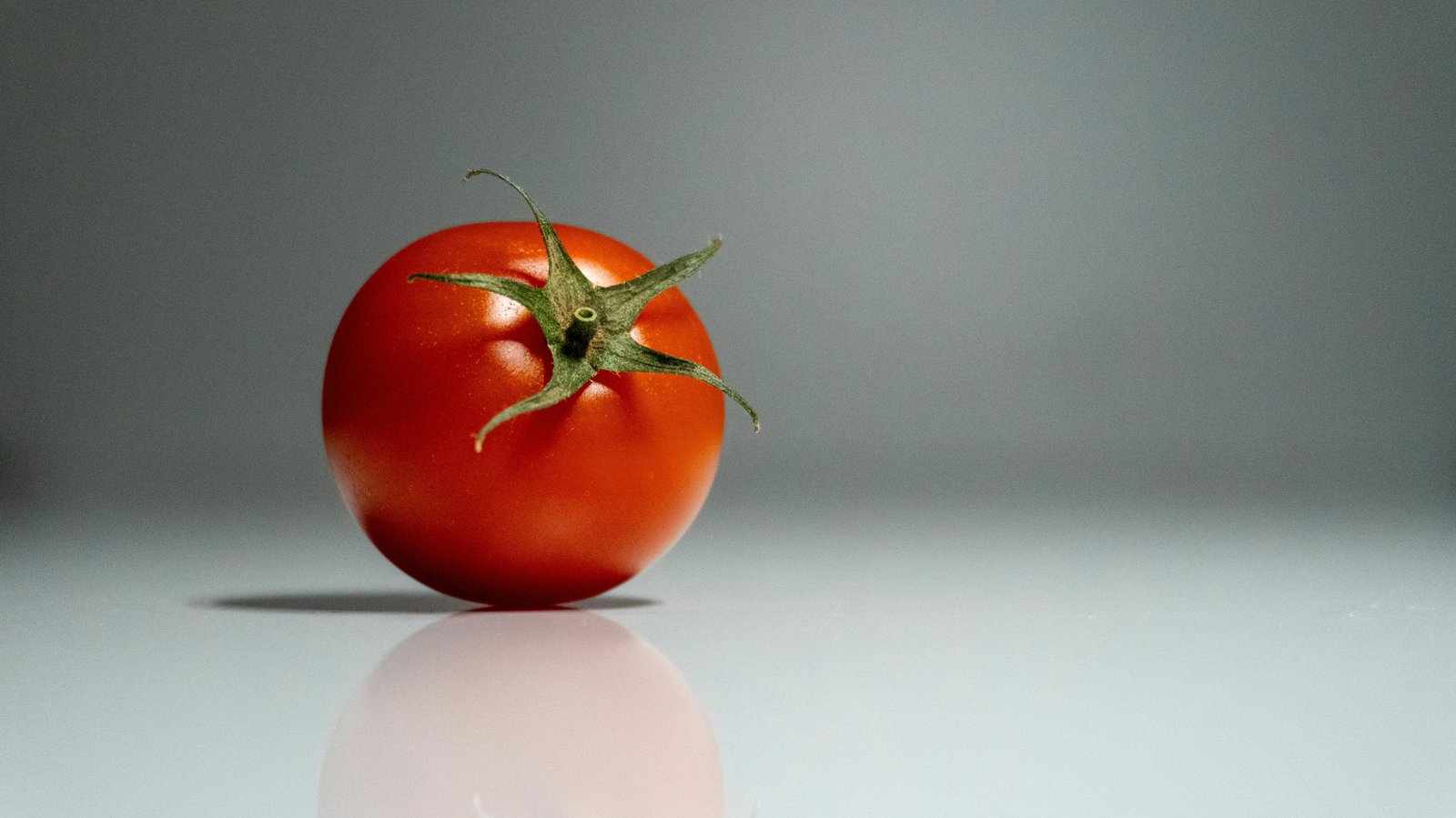
Tomatoes are about 94 percent water and provide significant amounts of the antioxidant lycopene, along with vitamin C, potassium, and folate. The hydration value is obvious. The nutritional value goes further. Lycopene is particularly useful during heat exposure because it helps manage the oxidative stress that heat produces at the cellular level. The vitamin C supports immune function, which can be taxed by the physiological stress of extreme heat.
The traditional use of tomatoes in hot-climate cuisines, from gazpacho in Spain to caprese salad in Italy to various tomato-based dishes across the Middle East and South Asia, reflects accumulated wisdom about what foods work in heat. The natural acidity of tomatoes stimulates saliva production, which supports hydration through oral tissues and can make the whole eating experience more refreshing. The variety of preparations, from raw to cooked to blended to dried, means tomatoes can be incorporated into nearly any summer meal.
Cherry and grape tomatoes eaten as snacks provide hydration and nutrition without any preparation. Tomato-cucumber-onion salads with olive oil and herbs are Mediterranean summer staples. Cold tomato soup (gazpacho) provides a full meal that requires no cooking. Fresh tomato sauce can accompany pasta or grains without the heavy cream or meat that makes sauces heat-oppressive. Canned tomatoes, while less hydrating than fresh, provide concentrated nutrition and can support quick meals when fresh options are unavailable.
Citrus Fruits

Oranges, grapefruits, lemons, and limes all provide water, vitamin C, and natural sugars in combinations that support heat tolerance. The high water content of citrus fruits is accompanied by complex carbohydrates that provide sustained energy, unlike simple sugars that can cause energy crashes. The vitamin C content supports the immune system and helps with iron absorption, both of which matter during physiological stress.
The acidity of citrus stimulates digestion and appetite during periods when heat tends to suppress both. The flavor variety, from the sweetness of oranges to the tartness of grapefruit to the sharpness of lemon and lime, allows citrus to be incorporated into many contexts. The traditional use of citrus juices in hot climates, from lemonade in the American South to fresh lime drinks in Mexico to orange-based beverages in the Mediterranean, demonstrates the cross-cultural recognition of citrus as heat-appropriate.
Fresh citrus juice mixed with water and a small amount of salt and sugar creates an effective homemade rehydration drink that rivals commercial sports drinks. Citrus segments in salads add flavor and nutrition. The zest and juice can flavor simple foods without adding heaviness. Iced citrus teas provide hydration with mild caffeine for those who tolerate it. Keeping several varieties of citrus on hand provides versatility, and the fruits store well enough that stocking up before a heat wave is practical.
Mint and Fresh Herbs

Fresh herbs, particularly mint, cilantro, parsley, and basil, provide concentrated nutrition and cooling flavor with minimal caloric impact. Mint in particular has a cooling sensation on the palate that comes from menthol, a compound that activates cold-sensing nerve endings in the mouth and throat. The effect is not just sensory. Mint genuinely reduces the sensation of heat and can make drinks and foods feel more refreshing than they would otherwise.
The nutritional content of fresh herbs, while modest in the small quantities typically consumed, includes significant amounts of vitamin K, vitamin C, various antioxidants, and small amounts of minerals. More importantly, herbs make lighter foods more interesting and satisfying, which helps maintain good nutrition during heat waves when heavier foods become unappealing. The aromatic oils in herbs stimulate appetite and digestion in ways that processed flavors do not.
Mint added to water, lemonade, or iced tea provides cooling beyond the temperature of the drink itself. Tabbouleh, a Middle Eastern salad featuring parsley, mint, and bulgur, is ideal summer food. Cilantro brightens cold Mexican-inspired dishes. Basil on tomatoes and mozzarella makes one of the great simple summer meals. Growing herbs in pots provides a ready supply throughout summer and is inexpensive compared to buying cut herbs repeatedly. Adding fresh herbs to previously heavy dishes can transform them into lighter summer versions without complicated recipe changes.
Iced Green Tea

Green tea provides hydration with a modest amount of caffeine and significant antioxidant content. The polyphenols in green tea, particularly catechins, help manage oxidative stress and have been studied for various health benefits including cardiovascular protection. The moderate caffeine content supports alertness during the fatigue that heat waves often produce, but it is lower than coffee and less dehydrating.
The traditional use of green tea in hot Asian climates, particularly Japan and China, demonstrates its appropriateness for heat. The tea is typically consumed throughout the day, providing steady hydration and nutritional support. The temperature can be adjusted to preference, with iced green tea being refreshing and hot green tea providing a cooling effect through the body’s response to warm fluids (which can actually cool the core temperature through induced sweating).
Iced green tea is simple to prepare. Brewing a strong batch and diluting with ice produces the best flavor. Cold-brew green tea, made by steeping tea in cold water overnight, produces a smoother, less bitter result. Lemon or fresh ginger can be added for additional flavor and nutritional benefit. Unsweetened versions are healthier than sweetened ones, though a small amount of honey or fresh mint can make unsweetened tea more appealing. Brands and grades vary substantially, so experimenting with different varieties reveals personal preferences and appropriate quality levels.
Melons Beyond Watermelon
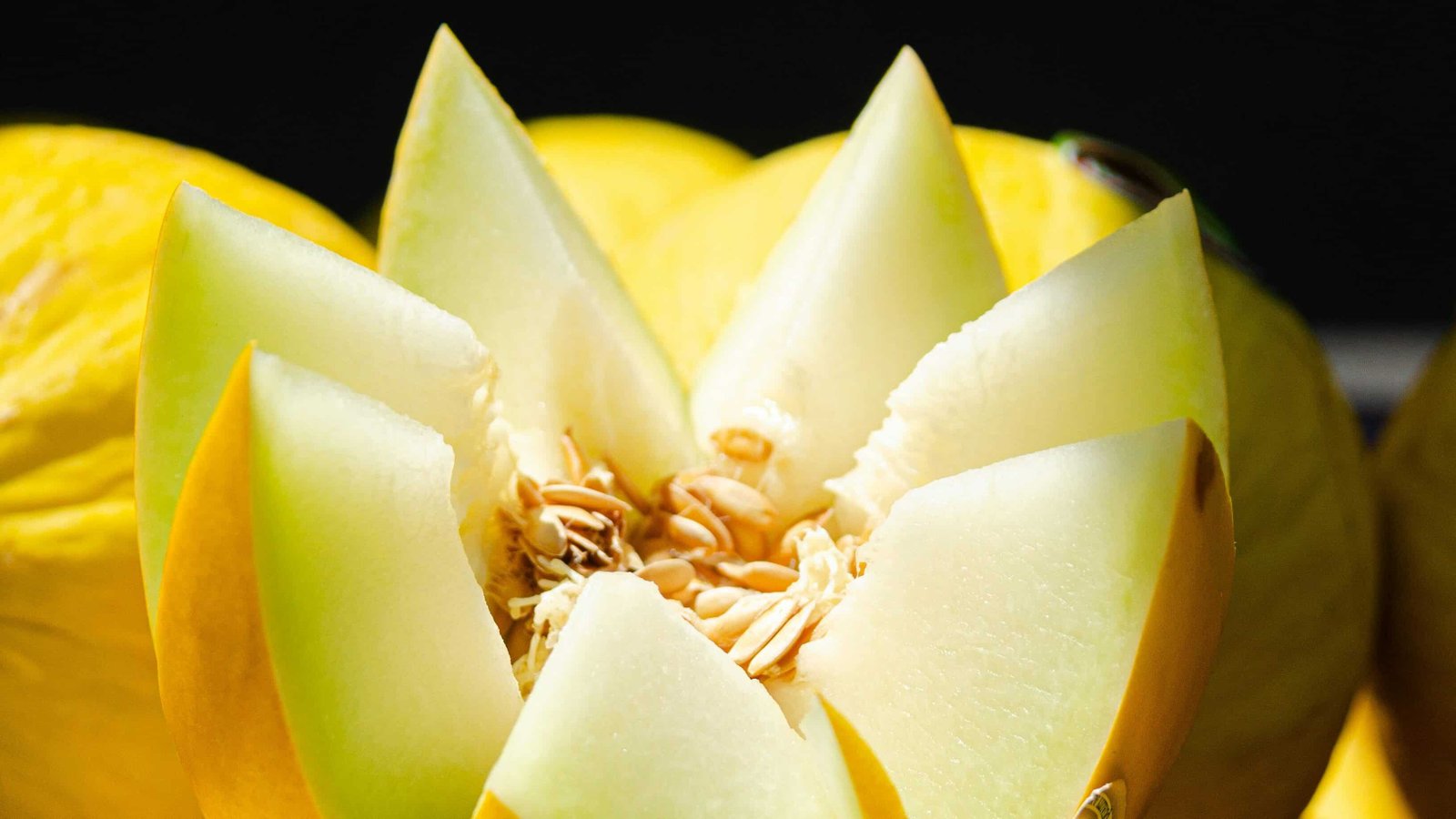
Cantaloupe, honeydew, and other melons provide similar benefits to watermelon with slightly different nutritional profiles. Cantaloupe is particularly high in vitamin A and vitamin C, plus potassium. Honeydew provides vitamin C, potassium, and B vitamins with slightly different flavor and texture than watermelon. The water content across melon varieties is consistently high, making all of them effective hydration sources.
The flavor variety across melons allows for rotation that prevents flavor fatigue during long heat waves. The slightly different nutritional profiles provide a broader range of vitamins and minerals than focusing on a single melon type. The texture differences, from the smooth flesh of cantaloupe to the crisp watermelon to the delicate honeydew, make melons suitable for different culinary applications. Prosciutto with cantaloupe is a classic summer appetizer. Honeydew and feta combines well for a surprising salad. Watermelon and mint make a refreshing combination.
Selecting ripe melons is an art. Cantaloupe should smell sweet at the stem end and give slightly to pressure. Honeydew should also smell slightly sweet and have a creamy color rather than pure white. Watermelon should sound hollow when tapped. Once cut, melons should be refrigerated and used within a few days. Cubing melons in advance makes them immediately available during hot days when cooking is unappealing. Melon salads with herbs like basil or mint, a small amount of crumbled cheese, and a light vinaigrette make substantial but cooling meals.
Avocado
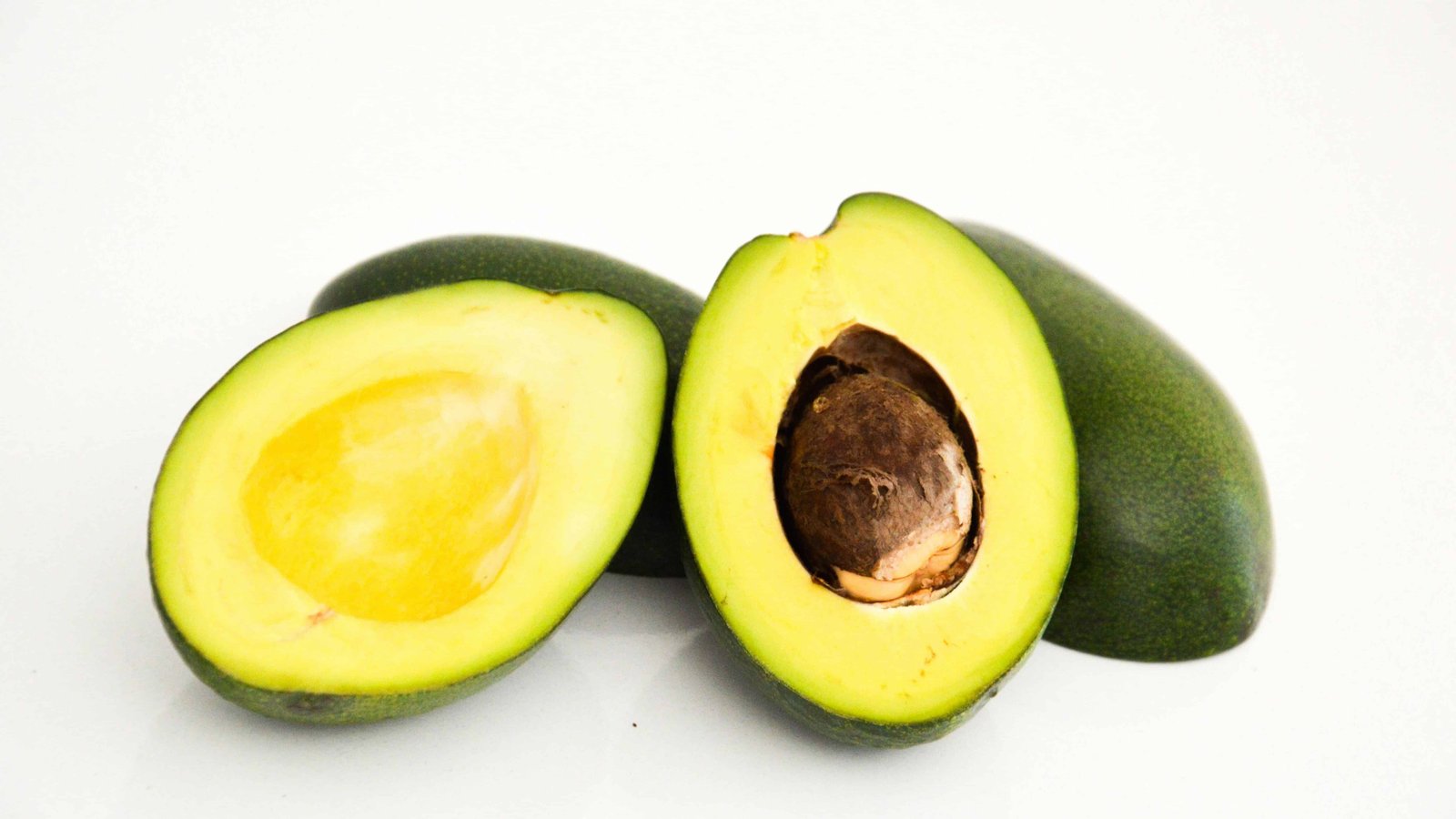
Avocados provide healthy fats, potassium, and fiber in a package that supports sustained energy and satiety without the digestive burden of heavier foods. The potassium content is particularly notable, exceeding that of bananas, and potassium is among the most important electrolytes lost through sweat. The monounsaturated fats support cardiovascular health, which can be taxed during heat stress. The fiber provides sustained satiety without triggering heavy digestive work.
Avocados are versatile enough to incorporate into most eating patterns during heat waves. The creamy texture replaces heavier mayonnaise and butter in many applications, reducing the overall thermal load of meals while providing similar satisfaction. The mild flavor accommodates varied seasonings from citrus and herbs to chili peppers and fish sauce. The nutritional density means a relatively small portion provides significant benefit, which matches the smaller appetites that heat typically produces.
Avocado toast with a squeeze of lemon makes a satisfying breakfast or light meal. Guacamole with vegetables rather than chips provides a cool snack. Sliced avocado in salads or sandwiches adds richness without heaviness. Cold avocado soup is a cooling option that requires no cooking. Choosing ripe avocados requires some judgment, as they bruise easily, but buying firmer fruit and letting it ripen at room temperature provides the best results. Ripe avocados can be refrigerated to slow further ripening until ready to eat.
Bone Broth (Cool or Room Temperature)

Bone broth might seem counterintuitive for hot weather, but consumed at cool or room temperature, it provides electrolytes and easily absorbable nutrients that support recovery from heat exposure. The sodium content is particularly valuable when sweating has depleted salt levels. The collagen and amino acids support tissue recovery. The traditional use of broths in cultures that experience extreme heat, including Asian recipes for cold summer broths, demonstrates the broader utility of this food category.
The electrolyte profile of bone broth varies depending on preparation and brand, but most versions provide meaningful amounts of sodium, potassium, and trace minerals. The protein content is moderate, which is appropriate for heat waves when heavier protein sources may be less appealing. The savory flavor satisfies cravings that sweet drinks do not address, which can be important during prolonged heat exposure when flavor fatigue becomes a factor.
Commercial bone broth varieties have expanded significantly in recent years, and quality varies substantially. Grass-fed, organic options tend to provide more nutrition and cleaner flavor than mass-market varieties. Homemade bone broth is the gold standard but requires significant time to prepare. Chilled bone broth can be consumed straight, used as a base for cold soups, or frozen into savory ice cubes for instant cooling with nutritional value. During heat waves, having bone broth available provides an option when sweet foods and drinks feel excessive.
Whole Grains (Cooked and Cooled)
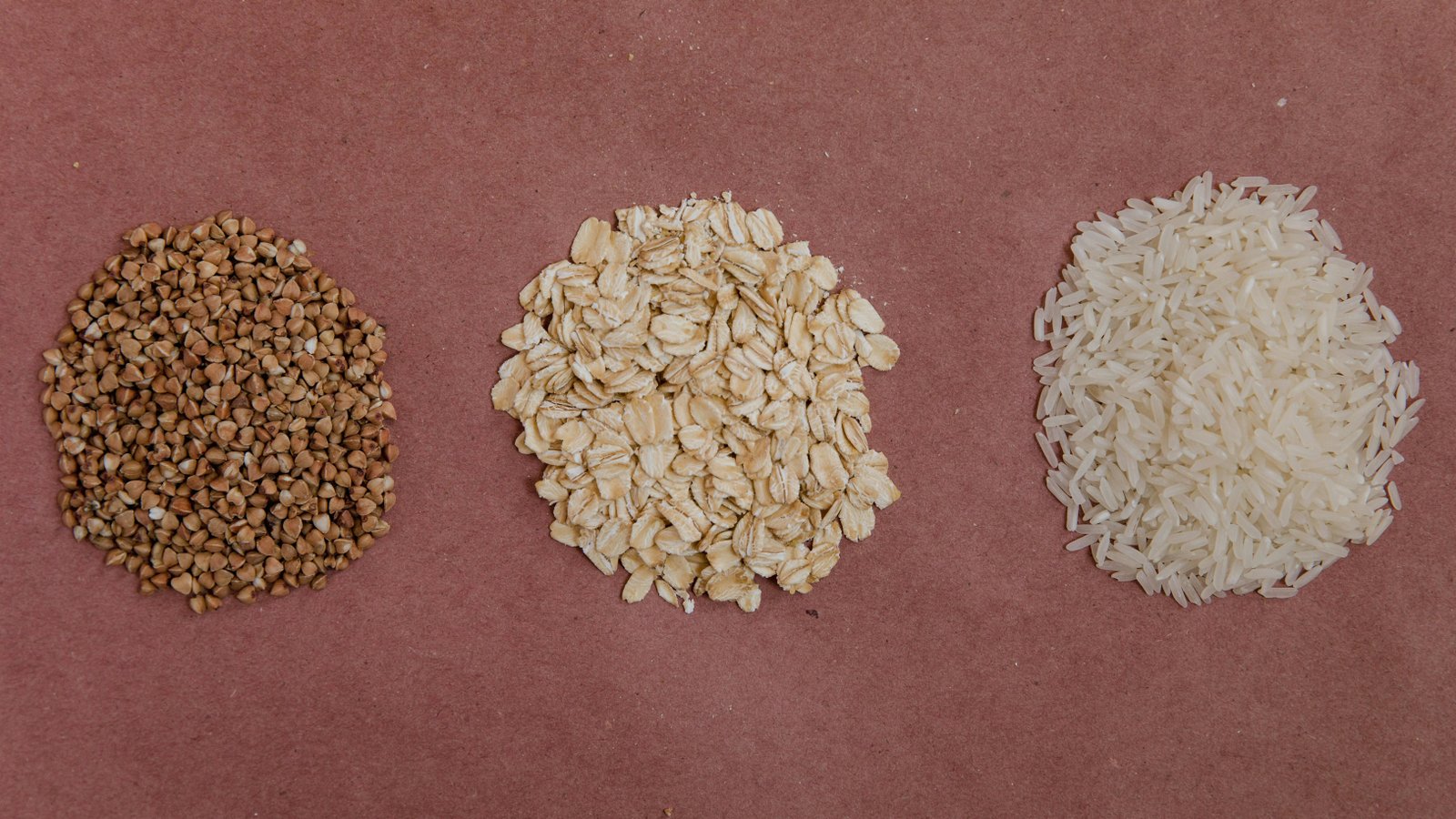
Whole grains like quinoa, bulgur, farro, and brown rice provide complex carbohydrates, B vitamins, and minerals that support sustained energy during heat waves. Consumed at room temperature or cooled, they serve as the base for grain salads that are filling without being oppressive. The fiber supports digestive health. The complex carbohydrates provide energy without the blood sugar spikes that simple sugars cause. The variety of grains provides nutritional variety and prevents flavor fatigue.
The traditional use of cold grain dishes in hot-climate cuisines spans many cultures. Tabbouleh uses bulgur. Greek salads sometimes include orzo or rice. Mediterranean grain bowls have become standard health food. The key is cooking the grains in advance, cooling them, and combining with vegetables, herbs, proteins, and dressings that support the light-but-substantial profile that heat-wave meals should have.
Making a large batch of cooked grains at the start of the week provides the foundation for multiple meals without requiring daily cooking during hot afternoons. Dressings based on olive oil, lemon juice, and herbs keep grain salads flavorful without heavy additions. Adding chopped vegetables, herbs, beans, or small amounts of protein converts a grain base into complete meals. Cooking grains with broth rather than water adds flavor and minerals. Quinoa cooks quickly and is particularly suitable when heat makes extended stovetop cooking unappealing.
Beans and Legumes (Cold or Room Temperature)
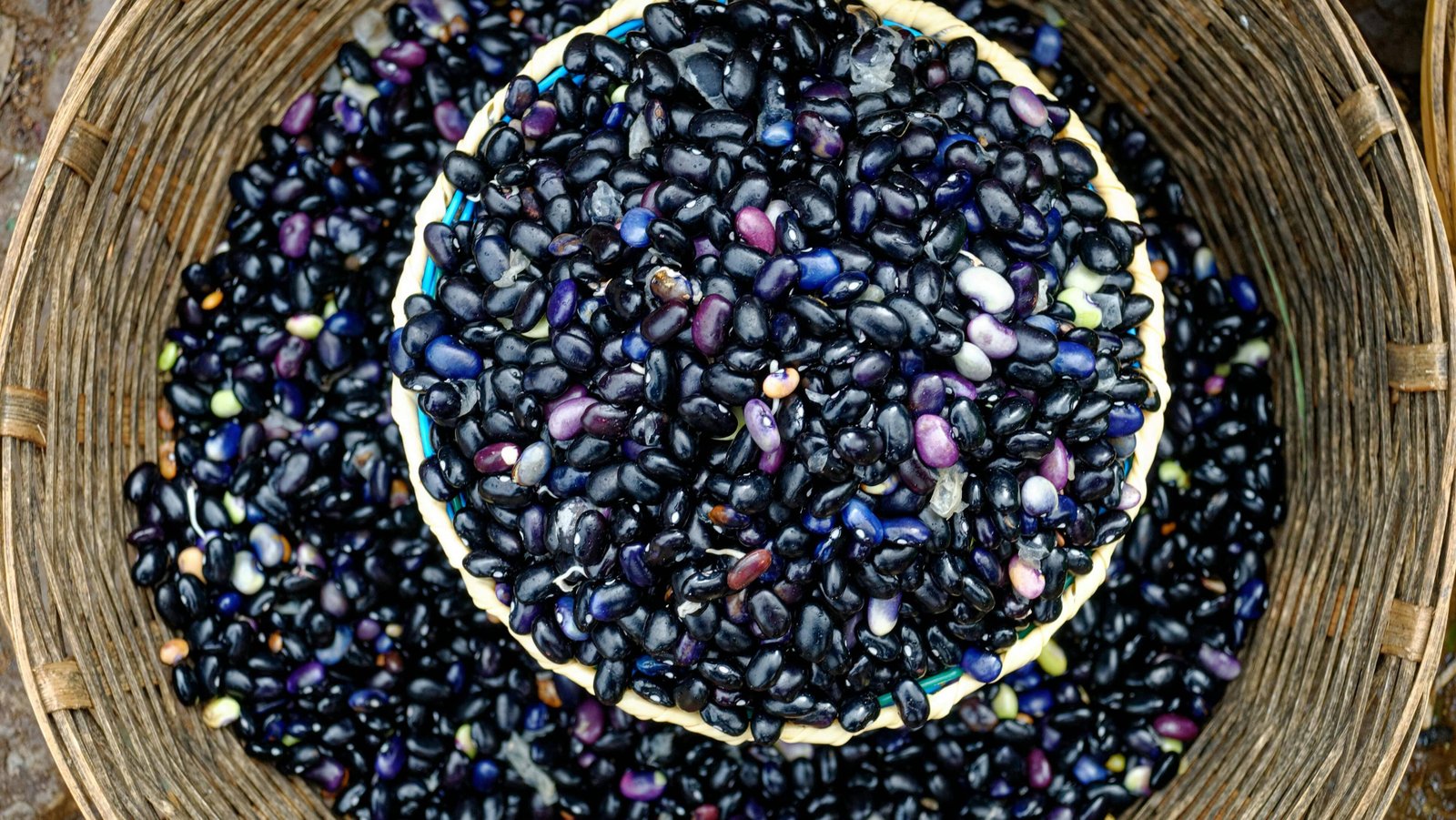
Beans and legumes provide protein, fiber, and complex carbohydrates in forms that are lighter than animal proteins and ideal for summer meals. Chickpeas, black beans, white beans, and lentils all work well at cool temperatures and serve as the protein component in many heat-appropriate dishes. The nutritional density means small portions provide substantial benefit without the digestive heaviness of meat.
The traditional use of beans in summer cuisines, from Mediterranean chickpea salads to Mexican black bean preparations to Middle Eastern lentil dishes, demonstrates the versatility of legumes in heat. The ability to prepare beans in large batches and store them for multiple meals reduces daily cooking burden. The variety of bean types and preparation methods provides substantial variety across a week of heat-wave meals.
Canned beans, rinsed well to remove excess sodium and starch, provide convenience when fresh cooking is unappealing. Dried beans cooked in advance provide better flavor and texture but require planning. Bean salads with vegetables, herbs, and light dressings work as main dishes or substantial sides. Hummus and other bean dips provide cooling snacks when paired with vegetables. Gazpacho with a bean addition becomes more filling. During heat waves, having at least two different bean preparations in the refrigerator provides meal flexibility throughout the week.
Seafood (Light Preparations)

Fish and shellfish provide high-quality protein without the digestive heaviness of red meat, making them ideal for heat-wave nutrition. Cold preparations like ceviche, seafood salads, and cold poached fish are particularly appropriate. The omega-3 fatty acids in fatty fish support cardiovascular health during thermal stress. The lean protein provides satiety without the thermogenic load of heavier proteins.
The traditional use of seafood in hot coastal climates reflects its suitability for heat. Mediterranean countries feature cold seafood salads, grilled fish with olive oil and lemon, and various light seafood preparations. Asian cuisines include raw and marinated seafood in summer dishes. Latin American ceviche is iconic summer food. The availability of sustainable seafood has improved significantly in recent years, making quality seafood more accessible.
Light seafood preparations that minimize kitchen heat include ceviche (raw fish cured in citrus juice), cold shrimp cocktail, tuna or salmon salads with minimal mayonnaise, smoked fish with bread and vegetables, and grilled fish cooked briefly outdoors. Sushi from reliable sources provides a complete meal with minimal home preparation. Cold poached chicken and cold-cooked fish can be prepared during cooler morning hours and served throughout the day. Canned fish like sardines and salmon provides a convenient protein source that requires no cooking at all.
Cold Soups
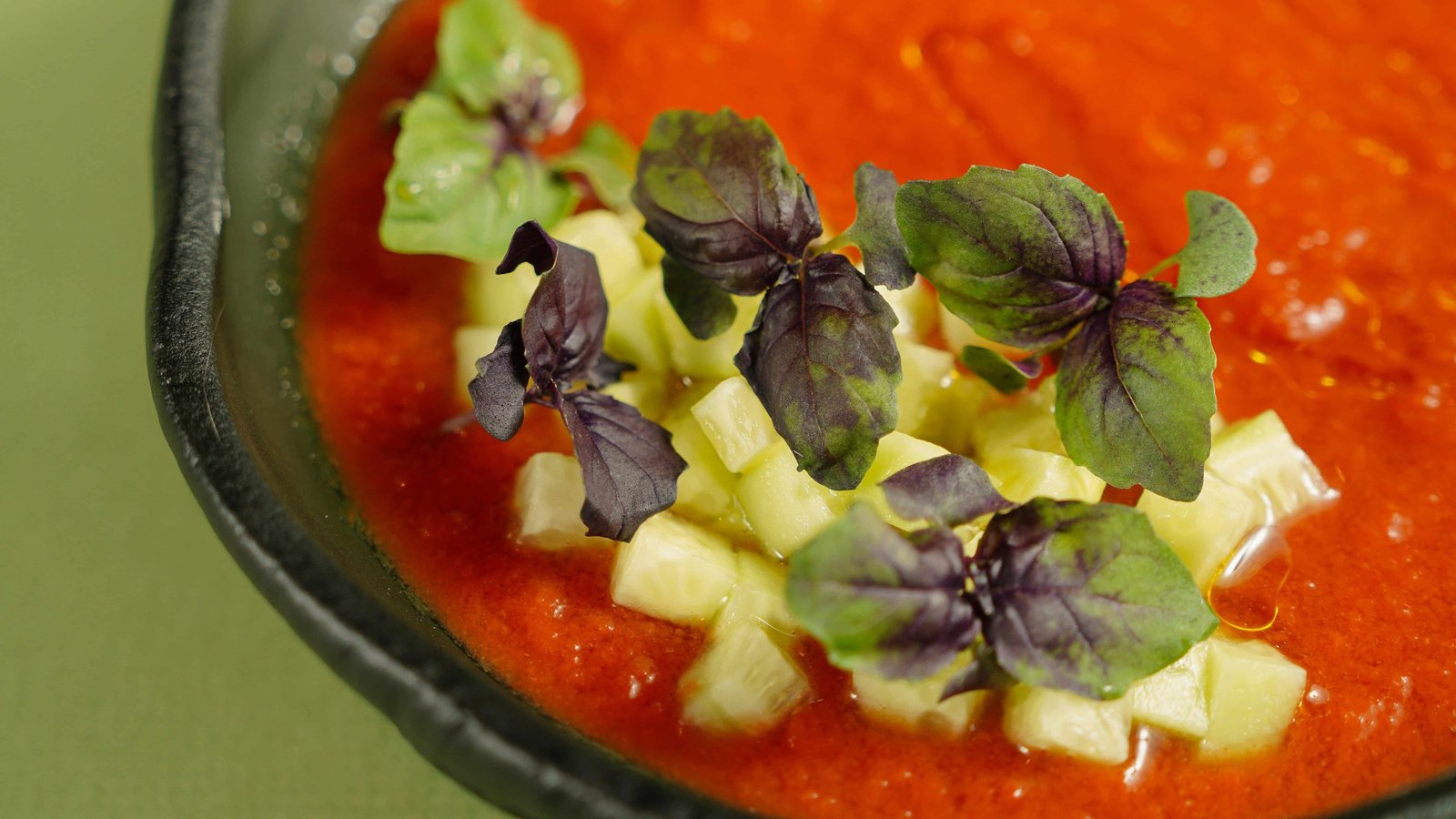
Cold soups deserve their own category because they are among the most effective heat-wave foods when done well. Gazpacho, with its tomato base enriched by cucumber, pepper, and herbs, is the most famous example. Cold borscht featuring beets and cold cucumber soups from various cultures round out the category. The combination of substantial nutrition, high water content, and cold temperature makes cold soups ideal when hot food is unappealing.
The nutritional benefits of cold soups depend on the ingredients but generally include high vegetable content, substantial water content, electrolytes from the vegetables, and often beneficial fats from olive oil or avocado. Some cold soups include protein sources like yogurt, beans, or seafood. The flavor development from blending and chilling time often makes cold soups more complex and satisfying than quickly prepared warm alternatives.
Simple cold soups can be made with minimal equipment. A blender or immersion blender turns raw vegetables into gazpacho in minutes. Yogurt-based cold soups combine yogurt with cucumber, herbs, and seasonings. Cold avocado soups blend ripe avocados with broth, lemon, and herbs. Making cold soups in advance allows flavors to develop in the refrigerator. Keeping several varieties available during heat waves provides options when cooking any hot food is unbearable.
What to Avoid and How to Build a Heat-Wave Eating Plan

Beyond adding helpful foods, reducing problematic ones matters during heat waves. Heavy meat, fried foods, cream-based sauces, and large amounts of refined carbohydrates all create significant digestive thermal load and can worsen heat discomfort. Excessive salt, while important for electrolyte balance, can tip into problematic territory when it increases fluid retention and blood pressure. Large meals at any time of day are harder to tolerate than smaller, more frequent eating patterns during heat.
Caffeine and alcohol both deserve attention. Caffeine in moderate amounts is fine for most people and does not meaningfully dehydrate, but heavy caffeine consumption combined with sweating can stress the cardiovascular system. Alcohol is a genuine problem during heat waves. It impairs temperature regulation, causes dehydration, affects judgment about heat exposure, and can mask symptoms of heat-related illness. Limiting alcohol during extreme heat is a legitimate medical recommendation.
Building a practical heat-wave eating plan starts with preparation during cooler morning hours or the evening before. Cook once, eat throughout the day. Keep a variety of cold foods ready in the refrigerator. Rotate ingredients to prevent flavor fatigue. Pay attention to what feels good and adjust. Listen to hunger cues, which are often reduced in heat, rather than forcing normal meal patterns. Drink consistently throughout the day rather than all at once. And recognize that what you eat during heat waves is not just about pleasure or convenience. It is a genuine factor in how well your body handles the challenge, and good choices can be the difference between feeling reasonably comfortable and suffering unnecessarily.