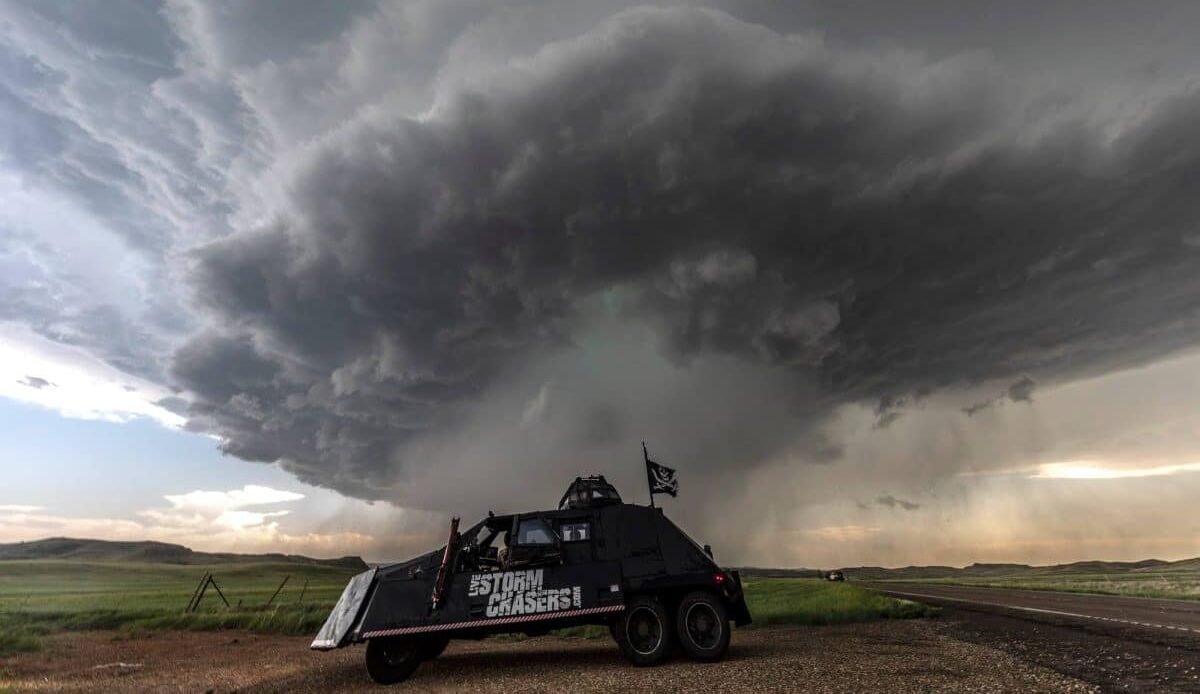
Storm chasing has become a lot more visible over the years, thanks to reality television and social media. Shows follow chasers getting close to tornadoes and severe weather, and that spotlight has pulled a lot of people toward the hobby. Some have even made real money doing it. You can too, but the path is more involved than most beginners expect.
Here is what you need to know before you head out the door.
What Storm Chasers Actually Do
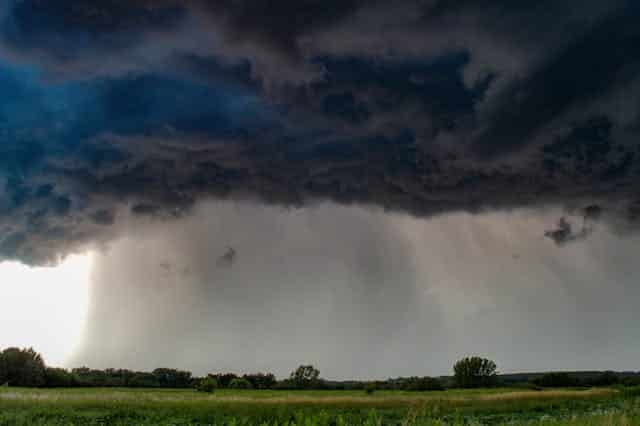
The definition of storm chasing has broadened considerably. Years ago, the term meant chasing tornadoes, and little else. Today, chasers track all kinds of severe weather: hurricanes, floods, derechos, and major winter storms. Most bring instruments to record data, cameras to document what they see, or both.
The motivations vary as much as the people. Some chase for the thrill of it. Others do it as an extension of scientific research. Many chase because good footage sells, and a single dramatic video can earn hundreds or even thousands of dollars. A lot of serious chasers have more than one reason for being out there.
Storm chasing also has real scientific value. Much of what researchers understand today about tornado formation and severe weather behavior came from early chaser observations. Most chasers share what they see with local National Weather Service offices, which helps forecasters issue more accurate and timely warnings.
The Risks You Need to Understand First
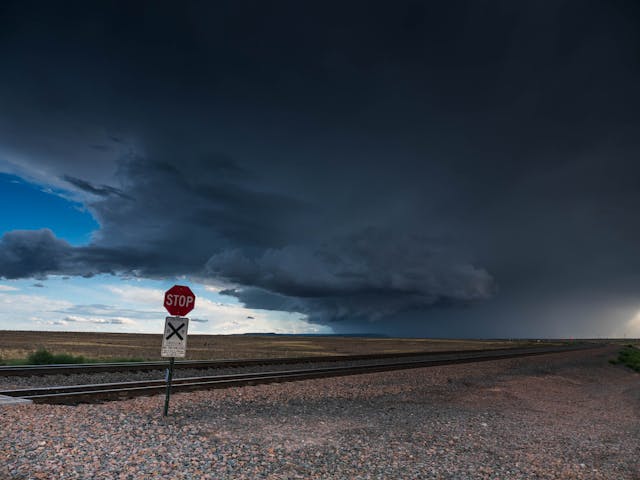
Storm chasing carries real physical danger, and being honest about that upfront is important. The risks range from large hail and lightning to flash flooding and tornado intercept gone wrong. Accidents have killed experienced chasers. The number of people in the field has grown, which means traffic on rural storm-intercept roads has become a hazard of its own.
Managing these risks comes down to training, situational awareness, and discipline. Keep a safe distance from the storm’s core. Never drive through flooded roads. Plan multiple escape routes before you need them. Avoid standing near power lines or unsecured structures in high winds. Have backup communication, whether a HAM radio, satellite communicator, or a second person in the vehicle who can call for help if needed.
Respect for private property also matters. Trespassing is a real legal exposure for chasers, and a few bad actors have created friction between the chasing community and rural landowners. Know the local laws, ask permission when you need to be on someone’s land, and identify yourself clearly if you are filming on or near private property.
How to Get Started
Before you ever get behind the wheel to chase, you need a solid foundation in how severe weather works. That means understanding how thunderstorms develop, how tornadoes form and move, and what warning signs to look for in the sky. This knowledge keeps you safe and helps you position correctly.
The first concrete step for most people is completing Skywarn storm spotter training through the National Weather Service. The program is free, takes a few hours across beginner and advanced classes, and teaches you how to identify and report severe weather accurately. It is also one of the best places to meet experienced chasers who can become mentors. In Canada, the equivalent program is Canwarn.
Finding a mentor matters more than most beginners realize. Reading and taking courses will only take you so far. Getting in a vehicle with someone who has chased for years, watching how they read the sky, how they position, and how they make decisions under pressure, is a different kind of education. The Stormtrack online community is a good place to connect with experienced chasers who are open to working with newcomers.
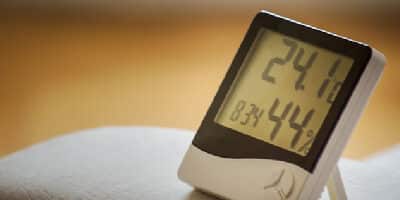
For equipment, your vehicle is the most important piece of gear. Use something rugged, well-maintained, and that you can afford to have dented by hail. Beyond that, the core kit for a beginning chaser includes a weather meter for surface readings, walkie-talkies or a HAM radio for communication, a dashcam for documentation, and a reliable scanner to monitor emergency traffic. A good first-aid kit and a portable power station round out the basics.
The Truth About Getting Paid

Yes, storm chasers can get paid. The honest answer is that most make very little, and turning it into a full-time income is genuinely difficult.
The primary income stream is video footage. News outlets pay for compelling, steady video of tornadoes, flooding, hail damage, and severe weather in progress. Footage of people dealing with the aftermath also sells: stranded vehicles, flooded streets, cleanup operations. Day-before footage of storm preparations can sell just as fast as footage of the event itself when it involves a major hurricane or widely covered storm.
Quality matters. Shaky footage rarely sells. Stay on a shot for a count of ten when you can, keep the subject in focus, and stay quiet while filming. No narration, and definitely no swearing. Buyers include news agencies and stock footage platforms, but getting in the door requires samples of sellable video.
Most paid chasers work through video brokers, companies that have existing relationships with news networks and take a commission on each sale. Companies like Live Storms Media, Severe Studios, and SVL Media operate in this space. Selling footage independently without those connections is hard. Individual clips typically sell for $100 to $300, sometimes more for especially newsworthy footage.
For most chasers, the annual income from video sales is a few hundred to a few thousand dollars. Outside of Tornado Alley and the Midwest, there simply is not enough severe weather volume to support consistent sales. A small number of chasers have built careers around media appearances, sponsored expeditions, or university research roles, but those paths are competitive and take years to develop.
Storm chasing is deeply rewarding for the right kind of person. The financial ceiling is real, but so is the experience. If you go in with clear expectations, solid training, and a good mentor, it is one of the more extraordinary things you can do with a love of weather.