
Anyone who has lived with arthritis or chronic joint pain knows the feeling. The ache that shows up the day before rain. The stiffness that arrives with the first cold snap of autumn. The swelling that flares during a heat wave. For decades, these connections were dismissed as folklore, but the research has caught up with the patient reports. Weather genuinely affects joint pain, and for millions of Americans living with arthritis, understanding the specific weather conditions that trigger flares can make the difference between a manageable day and one spent on the couch.
The mechanisms vary. Some weather patterns affect the tissues around joints directly. Others work indirectly through mood, activity levels, or sleep quality. Still others trigger systemic inflammation that amplifies existing joint problems. What matters for someone managing chronic pain is knowing which conditions to watch for and what practical steps can reduce their impact.
This list covers twelve weather conditions that research and patient experience both identify as problematic for arthritis and joint pain. Some will be familiar from personal experience. Others may explain flares that previously seemed random. For each condition, the physiological basis and practical management strategies are laid out. If your joints have ever served as a personal weather station, this list is for you.
Dropping Barometric Pressure

The single most commonly reported weather trigger for joint pain is falling barometric pressure, which typically precedes storms by 12 to 24 hours. Research from Tufts University and other institutions has documented the correlation in studies of osteoarthritis patients, with lower pressure associated with increased pain scores, particularly in the knees. The mechanism involves the slight expansion of tissues around joints as outside pressure drops, which can irritate already-inflamed structures in arthritic joints.
The symptoms often appear before any visible weather change, which is why so many arthritis patients become accurate storm predictors. The pain is typically described as deep, aching, and sometimes accompanied by stiffness that is worse than usual. The sensation can last until pressure stabilizes, which means that a series of fast-moving storms can produce days of continuous discomfort with only brief recovery periods between systems.
Management strategies include pre-medicating with anti-inflammatory medications when pressure drops are forecast, if your physician has approved this approach. Warm clothing, heating pads on affected joints, and gentle movement to prevent stiffness all help. A home barometer or a weather app that tracks pressure allows anticipation rather than reaction. For severe cases, a conversation with a rheumatologist about preventive strategies during weather transitions can open up additional options, including adjustments to baseline medication regimens during storm seasons.
Cold Fronts and Sudden Temperature Drops

Cold fronts combine several joint-hostile conditions in a single weather event. The temperature drops, pressure falls, wind increases, and often moisture levels change as well. For people with arthritis, the combination can be worse than any individual factor. Cold temperatures cause muscles and tendons to tighten, which increases stress on joints. The pressure changes affect tissue behavior directly. And the sudden nature of front passage means the body has little time to adapt.
The effect is most pronounced in joints that have been previously injured or that have significant arthritic changes. Knees that have undergone surgery, hands with rheumatoid arthritis deformities, and hips with degenerative changes all tend to respond strongly to cold-front passages. The pain often persists for a day or two after the front, as the body gradually adapts to the new conditions. Evening and overnight hours tend to be worst, when muscles are less active and joints stiffen more readily.
Preparation helps enormously. Dressing in layers to maintain joint warmth, keeping heating pads accessible, and planning indoor activities for the day after a front passes all reduce impact. Warm baths before bed can ease the transition through the coldest part of the cycle. For people with severe cold sensitivity, consulting a rheumatologist about medication timing and additional protective strategies is worthwhile. Physical therapy to strengthen muscles around affected joints also reduces cold-weather vulnerability over time.
High Humidity
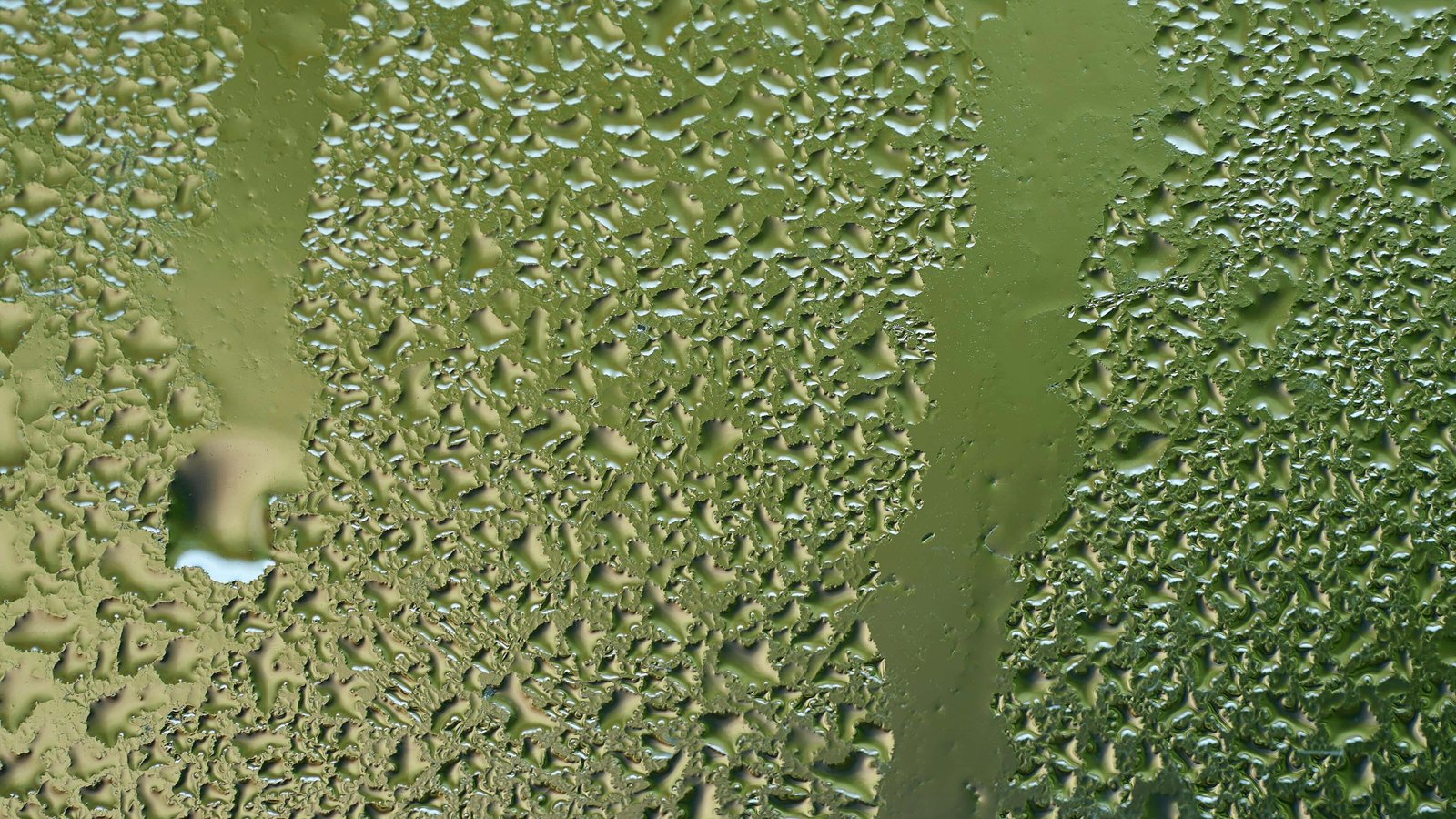
The combination of warmth and high humidity creates a different kind of joint challenge. The body’s temperature regulation becomes less efficient when sweat cannot evaporate, leading to generalized fatigue and reduced activity that can worsen stiffness. Inflammation may increase as the body struggles to maintain internal balance. And the psychological effect of uncomfortable weather often reduces the motivation to move, which allows joints to stiffen further.
Humid heat is particularly problematic for people with inflammatory forms of arthritis like rheumatoid arthritis, psoriatic arthritis, and lupus arthritis. The conditions often involve systemic inflammation that worsens with physiological stress, and humid heat is a significant physiological stressor. The joints most affected tend to be those with active inflammation rather than mechanical wear-and-tear arthritis, though individual variation is substantial.
Air conditioning is the single most effective intervention for humid weather. Keeping indoor humidity below 50 percent through air conditioning or dehumidifiers creates an environment where joints can function normally. Staying hydrated is crucial, as dehydration amplifies inflammation. Early morning exercise before humidity peaks, pool exercise for low-impact activity, and scheduled indoor rest during the hottest hours all preserve joint function through humid stretches. For anyone whose symptoms worsen consistently during humid weather, a conversation with a rheumatologist about inflammation markers and medication adjustments may be useful.
Dry Cold
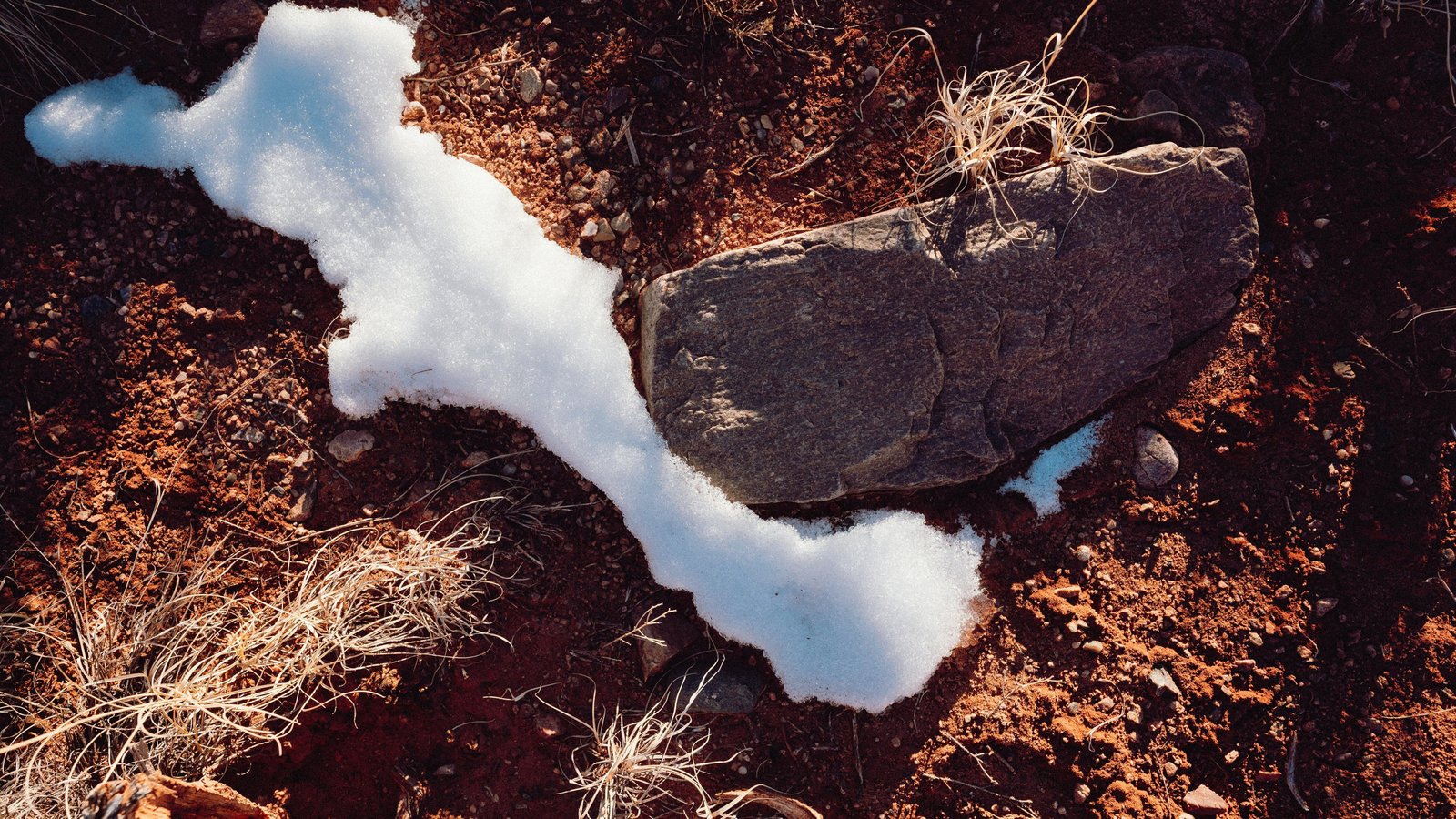
Cold weather without humidity presents a different set of challenges than cold with moisture. The dry winter air of continental climates tends to produce joint stiffness that develops gradually over the course of cold months rather than the acute flares of frontal passages. Indoor heating dries the air further, and the combination of cold outdoors and desert-dry indoors can produce continuous low-level inflammation in sensitive joints.
The tendons and ligaments around joints depend on adequate hydration to function properly, and dry winter conditions can draw moisture from these tissues through the skin and respiratory tract. The result is reduced elasticity and increased vulnerability to strain. People with arthritis often notice that their baseline pain levels rise through the winter even in the absence of specific weather events, and return to baseline in spring when humidity levels rise.
Indoor humidifiers that maintain relative humidity between 30 and 50 percent help counteract the dryness effect. Drinking more water than usual during winter, despite the reduced thirst signal that cold weather produces, keeps tissues hydrated. Using heated seats, electric blankets, and warm clothing maintains joint temperature. Topical moisturizers on hands and feet reduce the overall drying effect. For severe dry-weather symptoms, a rheumatologist may suggest seasonal medication adjustments or additional supportive therapies.
Barometric Pressure Rises After Storms
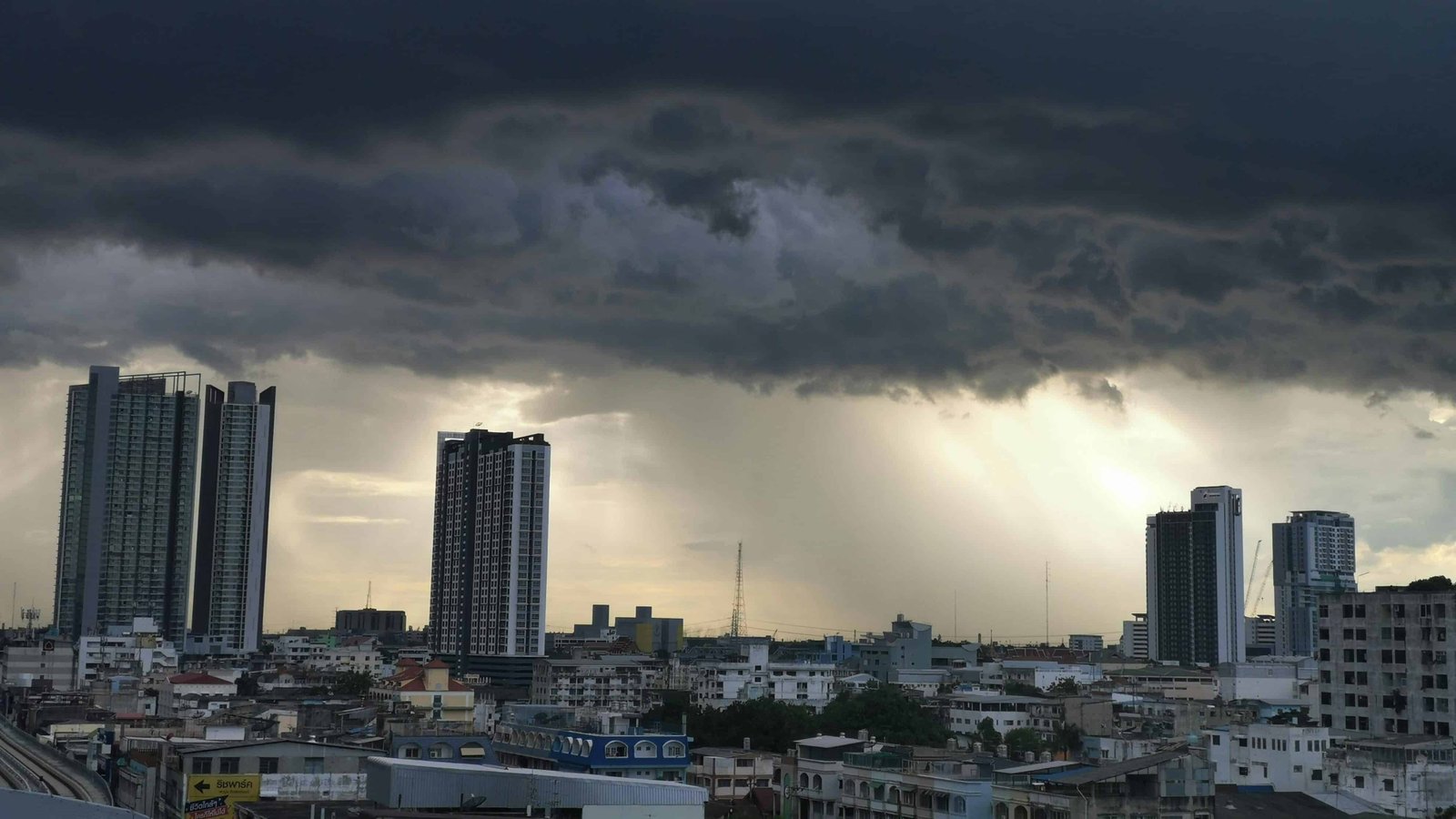
While pressure drops get most of the attention, the rising pressure after a storm system passes can also trigger joint symptoms in some patients. The mechanism appears to involve the same tissue expansion and contraction dynamics that cause pressure-drop symptoms, but in reverse. The tissues that expanded during low pressure now contract as pressure rises, and for joints already inflamed from the low-pressure phase, the additional mechanical stress can prolong a flare.
This post-storm pain pattern is less well documented than the pre-storm version, but many arthritis patients report that the day or two after a major weather system can be as bad as or worse than the day before. The symptoms often shift character slightly, with less of the deep ache of the pre-storm phase and more of a sharp, movement-related discomfort. Morning stiffness can be particularly severe during pressure-rise days.
Management is similar to pressure-drop strategies, with an emphasis on gentle movement to work through the stiffness and continued anti-inflammatory support. Staying aware that the flare may persist beyond the storm helps with emotional resilience, since the relief of the storm passing can be followed by continued pain that feels demoralizing. For patients with severe pressure sensitivity, a rheumatologist can help develop a week-long management plan that addresses both phases of a major weather system rather than just the approach.
Thunderstorms
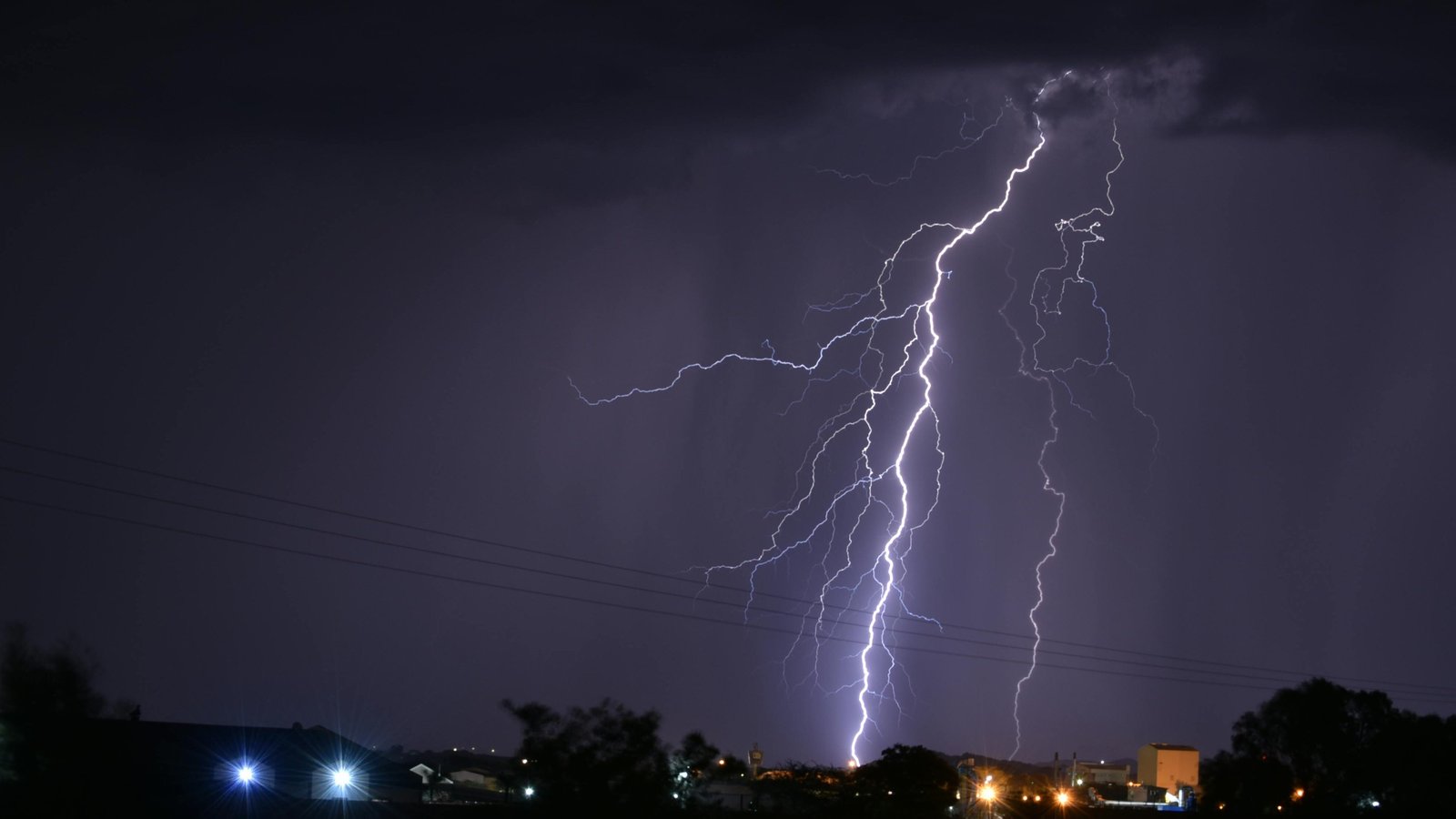
Thunderstorms produce rapid changes in pressure, temperature, and humidity, often all at once, and for people with weather-sensitive joints, they can be particularly disruptive. The associated electromagnetic activity, while still being studied, may also play a role in some patients. The combination of factors means that thunderstorm-triggered flares can come on quickly and resolve only gradually as conditions stabilize after the storm passes.
The clustering of multiple storms in a single weather pattern, common in spring and summer, produces cumulative effects. Each storm triggers a flare, and the joints may not fully recover before the next storm arrives. The result can be days or even weeks of elevated joint symptoms during active thunderstorm seasons. Patients in the American Midwest and Southeast, where thunderstorm frequency is highest, often report seasonal worsening that aligns with storm patterns.
Indoor shelter during active storms not only addresses safety but reduces joint exposure to the rapid atmospheric changes. Anti-inflammatory protocols can be scaled up during active storm seasons with physician guidance. Tracking storm patterns and pre-medicating when severe weather is forecast helps maintain function. For patients whose lives are significantly disrupted by storm-related joint pain, a rheumatologist may suggest additional preventive medications during storm season or refer to pain management specialists for more intensive support.
Wind and Wind Chill
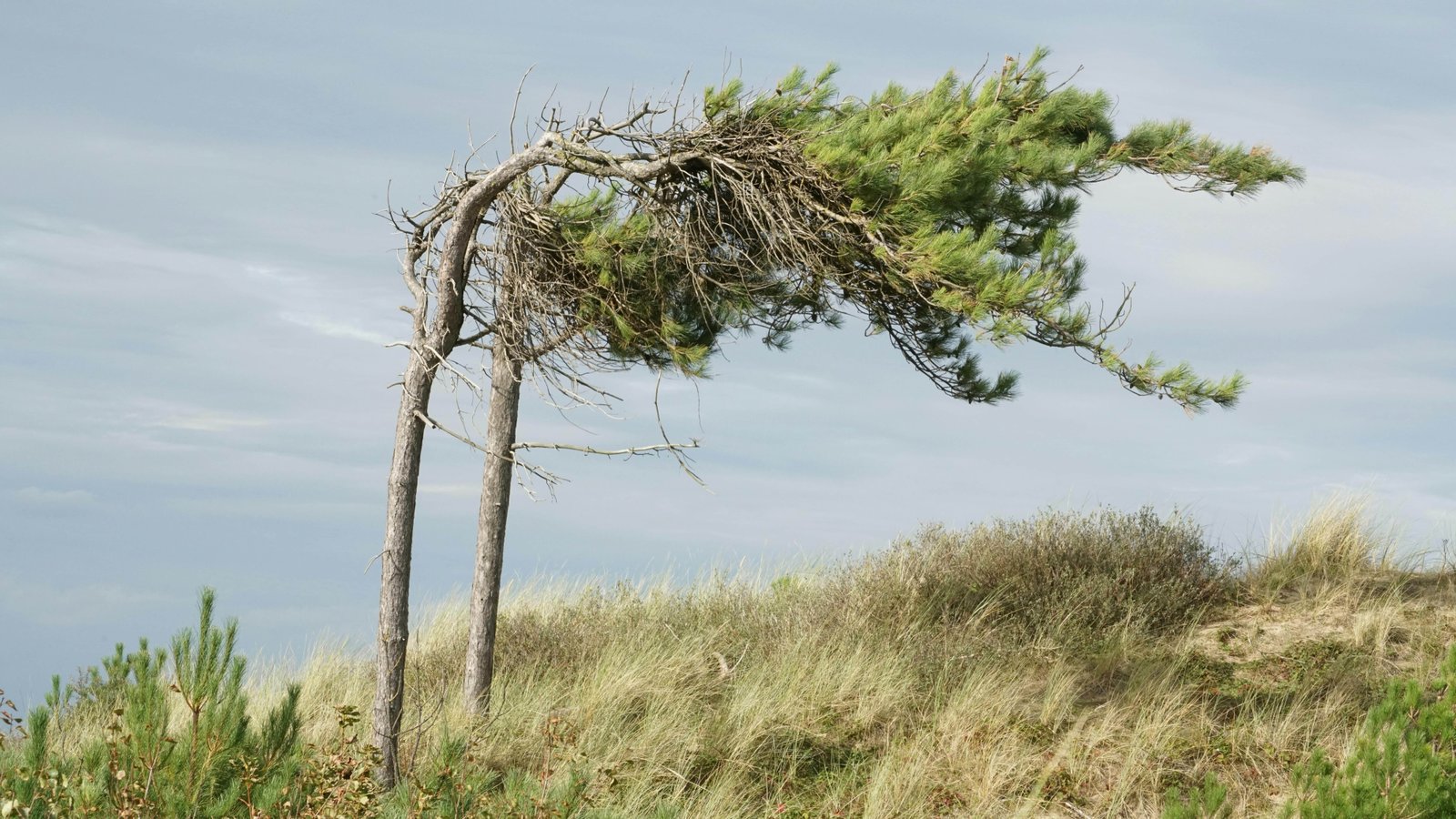
Wind affects joints through its impact on skin temperature and the associated cooling of underlying tissues. A cold day with still air can be much more tolerable for arthritic joints than a moderately cold day with strong wind. The wind chill effect, which describes the accelerated cooling that wind produces, extends into the joint tissues through skin and muscle layers, causing constriction of blood vessels and tightening of connective tissues.
The joints of the extremities, particularly hands, feet, and knees, are most vulnerable to wind effects because they are closest to the skin surface and have less muscle mass insulating them. People who work outdoors or who commute on foot in winter often notice that wind days produce more pain than the temperature alone would predict. The stiffness can persist for hours after returning indoors as the joints gradually rewarm.
Wind-blocking clothing is the primary defense. Wind-proof outer layers, gloves, and scarves that seal around cuffs and necks prevent cold air from reaching the skin surface. Warming up indoors before exposure to wind reduces the shock effect. Keeping movement going while outdoors maintains blood flow to affected joints. For patients with severe wind sensitivity, battery-heated clothing provides direct warmth. Limiting outdoor exposure during high-wind cold events is prudent for anyone whose symptoms flare predictably.
Extreme Heat
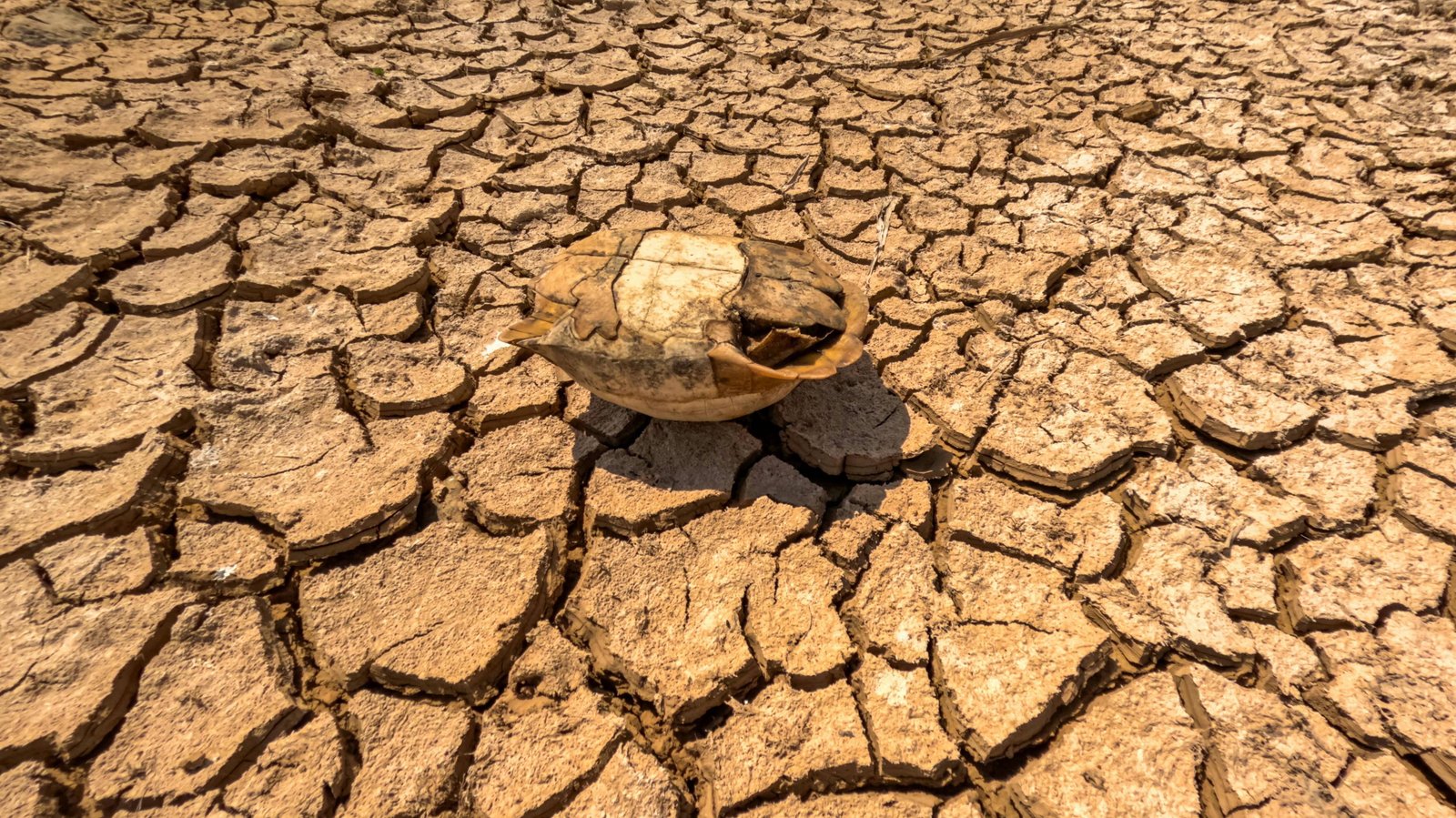
While cold and humidity get most of the attention, extreme heat can also worsen joint pain, particularly for people with inflammatory arthritis conditions. The mechanisms involve systemic physiological stress, dehydration, and the direct effects of heat on inflamed tissues. Joint swelling can increase in heat as blood vessels dilate, and the reduced activity that often accompanies hot weather allows stiffness to develop.
People with rheumatoid arthritis, lupus, and other autoimmune conditions often notice that heat waves trigger flares. The body’s inflammatory response can be heightened during heat stress, and existing joint inflammation may worsen. Additionally, many medications used for these conditions can affect heat tolerance, making patients more vulnerable to the physiological effects of extreme temperatures. Heat exhaustion in medicated patients can trigger cascades that affect joint symptoms as well as general health.
Staying cool is the foundation of heat-wave joint management. Air conditioning, cold showers, cool clothing, and limited outdoor exposure during peak heat hours all help. Hydration is crucial, with cool water being the preferred fluid. Medication timing may need adjustment in consultation with the prescribing physician, since some drugs increase heat sensitivity. Swimming pools provide both cooling and gentle exercise, making them ideal during heat waves when other activities are unwise.
Rapid Temperature Swings

Large temperature changes within a short period, such as a 30-degree swing between morning and afternoon or from one day to the next, stress the body’s adaptive mechanisms in ways that can trigger joint symptoms. The blood vessels that supply joint tissues must adjust to each temperature change, and arthritic joints often adapt less efficiently than healthy ones. The result can be flares that seem disproportionate to the actual temperature range.
Spring and fall are the seasons most prone to rapid temperature swings, and many arthritis patients report that these transitional seasons are actually worse for them than the extremes of winter or summer. The unpredictability of the weather makes preparation difficult, and layer management becomes a constant challenge. Morning stiffness can be particularly severe when the overnight temperature drops significantly below the previous day’s peak.
Dressing in layers that can be added or removed quickly helps manage temperature swings. Keeping a jacket available even on warm-looking days addresses evening cool-downs. Maintaining indoor temperatures in a steady range, rather than letting the indoor environment track outdoor swings, provides a stable baseline. Paying attention to the daily temperature range (high minus low) in the forecast, not just the peak temperature, gives a better sense of what the body will be asked to adapt to.
Damp Cold (Freezing Rain and Sleet)
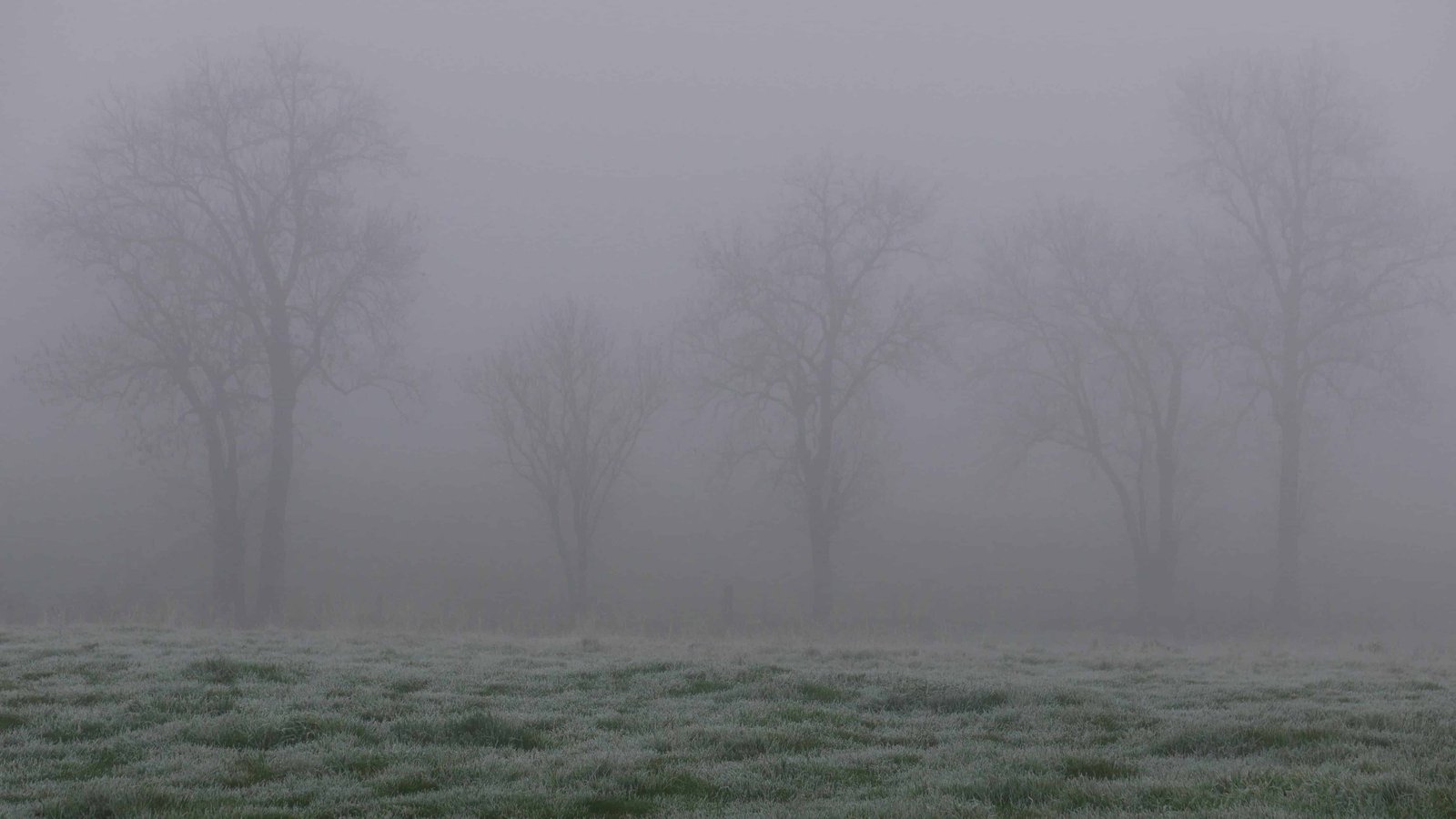
The combination of cold temperatures with high humidity or wet conditions creates some of the most joint-hostile weather possible. Damp cold penetrates clothing more effectively than dry cold because water conducts heat away from the body far faster than air. The sensation of “bone-chilling cold” that damp weather produces is accurate, as the cold does reach deeper into tissues including bones and joints.
Freezing rain, sleet, and wet snow events combine damp cold with the physical stress of navigating slippery surfaces. The tension of walking carefully on ice, combined with the cold-and-damp effect on joints, makes these weather events particularly difficult for anyone with mobility-affecting arthritis. Falls on ice can cause acute injuries on top of chronic joint problems, and the fear of falling itself creates muscle tension that worsens baseline pain.
Waterproof outer layers are essential in damp cold, since wet clothing allows rapid heat loss from the body. Ice grippers for shoes reduce fall risk. Limiting outdoor exposure during damp cold events is the simplest protection. For essential outings, combining waterproof clothing, layered warm base layers, and attention to footing provides the best protection. After returning indoors, changing into dry clothes immediately and warming up thoroughly before outdoor re-exposure helps reset joint conditions.
High-Pressure Weather (Dry and Stable)

Sustained high-pressure weather, often associated with clear skies, dry air, and calm conditions, is generally favorable for joint pain, but not universally so. Some patients report that prolonged periods of stable high pressure can actually increase stiffness, possibly because the reduced stimulation of barometric variability allows tissues to settle into less flexible patterns. Others find that the dry air of high-pressure systems contributes to tissue dehydration that increases stiffness.
The effect is usually less dramatic than low-pressure or transitional weather, and for most arthritis patients, stable weather is an opportunity to feel relatively well. But the minority who experience worsened symptoms during stable high pressure often struggle to make sense of the pattern, since it contradicts conventional wisdom. Tracking symptoms alongside weather data over time reveals these less-common individual patterns.
Maintaining hydration, regular movement, and scheduled stretching during stable weather periods helps prevent the stiffness that sedentary behavior can allow. Using stable weather periods for physical therapy exercises, strength training, and other joint-maintenance activities takes advantage of the relatively pain-free conditions. For patients whose symptoms actually worsen during stable weather, documenting the pattern and discussing it with a rheumatologist can lead to targeted strategies.
Seasonal Allergies During Joint-Sensitive Weather

Seasonal allergies trigger inflammation that extends beyond the sinuses and airways. Systemic inflammatory responses can affect joint symptoms, and the timing of allergy seasons often overlaps with weather-variable transitional periods, producing compound effects. Patients with both allergies and inflammatory arthritis may notice that spring and fall are particularly challenging, with the combined inflammatory load worse than either factor alone.
The mechanism involves cytokines, the chemical messengers that coordinate inflammation. Allergic responses release cytokines throughout the body, not just at the site of the allergic reaction. For joints already dealing with chronic inflammation, the additional cytokine load can push symptoms past manageable thresholds. Patients often report that their joint symptoms track with their allergy symptoms, with both peaking during heavy pollen days.
Controlling allergies reduces the compound effect on joints. Antihistamines, nasal steroids, and allergen avoidance strategies all help. Air purifiers indoors reduce allergen exposure during high-pollen days. Showering after outdoor exposure removes pollen from skin and hair. For patients with significant allergy-joint interaction, consultation with both an allergist and a rheumatologist can produce coordinated management that addresses the combined inflammatory load rather than treating each condition in isolation.
What to Do About It

Weather-related joint pain is real, and it deserves real management. The first step is tracking, either through a journal or one of the apps designed for this purpose. A week of documented symptoms alongside weather data reveals individual patterns that guide prevention. Many patients are surprised to find that their flares follow predictable patterns once the data is visualized, which makes preventive strategies far more effective than reactive ones.
The second step is building a weather-aware management toolkit. This includes the physical items like heating pads, compression sleeves, warm clothing layers, and home humidity control, plus the medication strategies developed with a physician. Pre-medicating for predictable weather events, scaling up anti-inflammatory support during active storm seasons, and adjusting activity levels to work with rather than against the weather all reduce the overall impact of weather sensitivity.
The third step is a frank conversation with a rheumatologist if weather sensitivity is significantly affecting quality of life. Weather-related symptoms are recognized in rheumatology practice, and treatment options have expanded considerably in recent years. Biologic medications, targeted therapies, and lifestyle programs specifically designed for weather-sensitive patients are all available. If a current physician is dismissive of weather-related symptoms, finding one who takes the connection seriously is worthwhile. The correlation between weather and joint pain is well established in the research literature, and any rheumatologist practicing today should be prepared to address it.