Some towns lose a battle with the sky and rebuild. Others lose the war entirely. Across America, there are places where storms, floods, fires, and droughts delivered blows so devastating that the communities simply could not recover. The buildings came down, the people scattered, and the towns faded into memory and overgrown foundations.
These are not ghost towns killed by economics or industry collapse. These are places where weather delivered the final verdict. The stories are dramatic, occasionally heartbreaking, and always a reminder that nature does not negotiate with property lines or zip codes.
Galveston’s East End, Texas (1900)
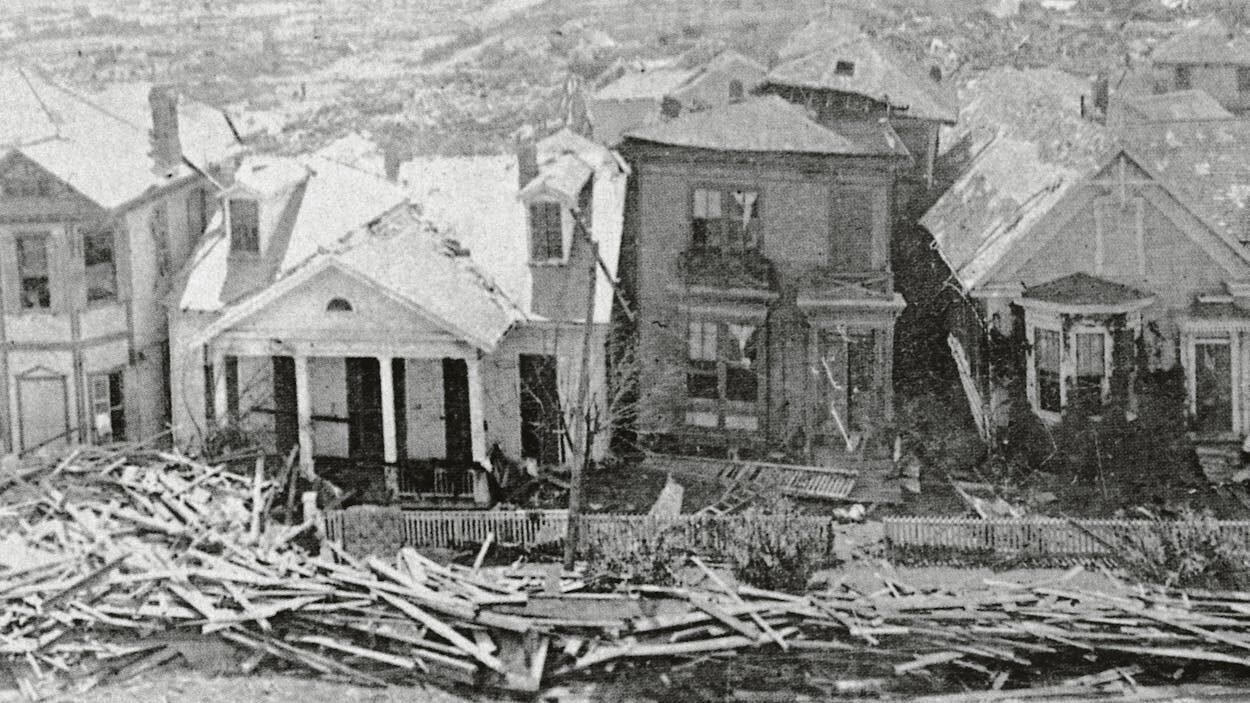
The Great Galveston Hurricane of 1900 remains the deadliest natural disaster in American history, killing between 6,000 and 12,000 people on a barrier island that had no seawall and no warning system. The entire east end of the city was erased by a storm surge that reached 15 feet, sweeping wooden homes off their foundations and piling debris into walls of wreckage that trapped survivors and victims together.
Before the hurricane, Galveston was the wealthiest city in Texas and a major port rivaling New Orleans. After the storm, the city never regained that status. Houston, sitting safely inland, surpassed Galveston within a decade and never looked back.
The city rebuilt its core and constructed a massive seawall, but the neighborhoods on the east end that bore the worst damage never fully returned. Streets that once held mansions and merchant families became vacant lots. The 1900 storm did not just destroy buildings. It redirected the economic future of an entire state.
Johnstown, Pennsylvania (Multiple Floods)
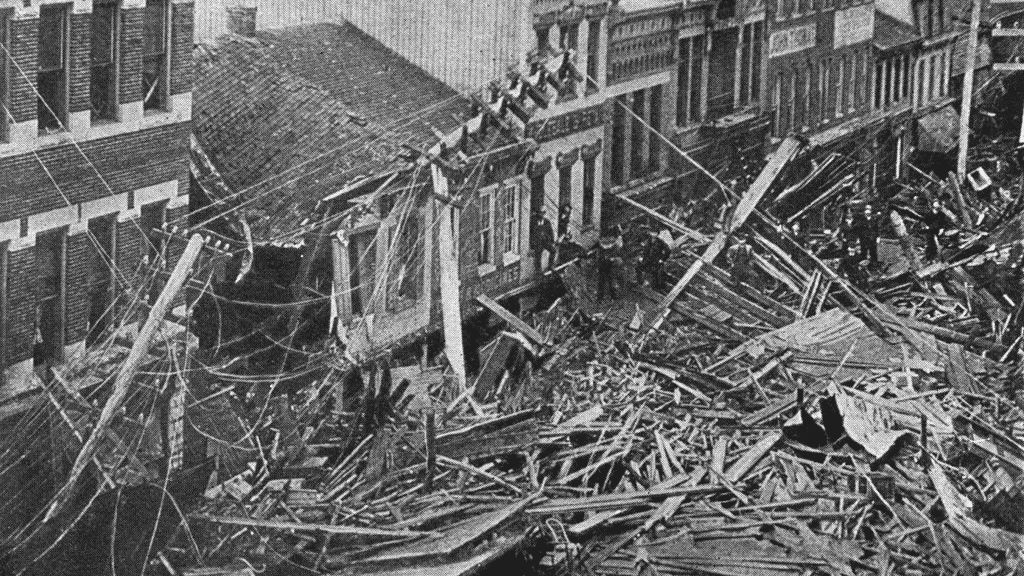
The Johnstown Flood of 1889 killed 2,209 people when the South Fork Dam failed and sent 20 million tons of water crashing through the narrow valley at 40 miles per hour. The wall of water reached 60 feet high in places, carrying houses, railroad cars, and entire buildings before piling everything into a massive debris dam at the Stone Bridge, which then caught fire.
Johnstown rebuilt, but the floods kept coming. Major floods hit again in 1936 and 1977, each time devastating parts of the city that had recovered from the previous disaster. The 1977 flood killed 84 people and displaced thousands more.
Today, Johnstown’s population is a fraction of its peak. Entire neighborhoods that were rebuilt after the 1889 flood and then destroyed again in subsequent floods were never rebuilt a third time. The town survives, but its geography in a narrow valley surrounded by steep hills means it will always be vulnerable. The Flood Museum stands as both memorial and warning.
Indianola, Texas (1875 and 1886)
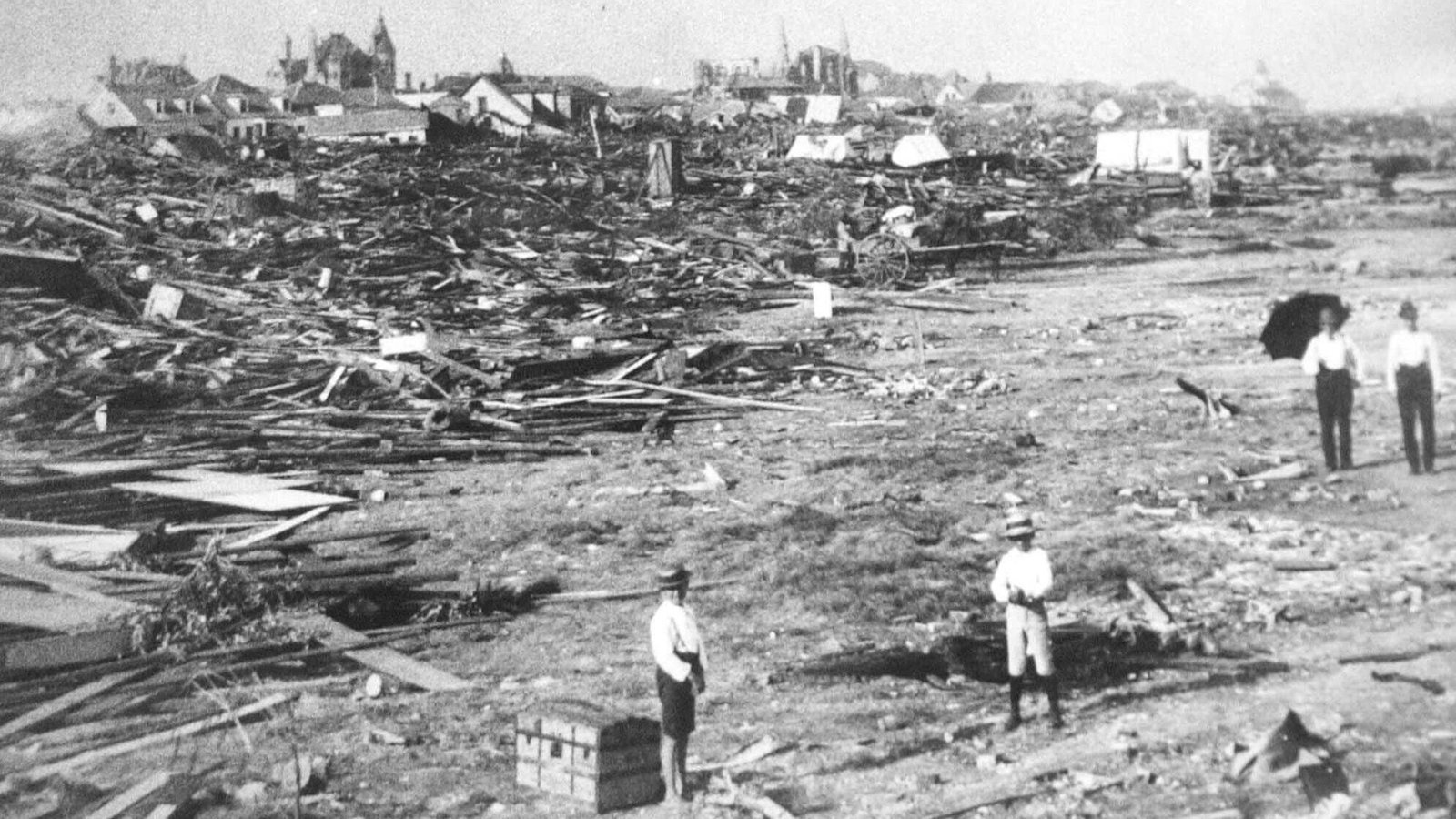
Before Galveston’s disaster, Indianola was one of the most important ports on the Texas coast. The town served as a gateway for German immigrants and a major shipping point for the cattle trade. Two hurricanes, in 1875 and 1886, destroyed the town so completely that it was never rebuilt.
The 1875 hurricane killed nearly 300 people and destroyed most structures, but residents returned and started rebuilding. The 1886 hurricane finished the job, leveling everything that remained and convincing survivors that the location was simply too dangerous for permanent settlement.
Today, Indianola is a historical marker and a scattering of foundations visible at low tide. The site sits on Matagorda Bay, exposed to every Gulf storm that pushes north. The town that was once considered a rival to Galveston has been reduced to a cautionary tale about building cities on barrier coastlines without understanding what hurricanes can do.
Picher, Oklahoma (Tornado, 2008)
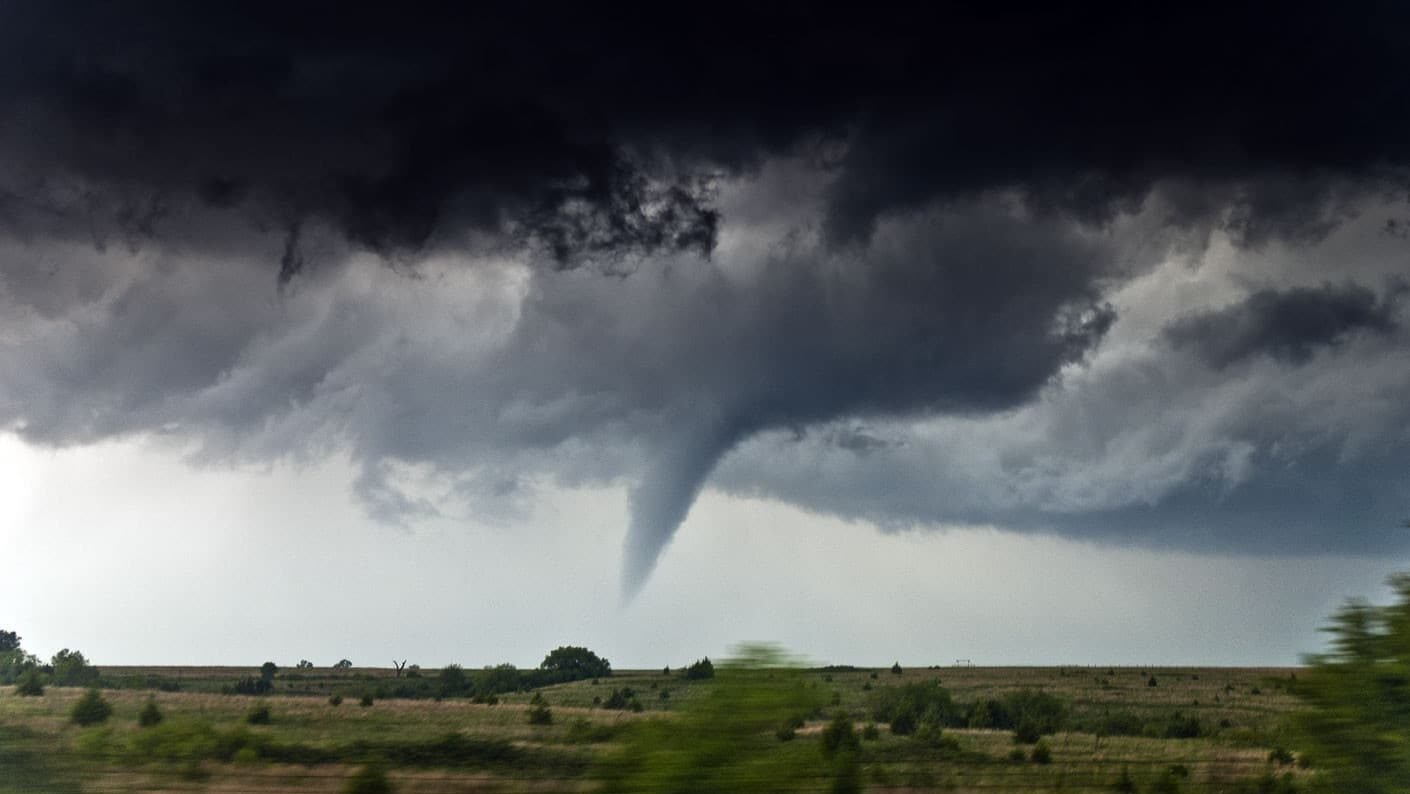
Picher was already dying from lead and zinc mining contamination when an EF4 tornado delivered the killing blow on May 10, 2008. The tornado tore through the center of town, destroying homes and buildings that were already compromised by decades of environmental damage. Six people died, and the destruction accelerated the government buyout that was already relocating residents away from the toxic mining waste.
The lead contamination alone would have eventually emptied Picher. Children showed dangerously high lead levels in their blood, sinkholes opened over collapsed mine tunnels, and mountains of toxic chat waste towered over the town. But the tornado turned a slow decline into sudden abandonment.
By 2009, Picher was officially dissolved as a municipality. Today, the town is completely empty, with only crumbling foundations and toxic waste piles marking where a community of thousands once lived. Picher was killed by a combination of environmental destruction and extreme weather, each one making the other worse.
Valmeyer, Illinois (1993 Flood)
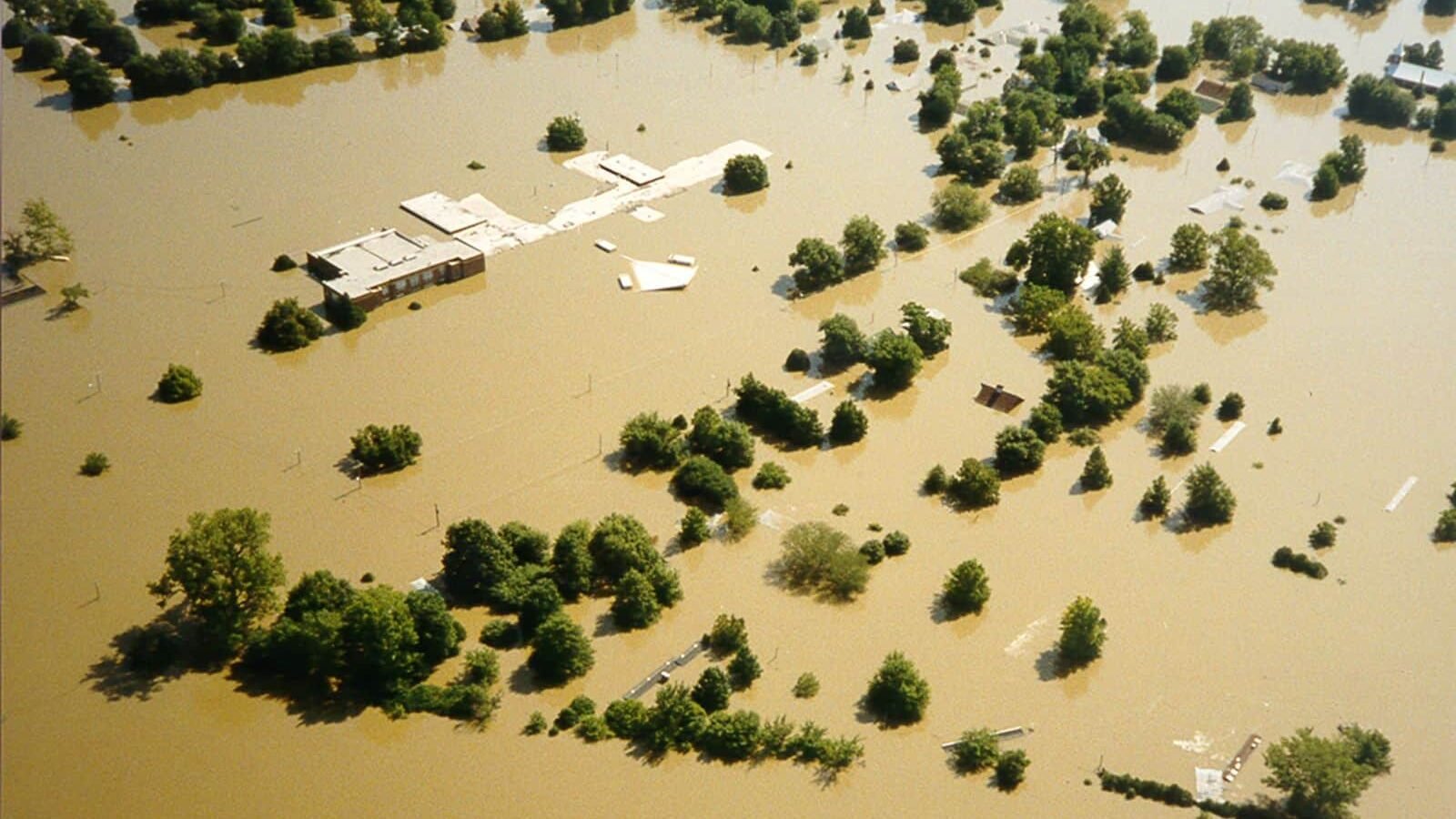
The Great Flood of 1993 inundated Valmeyer when the Mississippi River overwhelmed levees and put the entire town under water. Every home, business, and public building was flooded, and the damage was so complete that residents made a radical decision: they would not rebuild in the same spot.
Instead, the community relocated two miles east to higher ground, constructing an entirely new town on a bluff above the floodplain. The old town site was abandoned to the river, with only foundations and broken streets marking where Valmeyer once stood.
The relocation worked. New Valmeyer sits safely above the flood line, and the community survived as a functioning town. But old Valmeyer is gone, reclaimed by vegetation and periodic flooding that proves the decision to move was correct. It remains one of the few cases where an entire American town picked up and moved rather than fight a river it could never beat.
Greensburg, Kansas (2007 Tornado)
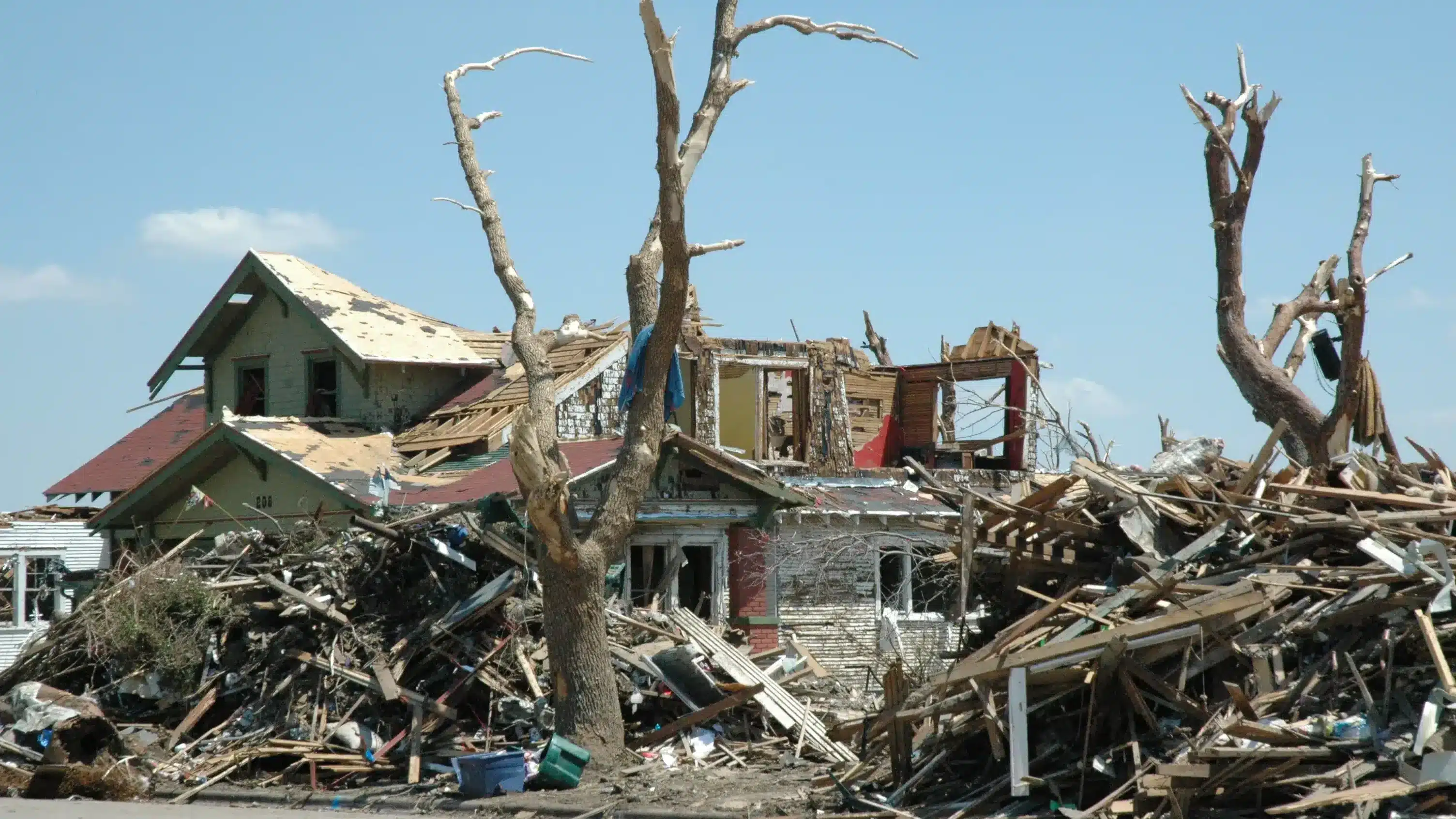
An EF5 tornado with winds exceeding 200 mph destroyed 95 percent of Greensburg on May 4, 2007. The tornado was nearly two miles wide and left a damage path that erased the town from its foundations. Eleven people died, and virtually every structure in town was leveled or damaged beyond repair.
Greensburg made the unusual decision to rebuild as a “green” town, using sustainable construction and renewable energy throughout the reconstruction. The effort attracted national attention and federal funding, and the new Greensburg features LEED-certified buildings and a wind farm that powers the entire community.
But the population never recovered. Before the tornado, about 1,400 people lived in Greensburg. Today, fewer than 800 remain. Many residents, especially older ones, simply could not face rebuilding and moved elsewhere permanently. The green rebuilding is a genuine achievement, but Greensburg is still half the town it was before the sky fell on it.
East Grand Forks, Minnesota (1997 Flood)
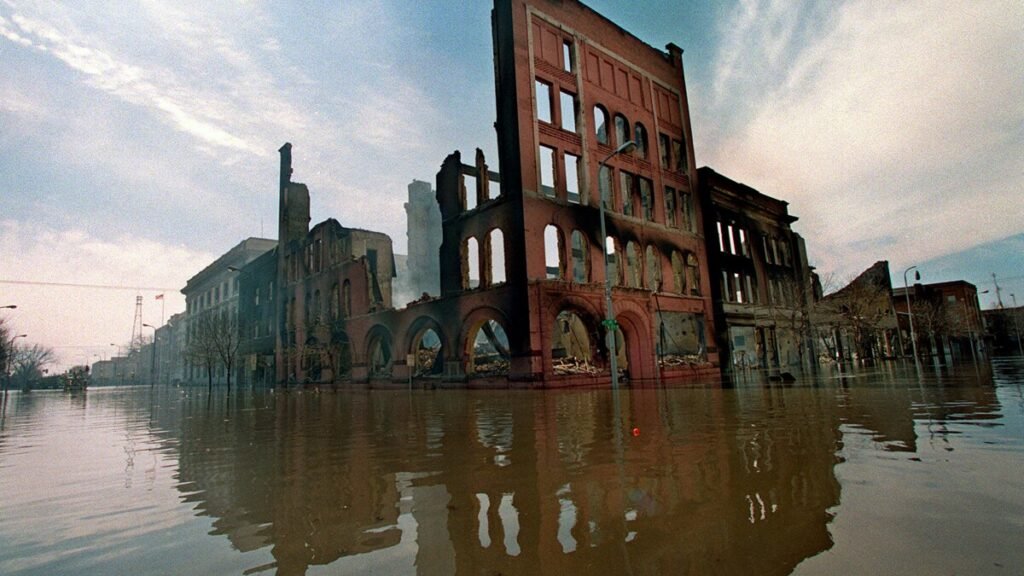
The Red River of the North flooded catastrophically in April 1997, and East Grand Forks took one of the worst hits. The river crested at 54 feet, more than 26 feet above flood stage, overwhelming the dike system and inundating most of the city. Entire neighborhoods were submerged under several feet of water for weeks.
The flooding destroyed or severely damaged hundreds of homes, and the city spent years demolishing structures and buying out property owners. Entire blocks were cleared and converted to green space, creating a permanent buffer between the rebuilt city and the river.
East Grand Forks recovered as a smaller, more compact town, but the neighborhoods closest to the river never came back. The green spaces that replaced them serve as parks and flood absorption zones, a practical solution that also serves as a visual reminder of how much the river took. The town learned that living next to the Red River means accepting periodic devastation or moving to higher ground.
Rhineland, Texas (1950s Drought)
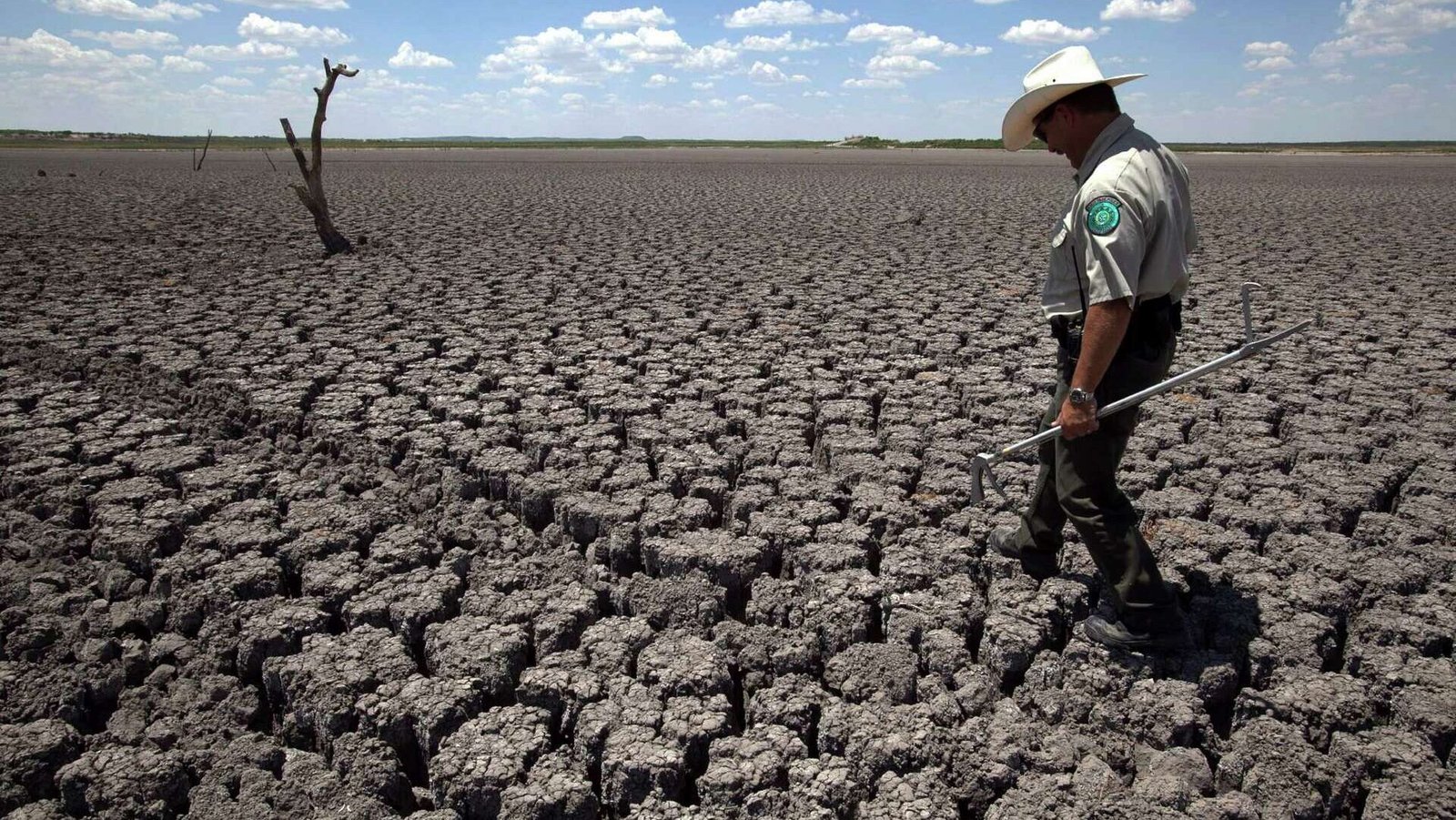
Not every town destroyed by weather falls to a single dramatic event. Rhineland, a German Catholic farming community in Knox County, was slowly strangled by the drought of the 1950s, the worst drought in Texas recorded history. Seven consecutive years of below-normal rainfall turned productive farmland into dust and drove families off the land.
The population, which had sustained a church, school, and active community life for decades, dwindled as farms failed and families moved to cities for work. Without the farming economy, the town’s institutions could not survive.
Today, Rhineland is a handful of remaining structures around a church that still holds occasional services. The surrounding farmland recovered when the rains returned, but the community did not. Rhineland is a reminder that drought kills towns differently than tornadoes. It does not destroy buildings. It destroys the economic foundation that keeps people in them.
Nags Head Woods, North Carolina (Multiple Hurricanes)
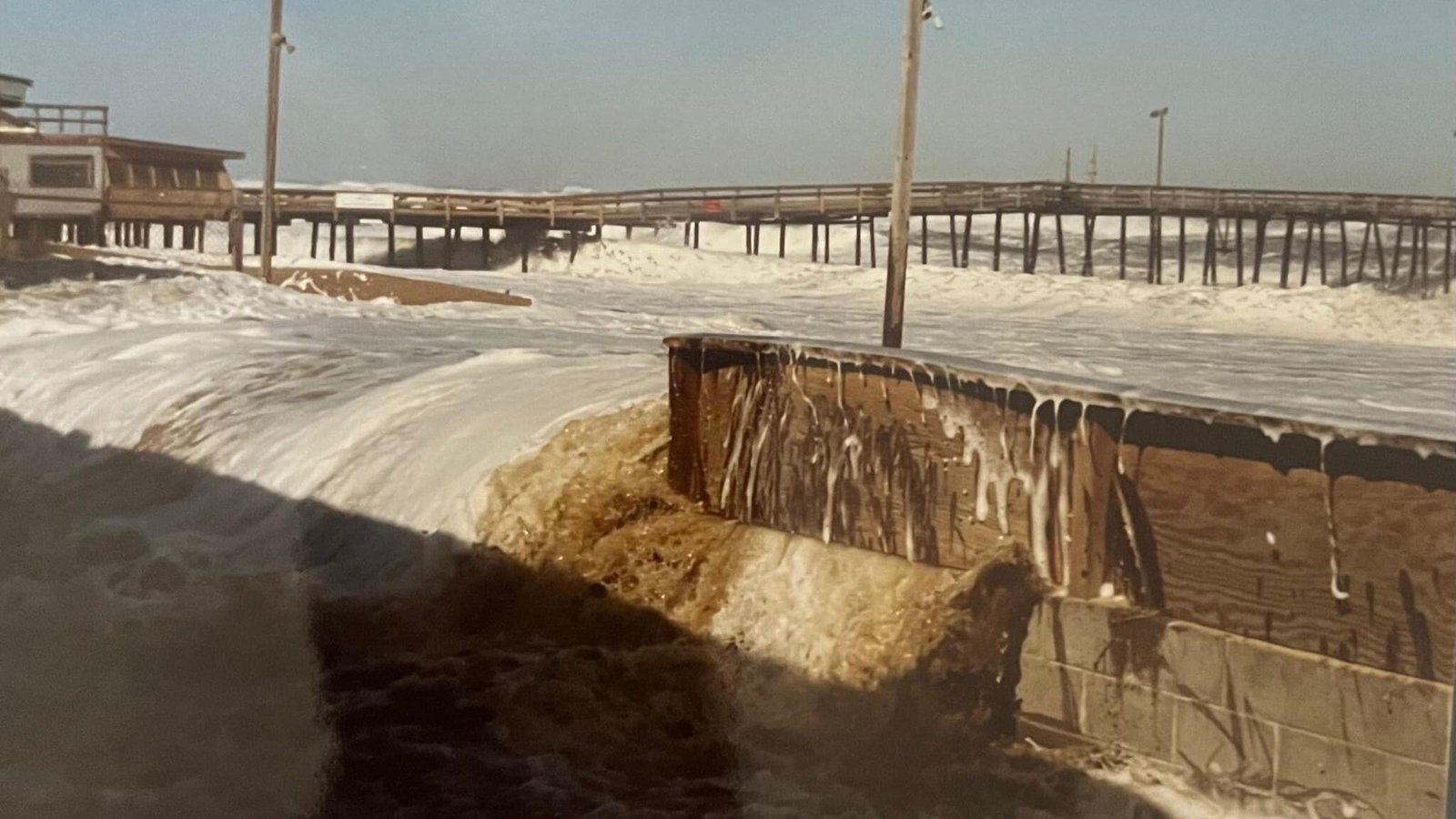
The Outer Banks of North Carolina have lost entire communities to hurricanes over the centuries. The village of Diamond City on Shackleford Banks was abandoned after the San Ciriaco Hurricane of 1899, which battered the community so severely that residents dismantled their houses, loaded the lumber onto boats, and sailed to the mainland.
They literally took their town with them, reassembling homes in Morehead City and Harkers Island. The site of Diamond City has been empty for over a century, with only cemetery markers and scattered foundations visible among the maritime forest and sand dunes.
The Outer Banks continue to lose ground to storms. Entire islands have been reshaped or split by hurricanes, and communities that existed on early maps have long since washed into the Atlantic. Diamond City is the most dramatic example because the departure was deliberate, a community that understood the weather had won and made the rational decision to leave.
Centralia, Pennsylvania (Underground Fire, 1962-Present)
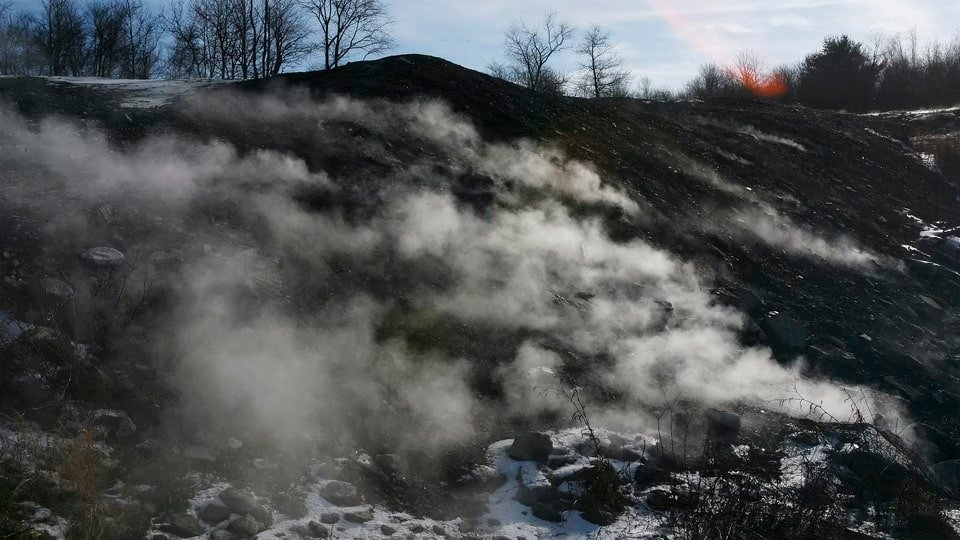
Centralia’s destruction came from below rather than above, but the fire that has been burning beneath the town since 1962 was started by weather-related conditions and trash burning that ignited exposed coal seams. The underground fire spread through miles of abandoned mine tunnels, heating the ground, venting toxic gases, and opening sinkholes that swallowed roads and yards.
The government relocated most residents in the 1980s and 1990s, offering buyouts that most people accepted. A handful of holdouts refused to leave, but the town’s infrastructure collapsed around them. The post office closed, the zip code was revoked, and nearly every building was demolished.
Today, fewer than ten people remain in a town that once housed over a thousand. The abandoned stretch of Route 61 has become an unofficial tourist attraction, its pavement buckled and cracked by heat from below. Centralia is not technically a weather disaster, but the fire that destroyed it was ignited by human activity interacting with geological and atmospheric conditions that proved impossible to control.
Pattonsburg, Missouri (1993 Flood)
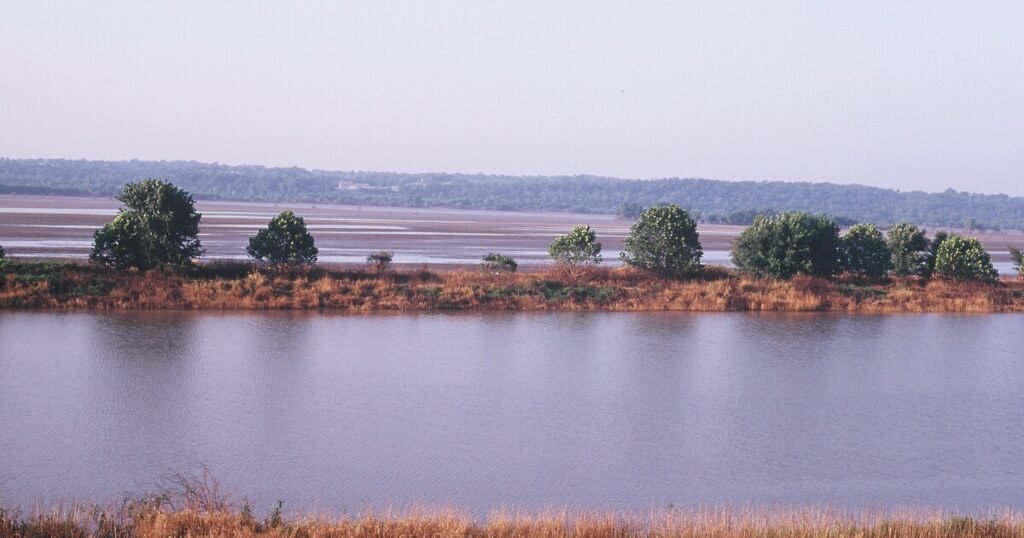
Like Valmeyer, Pattonsburg was so thoroughly destroyed by the 1993 flood that the community decided to relocate rather than rebuild in the floodplain. The Grand River overwhelmed the town, flooding every structure and proving that the location was fundamentally incompatible with the river’s behavior during major rain events.
The entire town moved three miles to higher ground, constructing new homes, a school, and public buildings on a site that the river could not reach. The process took years and tested the community’s patience, but the result was a functional town in a safe location.
Old Pattonsburg sits empty, its streets crumbling and its building pads slowly being reclaimed by grass and trees. The river floods the old site regularly, confirming the decision to move. Pattonsburg’s story is less tragic than some on this list because the community survived. But the original town, the one that occupied that specific piece of ground, is gone forever.
Kiowa, Kansas (2018 Wildfire)
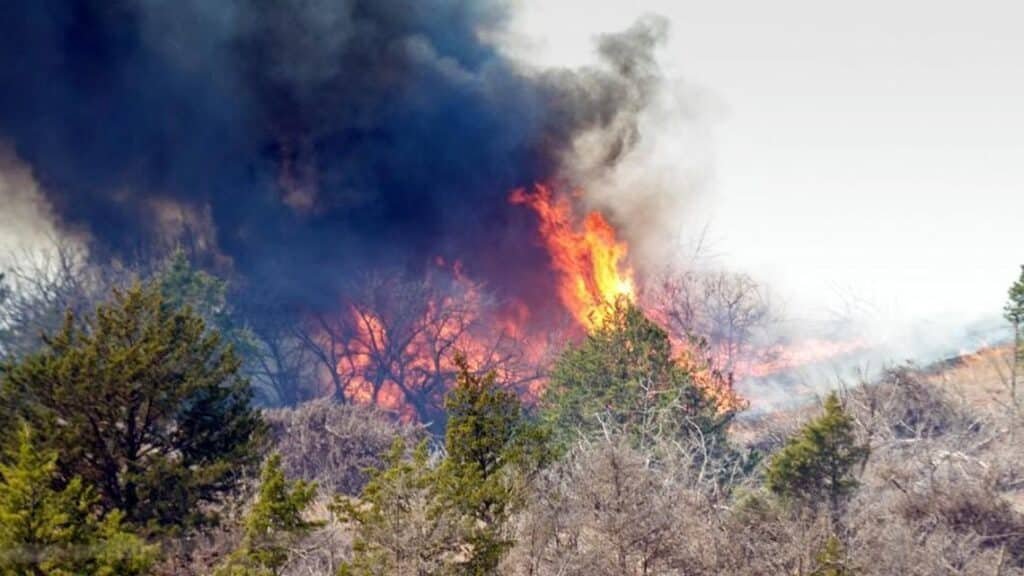
Wildfires driven by extreme drought and high winds swept through southern Kansas in March 2017 and again in 2018, burning over a million acres across Kansas and Oklahoma. The Anderson Creek Fire and subsequent blazes destroyed ranch land, cattle, and structures across a region that was already economically struggling.
Small communities in the burn zone lost homes, barns, fencing, and livestock that represented generations of family investment. Some ranching families, faced with the cost of rebuilding fences across thousands of acres and replacing herds, simply could not continue. They sold what was left and moved on.
The fires did not destroy a single town in the way a tornado does, but they hollowed out the rural communities that depended on the grassland economy. Scattered ranch homes and small crossroads settlements simply disappeared as families left. The prairie recovers from fire quickly, but the communities that lived on it proved more fragile than the grass.
Last Island, Louisiana (1856 Hurricane)
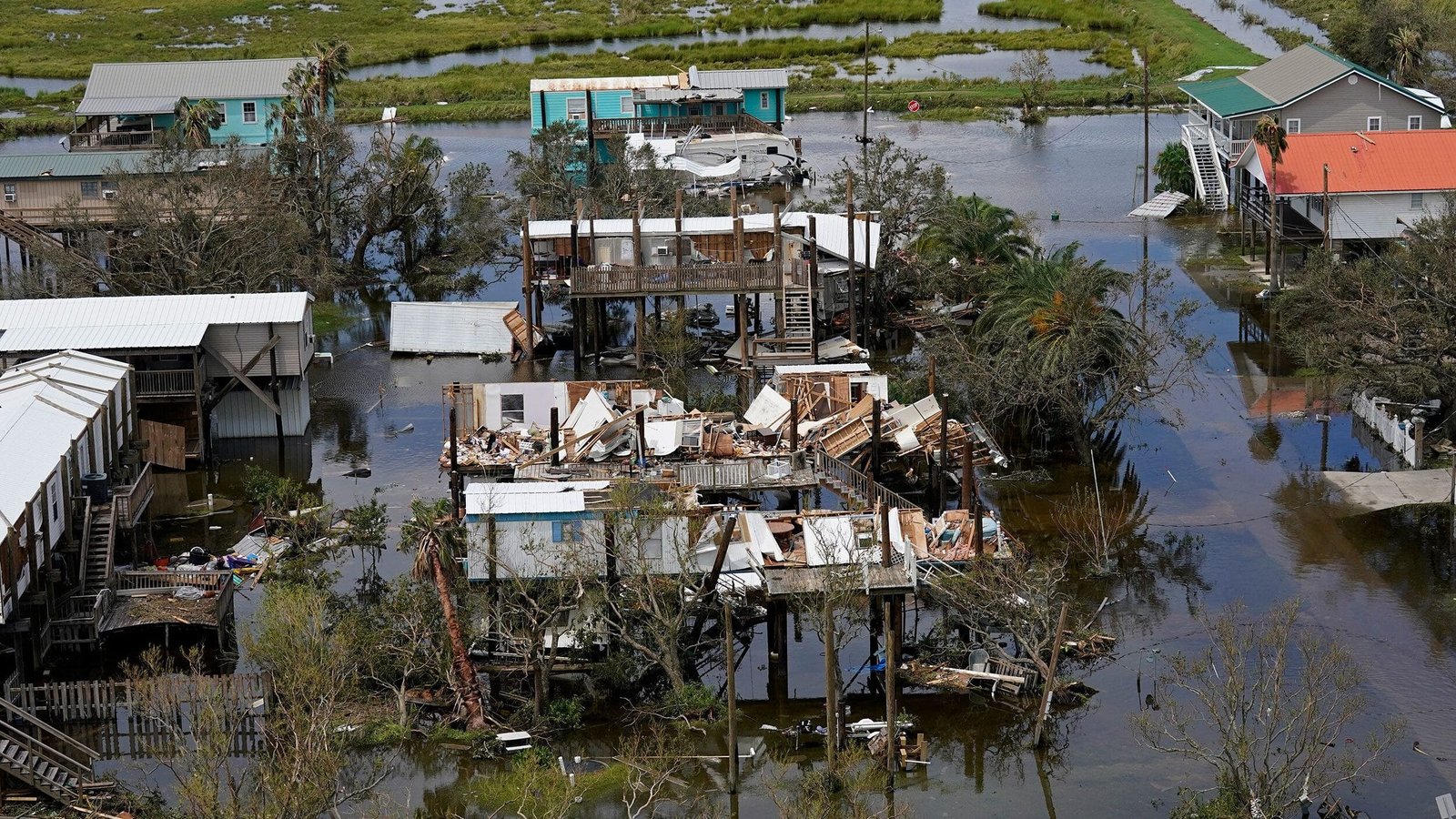
Isle Derniere, or Last Island, was a popular resort destination for wealthy New Orleans families in the 1850s. Hotels, summer cottages, and a dance hall sat on the low-lying barrier island off the Louisiana coast. On August 10, 1856, a hurricane struck the island with catastrophic storm surge that washed over the entire landmass.
Nearly 200 of the approximately 400 people on the island died. The resort buildings were completely destroyed, and the storm surge cut the island in half, creating a permanent breach that still exists today. Survivors were rescued by a passing steamship, but the island was never rebuilt as a habitation.
Last Island became exactly what its name suggested: the last island, broken and uninhabited. It has continued to erode over the intervening 170 years, shrinking steadily as Gulf storms and sea level rise reduce it. The luxury resort that once drew New Orleans society has been reduced to a shifting sandbar populated by seabirds.
Portage, Wisconsin (2008 Flood)
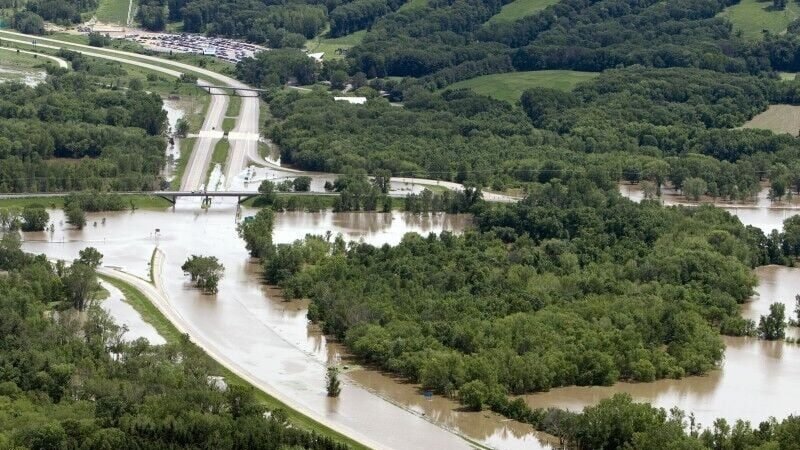
The June 2008 floods in Wisconsin were catastrophic across the central part of the state, and communities along the Wisconsin and Baraboo rivers suffered devastating damage. Lake Delton, near Wisconsin Dells, drained entirely when floodwaters cut a new channel through a road embankment, sending the entire lake cascading into the Wisconsin River in a matter of hours.
Homes that had sat on the lakeshore suddenly perched on the edge of an empty basin. Neighborhoods around the lake were abandoned, and the economic damage to a region built on water recreation was severe. The lake eventually refilled, but several shoreline properties were never rebuilt.
The 2008 flood reshaped the Wisconsin Dells landscape permanently. New channels cut through sandstone formations that had stood for thousands of years, and flood damage to roads and infrastructure took years to repair. Some smaller communities along the flood path simply could not absorb the cost of rebuilding and contracted permanently.
Holland Island, Maryland (Sea Level Rise)
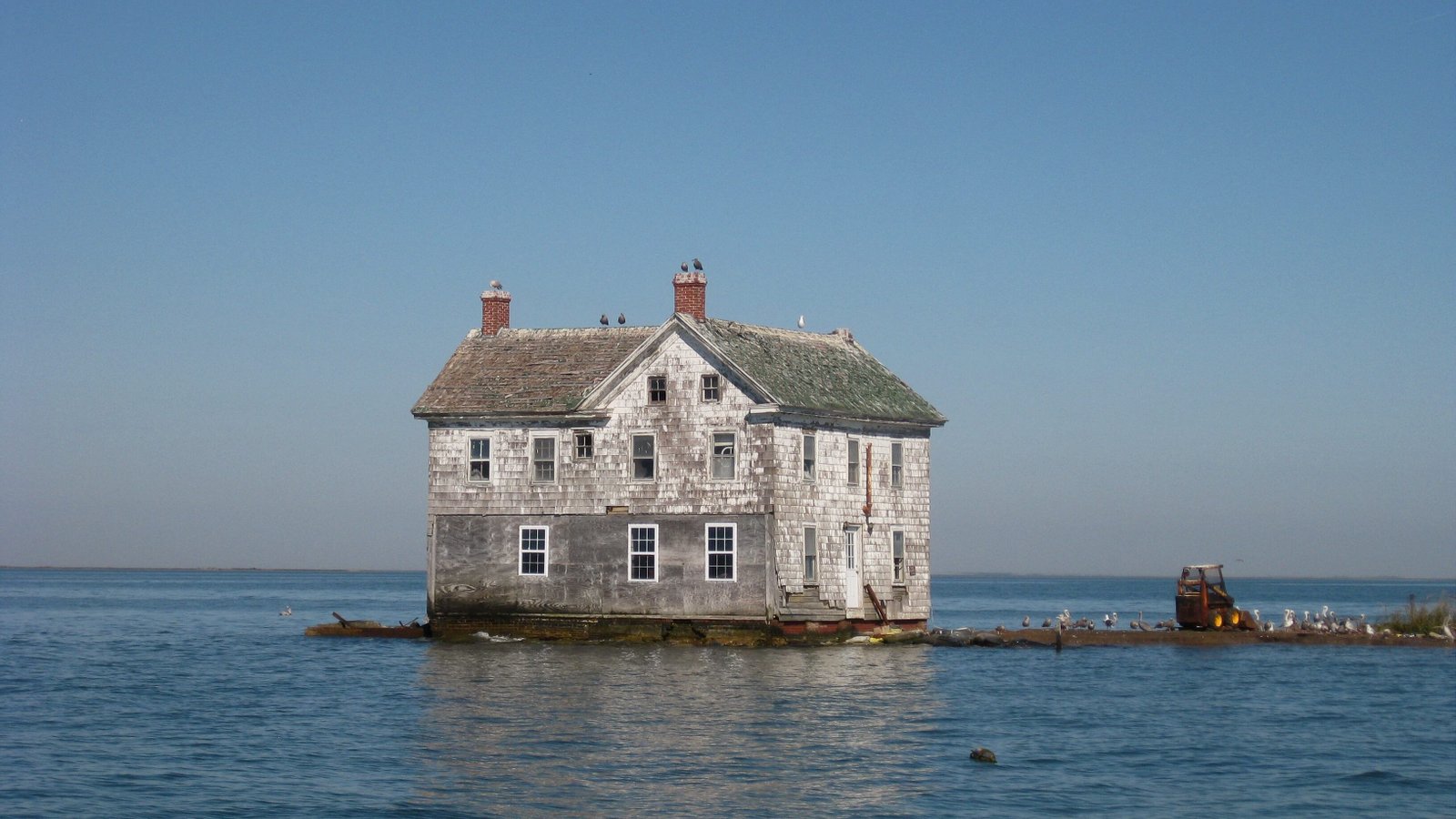
Holland Island in the Chesapeake Bay was once home to a thriving community of over 300 people. Fishing families built homes, a school, a church, and stores on the island, which sat barely above sea level in the middle of the bay. Erosion and rising water levels began eating away at the island in the early 1900s.
By the 1920s, residents began abandoning the island as their land literally fell into the bay. The last inhabited house, a Victorian-era home that became an iconic symbol of sea level rise, collapsed into the Chesapeake in 2010 after years of photographed decay.
Today, Holland Island is a barely visible marsh at high tide, occasionally visited by boaters who anchor over what used to be streets. The cemetery has been relocated, the church was barged to the mainland, and the community exists only in photographs and family stories. Holland Island was not destroyed by a single storm. It was destroyed by the slow, steady rise of water that the weather cycle kept pushing higher, year after year, until nothing was left.