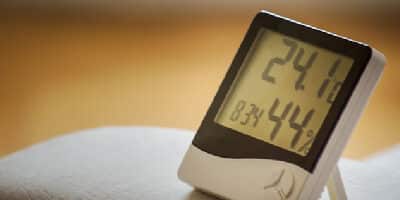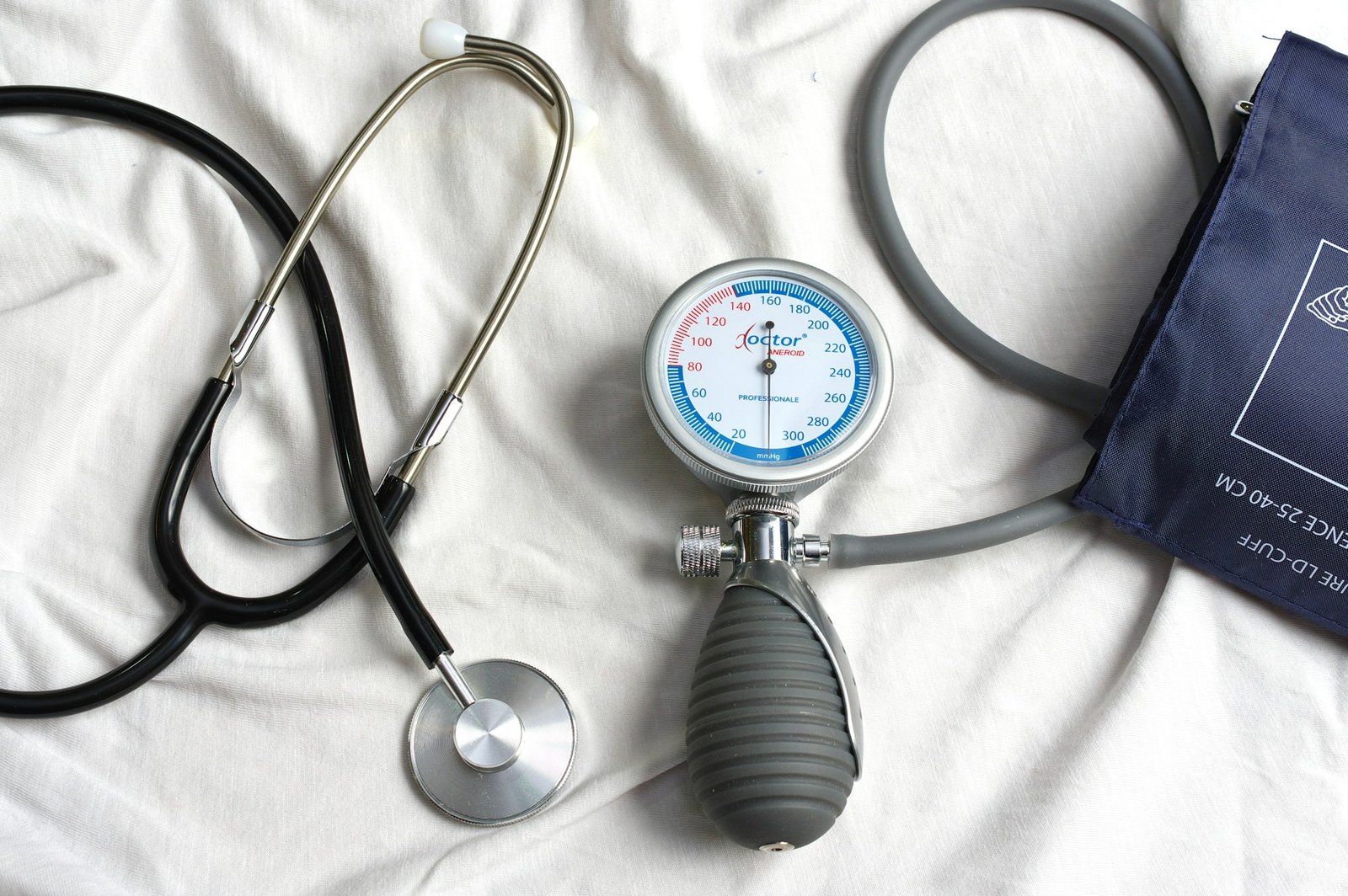
Most people check the weather forecast for temperature and precipitation, but the number that actually affects how you feel is one that rarely gets mentioned: barometric pressure. This is the weight of the atmosphere pressing down on everything, including your body, and when it changes, your body changes with it. Some people feel it as a headache hours before a storm arrives. Others feel it in their joints, their sinuses, their mood, or their sleep.
Barometric pressure is measured in inches of mercury or millibars, and a typical range is about 29.80 to 30.20 inHg. When a low-pressure system moves in, the reading drops. When a high-pressure system takes over, the reading rises. These changes happen dozens of times a year in most climates, and the human body, which evolved under relatively stable atmospheric conditions, does not always adapt smoothly.
The research on weather-related physical symptoms has grown substantially in the past two decades, and while some connections are well established, others are still being investigated. What follows is a rundown of 15 documented ways that pressure changes affect the body, along with practical strategies for managing the symptoms. If you have ever said “I can feel a storm coming,” this list is for you.
Headaches and Migraines

Of all the weather-related symptoms, the connection between barometric pressure and headaches is among the most studied. A 2015 study in the journal Internal Medicine found that people prone to migraines experienced more frequent attacks on days when barometric pressure dropped, and the effect was strong enough that researchers could predict migraine frequency from pressure data alone. The mechanism is not fully understood, but the leading theory involves changes in the pressure difference between the sinuses and the outside air, which can irritate the trigeminal nerve and trigger a cascade of pain signals.
The symptoms typically arrive six to twenty-four hours before a storm actually breaks, which is why so many chronic headache sufferers become accurate amateur meteorologists. The pain is often described as a pressure or squeezing sensation rather than a sharp ache, and it frequently concentrates behind the eyes or at the temples. Some people also experience visual disturbances, nausea, and sensitivity to light that mimic a classic migraine pattern.
For management, tracking pressure changes using a weather app or a home barometer allows you to anticipate attacks and pre-medicate if you have a prescription. Staying hydrated, maintaining consistent sleep, and avoiding alcohol during pressure drops can all reduce severity. For chronic sufferers, a conversation with a neurologist about preventive medications may be worthwhile if the weather correlation is strong and predictable.
Joint Pain and Arthritis Flares

The old claim that grandmother could feel a storm coming in her knees has a genuine physiological basis. When barometric pressure drops, the tissues surrounding joints, including tendons, muscles, and scar tissue, can expand slightly as the outside pressure holding them in place decreases. In healthy joints, this expansion is imperceptible. In joints affected by arthritis, inflammation, or old injuries, even tiny amounts of swelling can trigger pain by pressing on nerves or inflamed tissue.
A 2014 study in the journal Pain found that people with osteoarthritis reported worse symptoms on days when barometric pressure was low and temperatures were cooler. The effect was most pronounced in the knees, hands, and hips. Another study found that people with rheumatoid arthritis also reported weather-related symptom patterns, though the individual variability was high. Some people feel pressure changes strongly, others barely notice them.
Management strategies include keeping the affected joints warm, since cold amplifies the pressure effect. Gentle movement and stretching can reduce stiffness during pressure drops, though high-impact activity should be avoided during severe flares. Anti-inflammatory medications taken at the first sign of pressure change can reduce the severity of a flare. Compression sleeves, heating pads, and warm baths all provide direct symptom relief when a low-pressure system arrives.
Sinus Pressure and Congestion
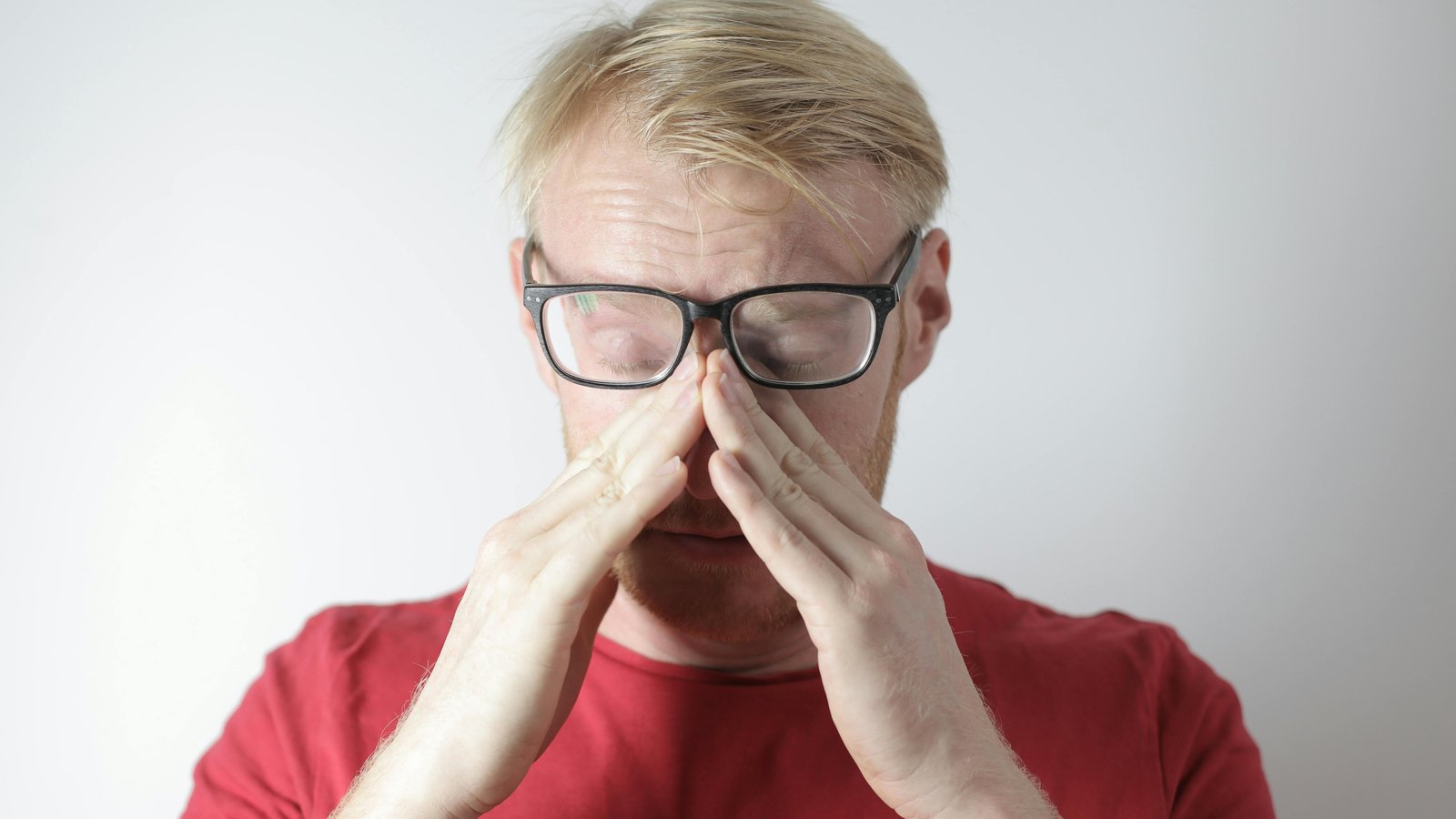
The sinuses are air-filled cavities in the skull, and they are directly connected to the outside atmosphere through small openings in the nose. When barometric pressure changes rapidly, the air inside the sinuses takes time to equalize with the air outside, and the temporary pressure differential can cause pain, stuffiness, and a sense of fullness in the face. People with chronic sinusitis, allergies, or a deviated septum experience this more intensely because their sinus openings are already narrowed or inflamed.
The symptoms are typically felt as pressure behind the eyes, across the cheekbones, or at the forehead. A rapid pressure drop, such as occurs with a fast-moving cold front, can produce symptoms within hours. Slower pressure changes tend to cause milder but longer-lasting discomfort. Some people also experience ear pressure, muffled hearing, or a temporary hearing loss as the eustachian tubes struggle to equalize pressure.
Steam inhalation, saline nasal rinses, and hot showers all help equalize sinus pressure and relieve symptoms. Decongestants can provide temporary relief but should be used sparingly, as rebound congestion is a common problem. Staying hydrated keeps the mucus thin enough to drain properly, which reduces the severity of pressure-related sinus problems. For chronic sufferers, a conversation with an ENT about long-term management options may be worthwhile.
Blood Pressure Fluctuations
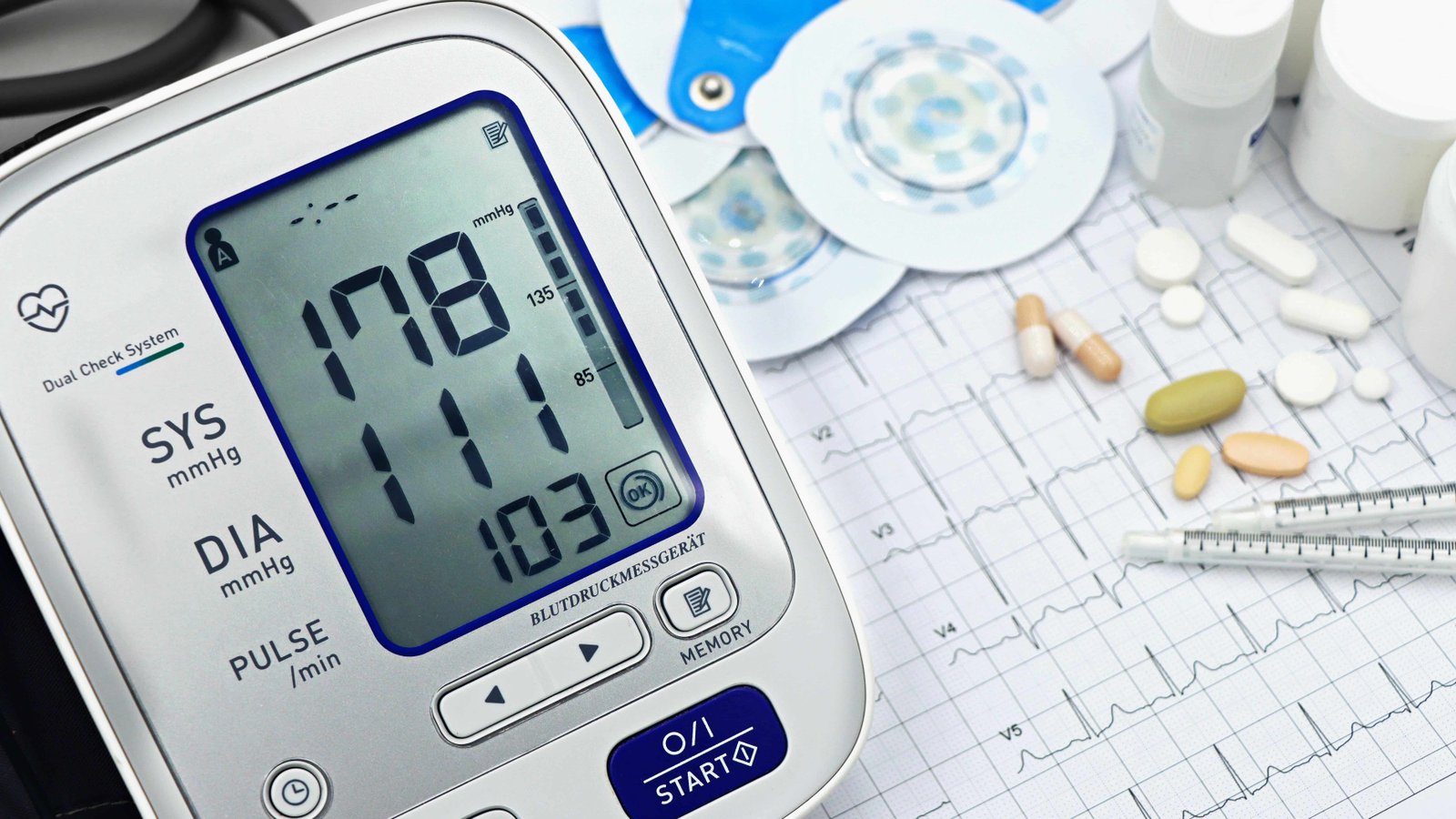
Barometric pressure affects blood pressure in complex ways, and the relationship has been the subject of significant research because of its implications for cardiovascular health. When atmospheric pressure drops, blood vessels can dilate slightly, which may cause a modest drop in blood pressure in healthy individuals. For people with hypertension, the effect is less predictable, and some studies have found that low pressure correlates with increased cardiovascular events.
A 2019 study published in the Journal of the American Heart Association found that rapid changes in barometric pressure, particularly drops of 10 millibars or more within 24 hours, were associated with increased risk of ischemic stroke in susceptible patients. Cold fronts, which typically produce the most rapid pressure changes, showed the strongest correlation. The exact mechanism is still being studied, but changes in blood vessel tone, blood viscosity, and clotting factors all appear to play a role.
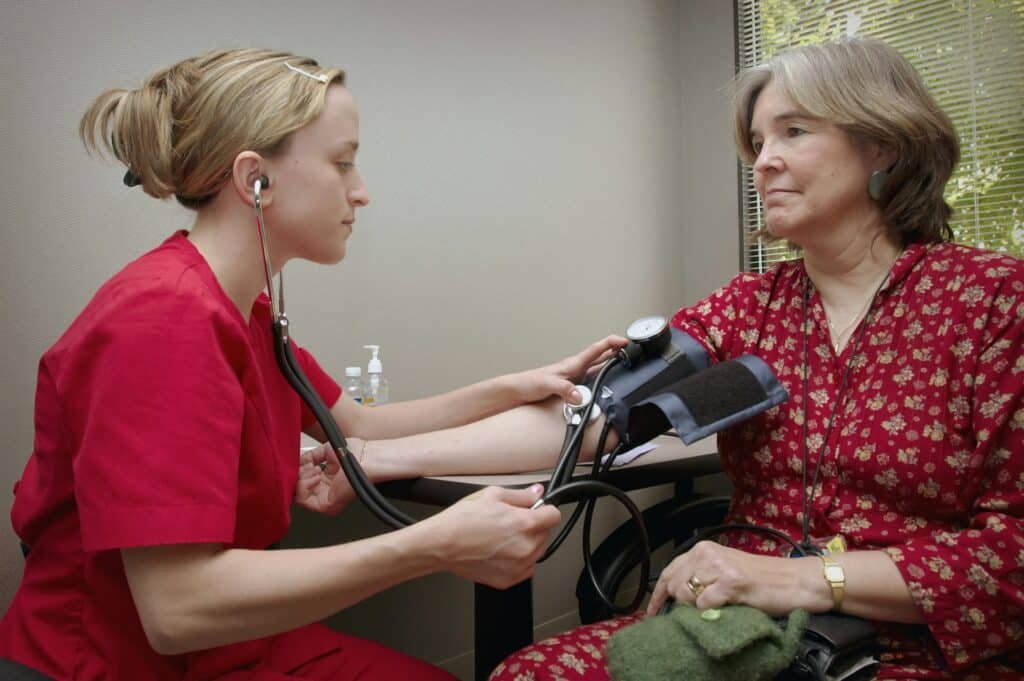
For people with cardiovascular conditions, monitoring blood pressure more frequently during weather changes is a prudent strategy. Maintaining medication schedules, avoiding strenuous outdoor activity during rapid weather transitions, and keeping the body warm during cold fronts all reduce cardiovascular strain. Anyone with known hypertension or a history of stroke should discuss weather-related risks with their physician, particularly before seasonal transitions.
Fatigue and Low Energy

The sensation of feeling drained, heavy, or mentally foggy before and during low-pressure weather events is reported by a substantial portion of the population, and the physiological basis involves several mechanisms working together. The slight drop in available oxygen at lower atmospheric pressure, while too small to matter at sea level in healthy individuals, can contribute to the feeling of reduced alertness. The simultaneous effects on sleep quality, mood chemicals, and circulation compound the fatigue.
Cloud cover and reduced sunlight during low-pressure systems also contribute to the fatigue response by affecting serotonin and melatonin production. The brain interprets the dimmer light as an evening cue, which can trigger earlier release of sleep-promoting hormones and produce the characteristic heaviness and desire to nap that many people experience on gloomy days. For sensitive individuals, the combination of pressure effects and light effects can be significant enough to disrupt normal productivity.
Counter-strategies include maintaining regular sleep-wake times regardless of weather, getting bright light exposure in the morning even on cloudy days (light therapy boxes are effective), and moderate physical activity, which boosts alertness even when motivation is low. Caffeine used strategically can help, though relying on it during every low-pressure event can create dependence. For people with severe weather-related fatigue, evaluation for seasonal affective disorder or chronic fatigue conditions may be worthwhile.
Asthma Symptoms
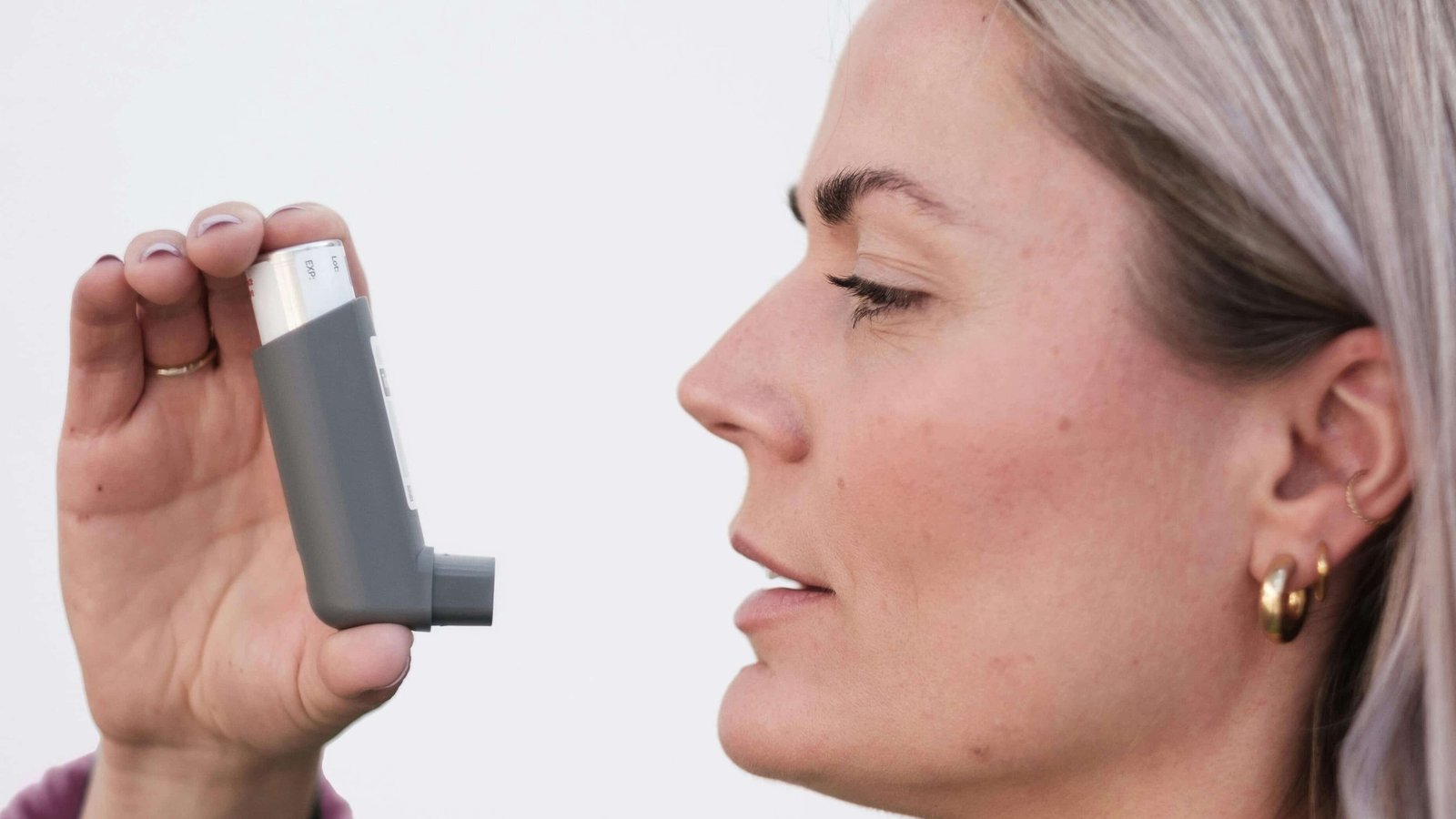
Low barometric pressure is associated with worsening asthma symptoms in a significant portion of asthmatic patients. The mechanisms are multiple. Cold, damp air that typically accompanies low-pressure systems can trigger bronchospasm directly. Changes in pressure affect the distribution of pollen, mold spores, and air pollutants, often concentrating them during and after weather changes. And the pressure changes themselves appear to affect airway tissue in ways that can increase reactivity.
A 2014 study in the journal Respiratory Medicine found that hospital admissions for asthma attacks correlated with drops in barometric pressure, particularly in the 24 hours following a rapid pressure change. Thunderstorm asthma, a specific and potentially dangerous phenomenon, occurs when thunderstorm outflow breaks pollen grains into smaller particles that penetrate deeper into the lungs than whole pollen would. The result can be mass asthma events, with hundreds of people experiencing simultaneous attacks.
Management starts with recognizing weather patterns that trigger symptoms and pre-medicating with controller medications as needed. Keeping rescue inhalers accessible during weather transitions, avoiding outdoor activity during and immediately after thunderstorms (especially in pollen season), and using air purifiers indoors during high-pollen weather all help reduce attack frequency. Anyone whose asthma is clearly weather-sensitive should discuss an action plan with their pulmonologist for severe weather events.
Mood Changes and Depression
The connection between weather and mood is well documented, though the specific role of barometric pressure versus light availability, temperature, and other factors is harder to isolate. Research has shown that people with certain mood disorders, particularly bipolar disorder and seasonal affective disorder, often experience mood shifts that track with weather changes. Low-pressure systems are associated with increased reports of depressive symptoms, while stable high-pressure periods tend to correlate with improved mood.
The mechanisms likely involve several pathways. Serotonin levels respond to light exposure, which drops during overcast weather. Pressure changes may affect neurotransmitter function directly. Sleep disruption during weather transitions affects mood regulation. And the psychological effect of gray, wet weather on activity levels and social engagement can compound biological effects. Some people experience these shifts as mild annoyance, others as genuine clinical worsening of mood disorders.
Strategies for managing weather-related mood effects include maintaining social engagement and physical activity even during unpleasant weather, using light therapy for significant effects, and tracking mood alongside weather data to identify patterns. For people with diagnosed mood disorders, weather-related worsening should be discussed with a mental health provider, as preventive medication adjustments or additional therapy during vulnerable seasons can significantly reduce the impact.
Sleep Disruption

Barometric pressure changes can affect sleep in several ways. Pressure drops can cause physical discomfort, such as sinus pressure or joint pain, that interferes with falling or staying asleep. The ambient conditions that accompany pressure changes, such as wind, rain on windows, and temperature fluctuations, can also disrupt sleep continuity. And some research suggests that pressure changes directly affect sleep architecture, with lower pressure associated with lighter, less restorative sleep.
A particular pattern that many people report is waking up in the early morning hours with a headache, sinus pressure, or a sense of unease during approaching storms. This corresponds to the period when barometric pressure is typically dropping most rapidly ahead of a frontal passage. The body’s autonomic nervous system, which regulates heart rate, breathing, and blood pressure during sleep, may be responding to the pressure change in ways that prevent deep sleep.
Sleep hygiene practices that help buffer weather effects include maintaining consistent sleep and wake times, keeping the bedroom cool and dark, using white noise to mask weather sounds, and addressing any physical symptoms (sinus pressure, joint pain) before bed. For chronic weather-related insomnia, a sleep specialist may suggest additional strategies including cognitive behavioral therapy for insomnia, which has strong evidence for difficult sleep problems.
Surgical Scars and Old Injuries

People with surgical scars and old injuries frequently report that these areas “talk to them” before weather changes, and the phenomenon has a legitimate physiological basis. Scar tissue is structurally different from normal tissue, with less elasticity and different nerve distribution. When barometric pressure drops, the slight expansion of surrounding tissues can pull on scars in ways that healthy tissue absorbs without notice. The result is the characteristic ache or pulling sensation that scar-bearing patients often describe.
Old bone injuries, particularly fractures that healed with some remaining hardware or bone irregularity, can also respond to pressure changes. The metal components of orthopedic hardware conduct temperature differently from surrounding bone, and cold weather amplifies any pressure-related discomfort. Patients with joint replacements often report weather sensitivity in the operated joint, though this typically decreases over time as tissue adapts.
Management for weather-sensitive scars and old injuries is largely about anticipation and comfort. Warm clothing over affected areas during cold weather, gentle stretching to maintain tissue elasticity, and topical pain-relief products all help. Massage of scar tissue, when performed regularly, can reduce weather sensitivity over time by improving tissue mobility and circulation. For severe cases, a physical therapist who specializes in scar management can provide targeted interventions.
Ear Pressure and Tinnitus
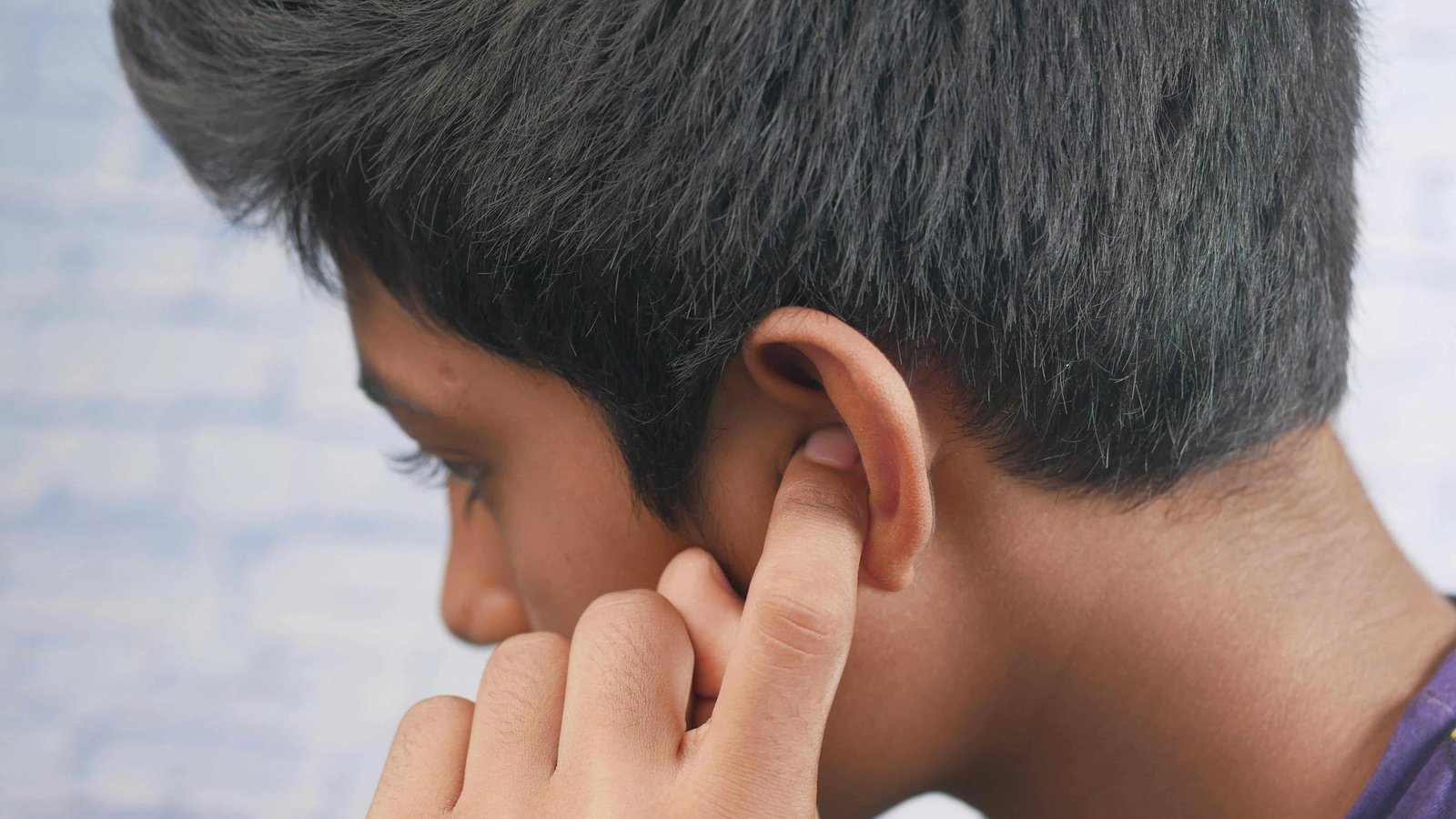
The middle ear is a closed cavity that equalizes pressure with the outside atmosphere through the eustachian tube, a small passage that connects to the back of the throat. When barometric pressure changes rapidly, the eustachian tube must open and close frequently to maintain equilibrium, and in people with narrow or dysfunctional eustachian tubes, this process can be incomplete. The result is the feeling of ear fullness, pressure, or popping that many people experience during weather changes and altitude shifts.
For people with tinnitus, the ringing or buzzing sensation in the ears can worsen during pressure changes. The mechanisms are not fully understood but likely involve changes in middle ear pressure and inner ear fluid dynamics. Some tinnitus patients can predict weather changes based on the intensity or pitch of their symptoms, and the correlation is strong enough to be reported widely in tinnitus communities.
Techniques for ear-pressure equalization include yawning, swallowing, chewing gum, and the Valsalva maneuver (gently blowing with the nose pinched and mouth closed). Staying hydrated helps keep the mucous membranes of the eustachian tubes functioning properly. Nasal decongestants can help during severe episodes but should not be used long-term. For chronic eustachian tube dysfunction or tinnitus that worsens significantly with weather, an ENT evaluation can identify treatable underlying causes.
Digestive Issues

The gut has its own nervous system, often called the enteric nervous system or “second brain,” and it responds to environmental changes including barometric pressure. Some people experience bloating, cramping, or changes in bowel patterns during weather transitions, and while research in this area is less developed than for other pressure-related symptoms, the connections are real for affected individuals. Inflammatory bowel conditions such as IBS, Crohn’s disease, and ulcerative colitis can all show weather-related symptom patterns.
The mechanisms likely involve several pathways. Stress responses triggered by weather changes can affect gut motility and secretion. Changes in food intake and hydration habits during bad weather affect digestion. And the gut-brain axis, which links mood and digestion, means that weather-related mood changes can translate into digestive symptoms. People with existing gut conditions often report that flares cluster around seasonal transitions and weather-unstable periods.
Management strategies include maintaining consistent eating patterns regardless of weather, staying well hydrated, and managing stress during weather transitions through relaxation techniques, exercise, or other methods that work for the individual. For people with diagnosed conditions, keeping a symptom diary that includes weather data can reveal patterns that inform medication timing and dietary choices. A gastroenterologist can help develop weather-aware management plans for severe or chronic cases.
Blood Sugar Swings
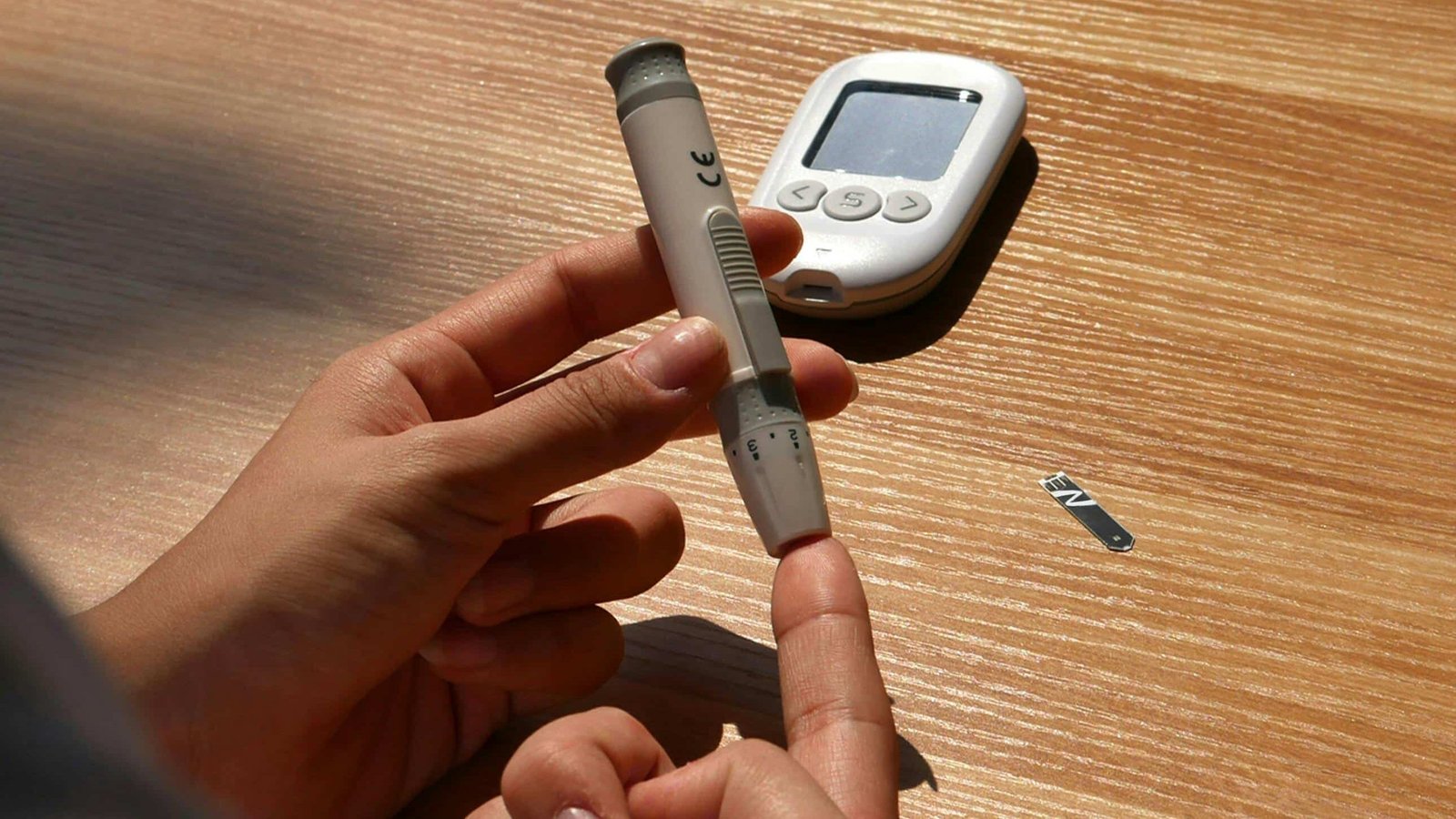
For people with diabetes or prediabetes, barometric pressure changes can affect blood sugar control in ways that are not always obvious. The mechanisms include stress hormone responses to weather changes, altered activity patterns during bad weather, changes in sleep quality that affect insulin sensitivity, and direct effects on blood vessel function that may influence glucose metabolism. The result is that many diabetic patients notice their blood sugar behaves differently during weather transitions than during stable weather.
Cold fronts in particular can cause blood sugar elevations in some people, possibly due to cortisol release in response to cold exposure and the general stress of temperature drops. Hot, humid weather can have the opposite effect, with dehydration concentrating blood glucose readings even when actual sugar levels are normal. Rapid pressure changes of any direction can disrupt the delicate balance of factors that determine blood sugar stability.
For people with diabetes, monitoring blood glucose more frequently during weather changes can catch problematic swings early. Staying hydrated, maintaining consistent meal timing, and adjusting insulin or medication doses proactively (with physician guidance) all help. Wearable continuous glucose monitors can reveal weather-related patterns that finger-stick testing might miss. Any diabetic patient noticing significant weather-related glucose changes should discuss adjusted management strategies with their endocrinologist.
Heart Palpitations and Arrhythmias

Changes in barometric pressure have been associated with increased frequency of heart palpitations and arrhythmias in susceptible individuals. The mechanisms likely involve several pathways, including direct effects on blood vessel tone, changes in autonomic nervous system balance, and the physiological stress of adapting to rapid environmental changes. People with existing heart rhythm conditions, such as atrial fibrillation, often report that their symptoms cluster around weather transitions.
A 2022 review in the European Heart Journal summarized evidence linking weather variables, including barometric pressure, temperature, and humidity, with increased risk of arrhythmias in cardiac patients. The effects are usually modest in healthy people but can be clinically significant in those with underlying conditions. Rapid cold-front passages appear to pose the highest risk, likely because they combine pressure changes with temperature drops and the physiological stress of both.
For people with known heart rhythm conditions, awareness of weather effects allows for preventive strategies including medication adherence, avoiding stimulants like caffeine and alcohol during weather transitions, and limiting strenuous activity during rapid weather changes. Wearable heart rhythm monitors can document weather-related events for physician review. Anyone experiencing new palpitations that correlate with weather should have the symptoms evaluated by a cardiologist to rule out serious underlying conditions.
Dizziness and Vertigo

The inner ear, which contains the vestibular system responsible for balance, is sensitive to pressure changes in ways that can produce dizziness, lightheadedness, or full vertigo in susceptible people. Meniere’s disease, a condition involving excess fluid in the inner ear, is particularly weather-sensitive, with many patients reporting that episodes correlate with barometric pressure drops. Benign positional vertigo and vestibular migraine can also show weather-related patterns.
The mechanisms involve changes in the pressure and fluid dynamics within the inner ear structures, which can disrupt the delicate signaling that maintains balance. For healthy individuals, these effects are minor and often go unnoticed. For people with underlying vestibular conditions, even small pressure-related changes can trigger significant symptoms including nausea, spinning sensations, and balance problems that interfere with daily activities.
Management strategies depend on the underlying condition. For Meniere’s disease, low-salt diets, diuretics, and vestibular rehabilitation can reduce frequency and severity of episodes. For vestibular migraine, treatments aimed at migraine prevention often help. For benign positional vertigo, specific physical therapy maneuvers can be effective. Anyone experiencing significant weather-related dizziness should have the symptoms evaluated, as vestibular conditions are highly treatable once properly diagnosed.
What You Can Do
Understanding that your body responds to barometric pressure is the first step in managing the effects. Tracking your symptoms alongside pressure data, available from any weather app or a home barometer, reveals personal patterns that can guide prevention and treatment. Many people find that identifying the connection is itself a form of relief. Knowing that symptoms have a physiological basis rather than being random or psychological reduces anxiety and allows for more targeted interventions.
Practical strategies that help across multiple pressure-related symptoms include maintaining consistent sleep and wake times, staying well hydrated, getting regular moderate exercise, and eating a balanced diet that supports steady blood sugar and inflammation control. Avoiding major stressors during weather transitions when possible, and building in extra rest during predictable seasonal transitions, also reduces the overall burden of weather sensitivity. None of these strategies eliminate pressure effects, but they make the body more resilient to them.
For symptoms that significantly affect quality of life, a conversation with the appropriate medical specialist can open up additional options. Neurologists for headaches and migraines, rheumatologists for joint pain, cardiologists for blood pressure and rhythm issues, and other specialists all have specific expertise in weather-related manifestations of their conditions. The research in this area continues to grow, and treatment options for weather-sensitive patients are more sophisticated than they were even a decade ago. If you have ever felt dismissed when mentioning weather-related symptoms to a doctor, it may be time to find one who takes the connection seriously.