
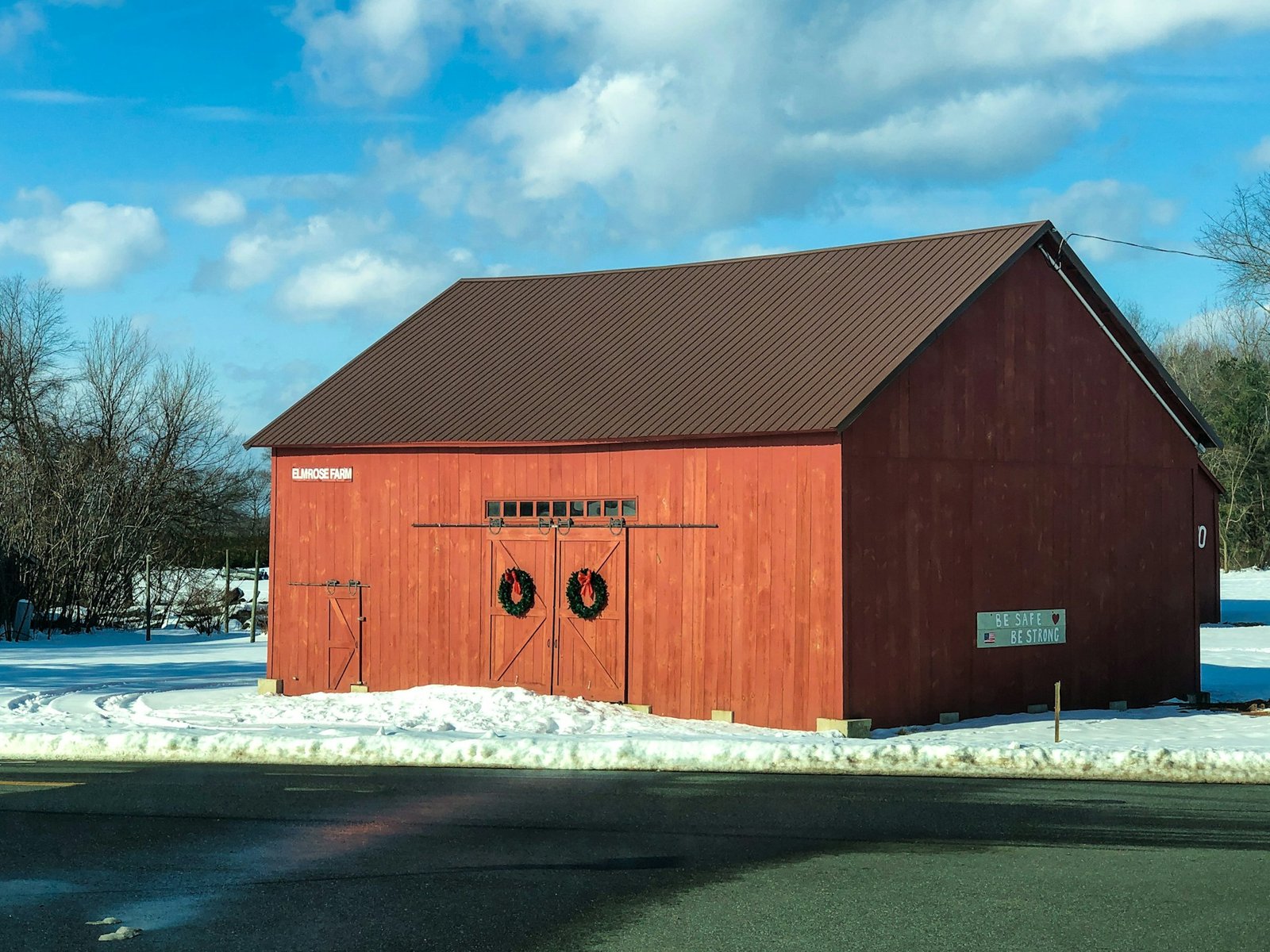
New England winters are long, serious, and formative. The season shapes the region’s culture, food, architecture, and daily rhythms in ways that run deeper than weather alone. Growing up in the six-state region north and east of New York City means absorbing a set of traditions, habits, and collective wisdom about how to not just survive winter but actually get some genuine enjoyment out of it. What feels normal to anyone who grew up in Maine, New Hampshire, Vermont, Massachusetts, Rhode Island, or Connecticut often sounds eccentric to outsiders who assume winter is simply something to be endured.
The New England relationship with winter is different from the rest of the country, including other cold regions. Minnesota has its own cold-weather culture, as does Alaska, and the Rockies have theirs. But New England’s winter traditions carry the weight of 400 years of accumulated experience in a climate that runs from merely cold to genuinely severe, with mud season, nor’easters, ice dams, and the particular misery of a wet March added for good measure. The region has developed a vocabulary, a cuisine, a set of rituals, and a collective mood that responds to all of it.
What follows are fifteen winter traditions that will make sense to anyone who grew up in New England and may require explanation for those who did not. Some involve food. Some involve architecture. Some involve the particular social codes that govern how New Englanders navigate the dark months. If you have ever maintained a specific driveway, debated the relative merits of different snowblowers, or attempted to extract a car from frozen precipitation, this list will feel like home.
The Specific Grief of Mud Season
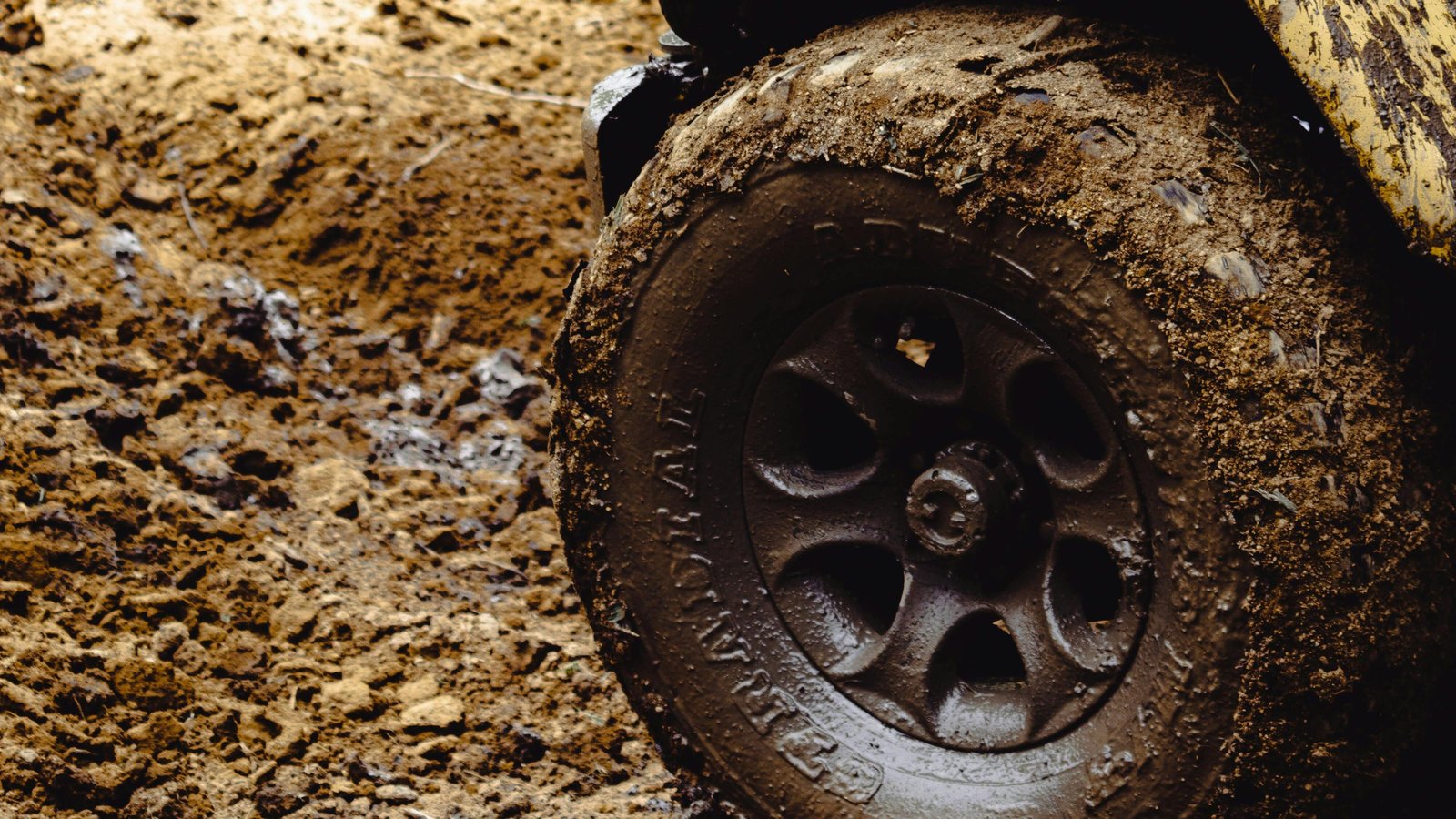
Between winter proper and actual spring, New England suffers through mud season, a six-to-eight week period from late March through mid-May when the frozen ground begins to thaw from the top down and every dirt road, backyard, and construction site becomes a swamp. The mud is not ordinary mud. It is freeze-thaw mud, deep and saturated, with the capacity to swallow vehicles up to their axles and to remove boots from feet without warning. Rural residents develop specific strategies for navigating it, including knowing which local roads become impassable first and which alternative routes hold up longer.
The cultural response to mud season includes resignation, dark humor, and practical adaptations. Vermont in particular has made mud season part of its identity, with some schools even including mud season breaks in their calendars to accommodate the reality that families in mud-prone areas may not be able to reliably get children to school. The expression “mud season” is used matter-of-factly in weather reports and conversation, with no need for further explanation. Car washes see reduced business because any vehicle will be immediately re-coated in mud on the drive home.
The psychology of mud season is particular. Winter’s end should feel like relief, but mud season produces a different kind of misery, one that lacks the romance of snow and ice. The cold remains, but now everything is also wet and dirty. The light is returning but the landscape is brown and unappealing. For people who grew up elsewhere, the concept of a full season dedicated to the mud between winter and spring is puzzling. For New Englanders, it is simply a fact of the year, scheduled alongside maple sugaring, the first peepers calling from thawed ponds, and the slow process of the region emerging from its frozen state.
Knowing Your Specific Type of Snow
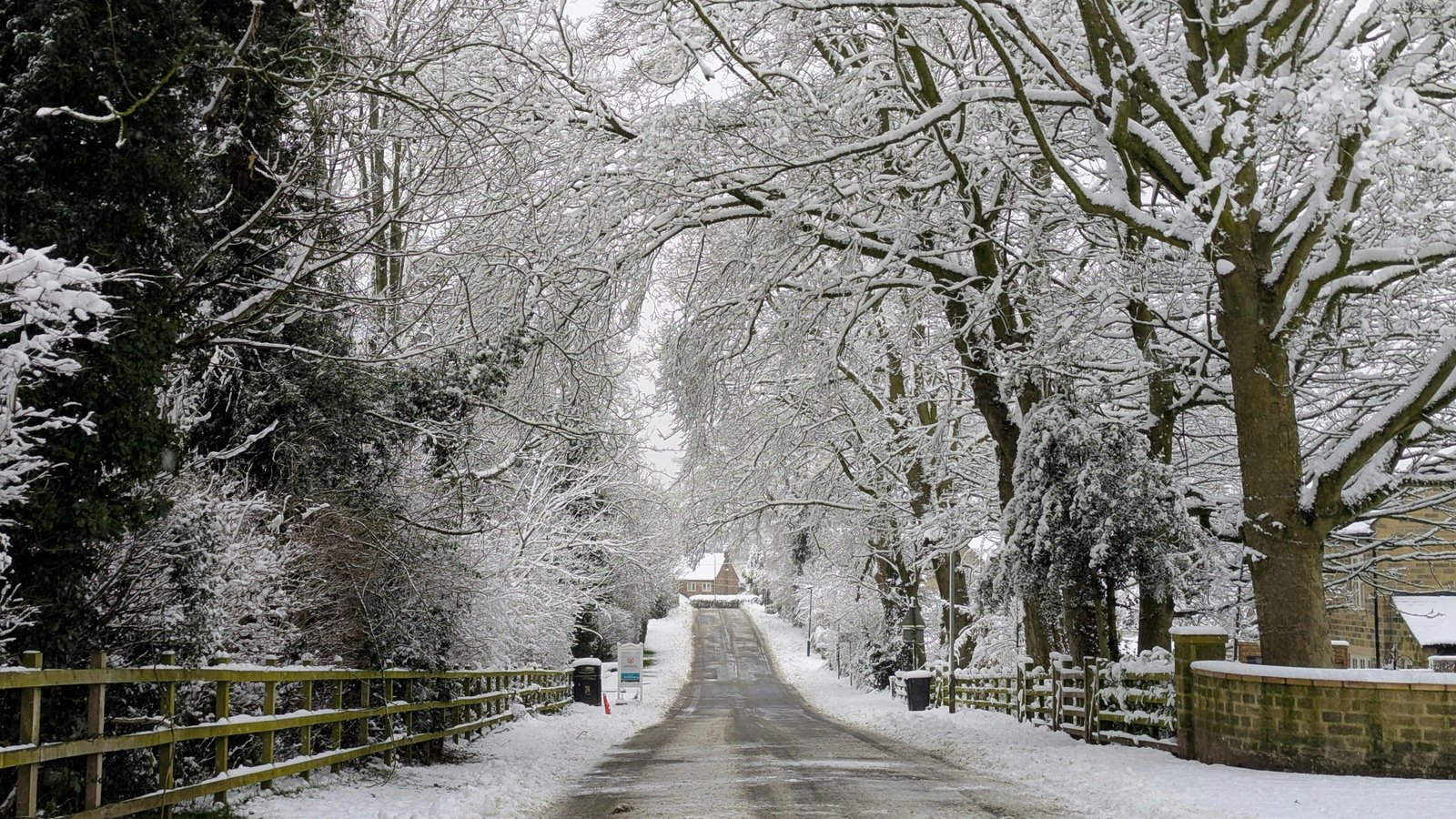
New Englanders develop vocabulary for different types of snow that more southern regions simply lack. The distinction between powder (fluffy, cold, good for skiing), packing snow (wet enough to form snowballs but not slushy), heart attack snow (heavy, wet, dangerous to shovel), champagne powder (ultra-light, high-altitude), and sleet (ice pellets that make roads treacherous) is understood practically rather than academically. A forecast that predicts “a wintry mix” tells the experienced New Englander that conditions will be bad in multiple ways simultaneously.
The practical implications of snow type are real. Shoveling wet snow is genuinely dangerous and sends New Englanders to emergency rooms every winter. Driving on unplowed powder is different from driving on packed or slushy snow. The amount of accumulation tells only part of the story, since two inches of wet snow can be worse than six inches of light powder in terms of travel impact. Native New Englanders learn to evaluate snow forecasts by reading between the lines of the predictions and considering what the particular combination of temperature, moisture, and timing will actually produce.
The specialized vocabulary extends to ice and its various forms. Black ice is the worst because it is invisible, forming when light precipitation or melted snow refreezes on road surfaces. Glaze ice, which coats everything during freezing rain events, can bring down power lines and tree branches for days. Rime ice forms at higher elevations when supercooled fog contacts cold surfaces. Each type requires different responses, and experienced New Englanders listen for these specific terms in weather broadcasts and plan accordingly. To outsiders, these distinctions may seem like overthinking the weather. To people who deal with all these conditions regularly, the vocabulary provides practical precision.
The Ritual of Getting the Storm Windows Ready

Many older New England houses have storm windows that are a separate set of windows installed seasonally to provide additional insulation against winter cold. The fall ritual of putting up storm windows and the spring ritual of taking them down is a generations-old practice that structures the change of seasons in specific ways. Some houses have wooden storm windows stored in the garage or basement, others have aluminum triple-track windows that can be adjusted for the season, and still others have more modern permanent storm windows that eliminate the seasonal installation.
The storm window ritual is labor-intensive but tangible in a way that simply turning on the heat is not. It requires climbing ladders, wrestling with awkward windows, and navigating the particular hardware that holds everything in place. The work usually happens in late October or early November before the first hard freeze, and the spring removal happens in April or May when the weather is reliably warm. Families with older houses coordinate the work, with different members handling different parts of the house based on access and comfort with ladders.
The existence of storm windows shapes New England architecture in subtle ways. Houses built before the mid-20th century typically have multiple window types and specific storage areas for seasonal items. The ritual of preparing for winter, and then preparing for the end of winter, structures the year in a way that more climate-neutral housing does not require. Modern construction with double-paned windows has eliminated the need for storm windows in newer houses, but enough older houses remain that the tradition persists. For anyone who grew up helping their parents put up storm windows, the smell of old wood, the clatter of the installation, and the particular tension of the annual task become embedded in memories of fall and spring.
Snow Tires as a Genuine Safety Matter
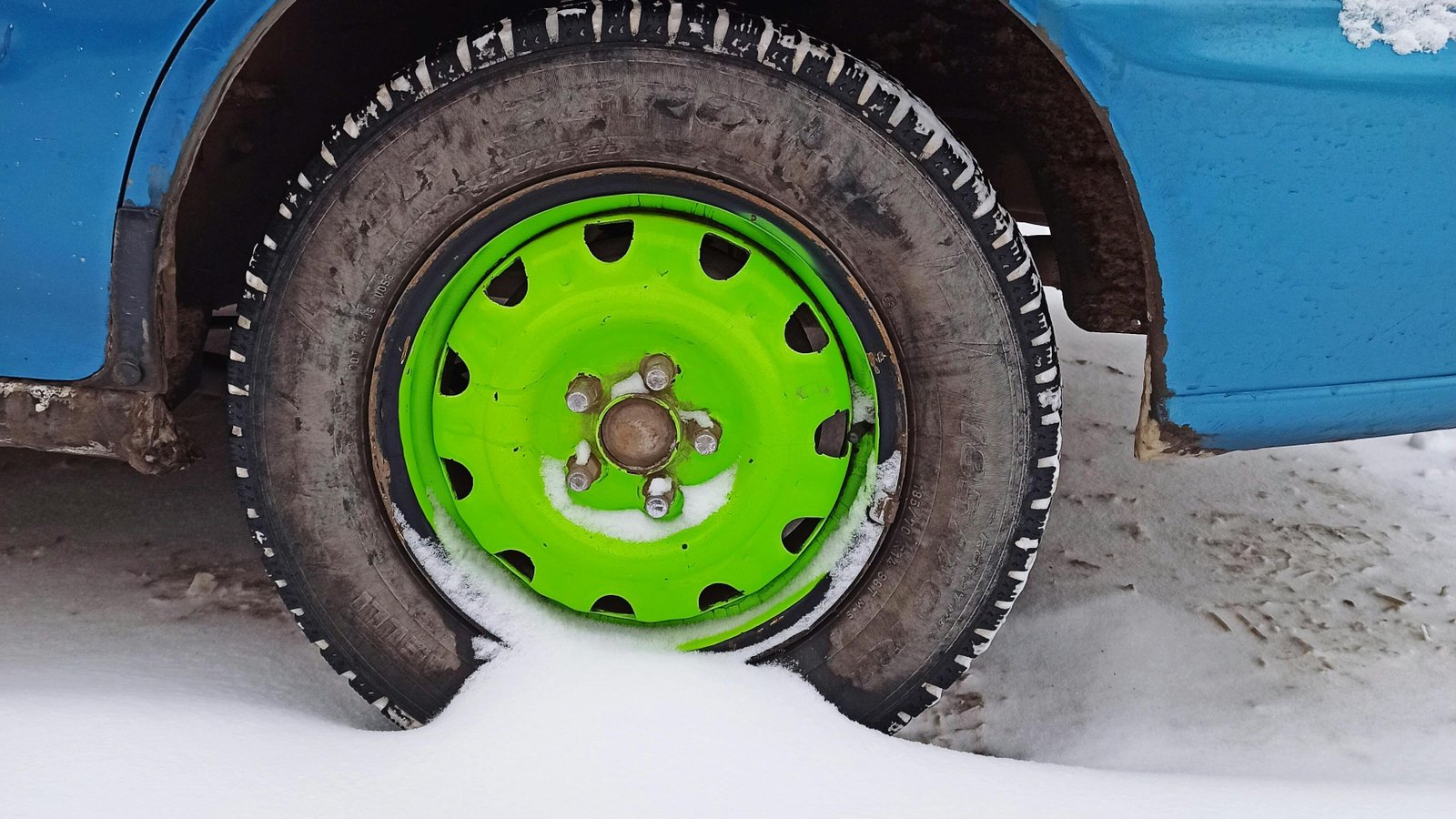
New Englanders take the question of snow tires more seriously than much of the country. All-season tires, despite the name, do not perform well in genuine winter conditions, and the difference between dedicated snow tires and all-seasons becomes obvious the first time a driver tries to navigate an icy hill or stop quickly on packed snow. Families typically make decisions about snow tires every fall, with some rotating between dedicated winter and summer wheels and others compromising with all-weather tires that perform better than all-seasons but not as well as dedicated snow tires.
The logistical complexity of snow tires is significant. Storing a second set of wheels requires space, typically in garages or basements. The seasonal mounting requires a trip to a tire shop or the equipment to do it at home. The timing of the changeover is debated every fall, with some opting to switch in October to be safe and others waiting until the first threat of significant snow. In some New England states, studded snow tires are legal during specific winter months and become necessary for rural areas with unplowed roads.
The investment represents a real financial commitment, with dedicated snow tires costing hundreds of dollars and requiring replacement every few years. For many New England families, the cost is simply part of the annual expense of operating a vehicle in the region. The debate between those who think snow tires are essential and those who think all-seasons are sufficient plays out in every coffee shop conversation in November, with opinions informed by personal experience with accidents, slides, and close calls. To drivers from warmer regions, the intensity of the snow tire discussion can seem excessive. To New Englanders who have spent twenty winters driving in genuine snow, it is a practical decision about safety.
Understanding When a Nor’easter Is Coming
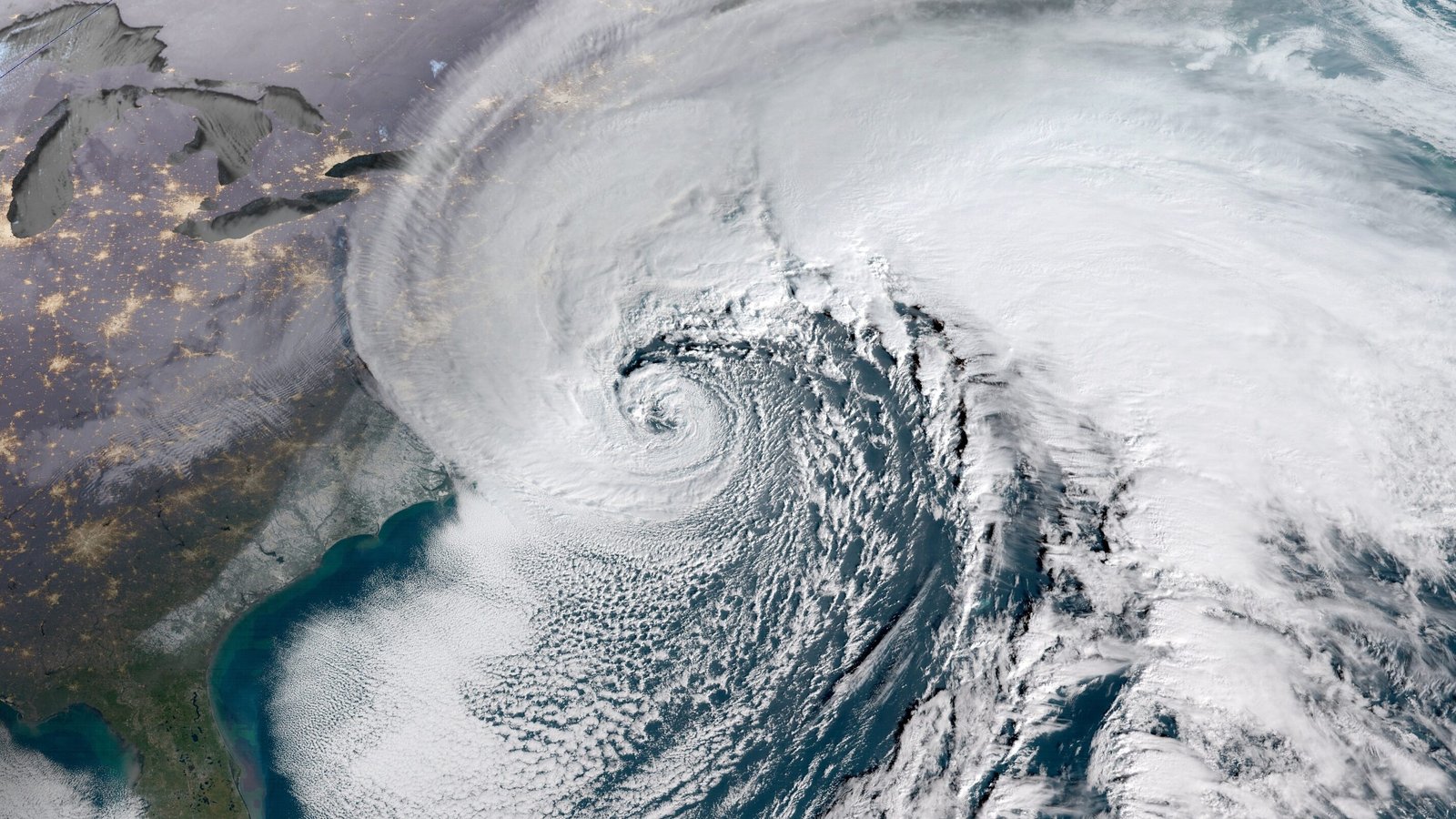
Nor’easters are specific winter storms that develop along the East Coast, drawing moisture from the Atlantic and delivering heavy snow or rain depending on the temperature. New Englanders learn to recognize the approach of nor’easters through the specific atmospheric signs that precede them, often before the weather services issue formal warnings. The storms can drop a foot or more of snow in a day, paralyzing the region with blizzard conditions, coastal flooding, and power outages that can last for days in severe cases.
The cultural response to impending nor’easters includes specific behaviors. Grocery stores experience predictable runs on bread, milk, and batteries. Gas stations fill up as people top off their tanks. Hardware stores sell out of shovels, ice melt, and generator supplies. The atmosphere in communities before a major nor’easter is distinctive, combining practical preparation with a certain pleasure in the shared experience. Schools, businesses, and municipalities coordinate closures based on forecast severity, and the decision to cancel school the day before a predicted storm has become more common in recent years.
The aftermath of nor’easters requires its own set of behaviors. Digging out driveways, clearing heat exchangers for furnaces, shoveling roofs that have accumulated too much snow to safely bear the weight, and rescuing cars that have become buried in drifts all follow major storms. The neighborly component of nor’easter recovery is real, with stronger residents helping elderly or disabled neighbors dig out and communities often pooling resources for food and shelter if power outages extend for days. The collective nature of the experience, with everyone in the region dealing with the same storm, creates bonds that warmer regions often lack.
The Endless Conversation About Boilers
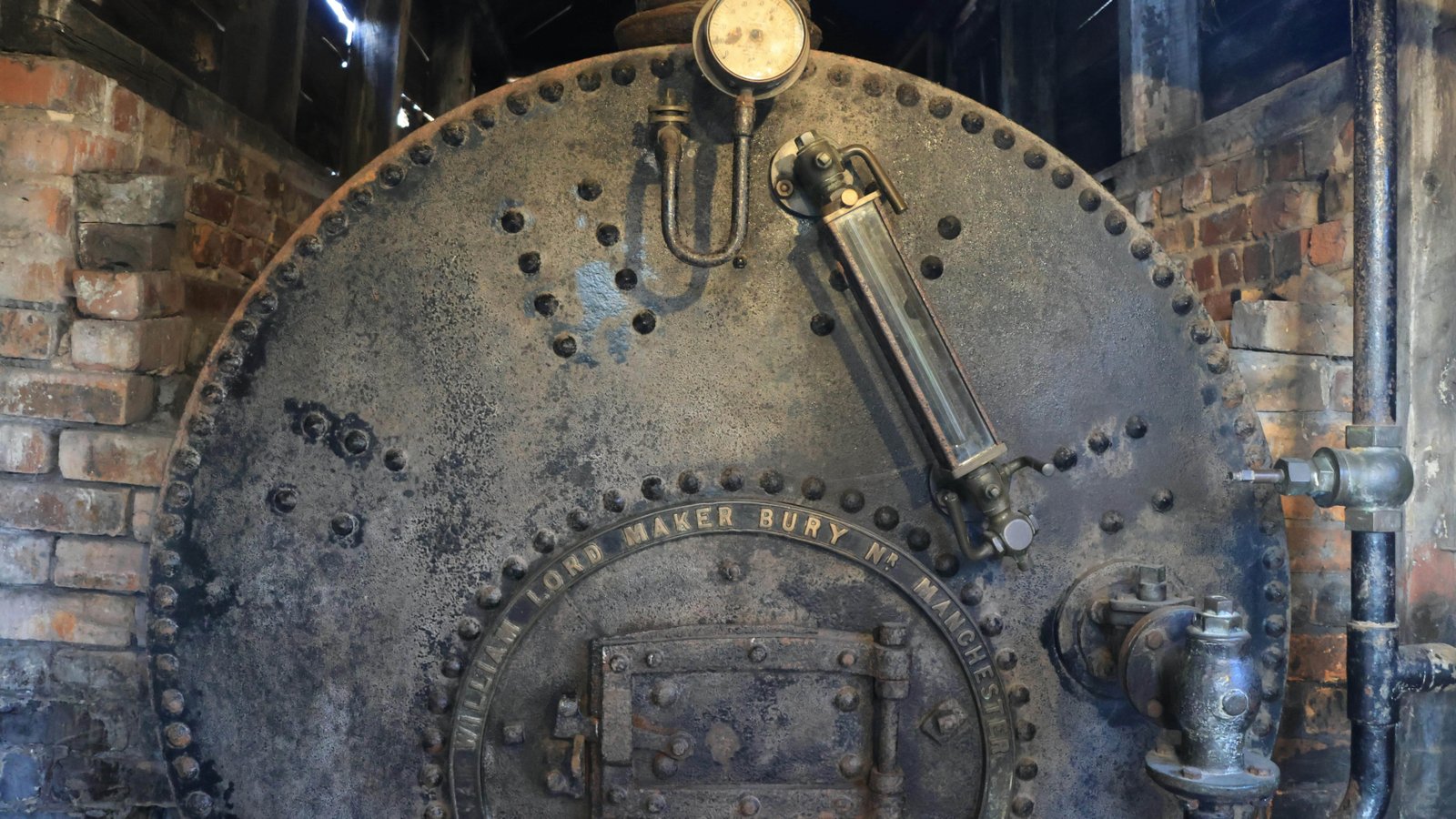
Heating systems in New England are taken seriously in ways that non-cold-region residents find excessive until they experience their first January heating failure. Most older New England houses have boilers that heat water for radiators or baseboard systems, and the maintenance, efficiency, and reliability of these systems are constant conversation topics. The decision to replace an old boiler with a new one involves research, multiple estimates, and careful consideration of oil versus gas versus electric options.
The fuel source for home heating is a regional preoccupation. Oil heat, historically common in New England, has been gradually replaced by natural gas where it is available, but many rural areas still rely on heating oil delivered by truck. The fluctuating price of heating oil is tracked throughout the fall and winter, and homeowners develop strategies for ordering fuel at what seem like favorable times. The concept of running out of oil in January is genuinely scary in ways that other regions cannot quite appreciate, and fuel companies have become quite sophisticated about scheduling automatic deliveries.
The expertise required to understand home heating systems is substantial. Knowing the difference between hot water, steam, and forced air systems, understanding how various zoning options work, recognizing when an old boiler is actually inefficient versus merely old, and diagnosing the various ways that systems can fail are skills New England homeowners accumulate over years. The plumber or heating contractor who services a household’s system becomes a trusted advisor whose availability in an emergency is valued. Conversations about heating efficiency, thermostat settings, and fuel consumption strategies happen at dinner parties with the same intensity that other regions reserve for sports or politics.
Black Flies: Winter’s Final Revenge

Just when winter appears to be ending, the brief mud season gives way to black fly season, which runs from late April through early June in much of rural New England. Black flies are tiny biting insects that emerge from clean, running water and swarm around any warm-blooded creature they can find. Their bites are painful, itch for days, and can produce allergic reactions in sensitive individuals. Black fly season feels like winter’s final revenge, a last burst of unpleasantness before summer actually arrives.
The cultural response to black fly season includes avoiding outdoor activities during the peak, using specific repellents (which vary in effectiveness), wearing long sleeves despite the warming weather, and generally planning spring activities around the inevitable discomfort. In northern New England and Maine particularly, black fly season can be severe enough to limit outdoor work and recreation for weeks. The flies follow specific geographic patterns, being worst in areas with cold, fast-moving streams that provide ideal breeding conditions. Experienced locals know which specific places to avoid during peak season.
The sense of timing is particular. Black fly season runs concurrently with the most beautiful spring weather in New England, when temperatures are pleasant and the landscape is greening. The combination of ideal temperatures and unbearable insects produces a specific frustration that New Englanders recognize immediately. By the time the flies diminish in mid-June, the mosquitoes have taken over, so the buggy season extends through most of the early summer. The relief when the biting insects finally abate is genuine, and the brief window of pleasant outdoor conditions between the flies and the peak summer heat is treasured.
Ice Dams and the Cost of Ignoring Them
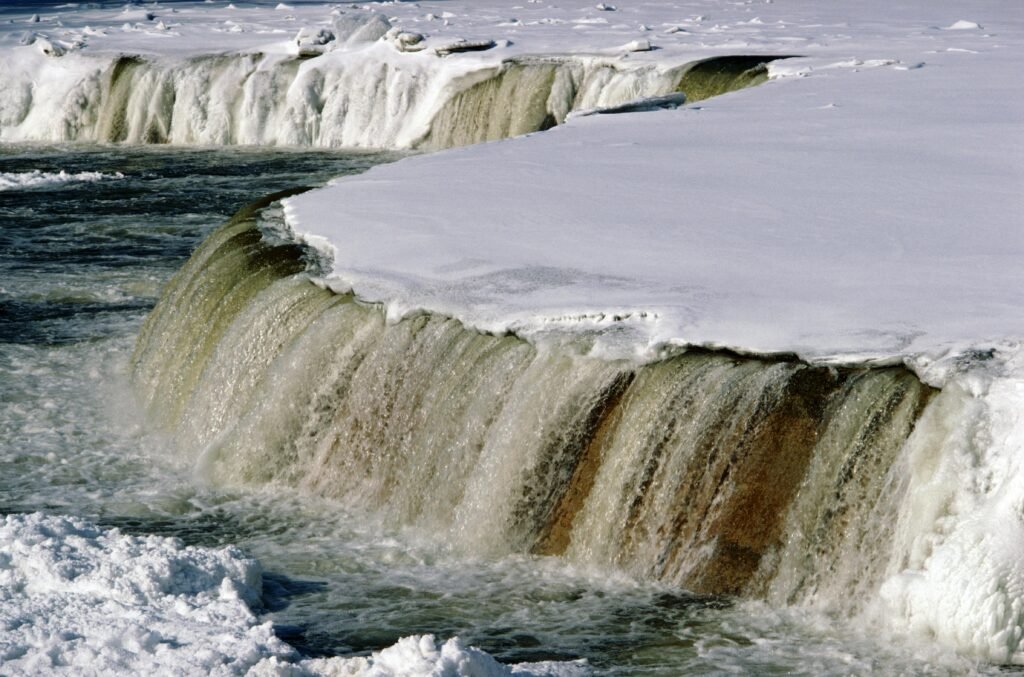
Ice dams are a winter hazard specific to cold climates with significant snowfall, and New England experiences them consistently enough that homeowners develop expertise in preventing and addressing them. The dams form when heat from inside a house melts snow on the roof, which then refreezes at the cold eaves, creating ridges of ice that trap additional meltwater behind them. The trapped water can back up under shingles and into the house, causing expensive interior damage that is often not immediately visible.
The prevention strategies for ice dams include proper attic insulation, adequate ventilation, and heat cables along problematic eaves. The treatment strategies, once dams have formed, include roof rakes to pull snow down before it can melt, calcium chloride socks placed on the dams to melt channels for water drainage, and in severe cases, hiring professionals with steam equipment to safely remove the ice. The knowledge of what to do and when to do it separates experienced homeowners from first-timers who are caught off guard by the phenomenon.
The financial implications of ignored ice dams are significant. Water damage from a single severe event can cost tens of thousands of dollars, including ceiling repairs, insulation replacement, and remediation of any resulting mold. Insurance coverage for ice dam damage varies significantly by policy, and the deductibles are often substantial. For New England homeowners, the annual decision to proactively address ice dam risk, including the purchase of roof rakes and heat cables, is an investment that pays off over time. The panic of seeing icicles hanging from the eaves of a house that is developing an ice dam is a feeling that residents of warmer regions never experience and cannot quite imagine.
The Specific Misery of a February Thaw
Most winters in New England include at least one brief warm spell in February or early March, when temperatures rise into the 40s or 50s and melt significant amounts of snow. For those not paying attention, the thaw feels like a harbinger of spring. For experienced residents, it produces specific concerns. The melting snow creates flooded basements, ice dam formation, standing water that will refreeze at night, and the deceptive sense that winter is ending when in fact weeks or months of cold still lie ahead.
The psychological impact of a February thaw is specific and difficult to convey to non-Northerners. After months of continuous winter, a warm spell produces genuine hope that is then crushed by the inevitable return of winter, often with added severity. March in New England frequently brings major snowstorms, and the disappointment of trading February mildness for March snow is a particular seasonal experience. Weather forecasters in the region have learned to discuss February thaws with caution, noting that they are temporary and that winter is not actually ending.
The physical consequences of thaws require management. Clearing snow from roofs before the melt begins prevents ice dam formation. Ensuring that sump pumps are functional prevents basement flooding. Monitoring driveways and walkways for refrozen meltwater prevents falls. The brief window of warmth can be useful for catching up on outdoor tasks, checking the condition of the house, and getting some relief from the cabin fever that develops during prolonged cold. But the smart response is to enjoy the thaw while preparing for winter’s return, not to conclude that seasons are changing permanently.
The Correct Handling of Firewood
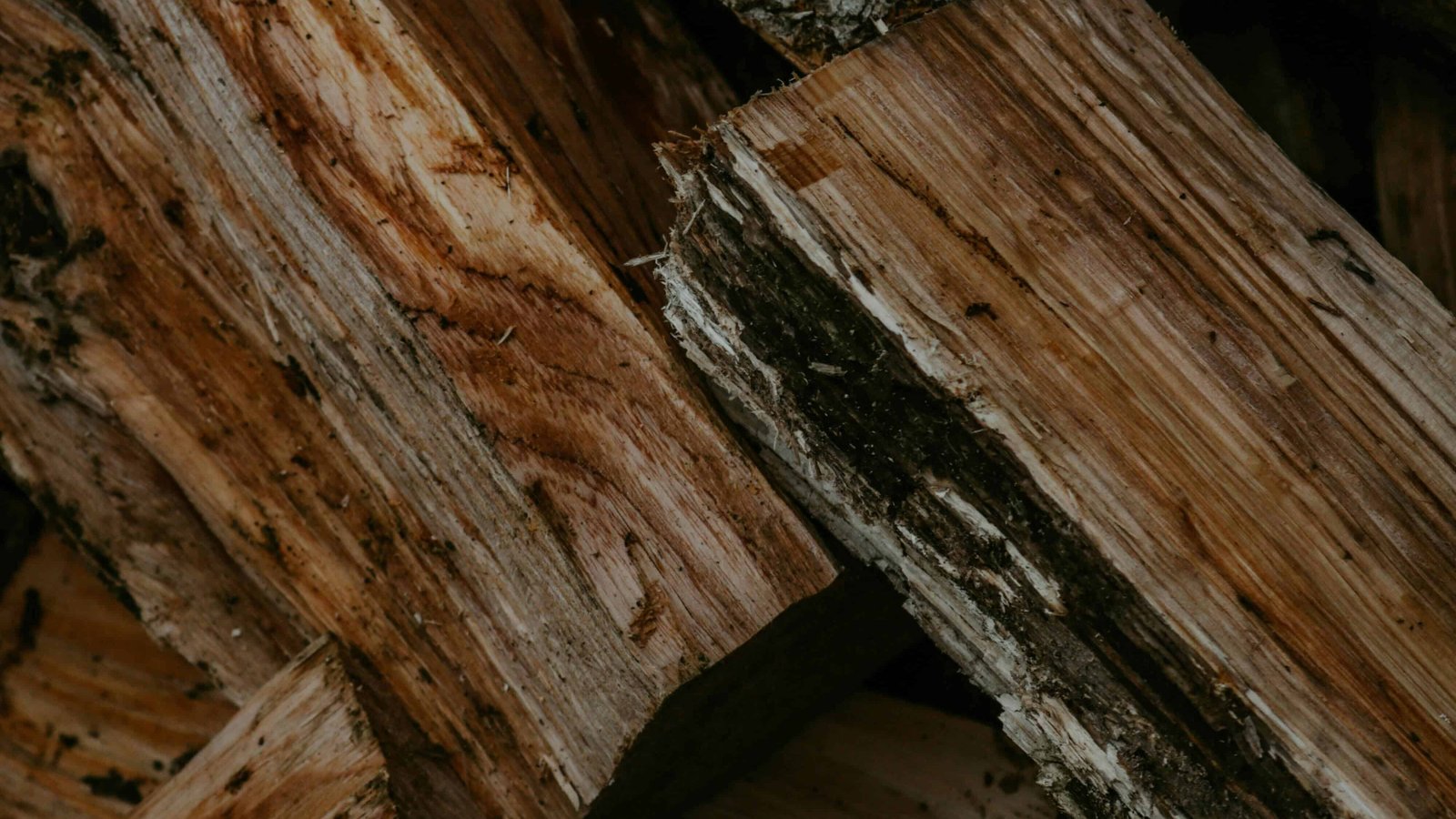
Many New England homes have wood stoves or fireplaces that actually provide meaningful heat rather than just decoration, and the handling of firewood is a serious matter with specific protocols. The selection, seasoning, stacking, and burning of wood involve knowledge that gets passed down through generations. Green wood burns poorly, produces excessive creosote, and can contribute to chimney fires. Properly seasoned wood, dry for at least a year after being split, burns cleanly and produces good heat. The difference is real and consequential.
The cultural practices around firewood are extensive. Ordering firewood in the spring for use the following winter is the standard practice, giving the wood enough time to season. Evaluating the quality of delivered firewood involves checking moisture content and identifying the types of wood (oak and maple burn better than pine or birch). Stacking firewood properly involves creating stable structures that allow air circulation for continued drying. The woodpile itself often becomes a feature of the property, with some arranged as functional heat sources and others constructed with aesthetic intent.
Wood stove etiquette involves knowing how to start fires efficiently, how to maintain proper draft through the burning cycle, and when to reload versus when to let the fire settle. The maintenance of stoves and chimneys is essential, with annual professional cleanings preventing the dangerous buildup of creosote that can cause chimney fires. Families with wood heat often have division of labor around wood, with some members handling the cutting and splitting and others handling the daily tending of fires. For those who did not grow up with wood heat, the skill required to operate a stove efficiently can be surprising. For those who did, the rhythms of the wood year structure life in ways that more convenient heating systems never approach.
The Sacred Space of the Mud Room
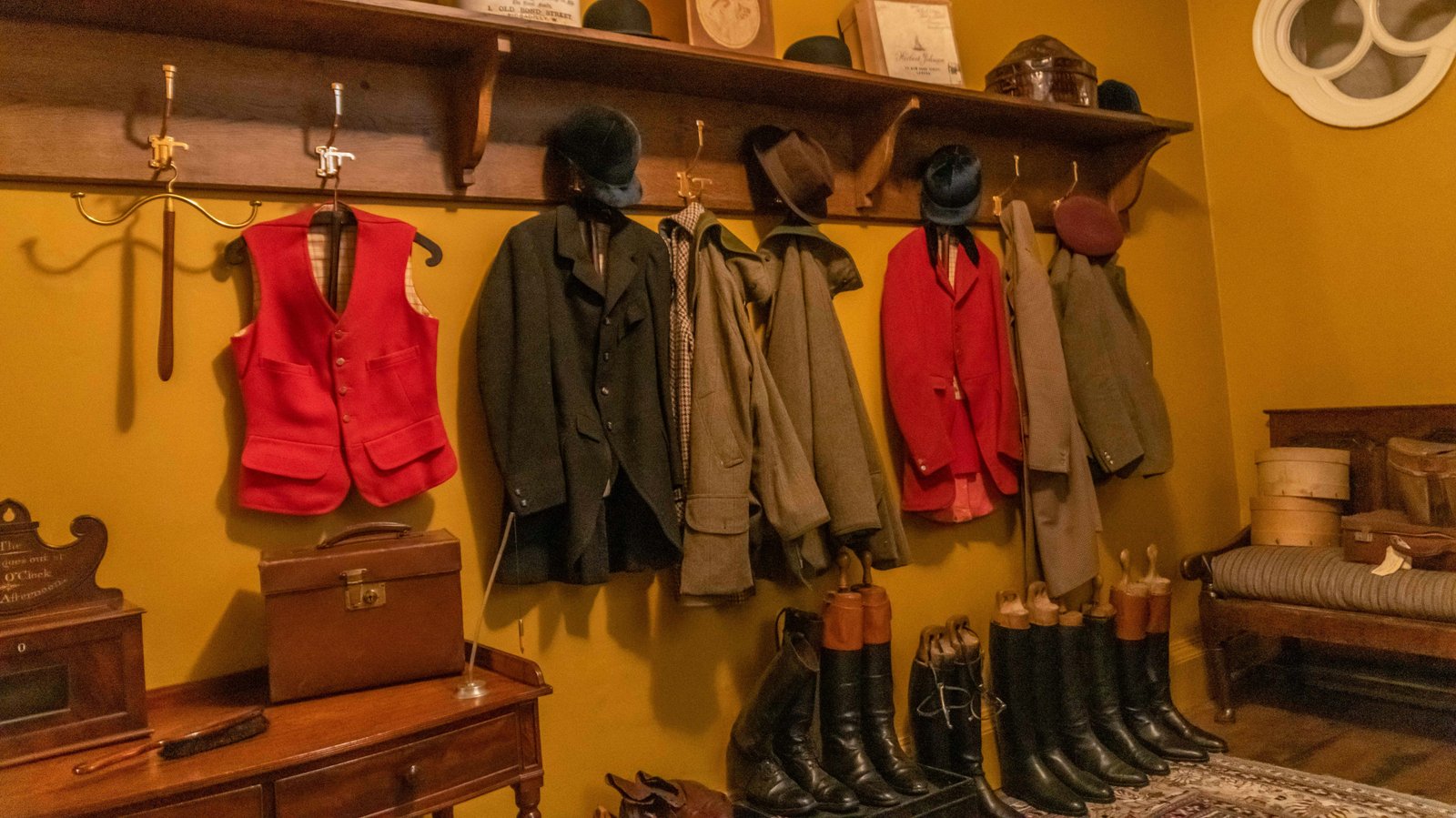
Proper New England houses have mud rooms, transitional spaces between the outside and the interior where boots, coats, hats, gloves, and wet outdoor gear can be deposited without tracking winter conditions into the rest of the house. The mud room is an architectural acknowledgment that life in a cold climate involves substantial outdoor gear and that this gear needs a designated place. Without a mud room, families develop ad-hoc systems that never work quite as well.
The design of effective mud rooms is a genuine consideration for New England renovations and new construction. The space needs to accommodate multiple family members’ outerwear, which during winter can be substantial, plus boots, bags, and the miscellaneous equipment of outdoor life. Benches for sitting while removing boots, hooks at various heights for different family members, and floor materials that can handle mud and snow are all standard features. Some houses include dedicated drying racks for wet winter gear, which is a significant practical advantage.
The habits developed around mud rooms shape how families move through their homes. Removing shoes at the door becomes automatic. Wet coats are hung rather than thrown over chairs. Hats and gloves have specific locations rather than disappearing into the house. Children learn to manage their own winter gear from early ages. Houses without proper mud rooms feel immediately different to New Englanders, who notice the wet boots in the main entry and the coats piled on kitchen chairs that characterize houses not designed for the climate. The mud room is not luxury architecture. It is practical accommodation to the way life actually works in a cold, wet climate.
Maple Sugaring Season as a Cultural Event
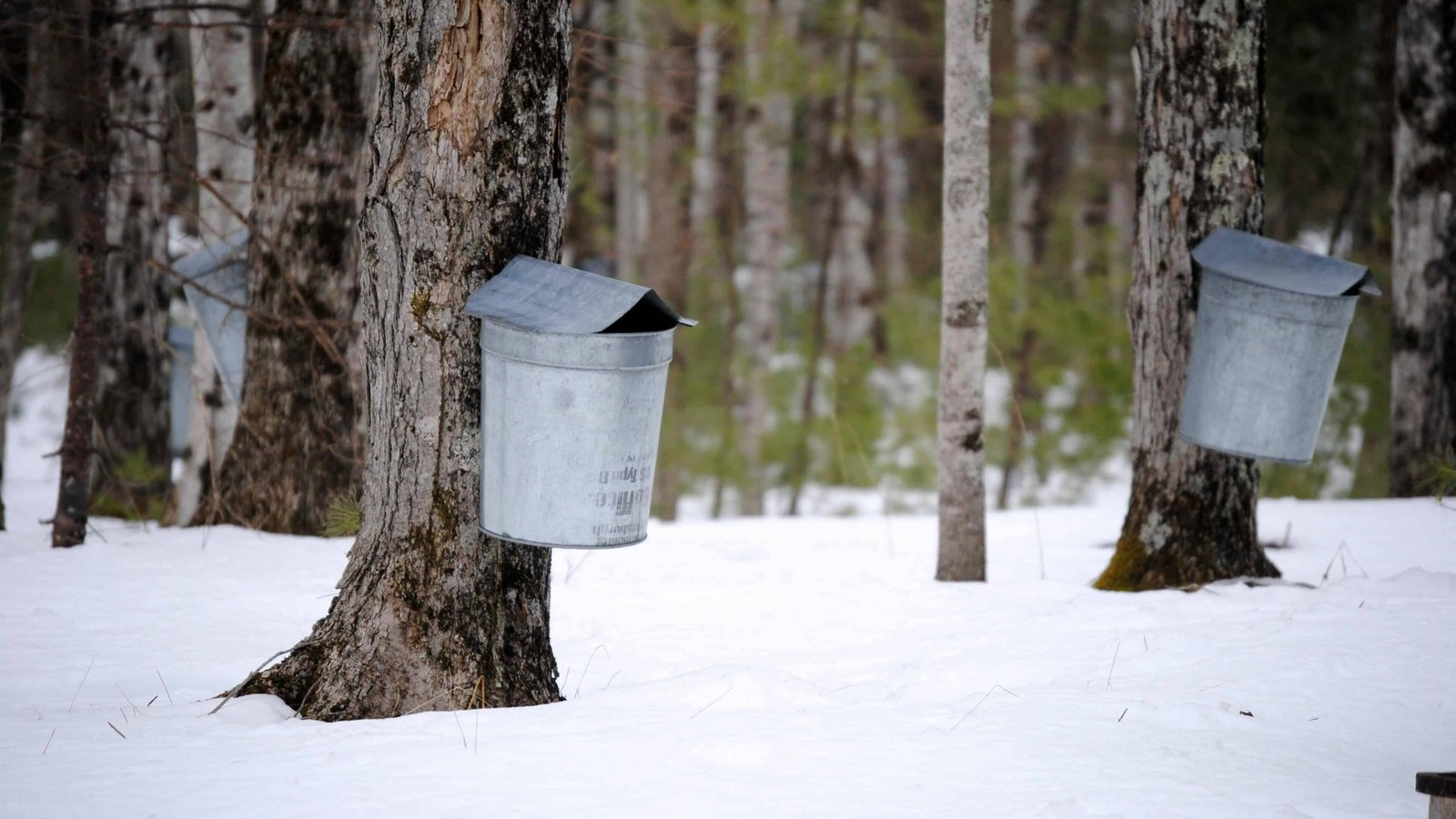
In late February and March, when daytime temperatures rise above freezing but nights remain cold, the sap in sugar maple trees begins to flow, marking the start of maple sugaring season. The tradition of collecting sap and boiling it down to maple syrup is deeply embedded in New England culture, with sugar houses throughout Vermont, New Hampshire, Maine, and Massachusetts producing syrup that is both a regional economic product and a cultural touchstone. Sugar-on-snow parties, sugarhouse visits during boiling, and the appearance of the season’s first syrup are genuine events.
The process of making maple syrup is labor-intensive and specific. Approximately 40 gallons of sap are required to produce one gallon of finished syrup, which means that the boiling process consumes substantial time, wood or other fuel, and attention. Traditional sugarhouses operate around the clock during peak sap flow, with family members taking shifts to maintain the boiling and handle the sap collection from tapped trees. Modern operations use reverse osmosis to concentrate sap before boiling, reducing fuel costs, but the basic process remains the same.
The social dimension of sugaring season is significant. Sugarhouse open days draw visitors from throughout the region, and the smell of boiling sap combined with the steam rising from sugarhouses into cold late-winter air becomes an experience that defines the transition from winter to spring. Sugar-on-snow, where boiling syrup is poured onto clean snow to create a chewy candy, is a traditional treat. The appearance of pancake suppers at grange halls and church halls during sugaring season provides community gathering points. For people who grew up with maple sugaring, the taste of real New England syrup is incomparable, and the commercial substitutes that dominate the broader market are regarded as a different product entirely.
Knowing Exactly When Town Meeting Is

In Vermont, New Hampshire, and parts of Maine and Massachusetts, the tradition of town meeting survives as a form of direct democracy where residents gather to vote on budgets, local ordinances, and town officers. Town meeting typically happens in early March, and the scheduling is a fixed part of the New England civic calendar. The meetings are public, often lasting hours, and involve the kind of face-to-face deliberation that representative government has largely replaced elsewhere. For New Englanders who grew up attending town meetings with their parents, the institution is a concrete experience of democratic participation.
The specific practices of town meetings vary by community but share common features. A moderator chairs the meeting, calling items for discussion and vote. Residents speak from the floor, addressing the moderator and fellow citizens. Votes are taken by voice or by standing, with paper ballots for contested items. Town officers present reports on the year’s activities and answer questions from residents. The budget for the coming year is discussed in detail, with individual line items subject to amendment from the floor. The process is genuinely democratic in a way that occasional elections are not.
The cultural significance of town meeting extends beyond its formal function. Residents who might otherwise never interact are brought into the same room to discuss community affairs. Disagreements that have been festering throughout the year get aired publicly. Decisions that affect daily life are made by the people who will live with the consequences. The length of meetings can be challenging, with sessions running from morning until evening in larger towns, but the tradition persists because it provides something that modern government often lacks: direct participation in collective decisions. For residents of places without town meeting, the concept can seem quaint. For those who grew up with it, town meeting is democracy at its most recognizable.
Bean Suppers as Community Institutions
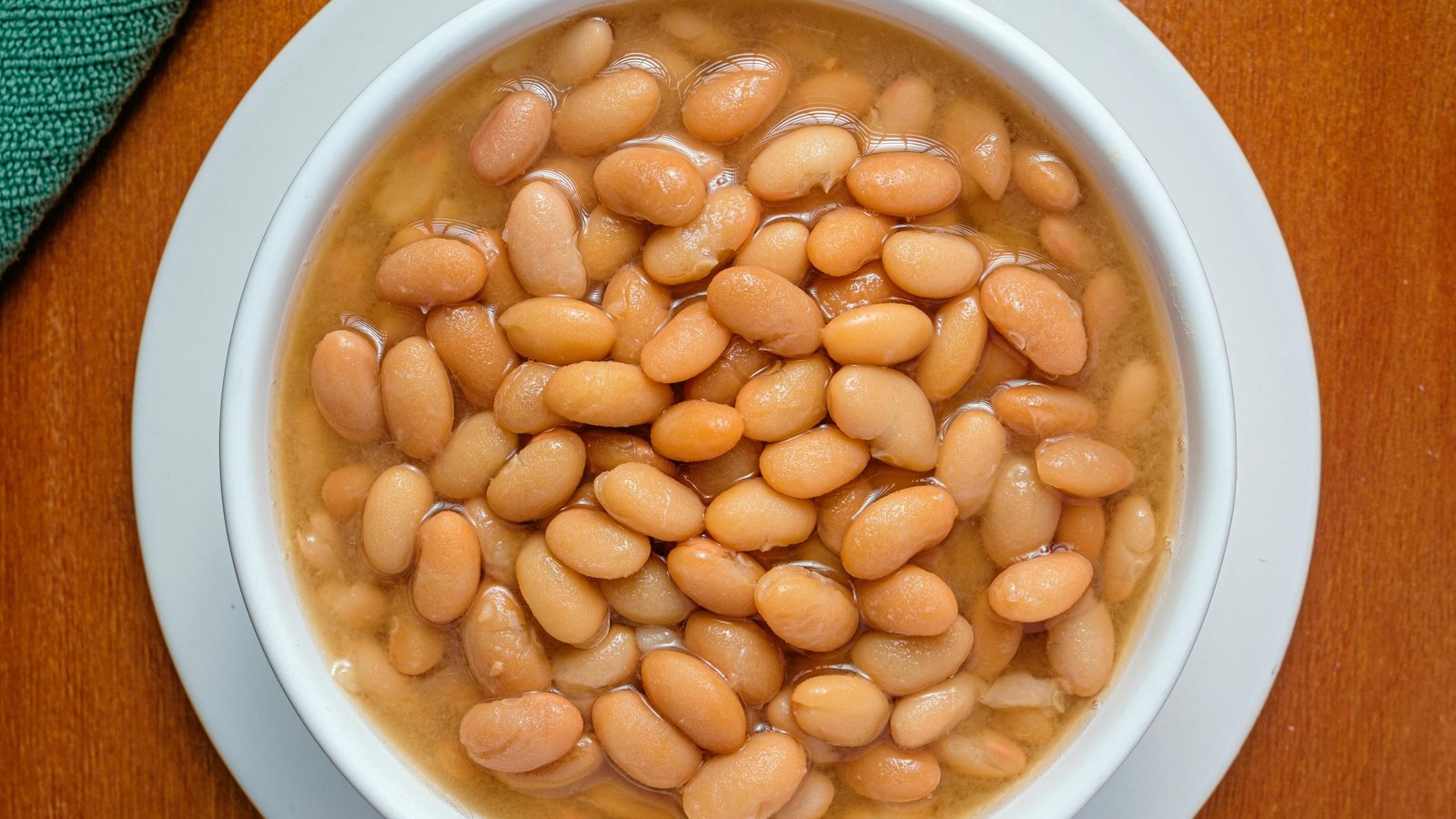
Bean suppers are traditional New England community dinners where baked beans are the featured dish, served alongside brown bread, coleslaw, and various sides, often as fundraisers for churches, fire departments, or other community organizations. The tradition has roots in colonial New England, when baked beans were a staple food that could be prepared in advance and kept hot for extended periods. The bean supper as community event has persisted in rural and small-town New England well into the present.
The baked beans themselves are the subject of regional pride and specific preparation techniques. New England baked beans are traditionally made with navy beans, molasses, salt pork, and onion, baked slowly for hours in a bean pot. The specific recipe varies by family and community, with some adding mustard, brown sugar, or other flavorings. The beans are typically served with brown bread, another New England specialty made with cornmeal, rye flour, molasses, and buttermilk, steamed in a can to produce a distinctive cylindrical loaf. The combination is hearty winter food that has evolved over centuries.
The social function of bean suppers is substantial in communities that still hold them. Tickets purchased in advance or at the door provide funding for the hosting organization. The meals bring together community members across age groups and economic circumstances. Volunteers prepare and serve the food, often with specific roles assigned by tradition. Families attend together, eating at long tables with neighbors. For communities small enough that most residents know each other, bean suppers are a regular occasion for catching up with people who might otherwise not cross paths. The tradition is more common in northern and rural New England than in the more urbanized southern parts of the region, but even suburban Boston has preserved versions of the institution.
The Specific Beauty of a Clear Winter Day
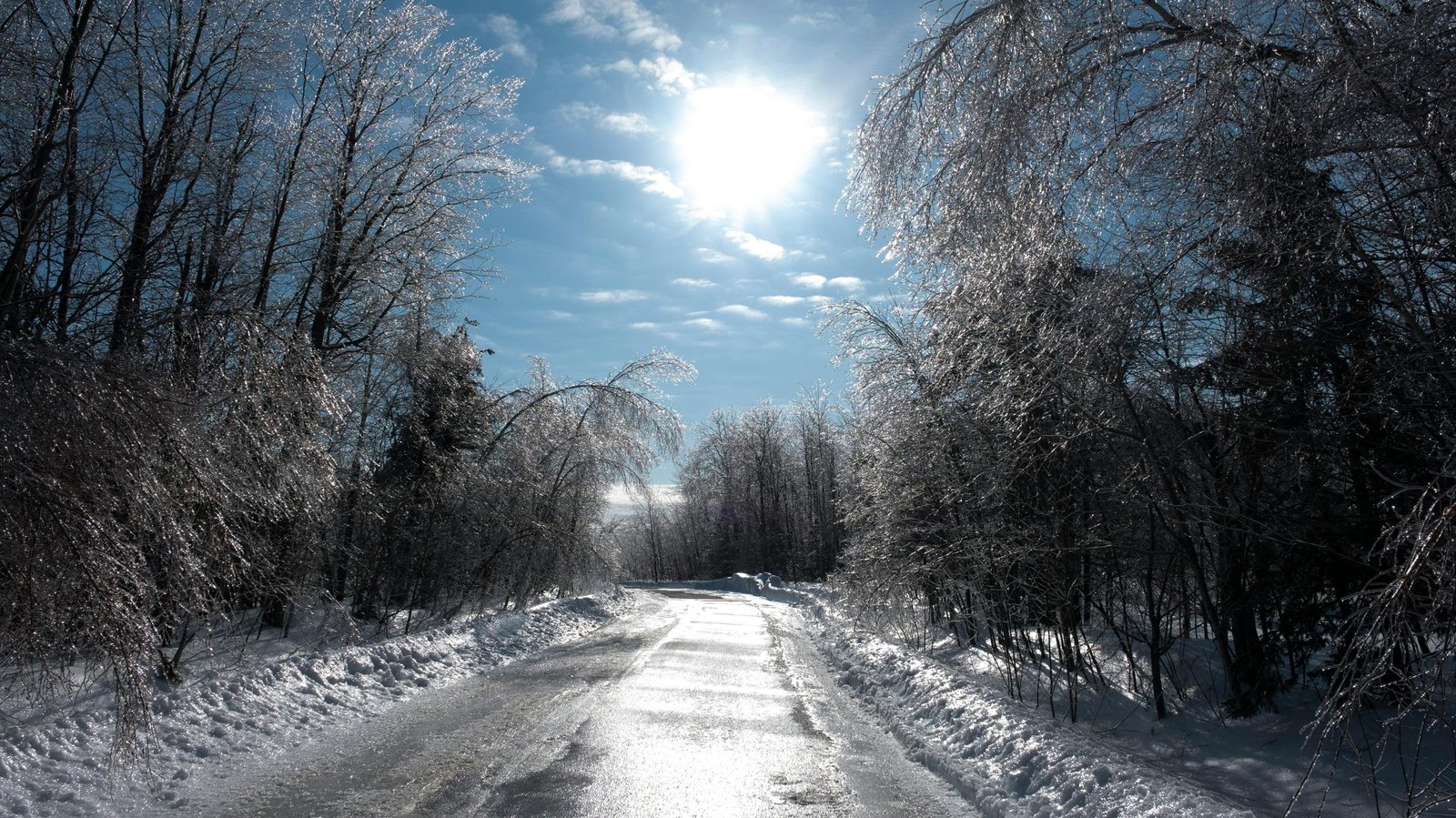
After days or weeks of gray overcast, the clear winter days in New England carry a quality of light that people who grew up in the region recognize immediately. The sun is low in the sky, the air is dry and cold, and the combination produces a visual clarity that turns the landscape into something sharper and more defined than at any other time of year. Snow reflects the low sunlight in ways that create highlights and shadows across the terrain that summer’s higher sun never produces. The bare trees cast intricate patterns on the snow below. The quality of light on a clear January afternoon in New England is genuinely beautiful and genuinely distinctive.
The cultural appreciation of winter light has roots in the practical reality that clear days are relatively rare during the heart of winter, making them feel precious when they arrive. The region experiences substantial overcast during December and January, with gray days outnumbering clear ones through much of the coldest months. When clear days do arrive, the contrast with the gloom that preceded them amplifies their impact. New Englanders often adjust their schedules to take advantage of clear winter days, whether for outdoor activities, longer walks, or simply extended time near windows to absorb the light.
The photographic and artistic tradition around New England winter light is substantial. From the paintings of 19th-century artists who captured the particular quality of the region’s winter landscapes to contemporary photographers who continue to document the same light, the visual power of a clear New England winter day has been represented for generations. For people who grew up in the region, the sight of early morning sun through ice-covered tree branches, or late afternoon light across a snow-covered field, or the specific blue of a January sky at high noon, all carry the weight of childhood memory. These images become shorthand for home in ways that more dramatic landscapes in other regions often cannot match.
What These Traditions Mean
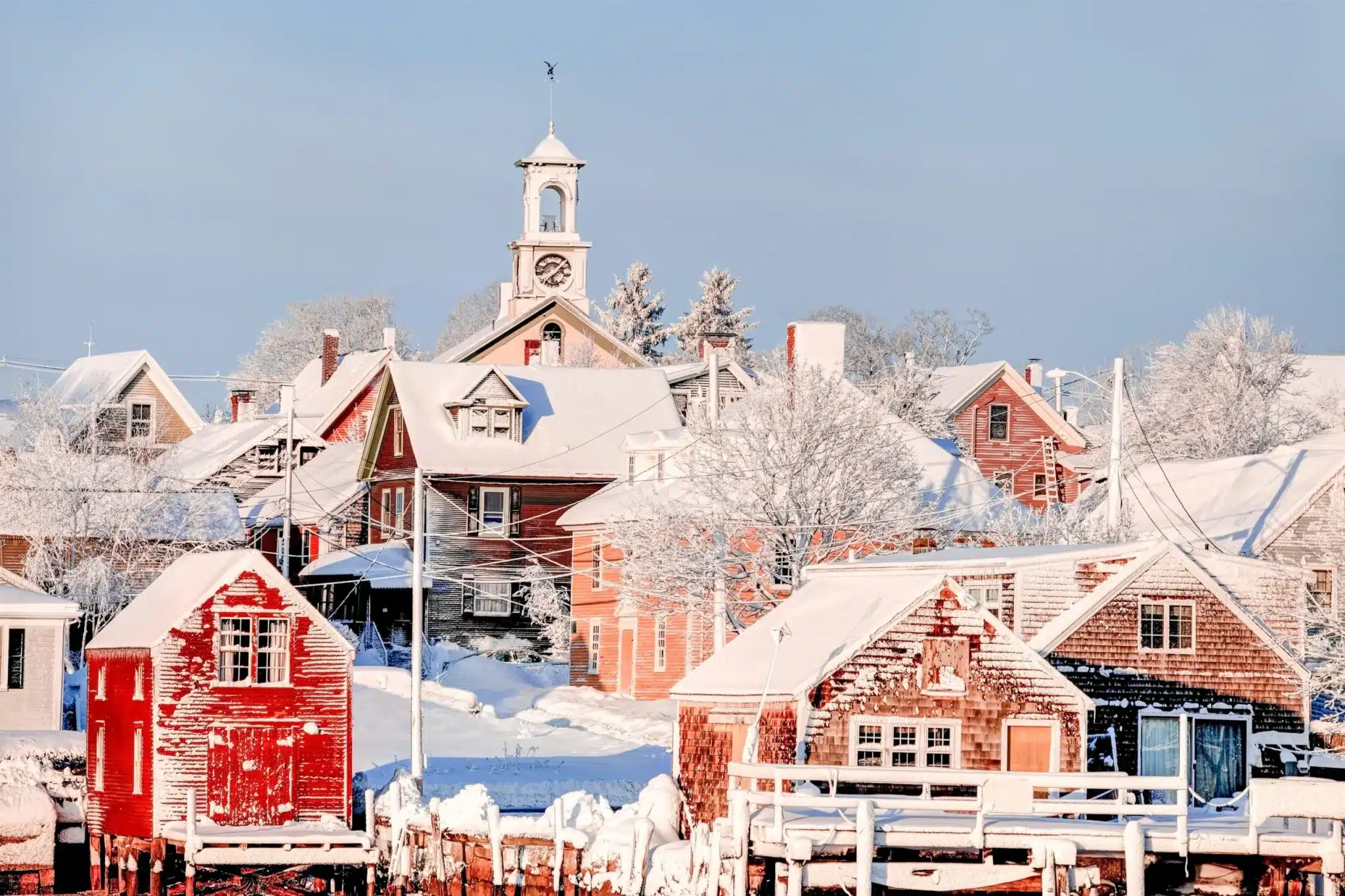
The winter traditions of New England reflect a particular relationship between people and climate that has developed over centuries. The region’s winters are genuinely challenging, and the accumulated responses to them, from mud rooms to maple sugaring to nor’easter protocols, represent a functional culture built around the demands of the season. Many of these traditions have become less central as technology has reduced winter’s most severe impacts, but the cultural memory persists, and specific practices continue in rural areas and among families who maintain the old patterns.
The traditions also represent a way of embracing winter rather than simply enduring it. The food, the architecture, the social rituals, and the particular pleasures of clear winter days all suggest that the season has its own legitimate rewards alongside its challenges. New Englanders who move to warmer climates often report missing aspects of winter that they did not fully appreciate while living with them, from the quality of the light to the particular atmosphere of a nor’easter approaching to the specific taste of fresh maple syrup in March. The relationship with winter that grows up in New England is not simple tolerance but something closer to genuine partnership with a season that demands respect and gives back specific forms of beauty, community, and identity in return.


