
Your body knows before the weather app does. For millions of people, physical symptoms appear hours or even a full day before a storm arrives, and the connection is not imagination. The human body responds to shifts in barometric pressure, humidity, and temperature through mechanisms that science has only recently begun to understand in detail. Some symptoms are obvious, like a throbbing knee or a pounding head. Others are subtle enough that most people never connect them to the weather until the pattern becomes undeniable.
The signals tend to show up 12 to 24 hours before a storm actually breaks, during the period when barometric pressure is dropping and the atmosphere is becoming unstable. By the time the rain starts, your body has usually already adjusted to the new conditions and the advance-warning symptoms have shifted or faded. This window between the body’s first response and the storm’s arrival is why so many people feel they can “smell rain coming” or know a front is approaching without checking any forecast.
What follows are fifteen of the most commonly reported physical signs that your body is responding to an approaching storm. Some will be familiar from personal experience. Others may explain symptoms you have been ignoring or attributing to other causes. If you have ever been told that your weather predictions are in your head, this list is the physiological case for why they are actually in your body.
A Dull Ache Behind Your Eyes
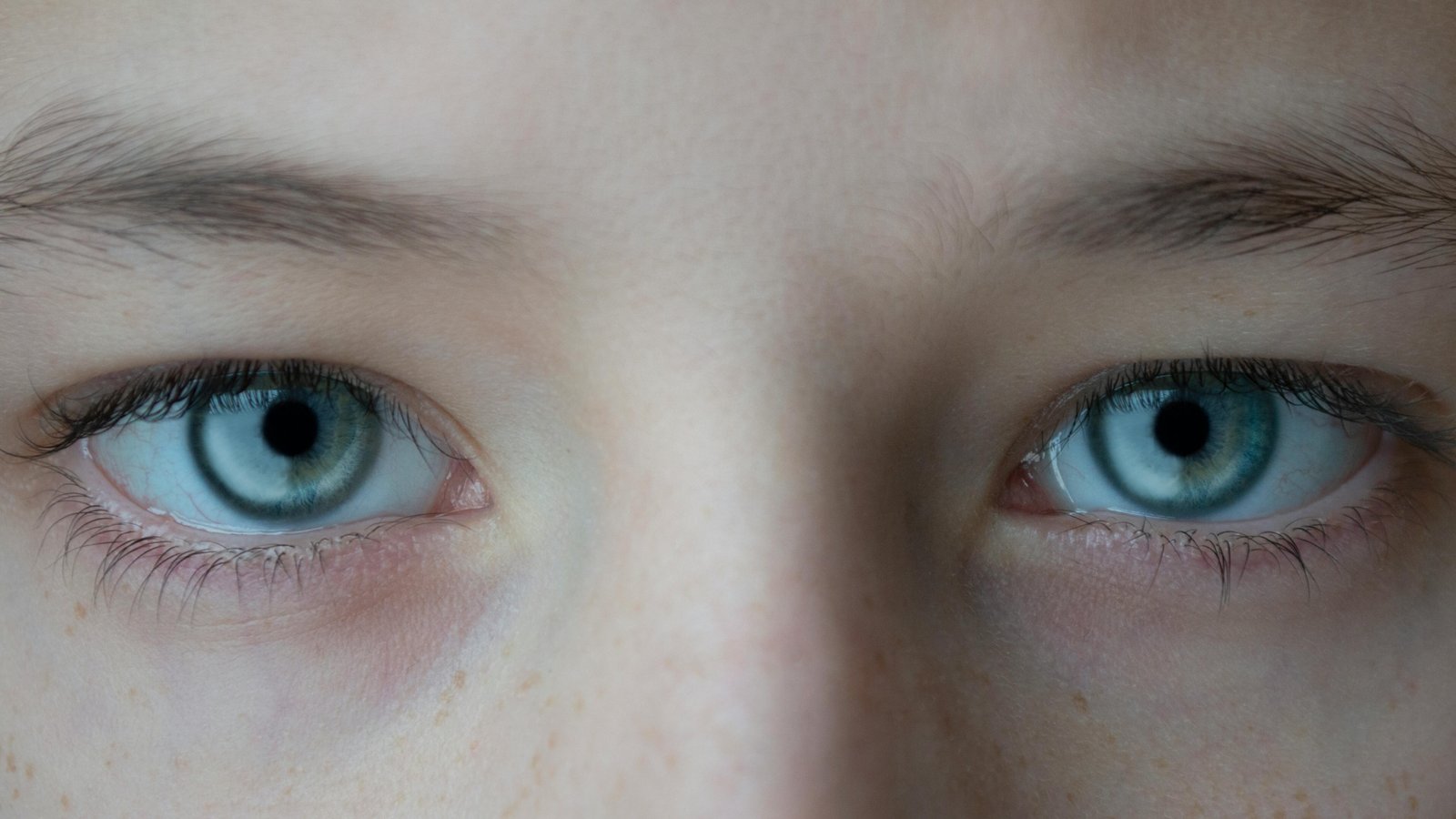
One of the earliest signs of a pressure-related weather response is a low-grade pressure headache that concentrates behind the eyes or across the forehead. This is different from a typical tension headache or a migraine. It feels more like a mild squeezing sensation, often accompanied by a sense that your sinuses are subtly blocked even when there is no actual congestion. The ache can come and go in waves as pressure fluctuates during the approach of a system.
The physiological basis involves the sinuses, which are air-filled cavities in the skull that must equalize with outside air pressure through narrow openings. When pressure drops rapidly, the equalization lags behind, producing the pressure sensation that characterizes this early warning. People with any history of sinus problems, whether chronic sinusitis, allergies, or previous facial injuries, tend to feel this symptom more intensely than those without. The sensation often precedes any other physical sign by several hours.
Simple interventions include steam inhalation, hot showers, and saline nasal rinses, all of which help the sinuses equalize pressure more effectively. Over-the-counter decongestants can provide relief but should be used sparingly to avoid rebound congestion. Staying hydrated and avoiding alcohol during pressure changes helps maintain mucous membrane function. If the ache consistently precedes storms and reaches headache severity, tracking the pattern allows for pre-medication strategies that can prevent the progression from ache to full headache.
Stiff Joints First Thing in the Morning
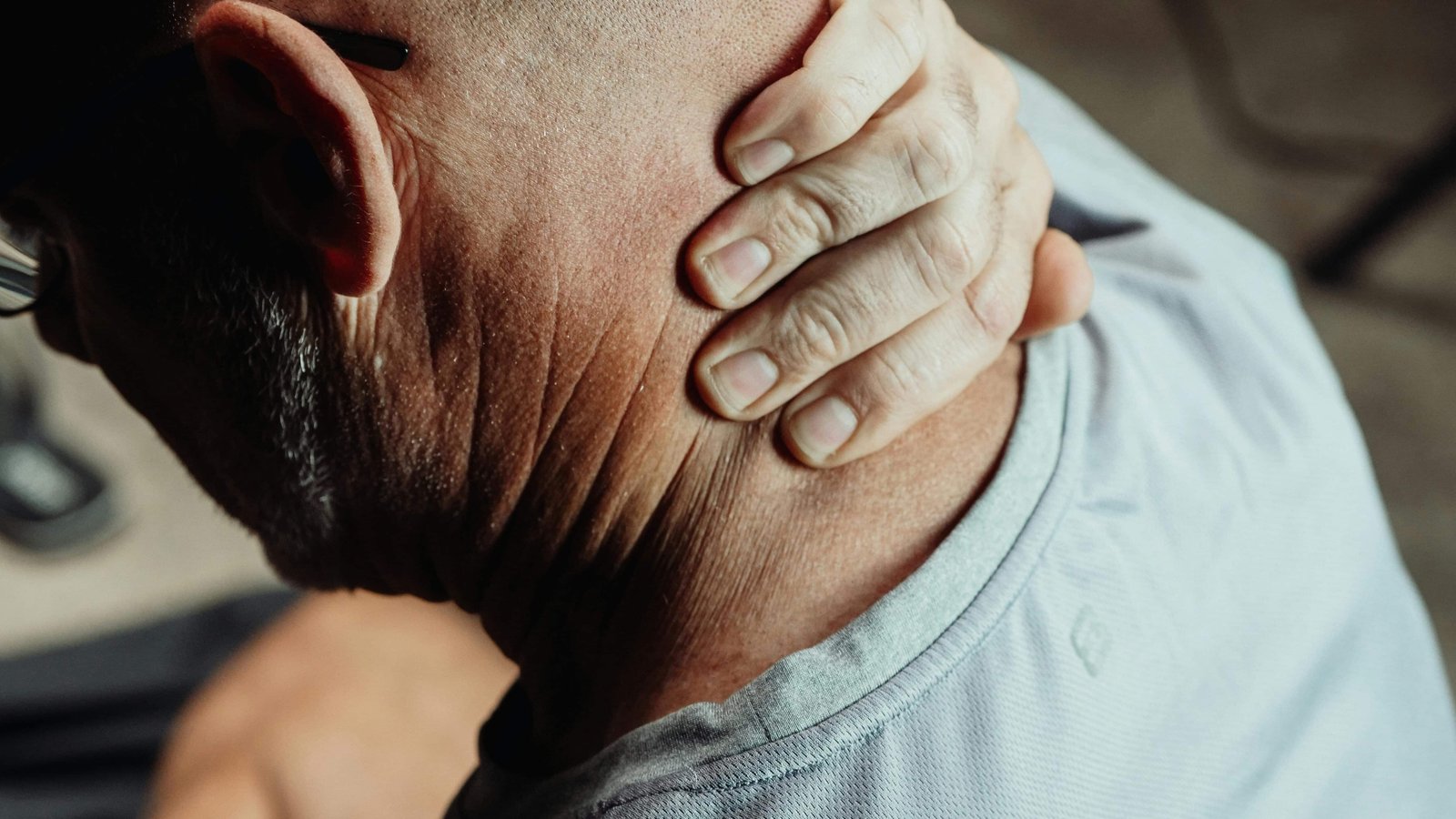
Morning stiffness is a normal experience for many people, but the stiffness that arrives with approaching weather has a distinctly different quality. It is more pronounced, lasts longer before loosening with movement, and often affects joints that normally do not give trouble. People with arthritis recognize this pattern immediately. Those without a formal diagnosis often attribute the stiffness to age, sleeping position, or overexertion, never connecting it to the weather change that is coming later in the day.
The mechanism involves tissue expansion around joints as barometric pressure drops. In healthy joints, this expansion is imperceptible. In joints with any degree of inflammation, injury history, or degenerative change, even small tissue shifts can produce stiffness and discomfort. The knees, hips, hands, and lower back are the most commonly affected areas because they bear mechanical stress and tend to accumulate wear over time. The fingers often feel thick or slightly swollen during pressure-related stiffness.
Moving through morning stiffness helps break the cycle. Gentle stretching before getting out of bed, warm showers, and light activity before breakfast all help restore joint function. Keeping warm overnight, particularly covering the feet and hands, reduces the severity of morning symptoms. For those who experience severe stiffness before storms, anti-inflammatory medications taken at bedtime when pressure changes are forecast can reduce morning impact. Tracking the pattern over time reveals how reliably the morning stiffness predicts weather changes.
Unusual Fatigue Without Explanation

The feeling of being heavy, drained, or mentally sluggish when nothing in your schedule explains it is one of the most commonly reported but least recognized storm-related symptoms. People typically blame themselves for not sleeping well or not getting enough caffeine, missing the connection to atmospheric changes that is actually driving the fatigue. The heaviness often arrives in mid-afternoon, when the body is most sensitive to subtle physiological shifts.
Several mechanisms contribute to pre-storm fatigue. The slight reduction in available oxygen at lower pressure, while too small to matter biochemically, may contribute through subtle effects on alertness. The increased cloud cover that typically precedes storms reduces natural light exposure and can trigger premature melatonin release. Some research suggests that pressure changes directly affect sleep architecture the night before, producing less restorative sleep without obvious disruption.
Countermeasures include getting bright light exposure in the morning on days when storms are forecast, maintaining regular sleep times, and using caffeine strategically rather than habitually. Short walks outdoors, even in gloomy weather, can reset alertness. Planning demanding tasks for the morning hours before the fatigue intensifies allows productive work to happen during the best window. Recognizing the pattern itself reduces the tendency to judge yourself for feeling unmotivated on days when the weather is actually the cause.
A Runny Nose or Watery Eyes

The body’s mucous membranes are sensitive to changes in both humidity and pressure, and many people experience mild symptoms that resemble allergies or a cold coming on during storm approaches. The nose may run intermittently, the eyes may water, and there can be a general sense of nasal congestion that is not severe enough to interfere with breathing but that is noticeable throughout the day. These symptoms often resolve as soon as the storm passes and pressure stabilizes.
The reaction is different from true allergic response, though it can be difficult to distinguish without testing. The mechanism appears to involve the autonomic nervous system responding to pressure changes with mild vasodilation and increased mucous production. For people with underlying allergies or asthma, the pressure-related symptoms can compound actual allergic responses, since falling pressure often coincides with wind that stirs up pollen and mold spores. The combination can produce significant symptoms that track with storm patterns.
Saline nasal sprays and eye drops provide symptomatic relief without the side effects of decongestants or antihistamines. Keeping windows closed during storm approaches reduces exposure to wind-borne irritants. For those with documented allergies, pre-medicating with antihistamines when storms are forecast can prevent the compound effect. If nasal symptoms consistently accompany pressure changes without any allergic basis, discussing the pattern with a physician can rule out other causes and sometimes lead to specific treatments for barometric rhinitis.
Feeling Slightly Dizzy or Off-Balance

The inner ear is exquisitely sensitive to pressure changes, and many people experience mild balance disturbances during storm approaches that they rarely connect to the weather. The sensations include a subtle sense of being slightly off-balance, brief dizzy spells when changing position, and a general fuzziness of spatial awareness. The symptoms are usually not severe enough to interfere with normal activities but can be noticeable during activities that require precise coordination.
The mechanism involves the vestibular system, the complex of fluid-filled canals in the inner ear that maintains balance. Pressure changes can affect the fluid dynamics in these structures, producing signals that the brain interprets as movement or instability. People with any history of ear problems, including chronic sinusitis, previous ear infections, or conditions like Meniere’s disease, experience these effects more intensely. The symptoms often worsen during rapid pressure changes and resolve as pressure stabilizes.
Simple interventions include avoiding sudden head movements during symptoms, staying hydrated (which supports healthy inner ear function), and chewing gum or yawning to help the eustachian tubes equalize pressure. For severe symptoms that significantly affect function, a physician evaluation can rule out underlying vestibular conditions that may be treatable. Balance exercises, available through physical therapy, can reduce the body’s vulnerability to atmospheric effects on the vestibular system over time.
Increased Thirst Without Activity

Feeling unexpectedly thirsty on a day when you have not exercised or been in the heat can be a subtle storm-related signal. The mechanism involves the body’s response to changing humidity and pressure, which can affect fluid balance and the sensation of thirst in ways that are not fully understood. Some people notice that their water intake naturally increases on days before storms, and the increased thirst often persists during the storm itself before returning to baseline after the system passes.
The body’s fluid regulation involves multiple hormonal systems, and atmospheric changes appear to influence these systems in ways that manifest as altered thirst, urination patterns, and fluid retention. People with certain medical conditions, including diabetes and kidney disease, may notice more pronounced fluctuations. The effect can contribute to the general feeling of malaise that characterizes weather sensitivity, since dehydration at any level worsens most pressure-related symptoms.
Responding to the thirst signal by drinking more water, rather than assuming the signal is mistaken, is the right strategy. Room-temperature water is absorbed most efficiently. Electrolyte drinks can help during severe weather sensitivity, particularly if fluid losses seem elevated. Limiting caffeine and alcohol during storm approaches supports fluid balance, since both have diuretic effects. Tracking fluid intake alongside symptoms can reveal whether adequate hydration reduces overall weather sensitivity, and many people find that simply drinking more water significantly improves how they feel during weather transitions.
A Dull Ache in an Old Injury
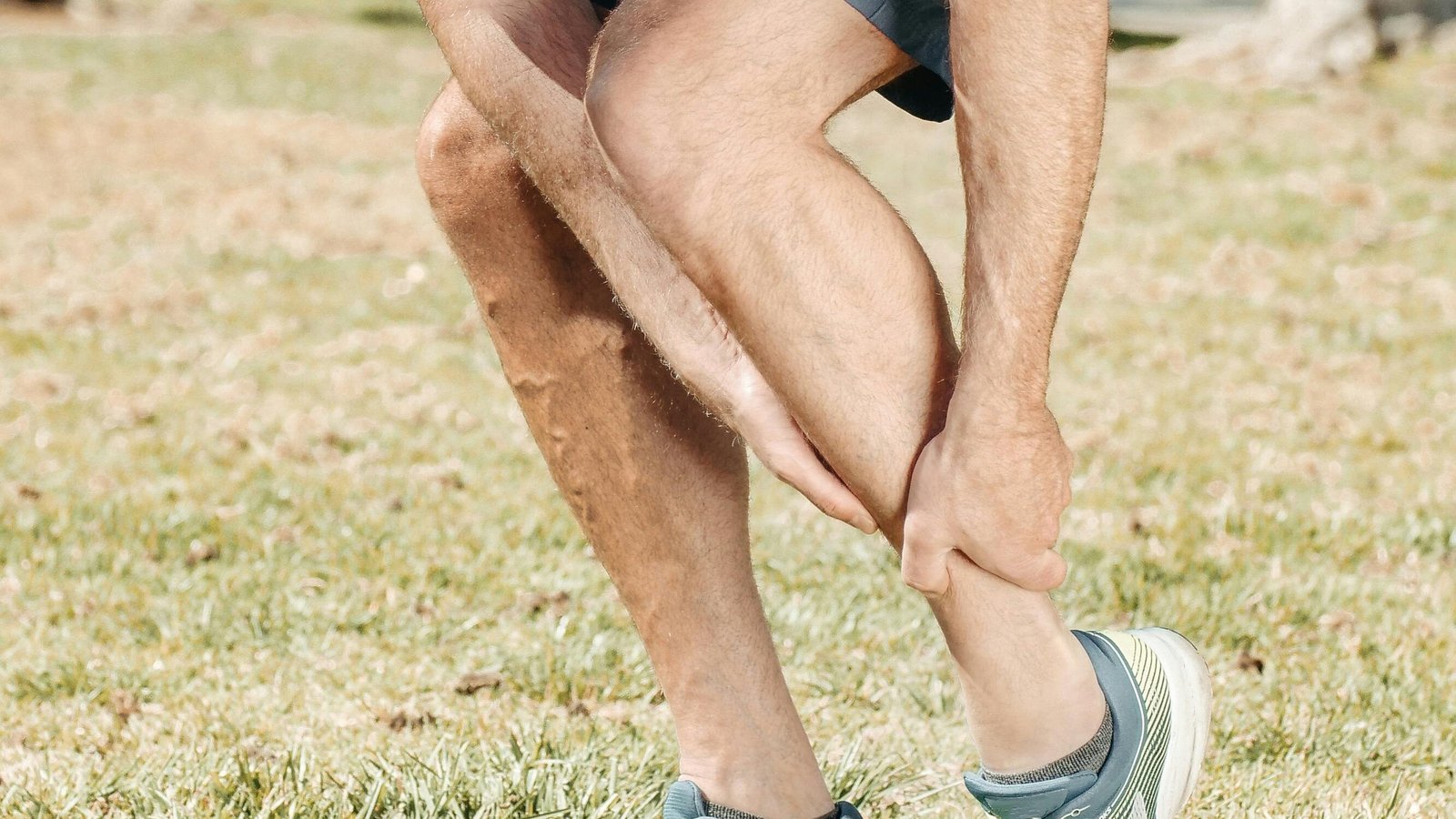
Old injuries have a way of speaking up before storms, and the phenomenon is among the most universally reported weather-related symptoms. A knee that was sprained years ago, a shoulder that was dislocated in college, a back that was strained lifting something heavy, all can announce their existence with aching or stiffness that was not present the day before. The connection is so consistent that many people use their old injuries as personal weather forecasts.
Scar tissue and healed injury sites have different structural properties than surrounding healthy tissue. Collagen fibers are less organized, there is often reduced elasticity, and nerve distribution can be altered. When barometric pressure drops and tissues shift slightly, scar areas respond differently than their surroundings, producing sensations that the brain interprets as pain or discomfort. Areas with retained metal hardware from surgeries can respond to temperature changes as well as pressure changes.
Management for weather-sensitive old injuries focuses on maintaining tissue flexibility. Regular gentle stretching, massage of scar areas, and heat applications during symptom episodes all help. Topical pain-relief products can provide direct symptomatic relief. For severely weather-sensitive injuries, a physical therapist who specializes in scar management can often reduce the sensitivity over time through specific manual techniques. Recognizing the pattern validates the experience and reduces the frustration of unexplained aches, even when complete symptom prevention is not possible.
Mood Dips or Unexplained Irritability

The emotional effects of weather are real and distinct from the psychological response to bad weather itself. Before storms, many people experience mood shifts that seem to come from nowhere, including mild sadness, increased irritability, anxiety, or a general sense of unease. These shifts often occur while the weather is still fine, before the visual cues of overcast skies have arrived, which rules out simple reaction to gloomy conditions. Something else is happening in the brain.
The mechanisms likely involve several pathways. Barometric pressure changes may affect neurotransmitter function directly, particularly serotonin, which is involved in mood regulation. Sleep disruption the night before a storm can affect mood chemistry. The body’s general physiological response to pressure changes, including mild stress hormone release, can produce emotional symptoms. For people with mood disorders, including depression, bipolar disorder, and anxiety disorders, these effects can be significant enough to require clinical attention.
Strategies for managing weather-related mood effects include maintaining physical activity, social engagement, and regular routines regardless of weather. Light therapy can help when reduced sunlight contributes to the effect. Recognizing the pattern allows for appropriate self-compassion and can reduce the secondary distress of wondering why your mood has shifted without obvious cause. For those with mood disorders, documenting weather-related patterns for discussion with a mental health provider can lead to preventive strategies that reduce the impact of atmospheric effects on clinical stability.
Sinus Pressure Even When You Are Not Congested

The feeling of fullness in the face, particularly across the cheekbones, forehead, and around the eyes, can appear without any actual nasal congestion. The sensation feels like you need to blow your nose, but when you do, nothing significant comes out. This is classic pressure-related sinus symptomatology, and it often precedes visible weather changes by several hours to a day. The sensation can range from barely noticeable to genuinely uncomfortable, and it often worsens when leaning forward or changing altitude.
The mechanism involves the sinuses trying to equalize with changing outside air pressure through narrow openings that may not respond quickly enough. Unlike allergic or infectious sinus problems, which involve actual inflammation and mucous production, pressure-related sinus sensations involve only the mechanical pressure differential. This is why decongestants are less effective than they are for congestion-based sinus problems, and why the symptom resolves as soon as outside pressure stabilizes.
Equalization techniques, including yawning, swallowing, and the Valsalva maneuver, can provide temporary relief. Warm compresses on the face, steam inhalation, and hot showers all help the sinuses adapt to pressure changes more easily. Maintaining good overall sinus health through hydration, regular saline rinses, and avoiding cigarette smoke all reduce baseline sinus sensitivity. For people with chronic sinus pressure problems that clearly correlate with weather, an ENT evaluation can identify any structural issues that might be amenable to treatment.
A Craving for Carbohydrates or Comfort Food

The urge to reach for bread, pasta, chocolate, or other comfort foods often spikes on days before storms, and the pattern is not coincidence. The connection between weather and food cravings involves several physiological mechanisms that together produce the distinct sense that comfort food is what you need. Recognizing this as a weather response rather than a character flaw can change how you relate to the cravings.
The mechanisms include reduced serotonin levels during gloomy weather, which trigger carbohydrate cravings as the body seeks to boost serotonin through insulin response to carbohydrate intake. Stress hormones released during pressure changes can increase appetite generally. Lower energy levels during pre-storm fatigue may drive cravings for quick-energy foods. And the cultural association between bad weather and comfort eating reinforces the physiological signals with learned behavior.
Strategies that work with rather than against the cravings include choosing complex carbohydrates like whole grains, oats, and legumes that provide sustained energy, having healthy comfort foods ready for storm days so convenience does not drive poor choices, and eating balanced meals that include protein and fiber to stabilize blood sugar. Acknowledging the cravings as legitimate responses to physiological changes, rather than fighting them with willpower, often produces better outcomes than strict restriction. For people with significant disordered eating patterns that worsen during weather changes, working with a dietitian can produce individualized strategies.
Restless Sleep the Night Before

The night before a storm, sleep quality often deteriorates in ways that are subtle enough that people do not always notice until morning. Dreams become more vivid or disturbing, awakenings happen more frequently, and the overall sense is of having slept less deeply than usual. By morning, the fatigue and irritability are obvious, but the connection to the approaching weather may not be. The pattern is consistent enough that many people can predict storms based on how they slept.
The mechanisms involve the autonomic nervous system, which regulates sleep architecture and is sensitive to pressure changes. As barometric pressure drops during the hours before a storm, the nervous system may respond with mild activation that fragments sleep without producing full awakenings. Pre-storm pain or discomfort can also disrupt sleep continuity. Weather-related sinus pressure may worsen in horizontal positions, interfering with sleep.
Sleep hygiene takes on extra importance during weather-sensitive periods. Maintaining consistent sleep and wake times, keeping the bedroom cool and dark, and avoiding screens before bed all support sleep continuity. Managing pain or sinus pressure before bed with appropriate interventions can prevent disruptions. For people with chronic weather-related insomnia, cognitive behavioral therapy for insomnia has strong evidence and can reduce vulnerability to atmospheric sleep disruption. A sleep specialist can provide additional strategies for severe cases.
A Metallic or Odd Taste in Your Mouth

Some people notice a subtle change in taste perception before storms, often described as a metallic tang or simply a sense that things taste slightly off. The phenomenon is not commonly reported, partly because it is subtle and partly because few people think to connect taste changes with weather. The sensation is usually mild and resolves after the storm passes, though it can be noticeable enough to affect enjoyment of food.
The mechanism is not well understood but may involve changes in saliva composition or chemistry during pressure changes, effects on taste receptor function, or the interaction of weather-related sinus changes with the sense of smell (which strongly influences taste perception). For people with certain medical conditions or medications that already affect taste, weather-related changes may be more noticeable. Some people who take certain medications or who have dental work involving metal may experience the metallic taste more strongly during pressure changes.
The symptom is usually not severe enough to require specific intervention, but staying hydrated helps maintain normal saliva function. Good oral hygiene reduces the baseline sensations. Anyone experiencing new or persistent taste changes that do not resolve with weather patterns should discuss the symptom with a physician or dentist, since taste changes can signal other medical issues. For those who notice the weather connection, it can serve as an interesting advance signal of approaching storms.
Sudden Hunger or Lack of Appetite

Appetite shifts before storms can go in either direction. Some people become noticeably hungrier than usual, even between meals. Others lose interest in food entirely, skipping meals without conscious decision. The shifts are independent of normal hunger cues and often do not track with actual physical activity or meal timing. By the next day, once the weather has arrived, appetite typically returns to baseline.
The mechanisms involve the same hormonal and neurological pathways that produce craving and mood changes. Cortisol, the primary stress hormone, influences appetite in complex ways, with some people responding to elevated cortisol with increased appetite and others with suppression. Serotonin, which affects both mood and appetite, can shift during weather changes. The body’s overall stress response to atmospheric change influences digestion and hunger signaling.
Eating regularly regardless of hunger cues during known weather-sensitive periods helps maintain blood sugar and energy levels. Small, balanced meals are often better tolerated than large ones during appetite suppression. Staying hydrated supports digestive function. For people with significant appetite dysregulation during weather changes, particularly those with eating disorder histories or diabetes, working with appropriate medical providers to develop structured eating plans can prevent the appetite shifts from destabilizing overall health.
Cold Hands and Feet

The extremities often respond to pressure and temperature changes before the rest of the body, and cold hands and feet can precede storm systems by hours. The phenomenon is more than just feeling cold in general. The hands and feet feel disproportionately chilly compared to the core body temperature, and the sensation persists even in normal indoor environments. Some people notice that their fingers or toes feel slightly stiff or less responsive than usual.
The mechanism involves the autonomic nervous system directing blood flow toward the core and away from the extremities in response to the physiological stress of pressure changes. This is a variation of the normal cold-weather response, but it can happen during pressure changes even when the ambient temperature is comfortable. People with conditions like Raynaud’s phenomenon, which involves exaggerated blood vessel constriction in the extremities, experience the effect more strongly and may have actual skin color changes in their fingers and toes.
Warming the extremities directly through warm clothing, heated gloves or socks, or warm water helps counteract the sensation. Maintaining good circulation through regular movement and staying hydrated supports overall vascular function. For people with Raynaud’s or similar conditions, consistent management practices that reduce baseline vulnerability help with weather-related episodes. Anyone noticing new or severe cold-extremity symptoms should have the pattern evaluated, since underlying circulatory issues may be contributing.
What to Do With This Information
Recognizing that your body is responding to atmospheric changes is genuinely useful. The first benefit is validation. Many people with weather sensitivity have been told their symptoms are psychological, imagined, or exaggerated. They are not. The research literature documents clear physiological mechanisms for most of these responses, and the patient experience has been consistent enough for long enough that the connections are accepted in modern medicine.
The practical benefit is that awareness enables preparation. Tracking symptoms alongside weather data for a few weeks reveals personal patterns. Some people find that specific symptoms precede storms by predictable time intervals, which becomes its own weather forecasting tool. Medications, comfort measures, and activity planning can all be organized around the advance signals. Days with predicted weather sensitivity can include extra rest, lighter schedules, and protective strategies.
For symptoms that significantly affect quality of life, medical attention is worthwhile. Neurologists can help with pressure-related headaches and migraines. Rheumatologists can manage joint pain. ENTs can address sinus and ear symptoms. Cardiologists can evaluate weather-related cardiovascular symptoms. Mental health providers can support mood stability across weather changes. The common thread is that modern medicine increasingly recognizes weather as a legitimate factor in health, and providers who take weather sensitivity seriously are better equipped than ever to help patients manage the effects. If your body has been giving you weather forecasts for years, it is telling you something worth listening to.