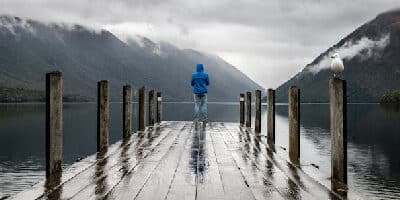
Some painters spent their entire careers trying to solve the same problem: how do you freeze something that never stops moving.
The sky changes faster than any other subject a painter can choose, and the artists who became obsessed with it developed techniques, philosophies, and reputations built entirely around the challenge of capturing weather on a static surface.
Several of the most famous paintings in the Western canon are, at their core, paintings about clouds, storms, fog, and the feeling of standing under a sky that is about to do something dramatic.
These are the ones worth knowing.
John Constable and the serious study of clouds
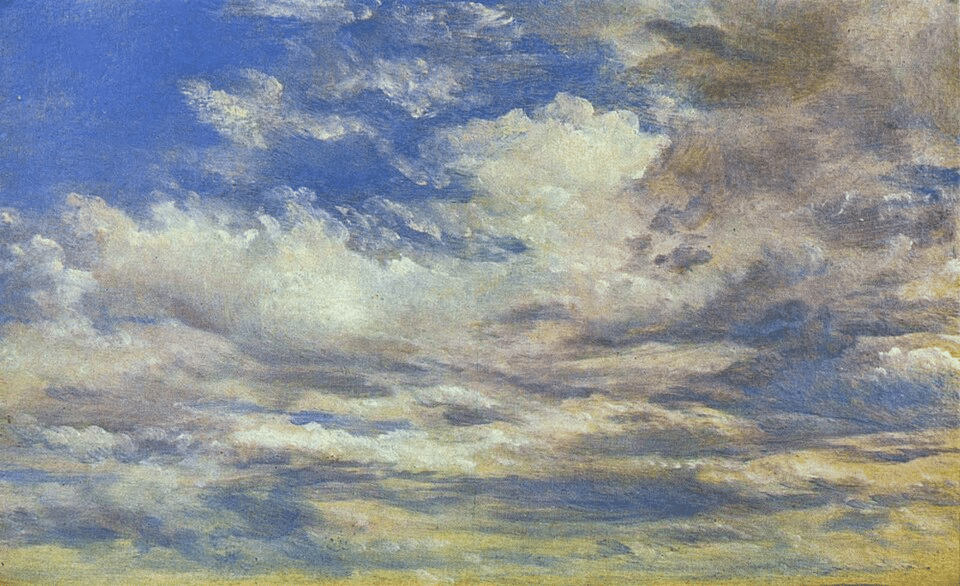
John Constable filled entire sketchbooks with nothing but cloud studies, believing that the sky was “the chief organ of sentiment” in a landscape painting.
He was the first artist to make clouds the main subject of a serious painting rather than a backdrop for something else.
Between 1821 and 1822 he produced over 100 cloud studies in oils, annotating many of them on the back with the date, time, wind direction, and weather conditions, treating them as scientific records as much as works of art.
His approach influenced every landscape painter who came after him and laid the groundwork for a serious artistic tradition of sky observation that persists to this day.
J.M.W. Turner lashed to the mast
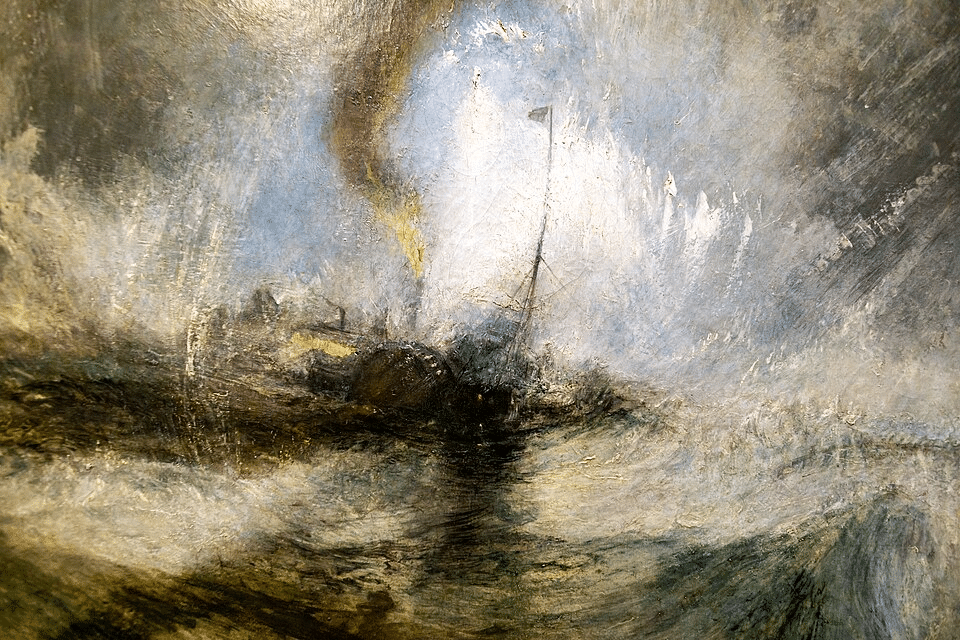
J.M.W. Turner took the obsession further, reportedly having himself lashed to the mast of a ship during a storm so he could observe it up close before painting Snow Storm: Steam-Boat off a Harbour’s Mouth in 1842.
Critics called it meaningless when it was first shown; one described it as “soapsuds and whitewash.”
Turner was furious, insisting he had not painted it to be understood but because he wished to show what a storm felt like from inside it.
It is now considered one of the greatest paintings of natural power ever made, and one of the earliest works of art to depict weather as an overwhelming, uncontrollable force rather than a scenic backdrop.
El Greco’s apocalyptic sky over Toledo
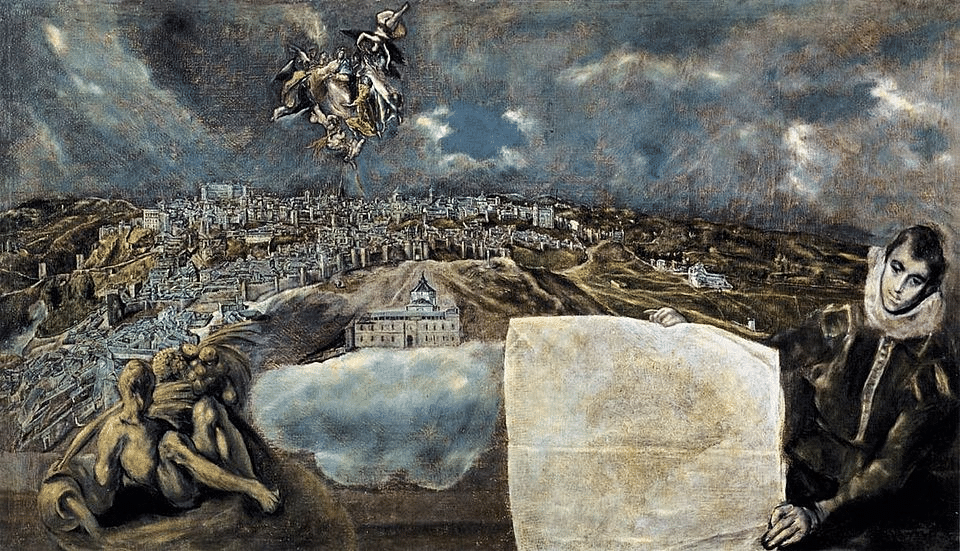
El Greco’s View of Toledo, painted around 1600, shows the Spanish city under a sky so dark and churning it looks like the end of the world.
It is one of the only pure landscapes El Greco ever painted. Almost everything else he produced was religious or portraiture.
Art historians have debated for centuries whether he was depicting an actual storm approaching the city or something entirely imagined from his own turbulent inner world.
The painting hangs in the Metropolitan Museum of Art in New York and continues to unsettle viewers in a way that most 400-year-old paintings do not.
Hokusai and the wave that swallowed everything
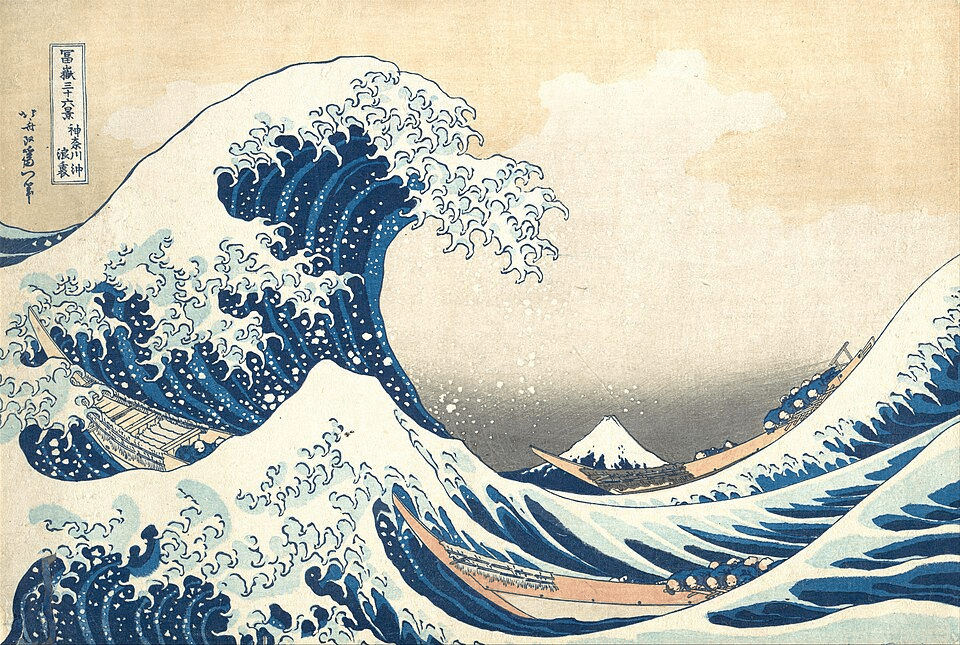
Katsushika Hokusai’s The Great Wave off Kanagawa is technically a woodblock print of a wave, but the real subject is the terrifying relationship between humans and the sea under a cold winter sky.
It was produced around 1831 as part of a series called Thirty-Six Views of Mount Fuji, which puts the mountain – tiny and serene in the background – in deliberate contrast with the chaos of the water in the foreground.
The wave’s curling claw-like tips are reaching toward the boats below, and the three fishing boats and their crews are almost invisible within it.
It has been reproduced more times than almost any other image in the history of art and remains one of the most instantly recognized depictions of nature’s power ever created.
Caspar David Friedrich and the philosophy of fog
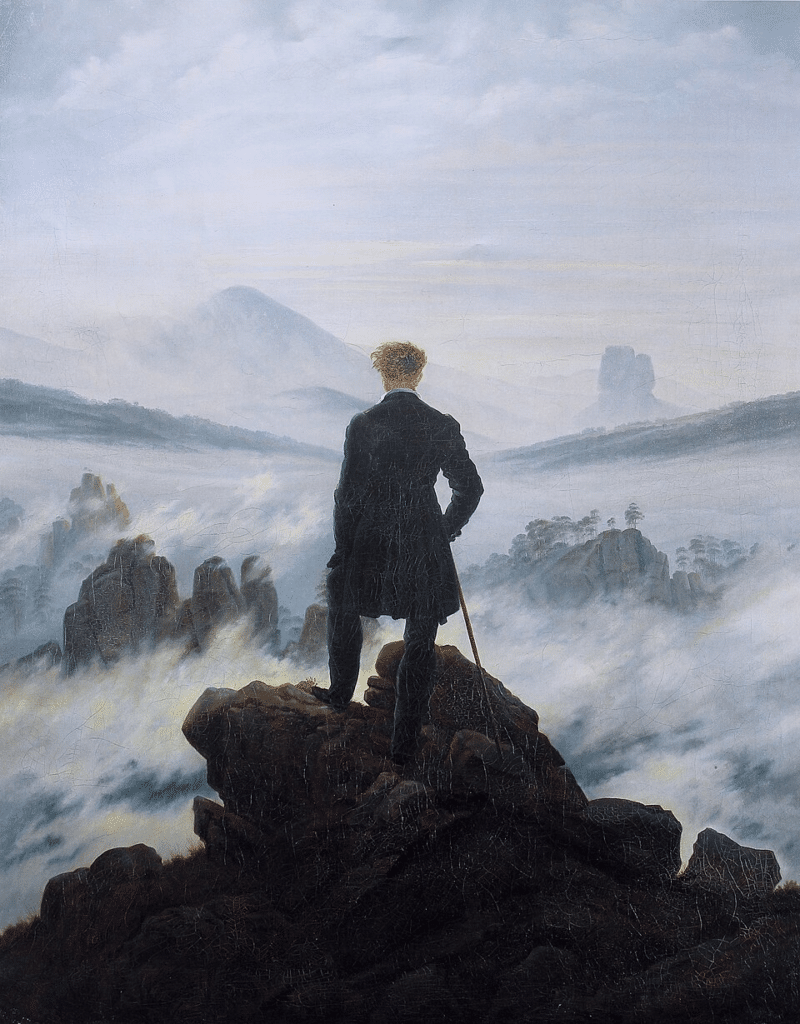
Caspar David Friedrich painted fog and mist as philosophical subjects, using weather to suggest the smallness of humanity against the indifference of nature.
His Wanderer above the Sea of Fog, painted around 1818, shows a single figure standing on a rocky peak, surrounded by clouds in every direction with no clear path forward or back.
Friedrich was one of the first artists to use weather not as atmosphere but as meaning. The fog is not just a visual element, it represents the unknowability of the future.
The painting became a defining image of Romanticism and is reproduced endlessly in philosophy textbooks, album covers, and film posters whenever a visual shorthand for existential uncertainty is needed.
Monet’s London: painting a city made of weather
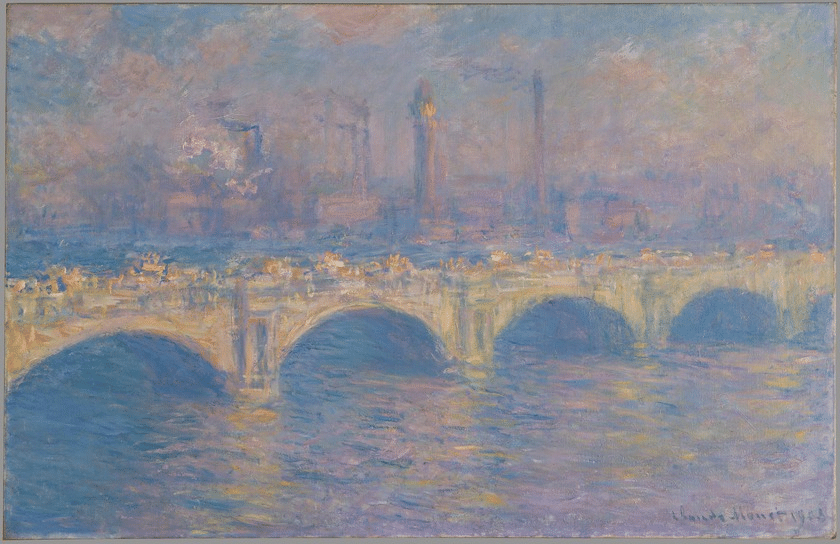
Claude Monet spent years painting the same scenes under different weather and light conditions, producing entire series of haystacks, cathedrals, and water lilies that were really studies in atmosphere rather than objects.
His Thames series, painted in London between 1899 and 1901, captured a city so wrapped in fog and coal smoke that the bridges and buildings almost disappear entirely.
Monet was fascinated by London’s particular fog: a combination of natural river mist and industrial pollution that produced colors he described as “extraordinary” and impossible to find anywhere else in the world.
He produced nearly 100 Thames paintings across multiple visits, and they remain some of the most accurate depictions of the Victorian London atmosphere that no longer exists.
The storm that made the Impressionists
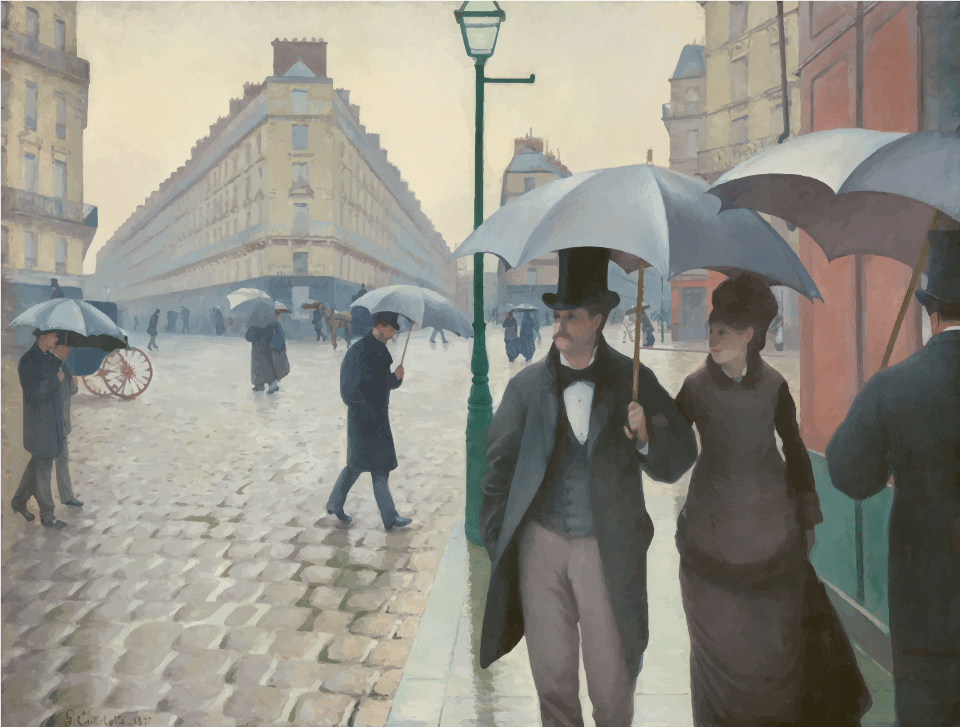
Weather did not just inspire painters. It changed what painting was.
The desire to capture fleeting light and atmosphere was one of the central forces that pushed European art away from the careful, finish-obsessed style of academic painting and toward the looser, faster brushwork of Impressionism.
Painting outdoors, which the Impressionists made famous, forced artists to work quickly because the light and clouds were constantly moving: a style of brushwork developed out of necessity.
The overcast skies of northern France, which diffuse light evenly and eliminate harsh shadows, were not an obstacle for painters like Monet and Pissarro but a condition they actively sought out, producing some of the most luminous paintings in the Western canon from what most people would consider a gray, unremarkable kind of weather.