
San Francisco sits at the intersection of cold ocean currents, coastal topography, and prevailing westerly winds that together create one of the most unusual urban climates in North America.
While the rest of California bakes through triple-digit summers, the city’s average July high hovers around 65 degrees Fahrenheit.
For homeowners and renters paying attention to energy costs, that difference is not just comfortable, it is measurable in dollars.
The Marine Layer: What It Is and Why It Matters
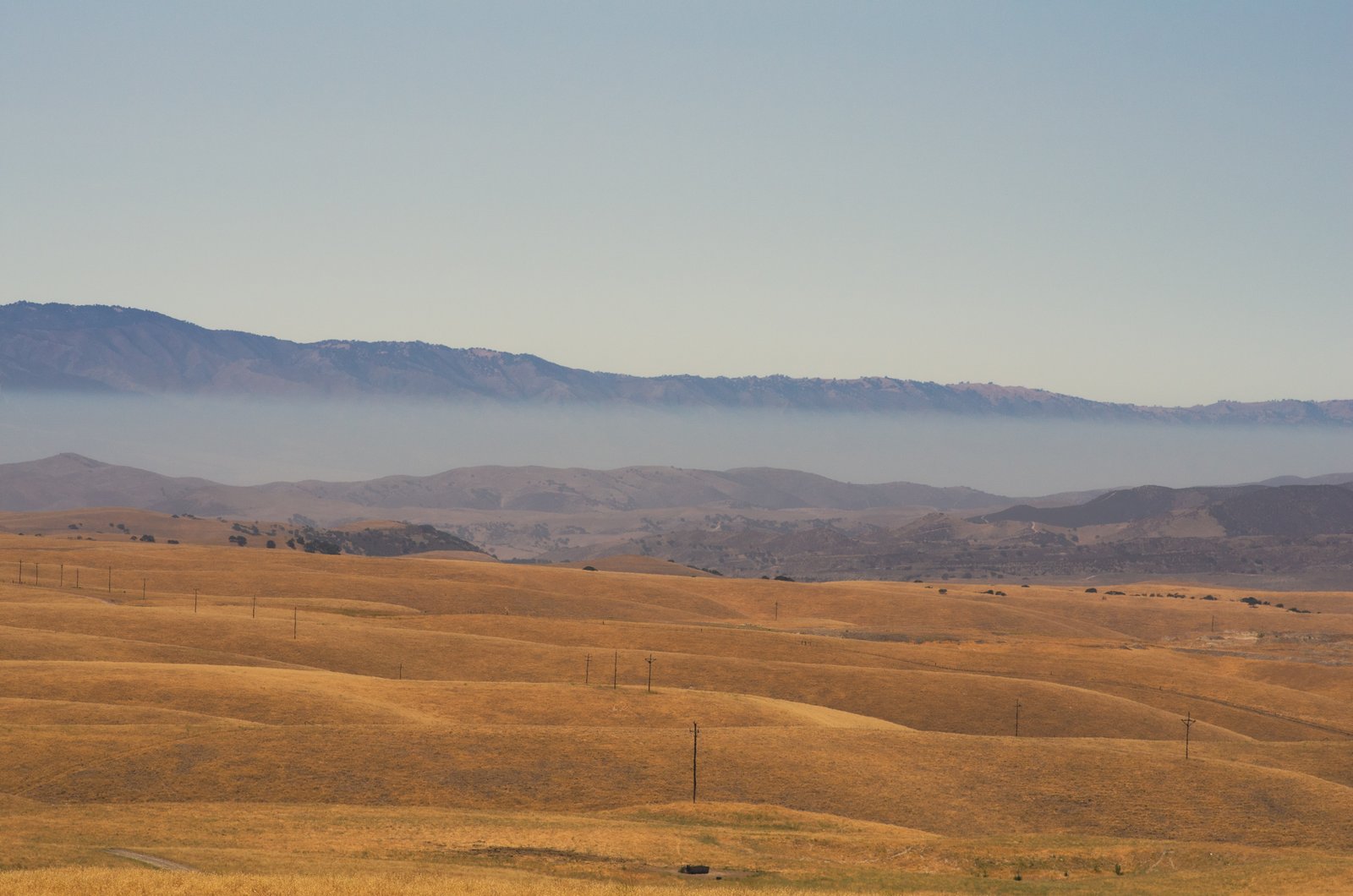
The marine layer is a shallow band of cool, moist air that forms over the Pacific Ocean and pushes inland along the California coast.
It develops when warm air traps cold ocean air near the surface, creating a stable atmospheric lid that holds moisture close to the ground.
In San Francisco, this layer regularly rolls through the Golden Gate and spreads across the western neighborhoods every summer evening.
The marine layer acts as a natural air conditioner, keeping nighttime temperatures in the low 50s even during the hottest inland heat waves.
Without it, the city would experience the same sweltering summers as Sacramento, which sits just 90 miles to the east.
How the Golden Gate Gap Drives the City’s Wind Machine

The Golden Gate is not just a famous strait, it is a pressure relief valve between the cold Pacific and the hot Central Valley.
During summer afternoons, rising hot air over the interior valley creates a low-pressure zone that pulls cool ocean air inland through the gap.
Wind speeds through the Golden Gate regularly reach 20 to 30 miles per hour on summer afternoons.
This wind carries cold marine air directly into the city, suppressing temperatures even on days when sunlight is abundant.
Neighborhoods closest to the Gap, like the Outer Sunset and Richmond, feel the effect most strongly and rarely need any mechanical cooling.
Karl the Fog: A Seasonal Phenomenon with Real Thermal Consequences
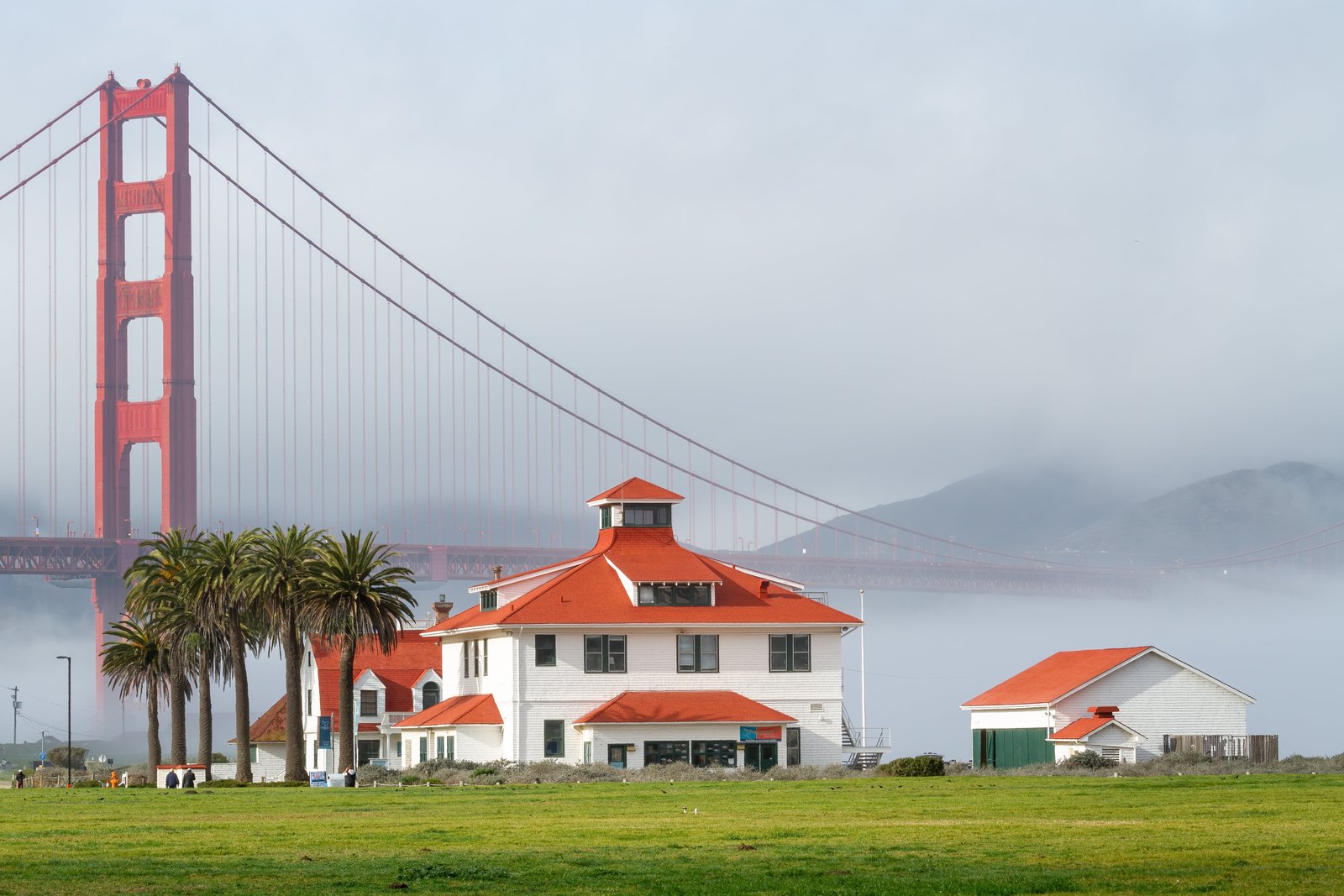
San Francisco’s fog is so persistent it has its own nickname and social media presence: Karl.
Karl typically arrives in May and stays through September, precisely the months when air conditioning demand peaks elsewhere.
Fog blocks direct solar radiation, which is one of the primary drivers of indoor heat gain.
A home shaded by fog for six hours a day absorbs significantly less radiant heat than one under full sun.
Studies of passive solar gain show that reducing solar exposure alone can cut cooling loads by 20 to 40 percent.
In San Francisco, the fog delivers that reduction automatically, every summer, at no cost to the homeowner.
Average Temperatures: The Numbers That Change the Equation
San Francisco’s average July high is approximately 65 degrees Fahrenheit, compared to 93 in Sacramento and 88 in Los Angeles.
The city’s average July low dips to around 54 degrees, creating a natural overnight cooling cycle useful for passive ventilation.
The official all-time high temperature recorded at San Francisco International Airport is 106 degrees, but that is a rare event tied to offshore wind patterns.
In a typical year, fewer than five days exceed 80 degrees in the western and central neighborhoods of the city.
Energy modeling tools use cooling degree days to estimate air conditioning demand, and San Francisco’s annual total is near zero.
What Homes in San Francisco Are Actually Built Like
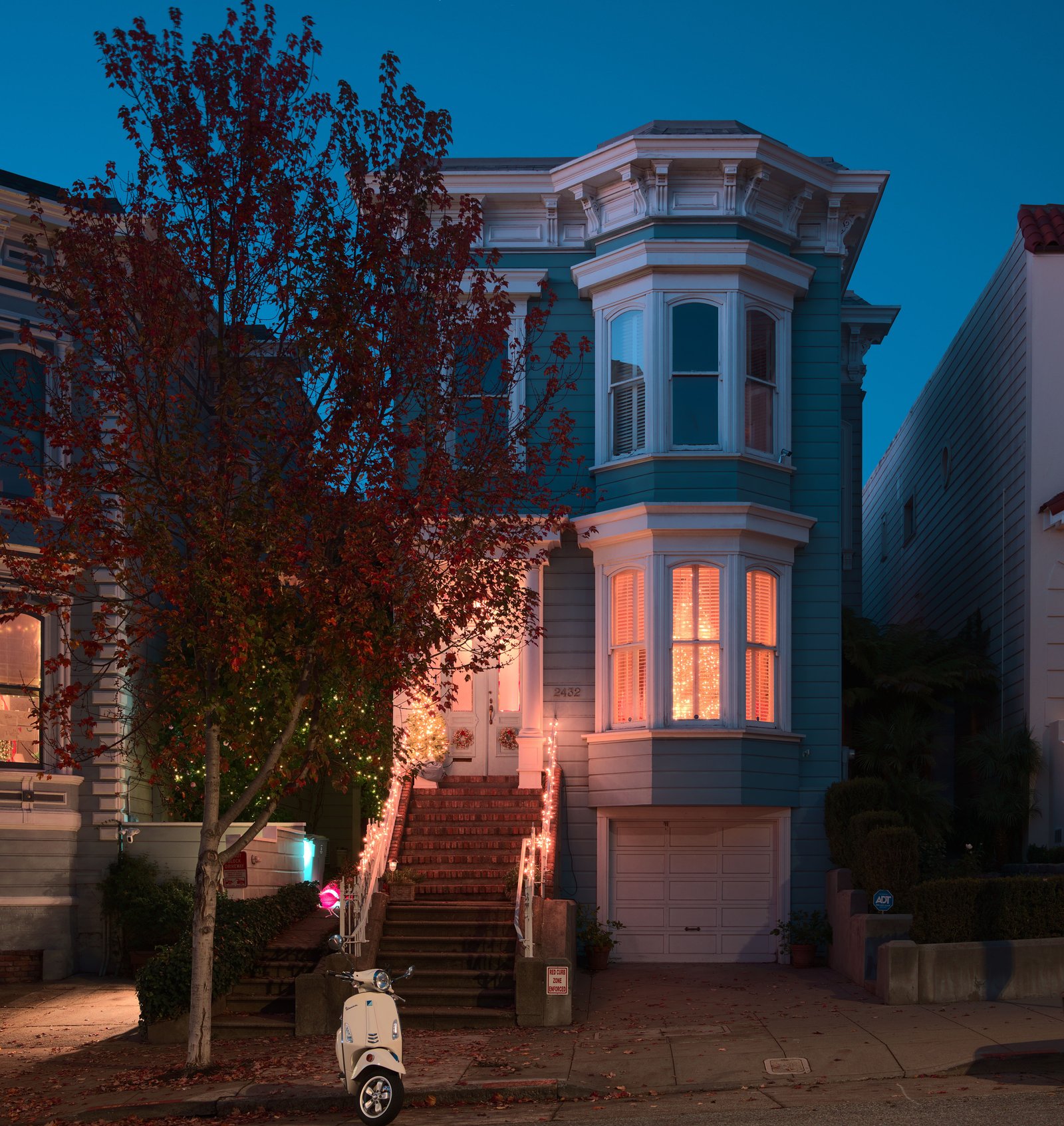
The city’s housing stock is dominated by Victorian and Edwardian wood-frame construction designed before mechanical cooling existed.
These buildings were engineered for natural ventilation, with operable windows, high ceilings, and interior layouts that promote cross-breezes.
Many homes in the western neighborhoods use a simple strategy: close windows in the morning to trap cool air, open them at night to flush heat.
This passive cooling cycle is effective precisely because the marine layer keeps outdoor nighttime temperatures in the 50s.
Newer construction in the city still rarely includes central air conditioning, reflecting both climate reality and energy code priorities.
Neighborhood-Level Variation: Not All of San Francisco Is Equal
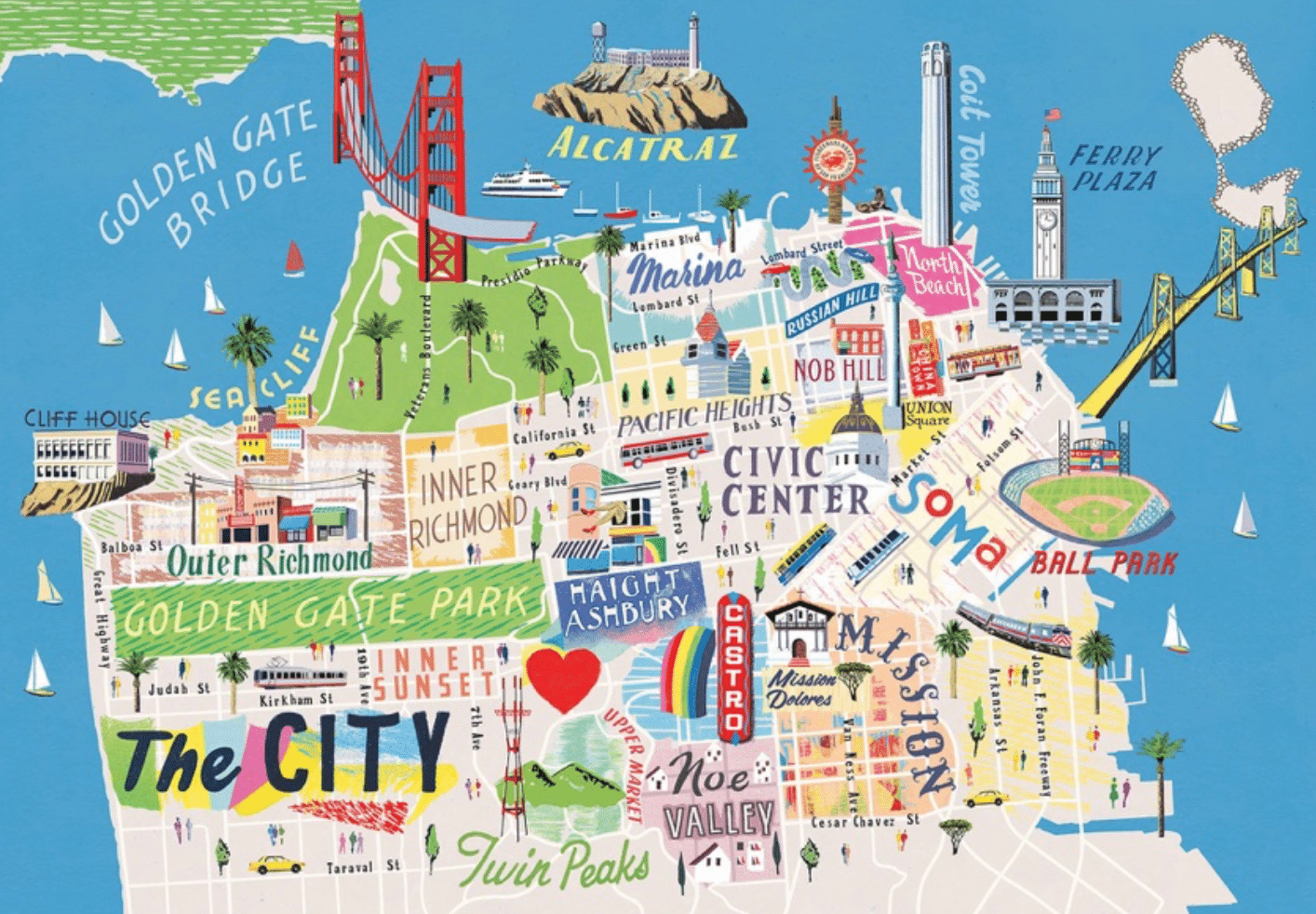
San Francisco’s microclimate is itself made up of dozens of sub-microclimates separated by only a few blocks.
The Mission District sits in a sheltered valley that blocks fog and wind, making it the warmest neighborhood in the city.
The Outer Sunset faces the ocean directly and is often fogged in and windy even on days when the Mission is sunny.
Noe Valley and the Castro occupy a middle zone that alternates between fog and sun depending on wind direction.
A home in the Mission may see 20 to 30 more warm days per year than one in the Outer Sunset.
Buyers and renters who care about energy costs should treat neighborhood selection as part of their climate strategy.
The Real Cost of Air Conditioning in Other California Cities
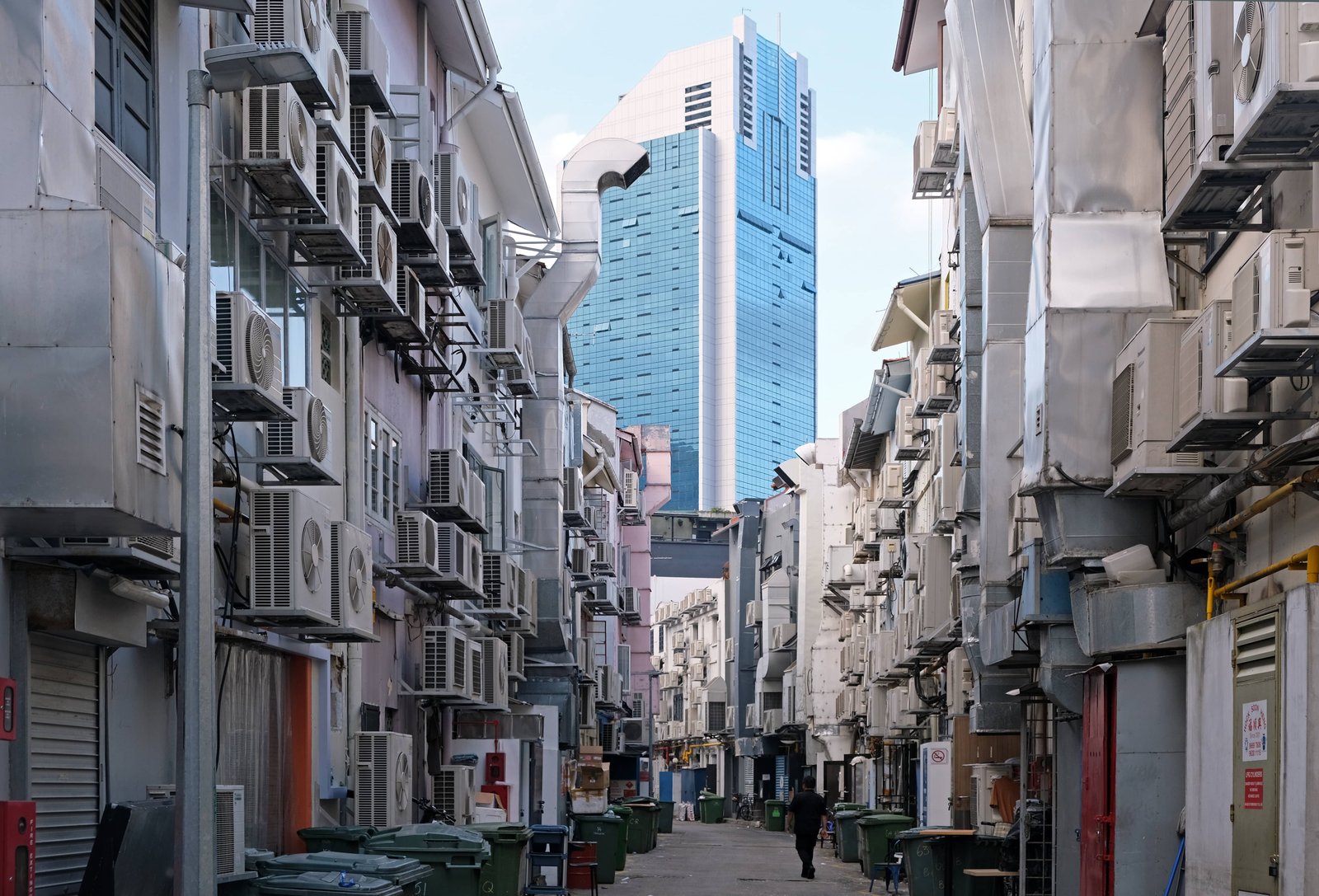
In Sacramento, the average household spends between 400 and 700 dollars per year running central air conditioning.
In Fresno, that figure can exceed 900 dollars annually due to the combination of extreme heat and long summers.
Installation of a central air conditioning system in a mid-size California home typically costs between 5,000 and 12,000 dollars.
Window units, a common alternative, run 150 to 500 dollars each and still add 50 to 150 dollars per summer to the electricity bill.
San Francisco residents who never install or run air conditioning avoid both the capital cost and the ongoing operational expense.
Over a 20-year homeownership period, that avoided cost can easily exceed 10,000 to 15,000 dollars.
Humidity and Comfort: When Fog Makes You Feel Colder Than the Thermometer

San Francisco’s summer humidity frequently sits between 70 and 90 percent during fog events.
High humidity at cool temperatures does not create the oppressive heat of Houston summers but does affect perceived comfort.
Evaporative coolers, which are popular in dry inland California cities, perform poorly in San Francisco’s humid marine air.
The combination of cool temperatures and high humidity means residents rarely feel overheated but may need to manage moisture and mold instead.
Dehumidifiers and proper ventilation become more relevant home investments in San Francisco than air conditioners.
Understanding relative humidity through a weather station helps residents balance comfort without adding unnecessary cooling equipment.
What Climate Trends Mean for San Francisco’s Natural Cooling Advantage

Climate scientists have documented a gradual warming trend along the California coast over the past 50 years.
Research published by NOAA and the California Air Resources Board shows that extreme heat events in the Bay Area are becoming more frequent.
The September 2022 heat wave pushed temperatures in some San Francisco neighborhoods above 100 degrees for the first time on record.
These events expose a growing vulnerability in a housing stock built with no mechanical cooling backup.
Planners and building code officials are beginning to revisit ventilation and cooling requirements for new construction in coastal zones.
San Francisco’s climate advantage remains real but is no longer absolute, and residents who monitor local conditions will be better positioned to respond.