Living in hurricane country changes the way you think about everything. Your relationship with the weather forecast, your pantry, your windows, and your neighbors all operate on a different frequency than the rest of the country. June through November is not summer and fall. It is hurricane season, and everything you do during those months carries a background awareness that the sky could change your life with very little warning.
If you grew up along the Gulf Coast or the Atlantic seaboard south of Virginia, these experiences are burned into your memory. If you did not, this list will explain why hurricane people are the way they are.
1. The Cone of Uncertainty Becomes Your Entire Personality for Five Days
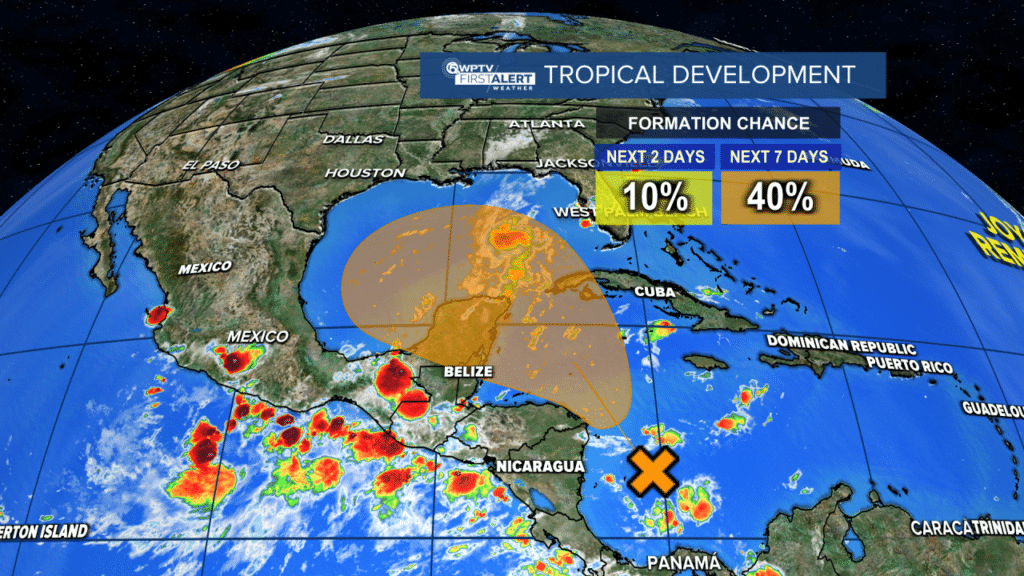
The moment a tropical system enters the Gulf or curves toward the Atlantic coast, you become a full-time meteorologist. The National Hurricane Center’s forecast cone takes over your phone, your conversations, and your ability to focus on anything else. You refresh the page every six hours when new advisories drop, and you have strong opinions about which models are more reliable.
The GFS, the Euro, the HWRF. You know them by name and you trust the Euro more because it called the last one correctly. Your coworkers who are not from hurricane country find this behavior alarming. You find their lack of awareness more alarming.
The cone shifts with every update, and your stress level shifts with it. A 50-mile wobble in the forecast track is the difference between boarding up your house and grilling steaks in the backyard. You watch that cone like it owes you money, because in a very real sense, it does.
2. You Own a Generator and You Know Exactly How Many Days It Can Run
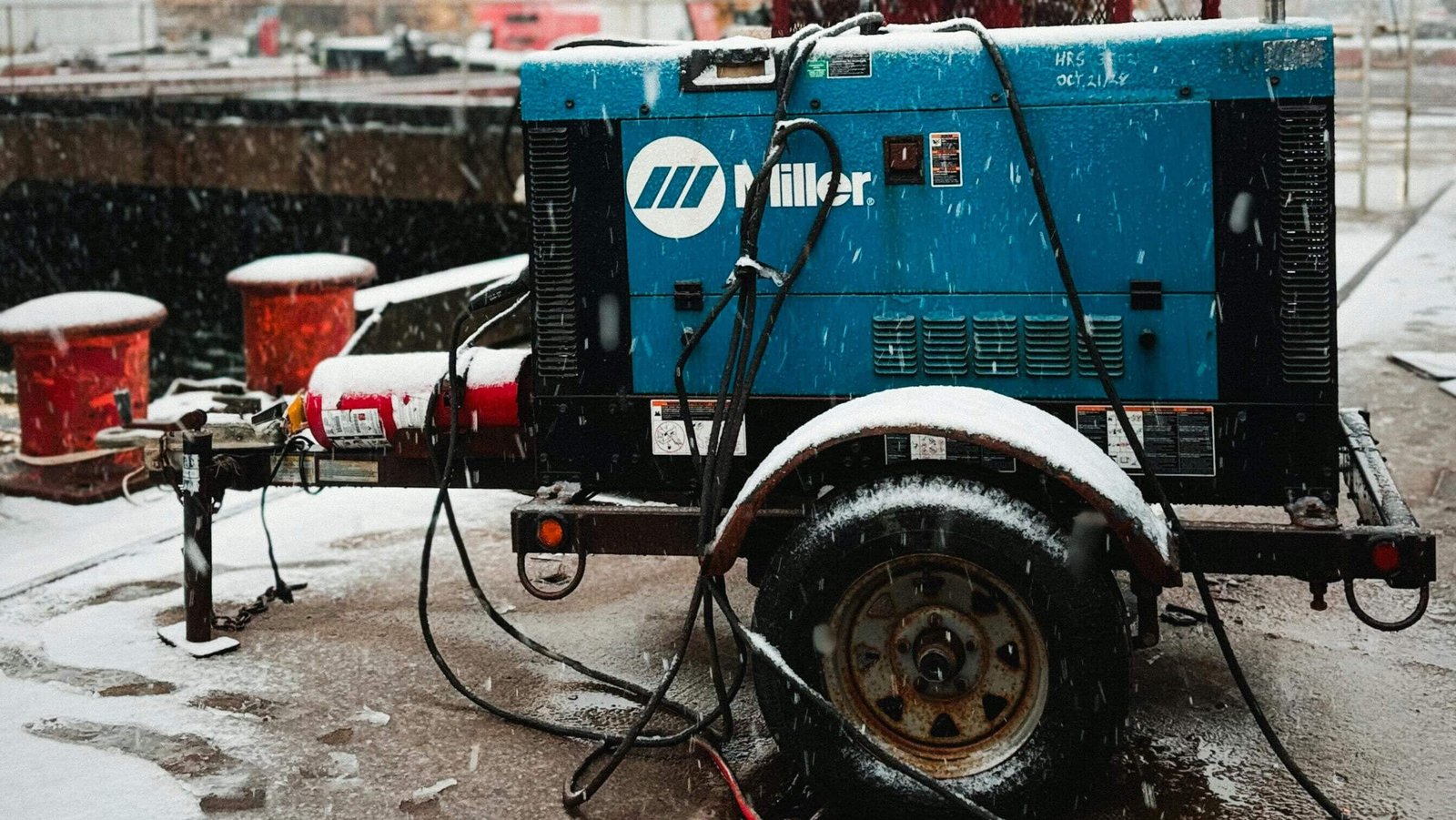
Generators are not luxury items in hurricane country. They are survival equipment, and you either own one or you have a very specific plan for borrowing one. You know its wattage, its fuel consumption rate, and exactly which circuits in your house it can power. The refrigerator and one window AC unit. That is the setup.
The sound of generators running after a hurricane is the soundtrack of recovery. The neighborhood hums at all hours, and the exhaust smell becomes so normal that you stop noticing it by day two. You run extension cords to your neighbor who does not have a generator, because that is what you do.
Before every season, you start the generator to make sure it still runs. You keep the gas cans full. You know where the power strips are. This preparedness feels insane to people in states that have never lost power for more than a day. To you, it feels like the bare minimum.
3. The Bread and Water Aisle Disappears Three Days Before Landfall
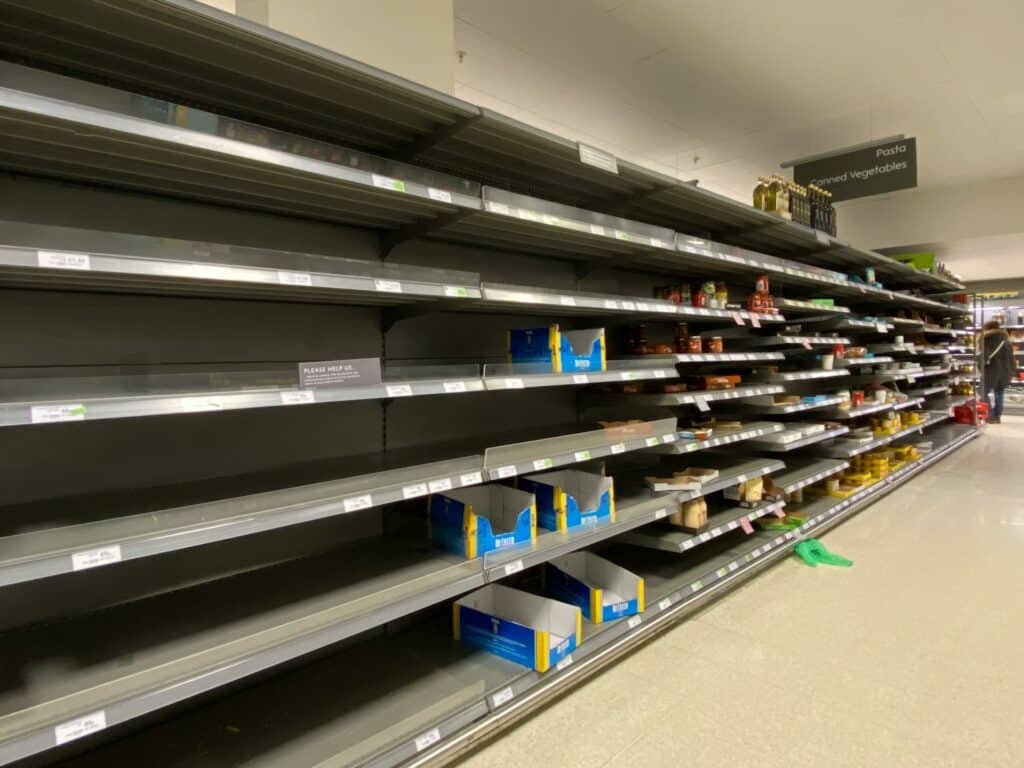
The grocery store becomes a combat zone the moment a hurricane enters the Gulf. Bread, water, batteries, and canned goods vanish from shelves within hours of the first serious forecast. The checkout lines stretch to the back of the store, and everyone in them has the same slightly panicked, slightly resigned expression.
Experienced hurricane people shop before the panic hits. They top off supplies in early June when the season starts, keeping a rotation of canned goods, water, and batteries that never fully depletes. They watch amateurs clear the shelves and think about the sardines and crackers already stacked in their closet.
The real veterans do not even go to the store before a storm. They went to the store in May. The only last-minute purchase is ice, and they know which gas station still has bags when everywhere else has sold out. Preparedness in hurricane country is a competitive skill, and the people who run out of water during a three-day power outage hear about it for years.
4. You Have Plywood With Your Address Written On It
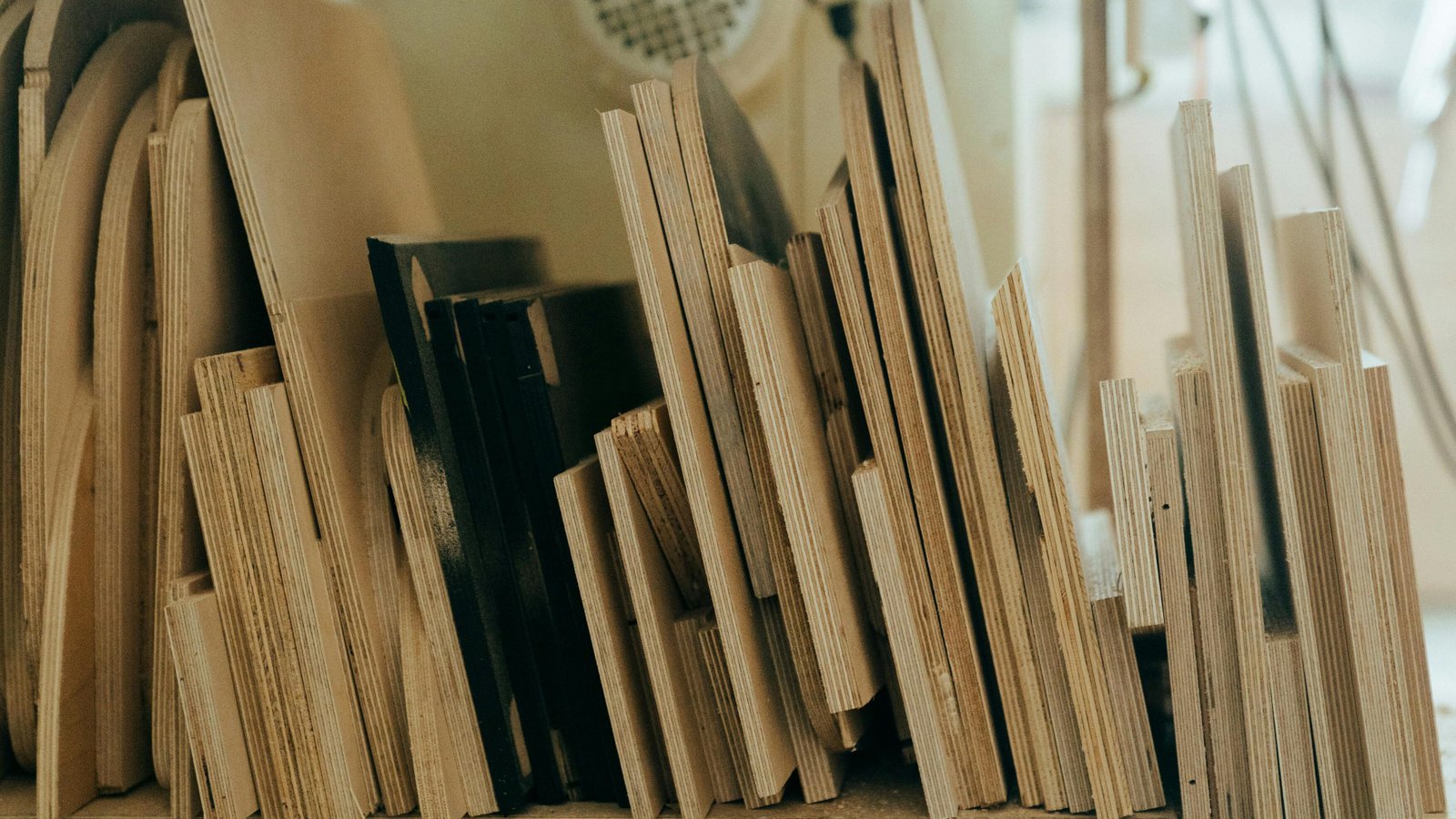
Somewhere in your garage or shed, there are sheets of plywood pre-cut to fit your windows. Your house number is spray-painted on each sheet so they do not get mixed up with your neighbor’s plywood during the post-storm cleanup. The sheets have been used multiple times, and the spray paint has layers.
Boarding up the house is a ritual that takes about four hours with help and eight hours alone. You know which windows to do first (the ones facing the prevailing storm direction) and which ones to skip if time runs short (the small bathroom window on the leeward side). Every homeowner in hurricane country has this calculus memorized.
The sound of drills and hammers on plywood the day before a storm hits is unmistakable. The whole neighborhood is doing it simultaneously, and people who finish first walk down the street to help those who are still working. The plywood goes up together and comes down together, and the whole process repeats with the next storm.
5. You Know the Difference Between Categories Like Your Life Depends On It (Because It Does)
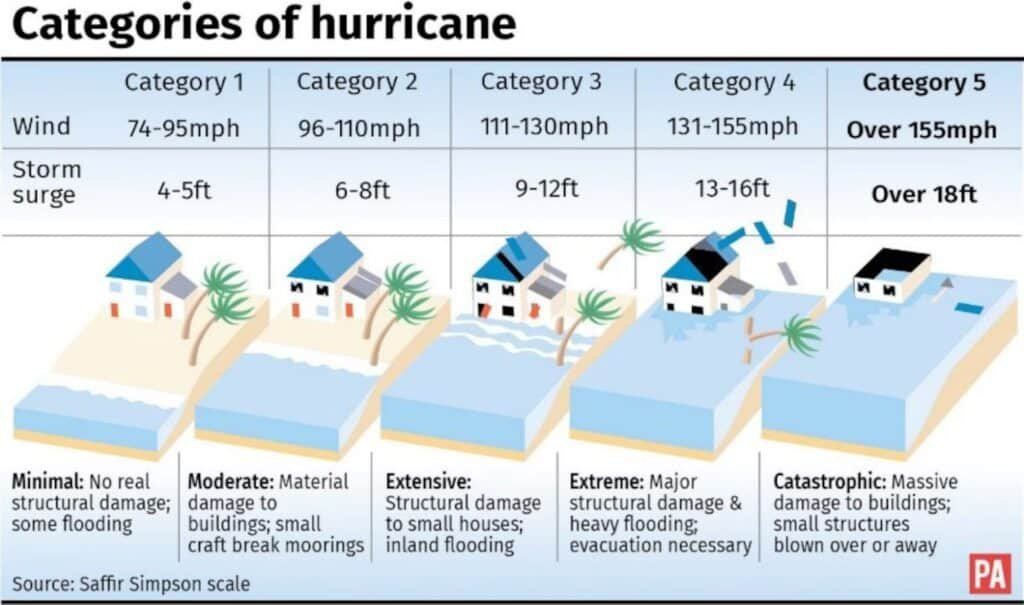
Category 1 means you stay home and ride it out. Category 2 means you stay home but you put the car in the garage and fill the bathtub with water. Category 3 means you seriously consider leaving. Category 4 means you leave. Category 5 means you left yesterday.
These are not official guidelines. They are the informal rules that hurricane country residents have developed through experience, passed down through families and neighborhoods like recipes. Everyone has their own threshold, and everyone judges everyone else’s threshold.
The person who evacuates for a Category 1 gets teased. The person who stays for a Category 4 gets lectured. The person who stayed for a Category 5 and survived gets either respect or a reputation for being crazy, depending on how the story ends. Category knowledge in hurricane country is survival literacy, and people who confuse tropical storms with hurricanes get corrected quickly and firmly.
6. Evacuation Traffic Is Its Own Kind of Disaster
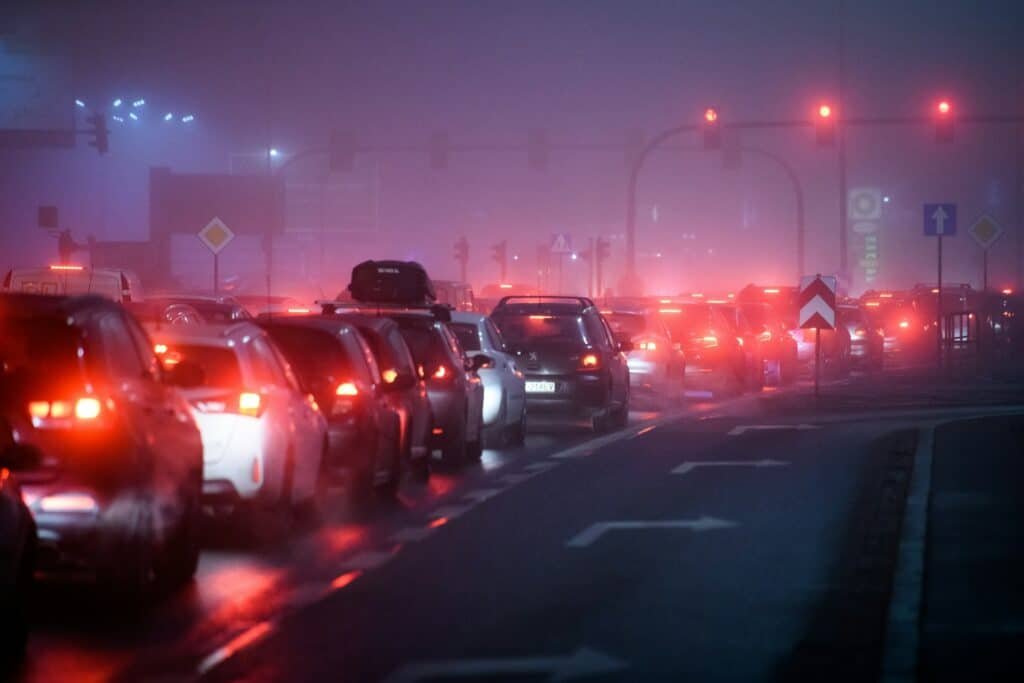
Nothing prepares you for the experience of sitting in bumper-to-bumper traffic on a highway that is normally empty, watching the sky darken behind you while the fuel gauge drops. Evacuation traffic turns a four-hour drive into a fourteen-hour crawl, and the stress of fleeing a hurricane at walking speed creates a unique kind of anxiety that stays with you.
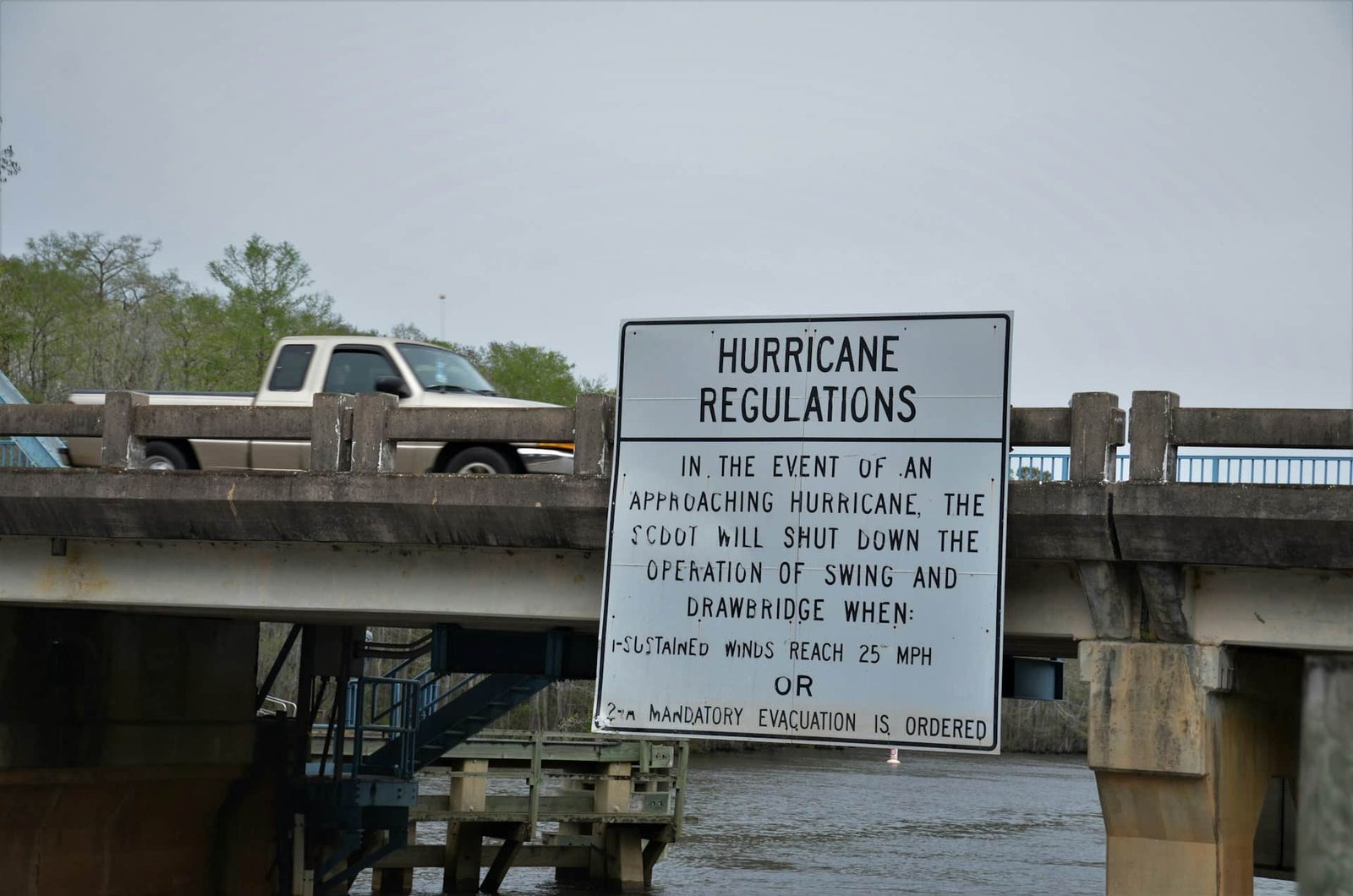
You learn to leave early or not at all. Waiting for the mandatory evacuation order means joining a line of vehicles that stretches hundreds of miles and moves at ten miles per hour. Gas stations run dry. Rest stops overflow. Children and pets reach their breaking points hours before you reach your destination.
Contraflow, where all highway lanes are switched to outbound traffic, helps but creates its own confusion. Experienced evacuees know the back roads, the smaller highways that parallel the interstates, and the small-town gas stations that still have fuel when the interstate stops have sold out. This knowledge is shared among neighbors and passed down like family recipes.
7. The Sound of the Storm at 3 A.M.
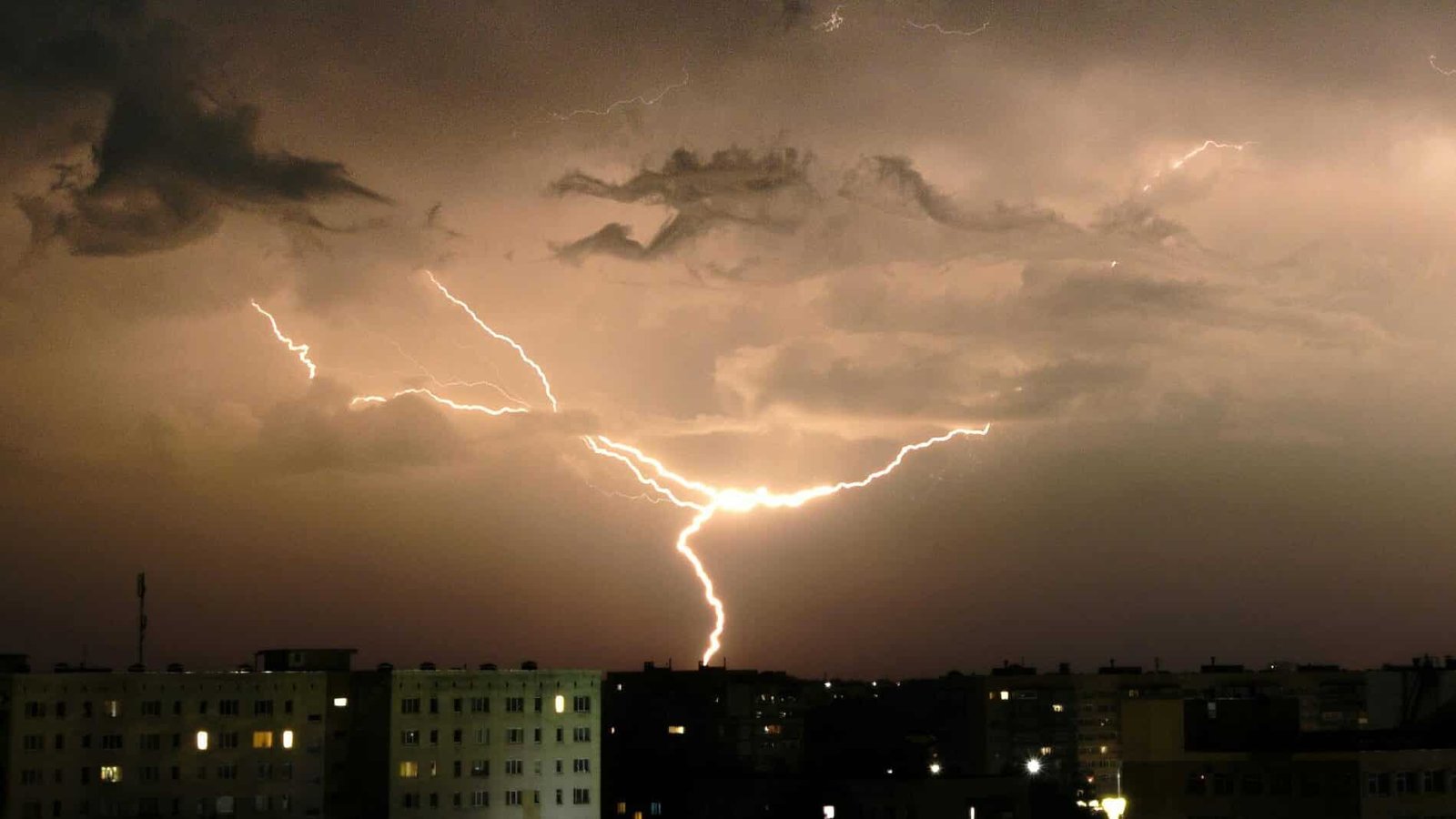
If you have ridden out a hurricane in your house, you know the sound. The wind does not blow. It screams. It finds every gap in your windows, every crack in your doors, and it pushes through them with a whistle that rises and falls like something alive. Transformers explode with blue-green flashes visible through the plywood, and the power goes out in a final pop that leaves you in complete darkness.
Rain hits the windows horizontally with a force that sounds like gravel being thrown at the glass. You hear things hitting the house, branches, debris, pieces of someone else’s fence or roof, and you cannot see what is doing the damage. You lie in bed listening, cataloging the sounds, trying to determine if the noises are normal storm sounds or something structural giving way.
The eye, if it passes over you, brings a silence so complete that it feels like the world has ended. You walk outside in the calm, look up at stars through a ring of towering clouds, and know that the other side of the storm is coming. Then you go back inside and the screaming starts again.
8. The Blue Roof
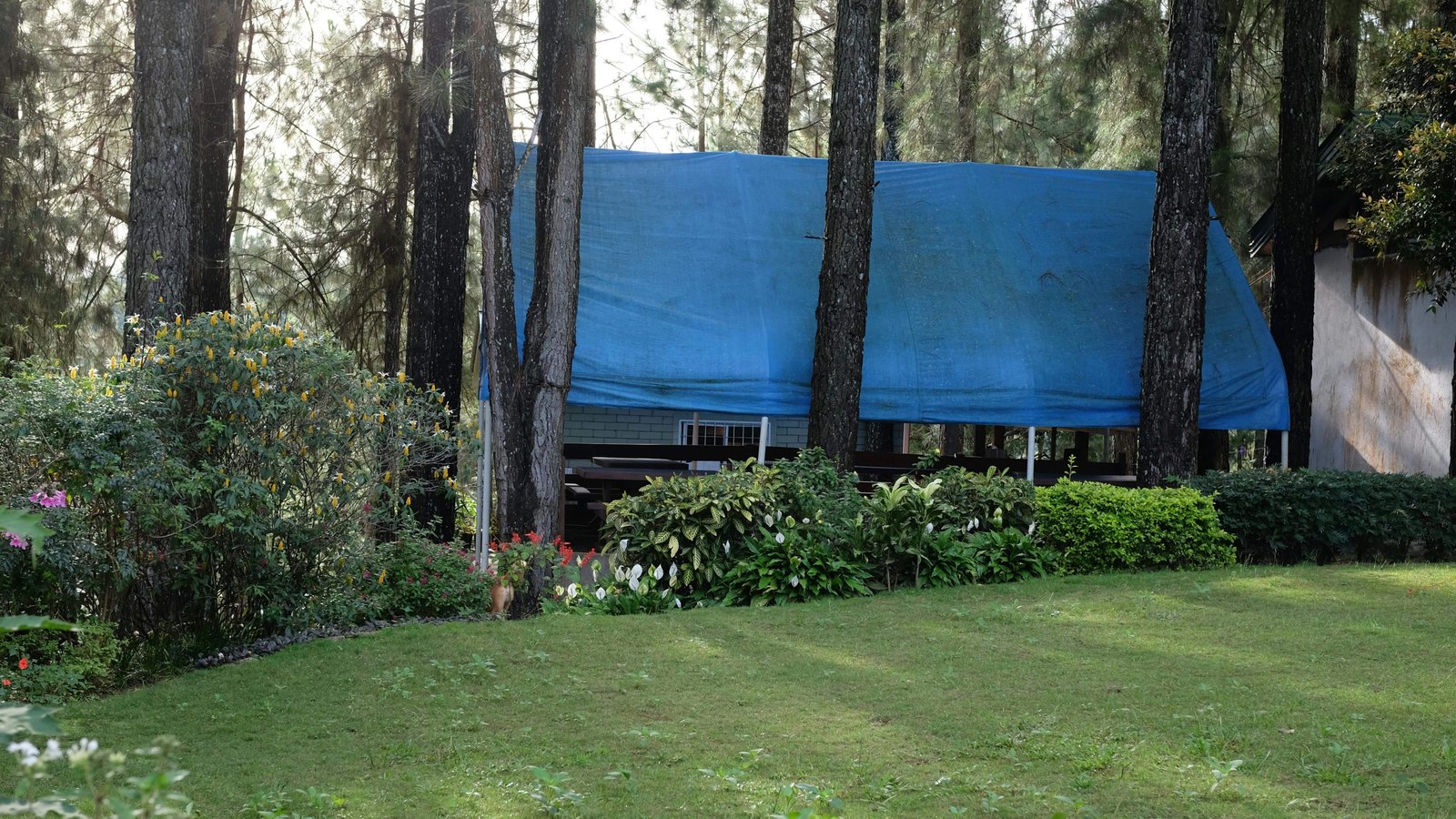
After the storm, blue tarps appear on roofs across the entire affected area. The Army Corps of Engineers distributes them, contractors install them, and they stay up for weeks or months while the slow process of permanent repair works through the backlog. A neighborhood full of blue roofs is the visual signature of a hurricane’s aftermath.
You learn to read the blue roofs like a damage map. Dense blue means the storm hit hard. Scattered blue means wind damage was spotty. No blue means either the neighborhood was spared or the residents have not been back yet to assess the damage.
Living under a blue tarp means listening to it flap in every breeze, worrying about the next rain, and calling the contractor daily for an update that always involves the word “backlog.” The tarp is not a solution. It is a placeholder that reminds you every time you look at your roof that the storm changed your life and the repair timeline is not in your control.
9. The Ice Chase
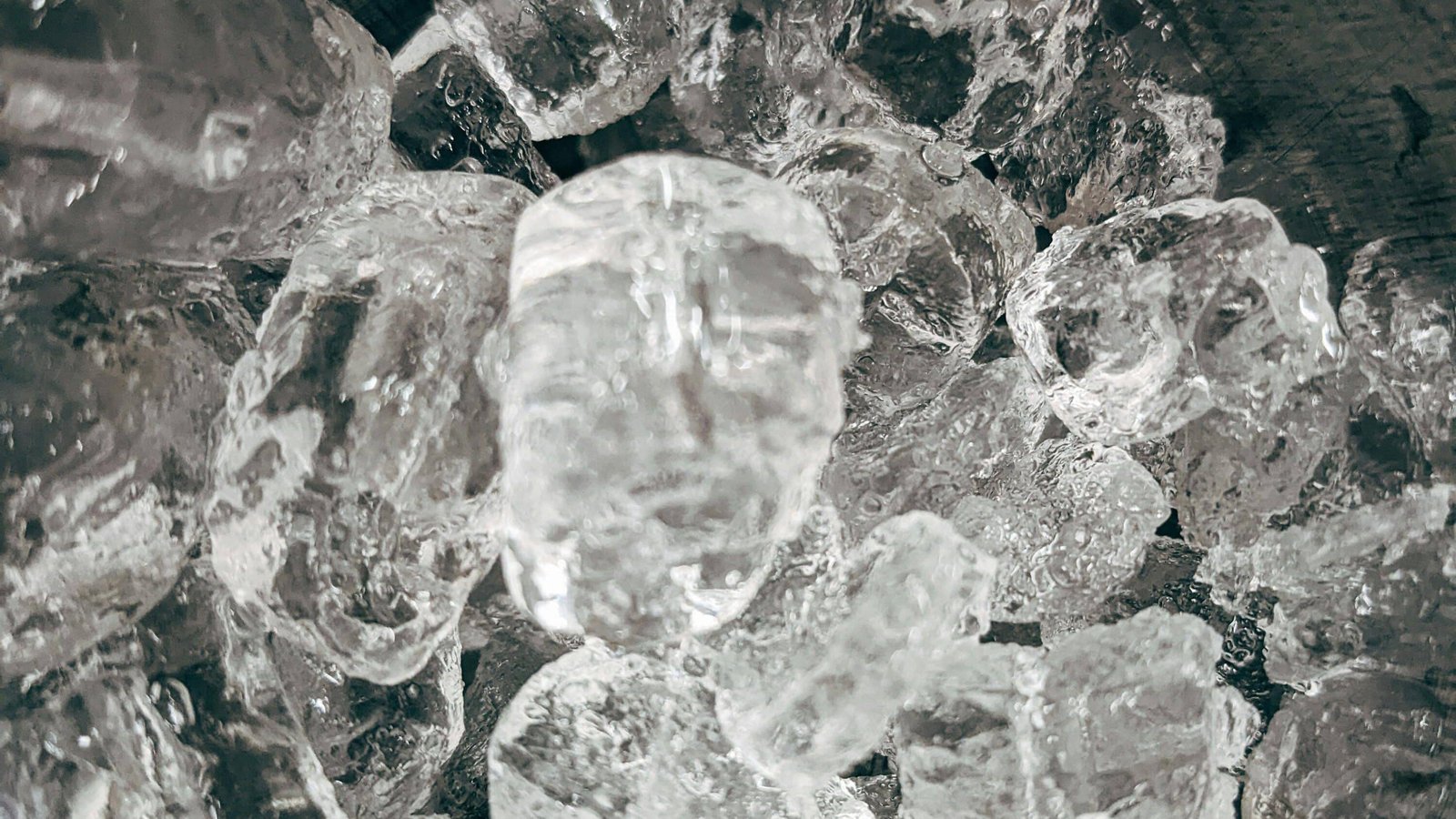
After a hurricane knocks out power, ice becomes the most valuable commodity in the affected area. Without electricity, your refrigerator becomes a warm box and your freezer has about 36 hours before everything inside it turns. Ice extends that window, and finding it requires determination, local knowledge, and a willingness to drive an hour in any direction.
FEMA and the National Guard set up ice distribution points, but the lines can stretch for blocks. Gas stations that still have power sell bags of ice at regular price until they run out, which happens fast. The informal network kicks in: someone’s cousin has a working freezer, someone else found a store with ice 40 miles north, and the information travels by text message and word of mouth faster than any official channel.
The ice chase bonds communities in a way that normal life does not. You share what you find, you tell your neighbors where you got it, and you accept a bag from a stranger who grabbed extras. Ice after a hurricane is currency, kindness, and survival all wrapped in a plastic bag that is already melting.
10. The Insurance Adjuster Wait
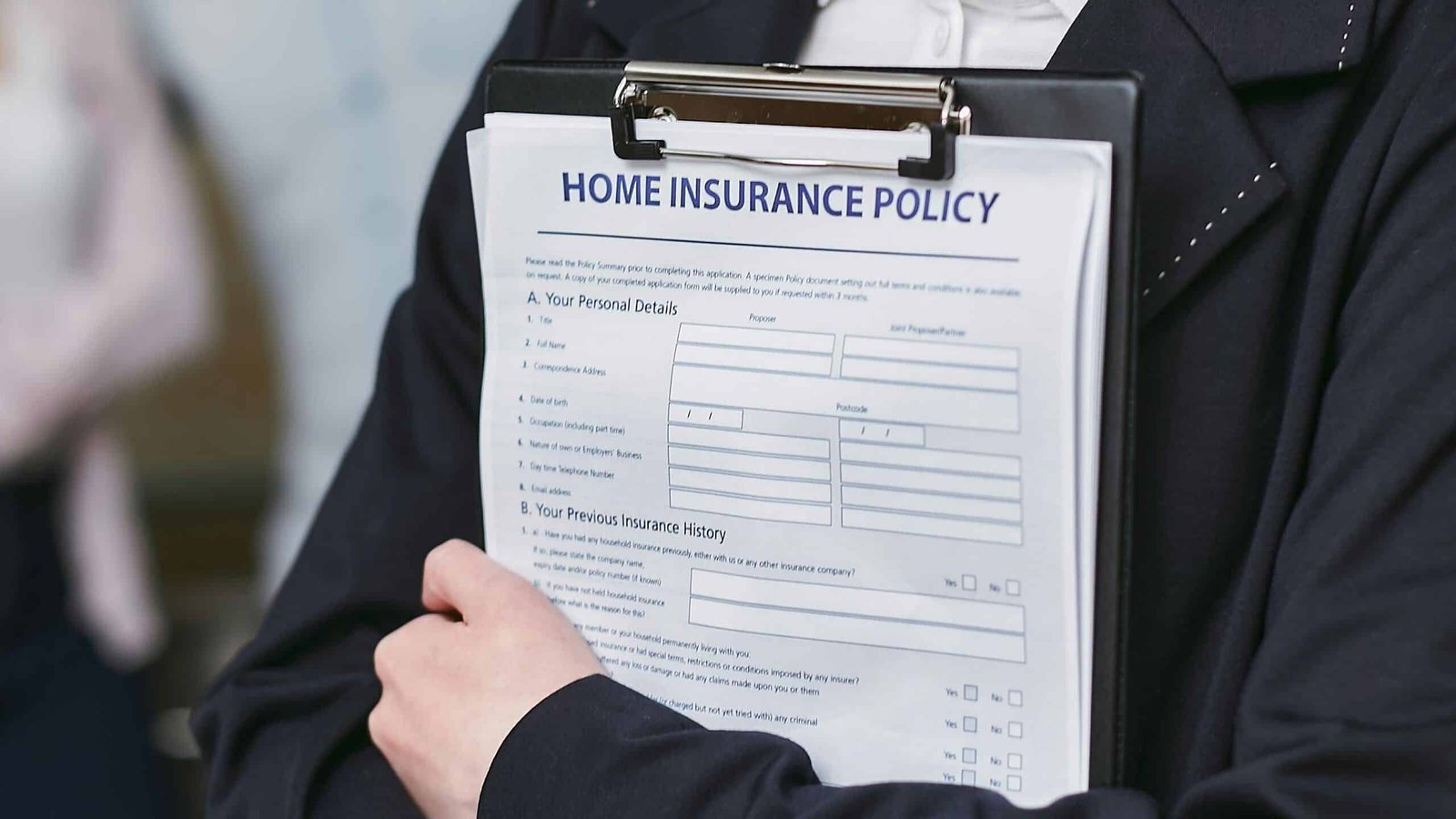
The storm takes hours. The insurance process takes months. After documenting every piece of damage with photographs, filing a claim, and describing the destruction to someone in a call center who has never seen a hurricane, you wait. The adjuster is handling thousands of claims across the affected area, and your appointment is weeks away.
When the adjuster finally arrives, you walk them through damage that has been sitting for a month. The wet drywall has grown mold. The ceiling stains have expanded. The tree that fell on the fence has been partially cleared but the stump is still there because you could not afford the removal.
The check, when it comes, is almost always less than you expected. The deductible for hurricane damage is a percentage of your home’s value, not a flat number, and the gap between what the storm cost you and what the insurance covers is filled by savings, credit cards, and the slow, grinding frustration of a process designed for normal claims applied to a disaster.
11. You Have a Hurricane Playlist
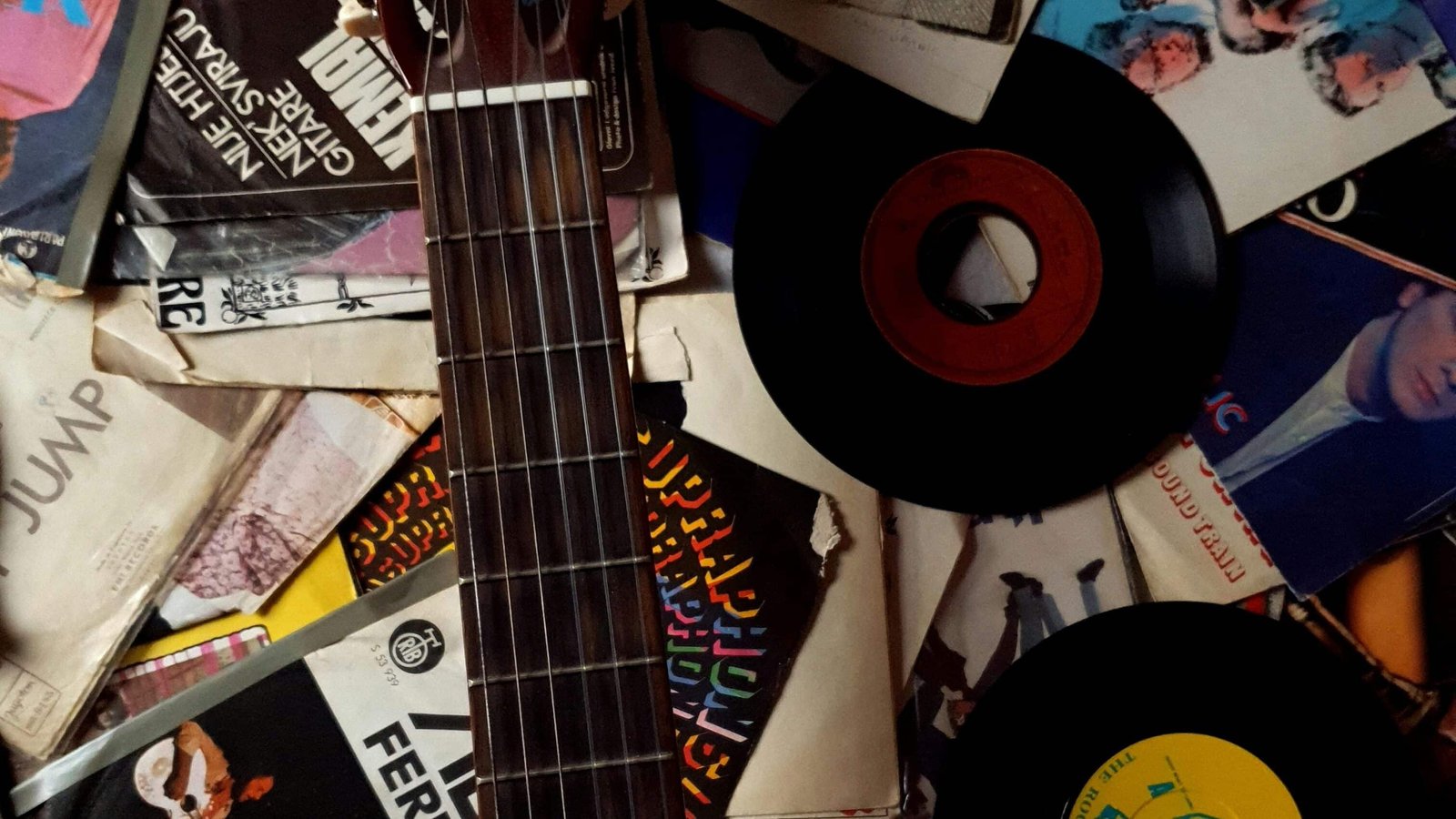
Every household in hurricane country has a collection of music or movies designated for storm riding. The power is going to go out eventually, but until it does, you play the music loud enough to compete with the wind outside. After the power goes, it switches to a battery-powered speaker and whatever is downloaded on your phone.
The playlist choices vary. Some people go with classic rock, turning the volume up as the storm intensifies. Others play Jimmy Buffett because the irony of tropical music during a tropical storm appeals to their sense of humor. Some families play board games by flashlight with music in the background, creating an atmosphere that is somehow both terrifying and cozy.
Kids who grew up riding out hurricanes associate certain songs with specific storms. “We played that album during Ivan.” “Mom always put on Fleetwood Mac when the power went out.” The hurricane playlist becomes a family tradition, and the songs carry emotional weight that the artists never intended.
12. The Post-Storm Cookout
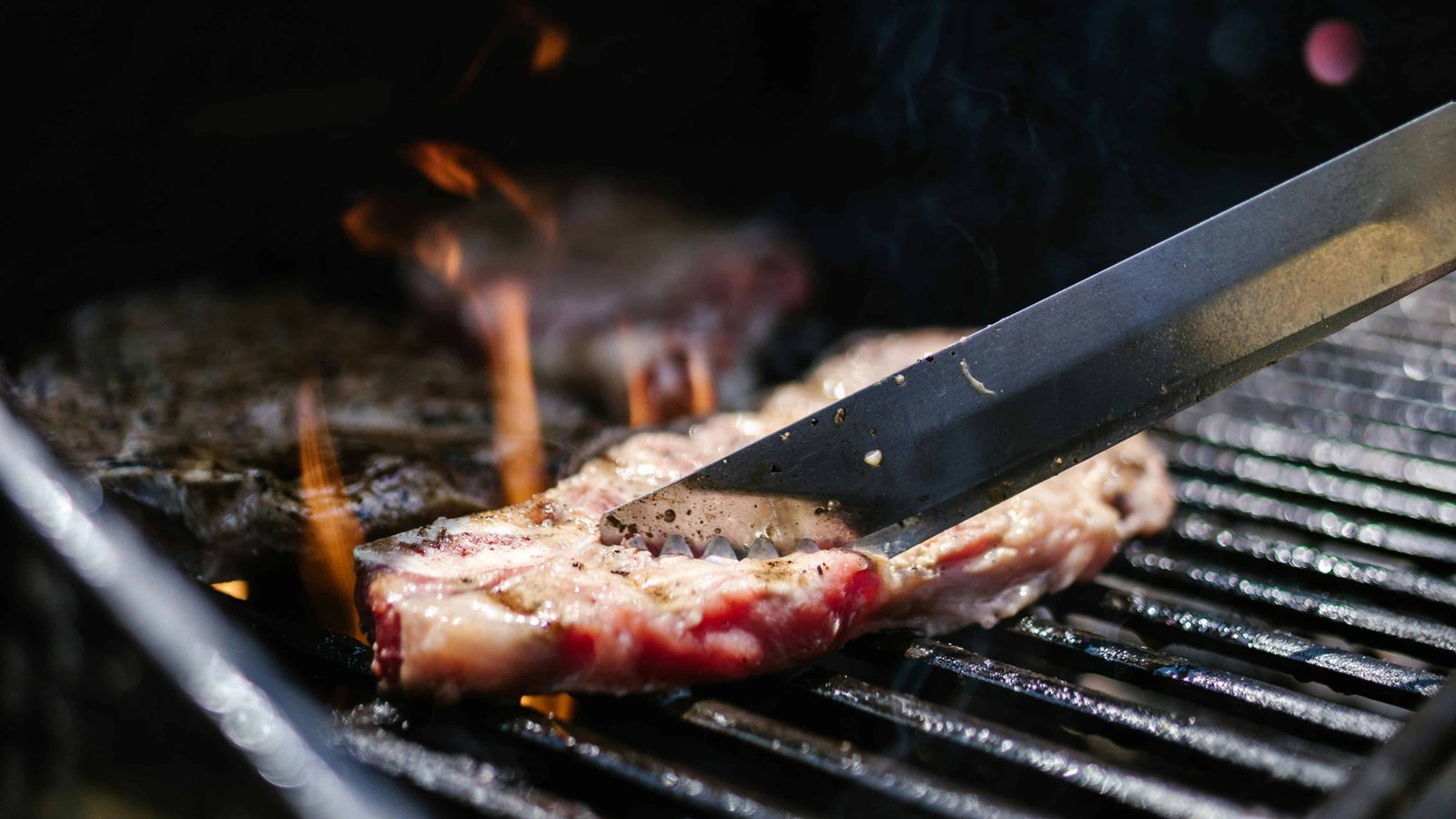
When the power goes out and the freezer starts defrosting, every neighborhood in hurricane country fires up their grills. The logic is simple: if the meat is going to spoil, you might as well cook all of it now. The result is an impromptu block party where neighbors who barely speak the rest of the year gather around grills piled with steaks, chicken, shrimp, and everything else that was in the freezer.
Everyone brings what they have. One house contributes the meat, another has charcoal, a third produces chips and drinks from a cooler packed with the last of the ice. The kids run around in the yard while the adults swap damage reports and insurance complaints over plates piled with food that would have spoiled by tomorrow.
The post-storm cookout is hurricane country at its best. The damage is real, the stress is overwhelming, and the future is uncertain. But the grill is hot, the neighbors are present, and for a few hours, the community that survived together celebrates together. Nobody plans these cookouts. They just happen, because hurricane people know that sitting alone in a dark house helps nobody.
13. Explaining to Outsiders Why You Do Not Just Move

Every hurricane season, someone from a state that does not get hurricanes asks the question: “Why do you live there?” The question comes from a place of genuine confusion, and the answer is hard to explain to someone who has never felt the pull of a place that occasionally tries to destroy itself.
You live there because your family has been there for generations. Because the food, the culture, and the people are unlike anywhere else. Because the coast is beautiful 11 months of the year. Because the cost of rebuilding is less than the cost of leaving everything you know. Because home is not a rational decision.
The conversation usually ends with a shrug and a change of subject, because the real answer is that hurricane people have accepted a bargain that outsiders find insane. You trade periodic devastation for a life in a place you love, and you rebuild every time because the alternative is living somewhere safe and boring, which sounds worse than any storm.
14. The Named Storm That Became Personal
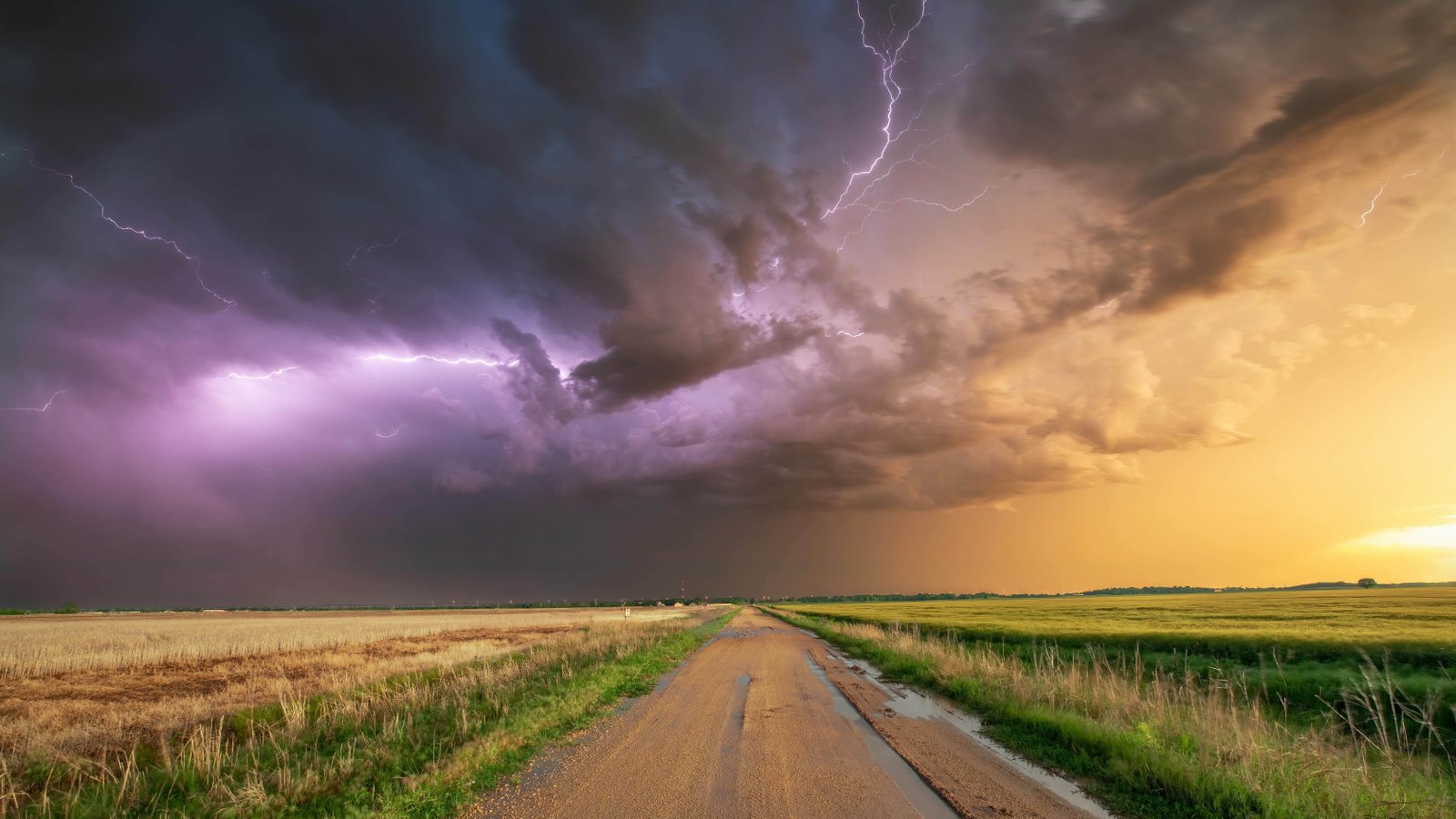
Everyone in hurricane country has one storm that is theirs. Not the biggest storm in history or the most famous one on the news. The one that hit your house, your street, your town. The one where you learned exactly what wind and water can do to a life you thought was stable. You remember the name the way you remember a person who wronged you.
Andrew. Katrina. Harvey. Michael. Ida. Laura. The names are retired from the official list when the storms cause enough damage, but they are never retired from the memories of the people who lived through them. Saying the name in a room full of hurricane survivors produces a specific silence, followed by everyone sharing where they were and what they lost.
The named storm becomes a dividing line in your personal history. Before the storm and after the storm. The house before. The neighborhood before. The normal before. Everything after the storm is measured against what existed before it, and the gap between those two realities never fully closes.
15. Checking the Tropics Every Morning From June to November
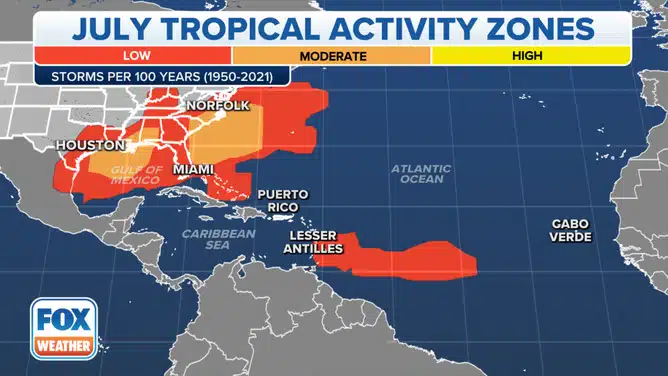
Hurricane season officially runs from June 1 through November 30, and during those six months, every resident of hurricane country starts the day the same way: checking the National Hurricane Center website. The tropical weather outlook, the satellite imagery, and any invest areas in the Atlantic or Gulf become part of the morning routine alongside coffee and email.
Most mornings, the outlook is clear. No tropical development expected. Those mornings feel normal. But the mornings when a disturbance appears in the Atlantic or a wave rolls off the African coast, the routine shifts. You check the models. You compare the European and American forecasts. You begin a mental calculation of preparedness that runs in the background all day.
Non-hurricane people do not check the weather with this kind of intensity. They look at the forecast for the weekend. Hurricane people look at the forecast for the next two weeks across an entire ocean basin, because the system that is a disorganized cluster off Cape Verde today could be knocking on your door in ten days.
16. The Bathtub Full of Water
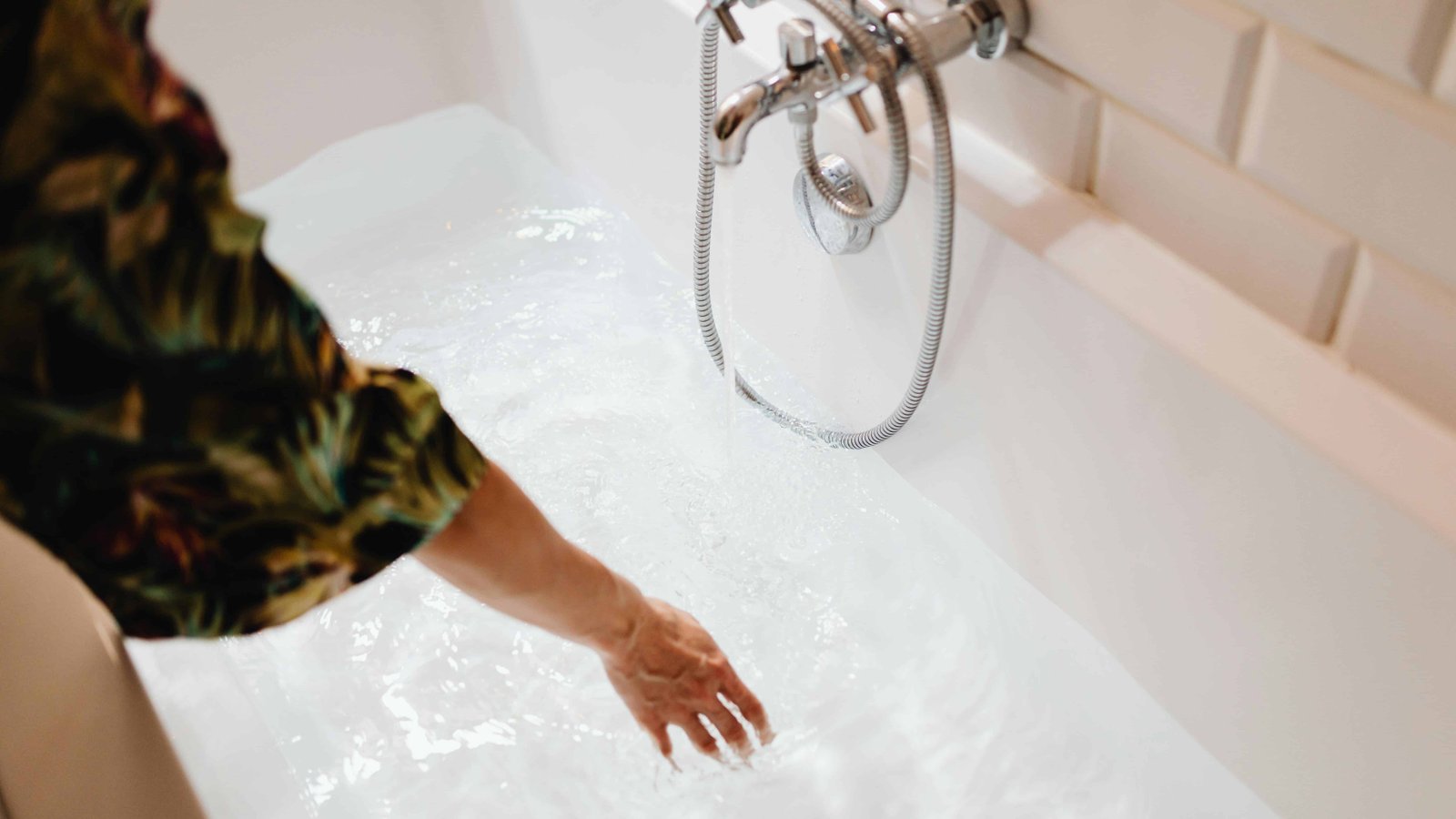
Before every serious hurricane, you fill every bathtub in the house with water. Not for bathing. For flushing toilets when the water system loses pressure, which it will. The bathtub becomes a reservoir that keeps the bathroom functional for days after the municipal water supply fails.
You also fill pots, pitchers, and every container you can find with drinking water, because the tap water may not be safe even if pressure returns. The filled bathtub is a commitment. It means you have decided to ride out the storm rather than evacuate, because nobody fills the tub and then leaves.
After the storm, the bathtub water becomes the most practical resource in the house. A bucket of tub water per flush keeps the bathroom working while the city restores service. Kids who grew up in hurricane country learned this system before they learned to ride a bike, and they will teach it to their own children without thinking about how strange it sounds to people who have never needed water from a bathtub.
17. The Tree That Was There Your Whole Life Is Gone
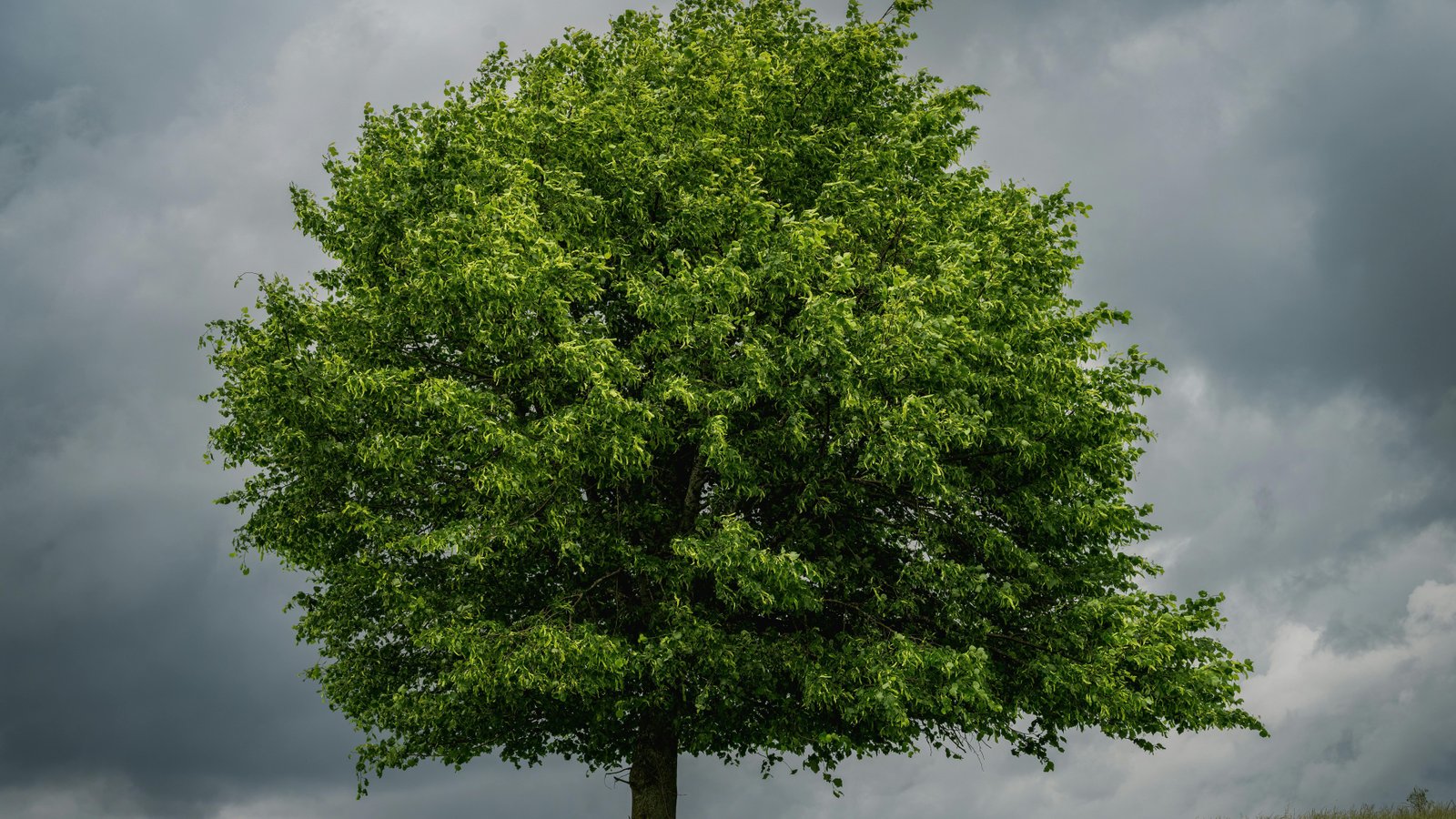
Hurricanes take things you did not know you were attached to. The oak tree in the front yard that was there before you were born, that your kids climbed, that shaded the driveway and dropped acorns on the roof every fall. A Category 3 takes it down in a matter of seconds, and the stump and root ball left behind are the size of a car.
You do not expect to grieve a tree, but you do. The yard looks wrong without it. The house is hotter without the shade. The empty space where it stood becomes a hole in the landscape that takes years to fill, if it ever fills at all. Replanting a sapling is not the same as having a hundred-year-old live oak, and everyone knows it.
The tree crews that arrive after hurricanes work for months, cutting and hauling trees that took decades to grow. The sound of chainsaws is the second soundtrack of hurricane recovery, after generators. Each tree that comes down represents a piece of the neighborhood that existed before the storm and will not exist after it, at least not in the same way.
18. The Quiet Pride of Having Survived Another One

After the cleanup, after the insurance fights, after the blue tarp comes down and the new shingles go up, hurricane people carry something that outsiders cannot see. A quiet confidence that comes from having faced the worst weather the planet can produce and come out the other side with their community intact.
You do not brag about surviving a hurricane. You do not need to. The people who were there know, and the people who were not could not fully understand even if you explained it. The shared experience creates a bond between neighbors that normal suburban life does not produce, and that bond is renewed with every season.
When the next storm enters the Gulf and the cone of uncertainty starts its familiar dance, you begin the process again. Check the forecast. Start the generator. Cut the plywood. Fill the bathtub. You have done this before, and you will do it again, because this is where you live and this is who you are. Hurricane people do not run from storms. They prepare, they endure, and they rebuild. And then they do it all over again.