Most people have a season they mentally file under dangerous weather season. Tornado people think spring. Hurricane people think late summer. People who have lived through a bad Midwest winter think January. The reality is that every season in the United States has a weather threat capable of killing a significant number of people, and the deadliest one is almost certainly not the one that gets the most dramatic television coverage.
Here is what actually makes each season dangerous, and why the numbers tend to surprise people who have not looked at them before.
Spring: Tornadoes get the headlines, but flooding kills more people
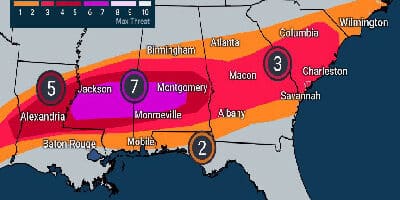
Spring is tornado season, and tornadoes deserve their reputation. From April through June, the collision of warm, moist Gulf air with cold, dry air from the Rockies produces the atmospheric instability that powers supercell thunderstorms, and the United States sees more violent tornadoes than the rest of the world combined. The Oklahoma and Kansas corridor is the most famous target, but the Southeast actually experiences more tornado fatalities per capita because the terrain is hillier and more forested, warnings penetrate less effectively, and mobile homes are more common in the affected areas.
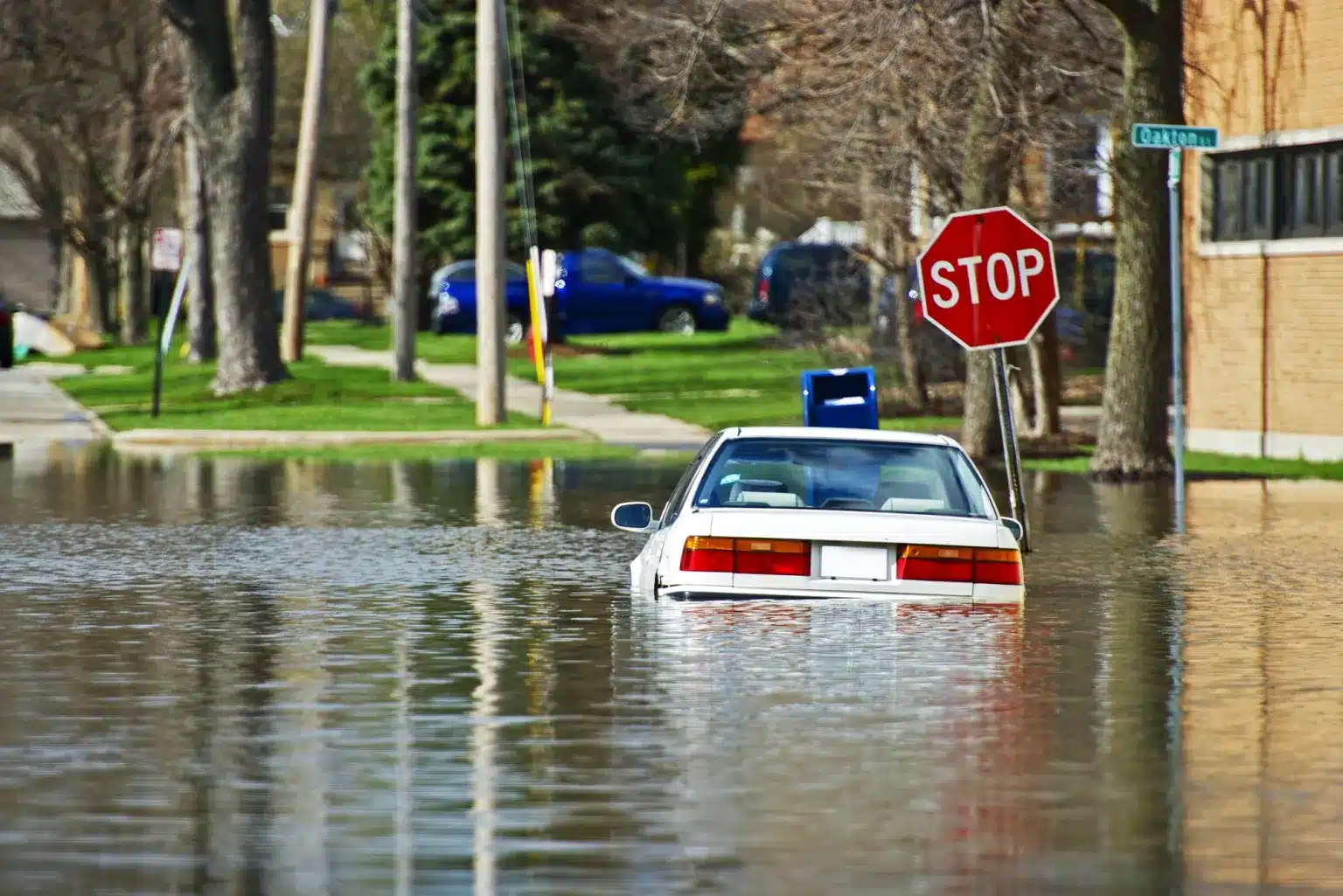
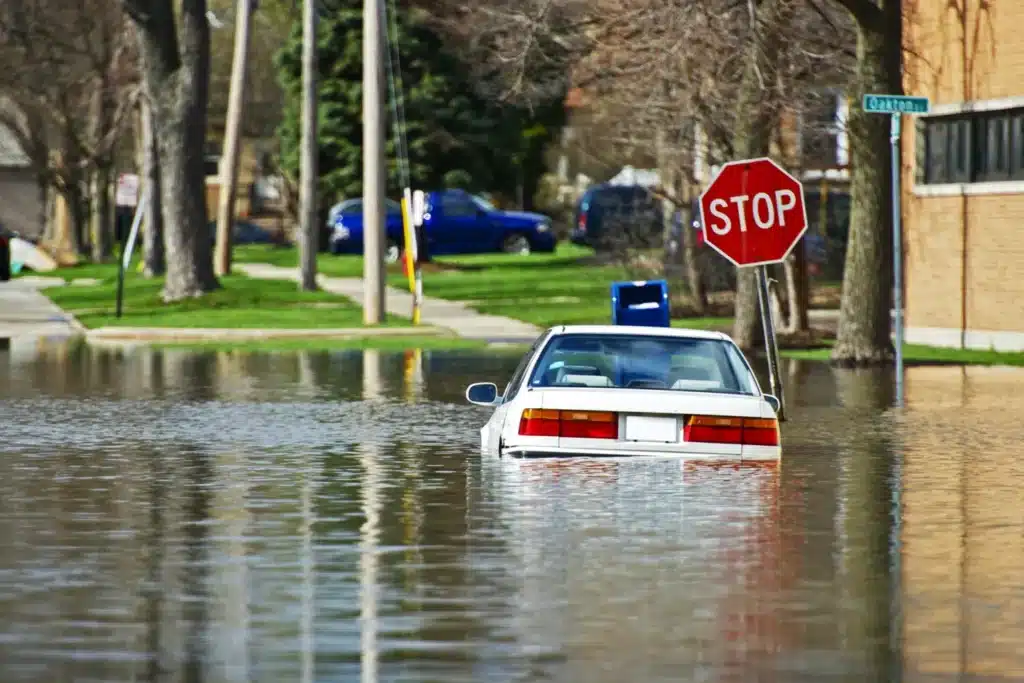
Flooding, however, consistently kills more Americans than tornadoes in spring. Snowmelt across the central plains, combined with heavy spring rainfall on saturated ground, produces river flooding that can last for weeks. Flash floods from severe thunderstorms kill people who drive into flooded roadways, which accounts for more than half of all flood fatalities. The phrase “turn around, don’t drown” exists because the same storms that miss the tornado statistics kill people who try to cross a road that looks passable and is not.
Spring severe weather season also runs longer than most people realize. The southern states, from Texas to Georgia, see their peak tornado activity in March and early April. The central plains peak in May. The northern plains and upper Midwest can see significant outbreaks well into June. A single outbreak like April 27, 2011 can kill hundreds of people across multiple states in a single day, making spring the season that produces the largest single-event death tolls in American weather history.
Summer: Heat is the deadliest weather phenomenon in the United States
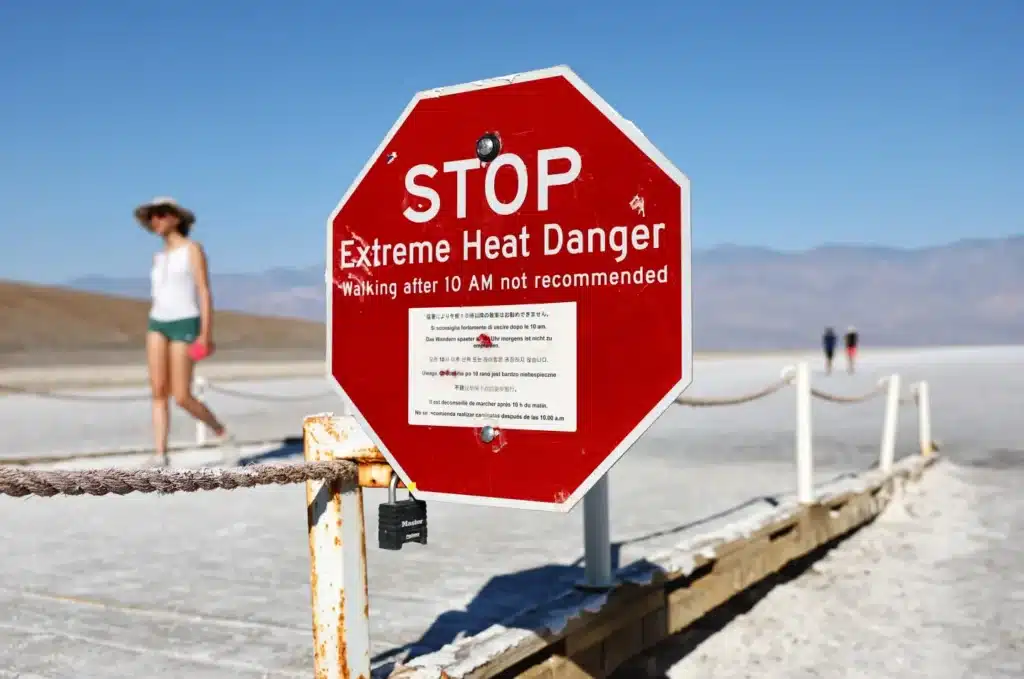
This is the fact that surprises most people: heat kills more Americans every year than tornadoes, hurricanes, floods, and lightning combined. The National Weather Service consistently reports heat as the leading cause of weather-related deaths in the United States, with an average of over 600 deaths per year. In extreme heat events like the 1995 Chicago heat wave, a single prolonged event killed 739 people in one city in one week. The European heat wave of 2003 killed an estimated 70,000 people across the continent.
Heat death is invisible in a way that tornado and hurricane deaths are not. There is no dramatic footage, no destroyed neighborhoods, no single moment of catastrophic violence to put on the evening news. People die alone in apartments without air conditioning, in cars left in parking lots, in agricultural fields during afternoon work shifts. The deaths are scattered across weeks and counties and do not aggregate into a single event that demands attention. They get reported as individual tragedies rather than collective disasters, which contributes to persistent public underestimation of heat as a weather hazard.
Summer also brings lightning, which kills an average of 20 to 50 Americans per year, the majority of them outdoors engaged in recreational activities. Flash floods from summer thunderstorms continue the spring fatality pattern. Hurricane season officially begins June 1, though the peak of Atlantic hurricane activity falls in September. The combination of heat stress, afternoon thunderstorms, and the opening of hurricane season makes summer genuinely dangerous across multiple independent hazard categories simultaneously.
Fall: The most underestimated season for weather fatalities
Fall gets far less attention than spring and summer in weather discussions, which is part of what makes it underestimated. The Atlantic hurricane season reaches its statistical peak around September 10, meaning the most intense hurricane activity of the year typically occurs in early fall rather than late summer. Some of the most catastrophic landfalls in United States history have occurred in September and October, including Hurricane Hugo, Hurricane Floyd, and Superstorm Sandy.
Fall also brings the transition from warm to cold, which creates its own hazards. Early-season ice storms can strike before communities have prepared equipment and procedures for winter conditions, catching drivers and pedestrians on roads and sidewalks that have not been treated. The Great Lakes begin their lake-effect snow season as the lakes remain warm while Arctic air starts pushing south, and the November storms that cross the lakes can be among the most intense of the year because the temperature differential between the water and the overlying air is at its maximum.
Nor’easters begin forming along the East Coast in fall, and the earliest ones often bring the most damaging combination of wind and rain before the ground has frozen enough to absorb water efficiently. The Armistice Day Blizzard of 1940, which killed 49 people in Minnesota alone, struck in November on a morning that started warm enough for hunters to go out in shirtsleeves. Fall’s weather danger comes partly from its unpredictability and partly from the fact that people have psychologically switched out of weather-preparedness mode after summer.
Winter: Cold is more dangerous than blizzards
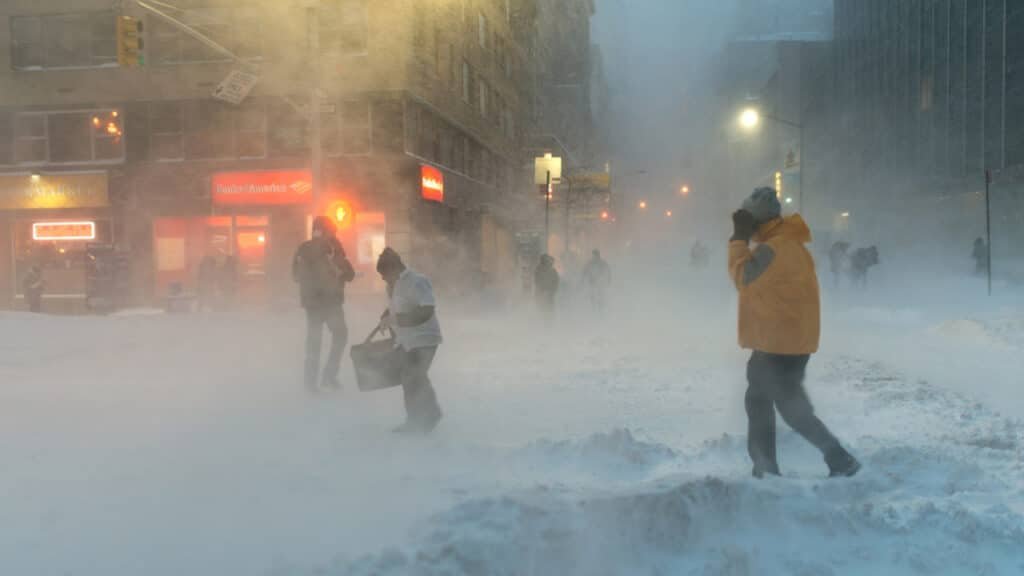
Blizzards are winter’s most dramatic weather event and receive the most attention, but exposure to cold kills more people than blizzards in most years. Hypothermia and cold-related cardiovascular events, triggered by the physiological stress of cold exposure on the heart and circulatory system, account for a significant portion of winter weather fatalities that rarely get attributed to weather in public reporting. Elderly people, people experiencing homelessness, and people with cardiovascular conditions are at disproportionate risk from prolonged cold that would not threaten a younger, healthier person in the same circumstances.
Blizzards themselves kill people in specific ways that have not changed much in 150 years. People get stranded in cars and die of carbon monoxide poisoning while running the engine for heat with a tailpipe buried in snow. People have heart attacks while shoveling heavy snow. People get disoriented and lost within a short distance of shelter when visibility drops to zero. The 1888 blizzard that killed over 400 people in New England and the plains created conditions not fundamentally different from those that strand people in cars during modern blizzards, except that modern emergency services can reach them faster.
Ice storms are winter’s most damaging weather event in terms of infrastructure impact. A significant ice storm can bring down more power lines than a tornado outbreak because it affects a far larger area with sustained loading rather than the localized violent forces of a tornado. The 1998 ice storm across Maine and Quebec and the 2009 ice storm across Kentucky both left hundreds of thousands of people without power for weeks in temperatures that made the outage genuinely life-threatening rather than merely inconvenient. Ice storms do not look like emergencies on radar the way a tornado outbreak does, but their cascading infrastructure effects can be more severe.
The number that puts it all in perspective
Heat: roughly 600 to 1,500 deaths per year depending on the severity of summer heat events. Flooding: 80 to 100 deaths per year. Tornadoes: 70 to 100 deaths per year in a typical year, with outlier years pushing past 500 in major outbreak years. Winter weather including cold exposure: 50 to 100 deaths per year directly attributed. Hurricanes: highly variable, with most years seeing relatively few direct deaths and major landfalls producing hundreds to thousands.
The gap between public perception and statistical reality is largest for heat, which generates the least media coverage per death of any major weather hazard in the United States. Tornadoes generate the most media coverage per death, which contributes to the widespread perception that they are the most dangerous weather event even in states where heat, flooding, or winter weather is statistically more likely to affect any given person.
The practical takeaway is that the weather hazard most relevant to your safety depends heavily on where you live and what season it is. Heat preparedness is more important in Phoenix in July than tornado preparedness. Flood awareness matters more in a creek valley during spring than hurricane preparedness. Understanding your specific regional hazards by season is more useful than a general sense that severe weather is dangerous.