When summer temperatures climb, most people check the forecast and glance at the high for the day. But increasingly, meteorologists are urging the public to pay attention to another number: the heat index. The heat index measures how hot it feels when humidity is factored in with air temperature. On a humid day, sweat does not evaporate efficiently, making it harder for the body to cool itself. According to the National Weather Service, heat index values can climb well above the actual air temperature, pushing the body into dangerous territory even when the thermometer reading alone seems manageable. Many people associate high heat index values with heatstroke and dehydration. Those are serious risks. But the effects of extreme heat combined with humidity go well beyond simply feeling uncomfortable. Here are 10 lesser known heat index risks that deserve more attention, along with practical ways to protect yourself and your family.
1. Impaired Decision Making and Slower Reaction Time

Extreme heat does not just affect your body. It also affects your brain. Studies have shown that high heat and humidity can impair concentration, memory, and reaction time. When the body struggles to regulate its temperature, it diverts energy toward cooling itself. Cognitive performance can suffer as a result. In real world terms, that may mean slower responses while driving, mistakes at work, or poor judgment during outdoor activities. Research published in environmental health journals has found that students in overheated rooms performed worse on cognitive tests compared to those in climate controlled settings. Why it matters: In high heat index conditions, small mental lapses can have big consequences, especially behind the wheel or on job sites. What you can do: Take frequent breaks in air conditioned spaces,vschedule mentally demanding tasks for cooler hours, stay hydrated, even before you feel thirsty and avoid making important decisions during peak heat if possible.
2. Increased Risk of Heart Strain

The cardiovascular system works harder in high heat index conditions. When temperatures and humidity rise, blood vessels dilate to help release heat. The heart must pump more blood to the skin to aid cooling. According to the Centers for Disease Control and Prevention, this increased workload can pose risks for people with heart disease or high blood pressure. Even healthy individuals may notice a racing heart or fatigue during extreme humidity. Why it matters: Heat related cardiac stress can escalate quickly, particularly for older adults. What you can do: Avoid strenuous outdoor activity during peak afternoon hours, monitor for symptoms such as chest discomfort, dizziness, or unusual shortness of breath, follow prescribed heart medications consistently, check in on elderly family members during heat advisories.
3. Disrupted Sleep and Poor Recovery

Hot, humid nights can interfere with the body’s natural cooling process that supports sleep. Sleep experts note that the body’s core temperature needs to drop slightly for restful sleep. High heat index values, especially overnight, can prevent that drop. The result is lighter sleep, frequent waking, and reduced restorative rest. Why it matters: Poor sleep compounds the physical stress of heat, weakening immune function and mental clarity. What you can do: Use fans or air conditioning to maintain a cooler bedroom, take a lukewarm shower before bed, choose breathable bedding and lightweight sleepwear, avoid heavy meals and alcohol in the evening.
4. Worsening Respiratory Conditions

Humidity can thicken the air and increase the concentration of pollutants and allergens. For people with asthma or chronic obstructive pulmonary disease, high heat index days can trigger flare ups. The Environmental Protection Agency has noted that hot weather can also worsen ground level ozone pollution in some regions. Why it matters: Breathing may feel more labored even without visible smoke or haze. What you can do: monitor air quality indexes along with heat index values, limit outdoor activity during poor air quality days, keep rescue inhalers accessible and use indoor air filtration if possible.
5. Increased Risk of Medication Side Effects
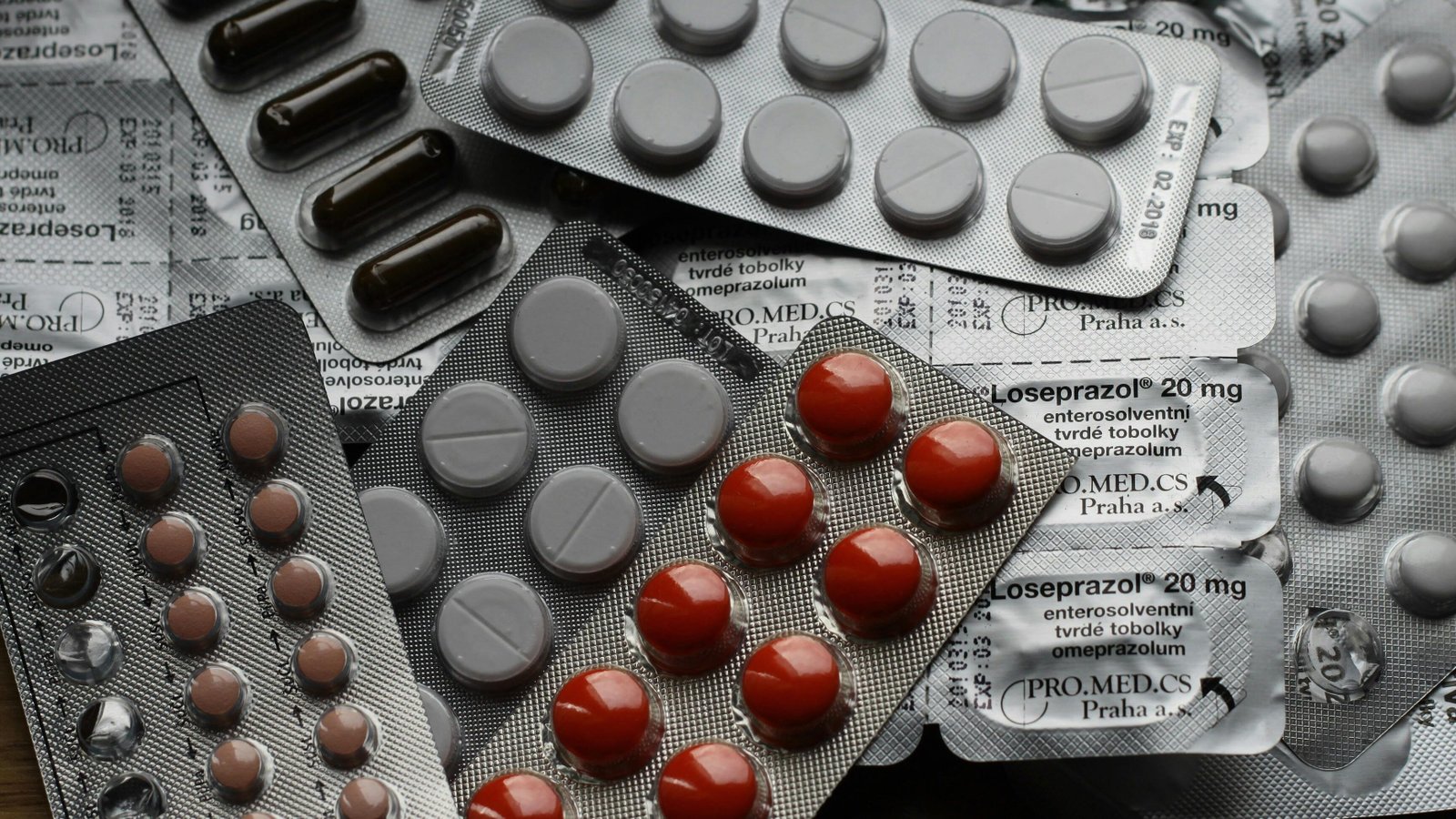
Certain medications can make people more sensitive to heat. Diuretics, antihistamines, antidepressants, and some blood pressure medications may interfere with sweating or fluid balance. The Food and Drug Administration has warned that these effects can increase vulnerability during extreme heat. Why it matters: You may be at higher risk than you realize, even if you are otherwise healthy. What you can do: Review medication labels for heat related warnings, ask your healthcare provider whether your prescriptions affect heat tolerance, increase fluid intake as directed and avoid sudden, prolonged exposure to high heat.
6. Greater Risk of Dehydration Than Expected

Many people underestimate how quickly dehydration can occur in humid conditions. Because sweat does not evaporate efficiently in high humidity, the body continues to sweat heavily without feeling much cooling relief. Fluid loss may be significant before you recognize it. Why it matters: Dehydration can lead to headaches, muscle cramps, confusion, and in severe cases, heat exhaustion. What you can do: Drink water regularly, not just when thirsty, limit caffeine and alcohol during extreme heat, add electrolyte drinks during prolonged outdoor activity and watch for signs such as dark urine or fatigue.
7. Heat Related Illness Without Direct Sun Exposure

You do not have to be in direct sunlight to experience heat stress. High heat index values can make shaded or even cloudy conditions dangerous. Construction workers, warehouse employees, and athletes practicing under overcast skies may underestimate risk because the sun does not feel intense. Why it matters: Indoor spaces without proper ventilation can become hazardous quickly. What you can do: check the heat index, not just the sky conditions, improve ventilation in indoor workspaces, rotate tasks to reduce continuous exposure and follow official heat advisory guidance.
8. Increased Risk for Children and Pets

Children and animals regulate temperature differently than adults. Kids may not recognize early signs of overheating. Pets, especially dogs, rely on panting rather than sweating to cool down. On high heat index days, surfaces such as asphalt can become dangerously hot. Why it matters: Heat illness can develop rapidly in vulnerable groups. What you can do: Limit outdoor play during peak heat, provide constant access to water and shade, never leave children or pets in parked vehicles and test pavement with your hand before walking pets.
9. Compounded Effects of Urban Heat

In cities, high heat index values are often amplified by the urban heat island effect. Concrete and asphalt absorb and retain heat, raising local temperatures even after sunset. Combined with humidity, this can create prolonged stress on residents without access to cooling systems. Why it matters: Urban populations may experience longer exposure to dangerous conditions. What you can do: Seek out cooling centers during extreme heat, close blinds during the day to block direct sunlight, use fans strategically to improve airflow and check on neighbors who may lack air conditioning.
10. Delayed Onset of Heat Exhaustion

Heat exhaustion does not always happen immediately. A person may feel only mildly uncomfortable at first, but cumulative exposure over hours or days can overwhelm the body’s cooling systems. The National Weather Service emphasizes that heat illness can develop gradually, especially during heat waves. Why it matters: Ignoring mild symptoms can lead to more serious outcomes such as heatstroke. What you can do: Learn the warning signs, including heavy sweating, nausea, weakness, and confusion, rest in a cool place at the first sign of symptoms, apply cool, wet cloths to the skin, and seek medical attention if symptoms worsen or do not improve.
The Bottom Line
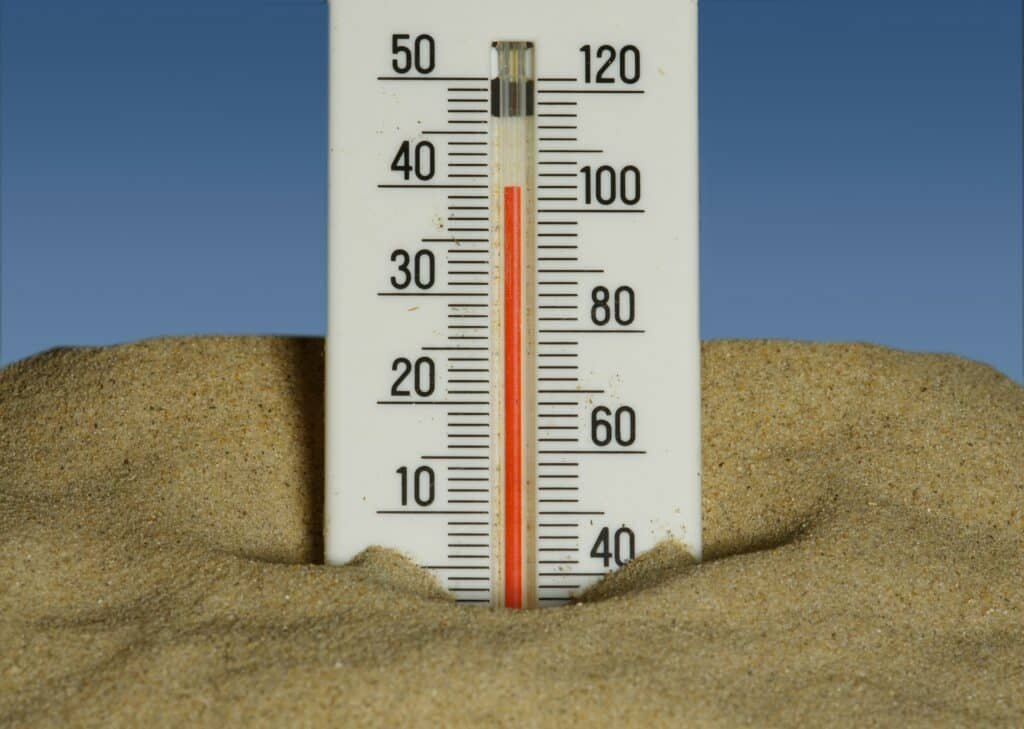
The heat index is more than a number on a weather app. It reflects how hard your body has to work to stay cool in hot and humid conditions. While most people understand the basic discomfort of sticky summer air, the risks extend further than many realize. Cognitive performance, heart health, sleep quality, respiratory function, and medication safety can all be affected when the heat index climbs. Paying attention to this measure, adjusting your daily routine, and recognizing early warning signs can make a significant difference. As heat waves become more frequent in many regions, awareness is not just helpful. It is essential. Understanding the full impact of the heat index allows you to make informed choices, protect vulnerable family members, and move through the hottest days of the year with greater confidence and safety.