Growing up in the Midwest means developing a relationship with winter that people from other parts of the country will never fully grasp. You do not just experience cold weather. You build your entire personality around surviving it. The struggles are specific, deeply familiar, and strangely bonding. If you know, you know. And if you don’t, this list will explain why Midwesterners are the way they are.
These are the winter experiences that shaped a generation of people who consider 35 degrees “nice out” and genuinely believe that leaving the house in minus 20 wind chill is a reasonable thing to do.
1. The Moment You Step Outside and Your Nostrils Freeze Shut

Every Midwest kid knows this sensation. You walk out the door, take one breath, and your nostrils stick together like they have been glued. The moisture inside your nose freezes on contact with air that has no business being that cold, and for a brief, alarming second, you cannot breathe through your nose at all.
You learn to breathe through your mouth on the coldest mornings, which creates its own problem: your throat burns from the dry, frozen air, and by the time you reach the bus stop, you are coughing like you have been smoking for forty years.
Visitors from warm states experience this for the first time and think something is medically wrong. Midwest kids just sniff hard, wait for the thaw, and keep walking. It happens every morning from December through February, and after a while, you stop noticing it entirely.
2. Scraping the Inside of Your Windshield
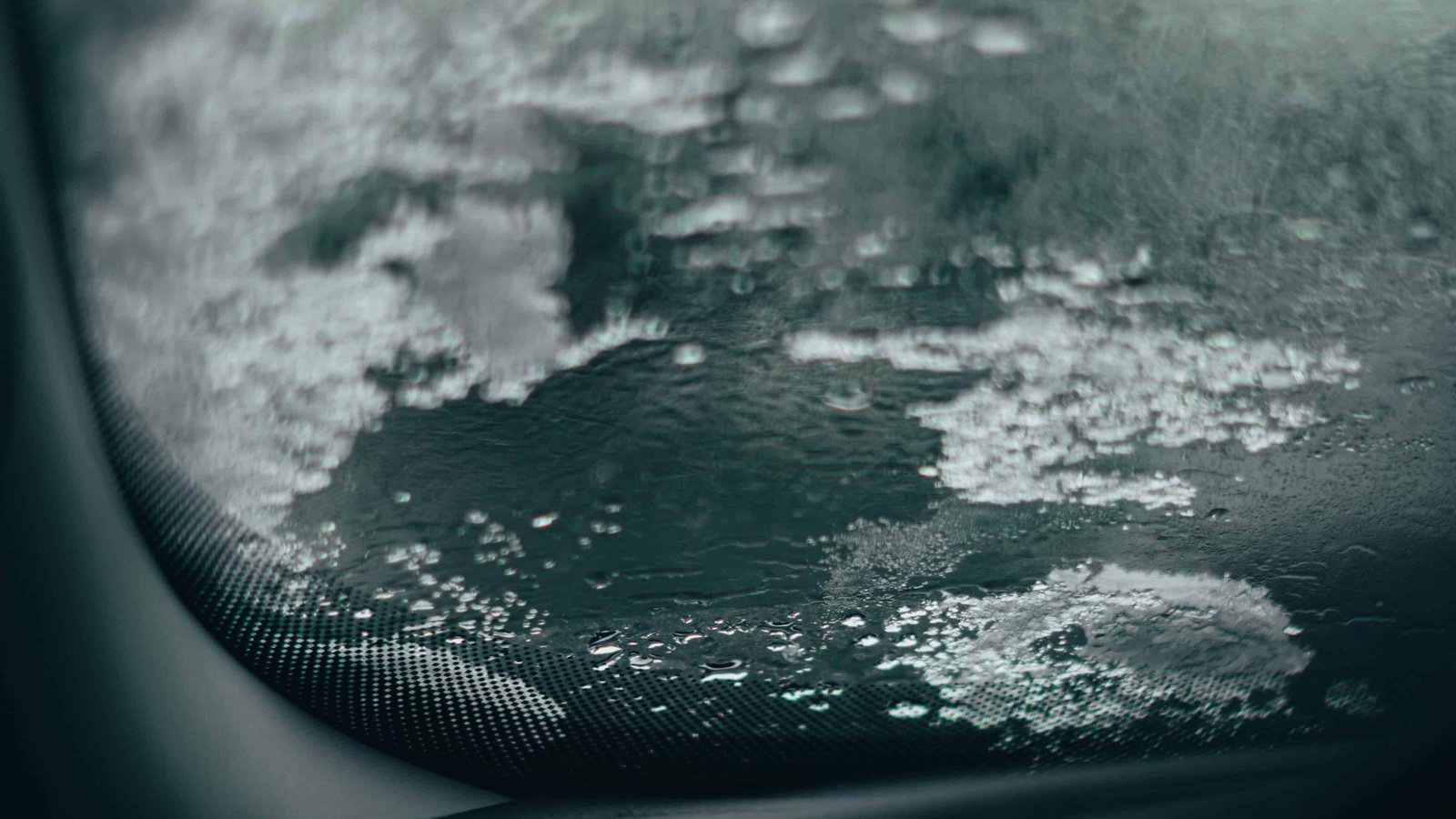
Everyone knows about scraping ice off the outside of your car. But the Midwest adds a bonus round: ice on the inside of the windshield. This happens when moisture from your breath, wet boots, and snowy coats condenses on the glass overnight and freezes into a thin, stubborn layer that the defroster takes twenty minutes to clear.
You sit in your car, engine running, scraping the inside of the glass with a credit card or your fingernail while the heater blows lukewarm air that accomplishes nothing. The windows fog up again the moment you start breathing, creating a cycle of defrost, fog, scrape, and repeat that defines every morning commute.
Kids who grew up riding in the back seat remember tracing pictures in the frost on the inside of the windows, then having their parents yell at them because the melted frost dripped onto the seats. It was free entertainment, and you took what you could get during a 30-minute warm-up session.
3. The Wind Chill Debate
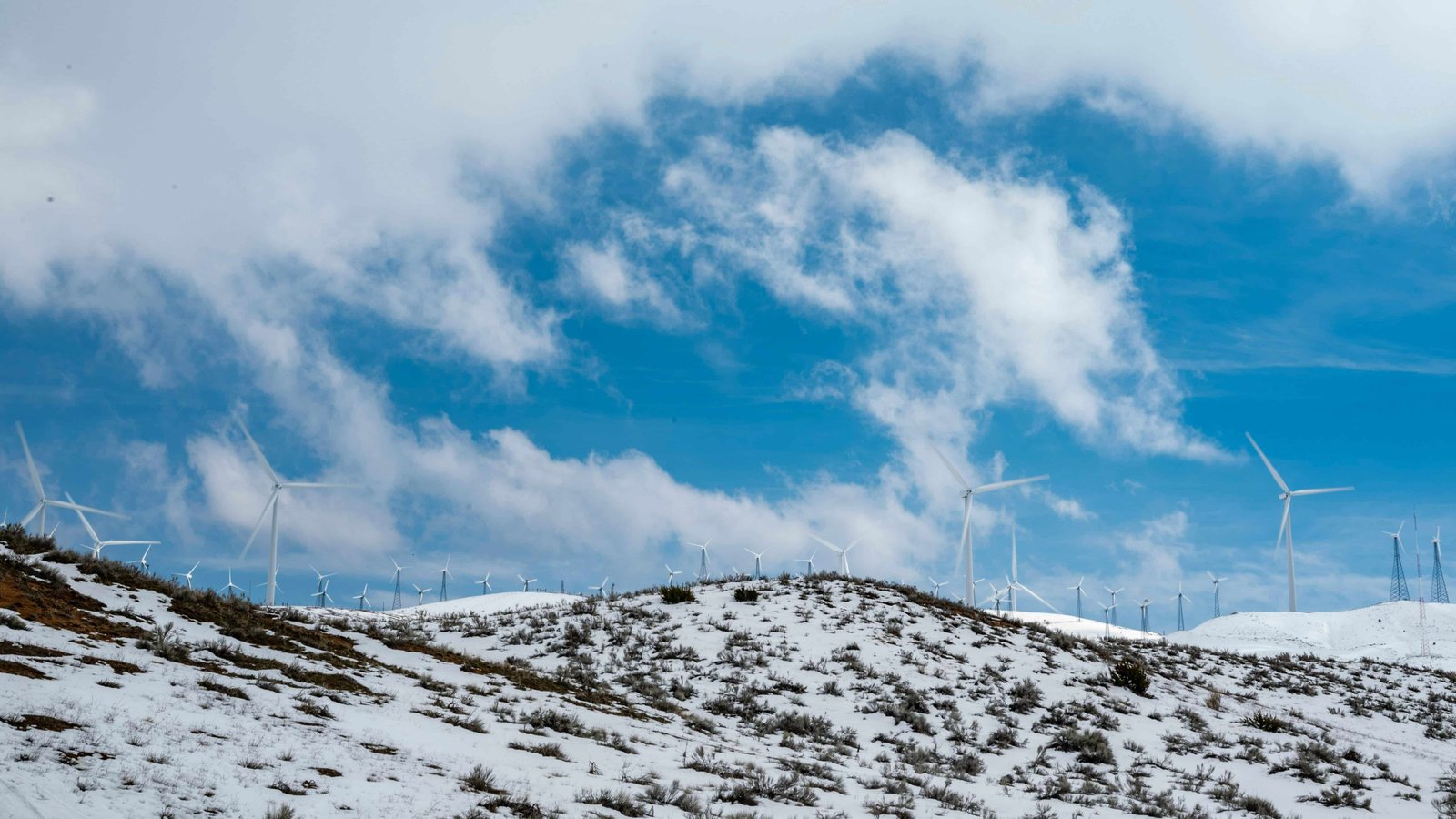
In the Midwest, the actual temperature is never the number that matters. Wind chill is the real temperature, and everyone has a strong opinion about whether minus 25 with wind chill is worse than minus 15 without it. These debates happen in every office, classroom, and grocery store checkout line from November through March.
Schools close based on wind chill thresholds, which means kids obsessively check weather apps hoping for the magic number that triggers a snow day. Parents who walked to school in the 1980s insist that wind chill was never a reason to cancel anything, conveniently forgetting that they also got frostbite and thought it was normal.
The real Midwest move is casually mentioning the wind chill in conversation as if it were a competitive sport. “It was minus 40 with wind chill this morning” is not a complaint. It is a flex. And everyone in the room will try to one-up it with a colder number from their town.
4. Losing Your Car in a Parking Lot After a Snowstorm
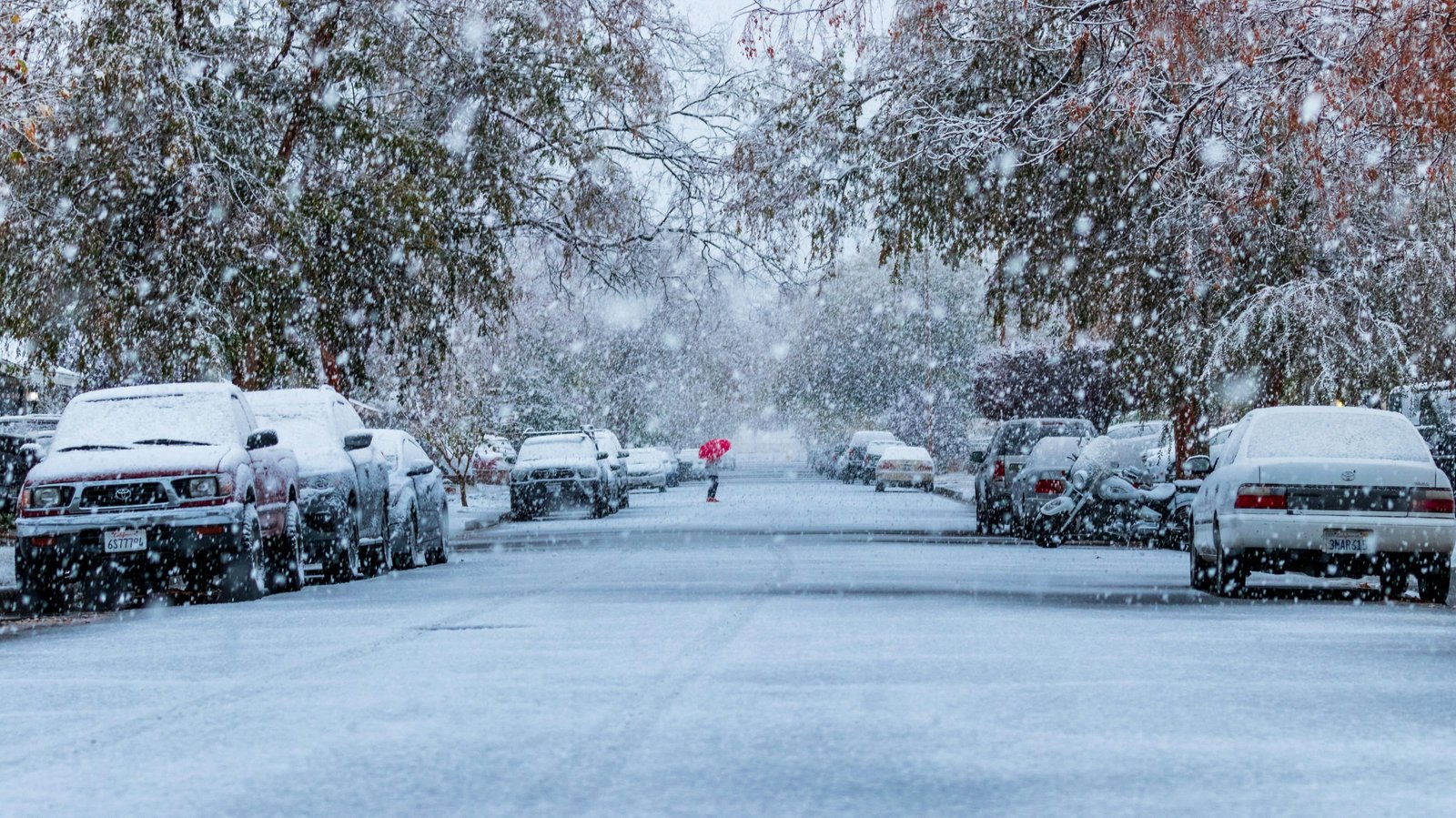
You park at the grocery store when the lot is clear. You come out forty-five minutes later to find six inches of snow covering every vehicle, and suddenly every car looks identical. The lot has become a field of white lumps, and your car is somewhere in the middle of it.
You click the key fob, hoping to see a flash of taillights through the snow. Nothing. The battery in the fob is too cold to work at distance, so you wander the rows pressing the button like you are trying to summon a lost pet. Eventually you find it by recognizing the shape of your roof rack under the snow.
Brushing off the car takes ten minutes. Clearing the windows takes another five. Backing out requires faith because you cannot see the car next to you, and they cannot see you. The entire process adds thirty minutes to every errand and is never, ever mentioned in conversations about how nice it would be to live somewhere with “real seasons.”
5. The Salt Stain on Every Pair of Boots You Own
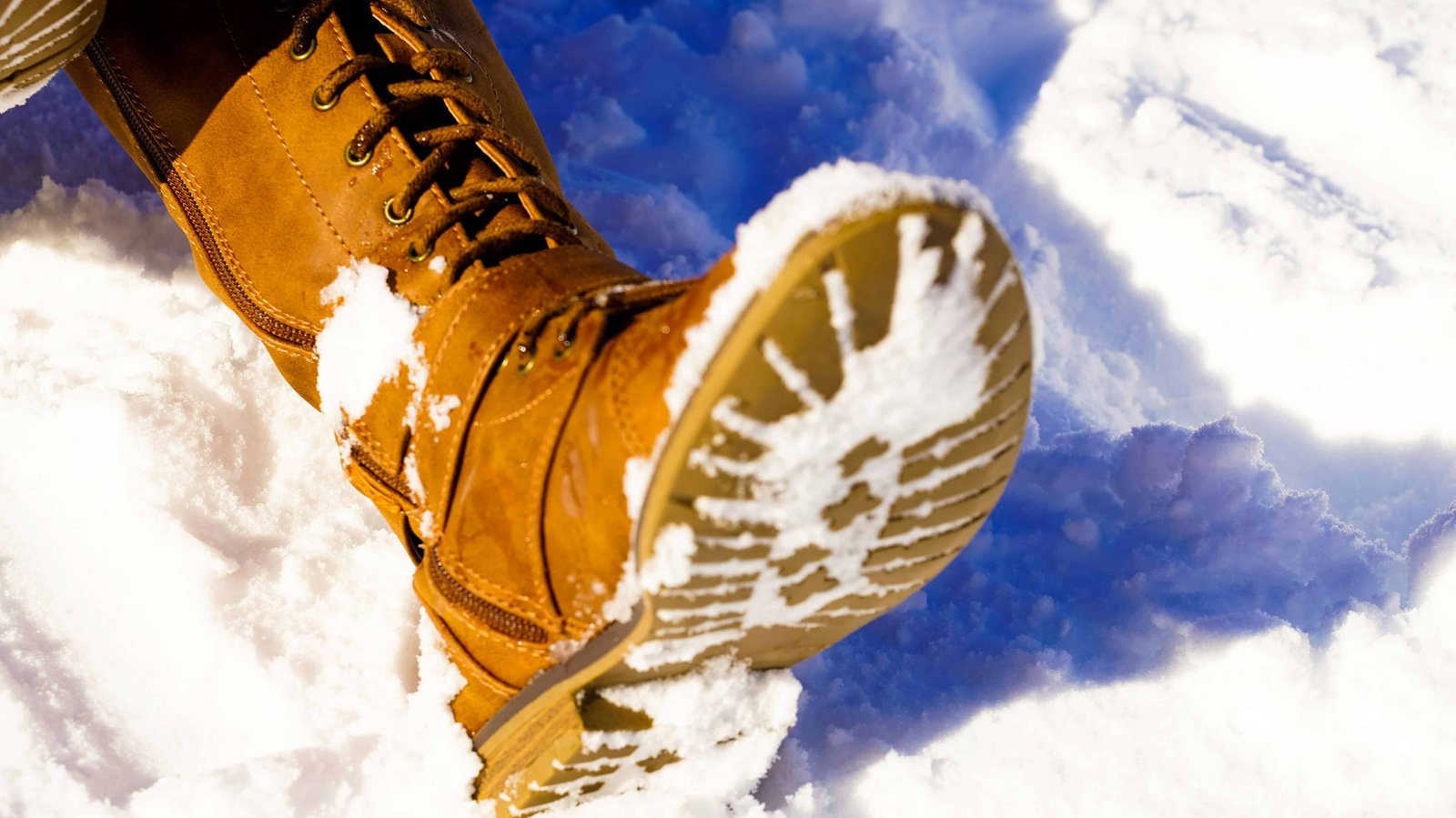
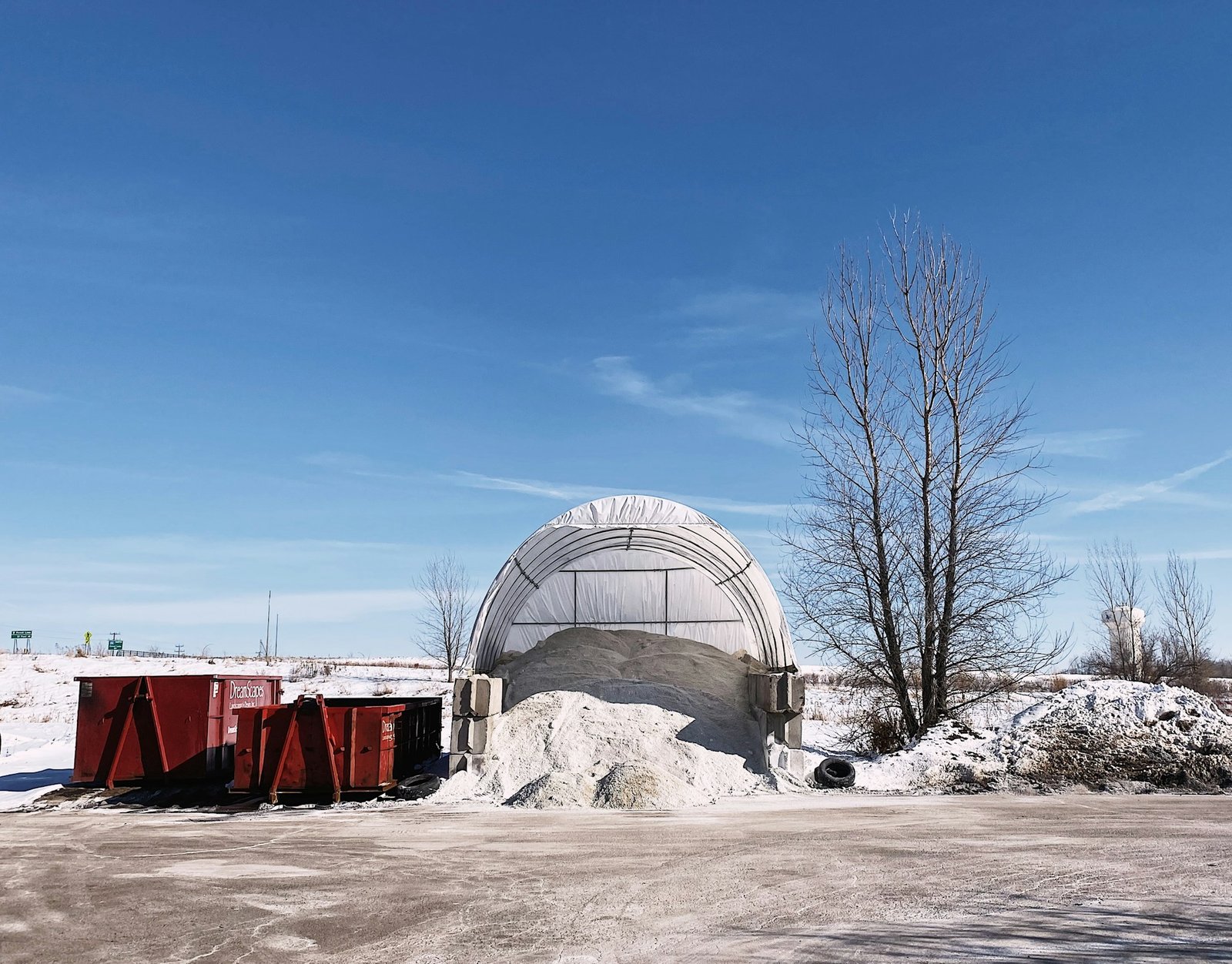
Road salt saves lives by melting ice on highways and sidewalks. It also destroys every pair of shoes you own. White salt stains creep up the leather, the suede, and the canvas of every boot, shoe, and sneaker that touches the ground between November and April. No amount of cleaning fully removes them.
You learn to own two categories of footwear: winter boots that you accept will be destroyed, and good shoes that stay in a bag until you reach your destination. The transition from boots to shoes happens in every office lobby, school hallway, and church vestibule in the Midwest.
Carrying a second pair of shoes everywhere becomes second nature. You stop feeling silly about it around age twelve, when you realize everyone else is doing the same thing. The salt stain is the unofficial badge of Midwest winter, visible on every boot in every doorway from Minnesota to Ohio.
6. Warming Up the Car for 20 Minutes and It Still Being Cold
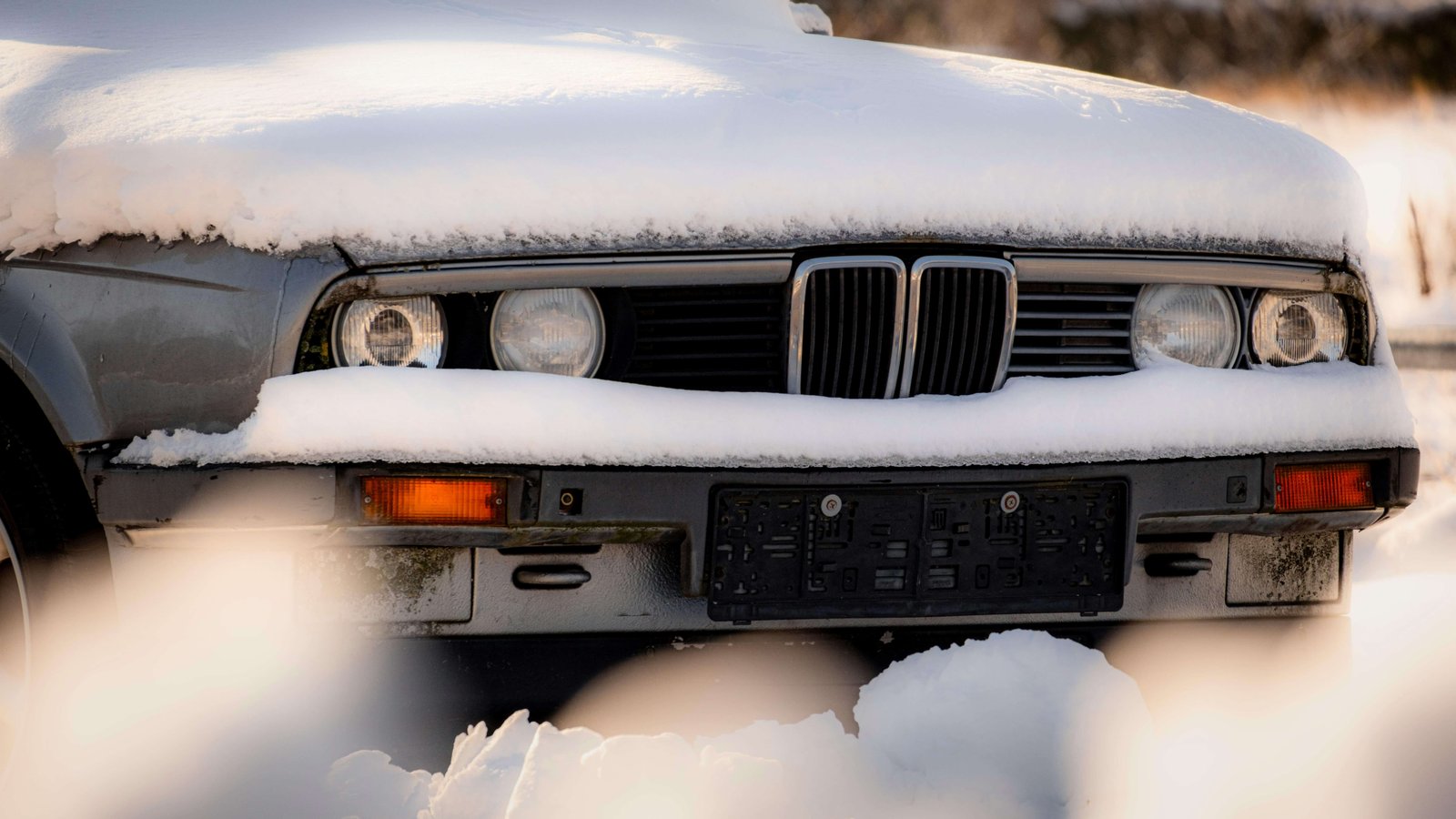
Remote start is the greatest invention in the history of the Midwest. Before it existed, people ran outside in their pajamas, started the car, ran back inside, waited twenty minutes, then went out to a car that was still barely above freezing inside. The steering wheel could crack your fingers if you gripped it too hard, and the seats felt like sitting on a block of ice.
Even with twenty minutes of idle time, the heater does not produce actual warmth until you have been driving for five minutes. Those first five minutes are spent shivering, blowing into your hands, and questioning every life decision that led you to live in a place where cars do not function properly for four months of the year.
Parents told their kids to wear a coat in the car, but kids refused because seatbelts over puffy coats are uncomfortable and technically unsafe. So everyone just sat there, freezing, pretending it was fine, because complaining about the cold marks you as someone who has not yet earned their Midwest winter credentials.
7. The Pothole That Swallows a Tire
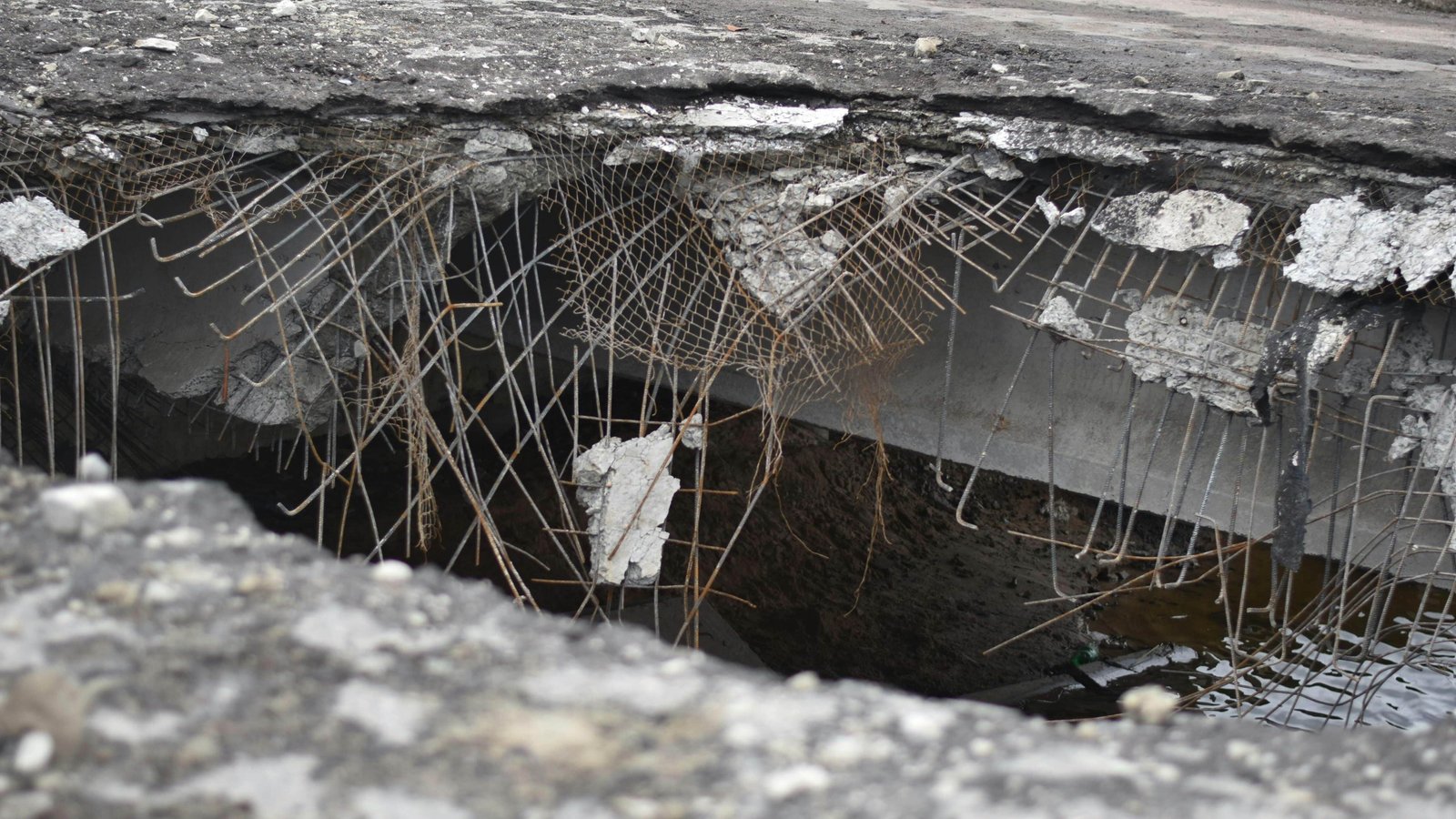
Freeze-thaw cycles do terrible things to roads, and every spring the Midwest reveals a new crop of potholes that look like mortar craters. The worst ones appear overnight, hidden under a thin layer of water or slush, and you hit them at full speed because you had no way to see them coming.
The impact rattles your teeth, bends your rim, and occasionally pops your tire on the spot. You pull over, stare at the damage, and join the long tradition of Midwest drivers who have lost the battle against infrastructure that the weather rebuilds every year.
Pothole season is a recognized period in the Midwest calendar, falling roughly between late February and early May. Local news stations run pothole hotlines where citizens can report the worst offenders. Entire Facebook groups exist to document and shame the biggest holes. It is community engagement at its most practical and most frustrated.
8. The False Spring That Breaks Your Heart

Every February or early March, the Midwest delivers one perfect week. Temperatures climb into the 50s, the sun comes out, snow starts melting, and everyone allows themselves to believe that winter is over. People walk outside without coats. Kids ride bikes. Someone fires up a grill.
Then the next week arrives with a blizzard that drops fourteen inches and sends the temperature back to single digits. The grief is real. You knew it was coming because it happens every single year, but you fell for it anyway because the warm air felt so good that you could not help yourself.
False spring is the Midwest’s cruelest weather trick, and it works on everybody, every time. Your neighbor who has lived here for sixty years will still put on shorts during the warm spell and still shake their fist at the sky when the snow returns. Hope is not rational in the Midwest. It is a survival mechanism.
9. The Layering System Nobody Taught You

Dressing for Midwest winter is a skill that takes years to master. Newcomers either wear too little and suffer, or wear too much and sweat through their base layer within ten minutes of entering a heated building. The goal is a system that keeps you warm outside and can be stripped down indoors without creating a pile of clothing that needs its own chair.
The experienced Midwesterner wears a base layer, a fleece or sweater, and an outer shell, plus a hat, gloves, and a scarf that covers the face. Everything is designed to be removed and carried, because every indoor space in the Midwest is heated to 72 degrees regardless of the weather outside.
The transition from “bundled against the cold” to “comfortable inside” takes about 90 seconds and happens multiple times per day. You learn to leave your coat unzipped for the last 30 seconds of any outdoor walk so you do not arrive inside already overheating. This is advanced Midwest technique, and nobody writes it down. You just figure it out after enough sweaty arrivals.
10. The Neighbor Who Snowblows Your Driveway Without Being Asked
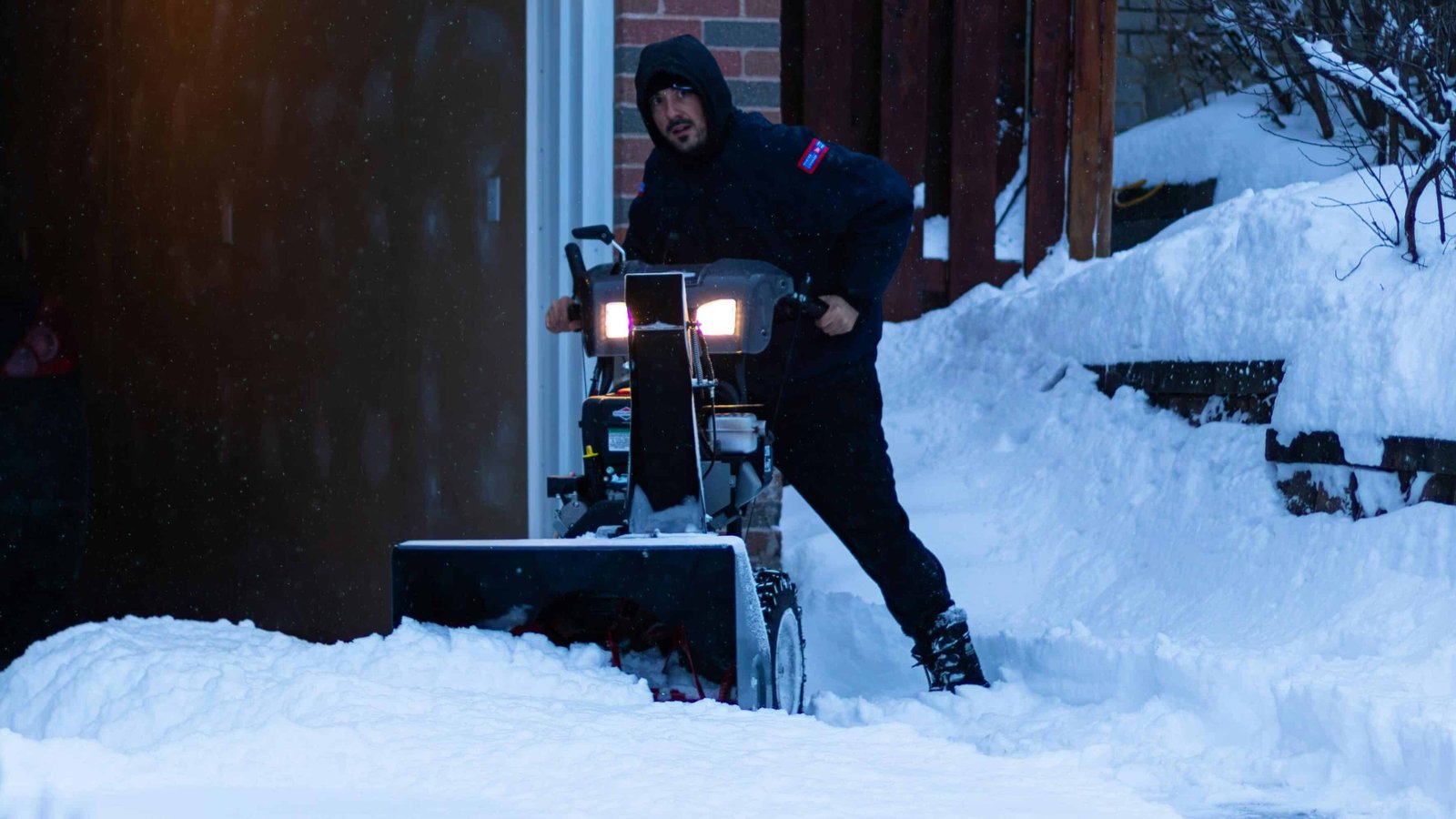
This is the Midwest at its absolute best. You wake up after a heavy snowfall, look out the window in dread, and discover that your neighbor has already cleared your driveway with their snowblower. They did not ask. They did not leave a note. They just saw snow, grabbed the machine, and did your driveway along with their own because they were already out there.
The correct response is a wave of thanks and a six-pack delivered sometime in the next week. You do not make a big deal out of it because making a big deal out of neighborly favors is not the Midwest way. You just remember it, and the next time you are out with your snowblower, you do the same for someone else.
This unspoken agreement holds entire neighborhoods together through winter. Nobody keeps score officially, but everybody keeps score. The guy who never returns the favor eventually gets noticed, and the social consequences are subtle but real. Midwest winter is a team sport, and snowblowing is the most visible act of teamwork.
11. Black Ice That Appears From Nowhere
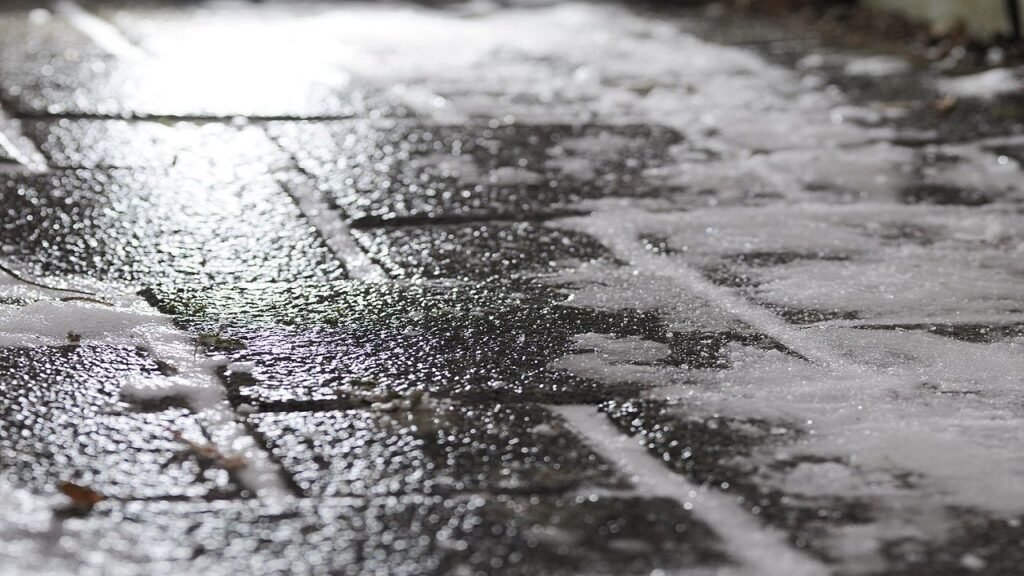
The Midwest has a special kind of ice that forms on roads when moisture from melting snow refreezes at night, creating a perfectly transparent layer that is completely invisible until your car is sliding sideways through an intersection. Black ice does not announce itself. It simply removes your ability to steer and waits for you to figure out what happened.
Every Midwest driver has a black ice story. Most involve a moment of pure calm terror when the steering wheel stops working and the car becomes a sled. You take your foot off the gas, resist the urge to brake, and ride it out while your life choices flash before your eyes.
Parents teach their kids to steer into the skid, which makes no intuitive sense and works perfectly. By the time a Midwest teenager has been driving for two winters, they have developed an instinctive response to loss of traction that would serve them well on a rally course. It is a dangerous skill to need, but the roads here demand it.
12. The Snow Day Calculation

Midwest kids become amateur meteorologists by age eight, not because they love weather science but because their happiness depends on accurately predicting school closings. The calculation involves checking the snowfall forecast, the wind chill prediction, the timing of the storm relative to the morning commute, and the known stubbornness of the school superintendent.
Some superintendents are famous for never cancelling. Their names are cursed by children across entire counties while parents secretly agree with the decision because they need childcare. Other superintendents cancel at the first sign of accumulation and are celebrated as heroes.
The modern version involves refreshing a school closing website every thirty seconds starting at 5 a.m. while your parents tell you to go back to sleep. When the announcement finally appears, the screaming can be heard through closed windows. Snow days are the purest joy the Midwest winter produces, and the anticipation the night before is better than Christmas Eve.
13. The Door That Freezes Shut
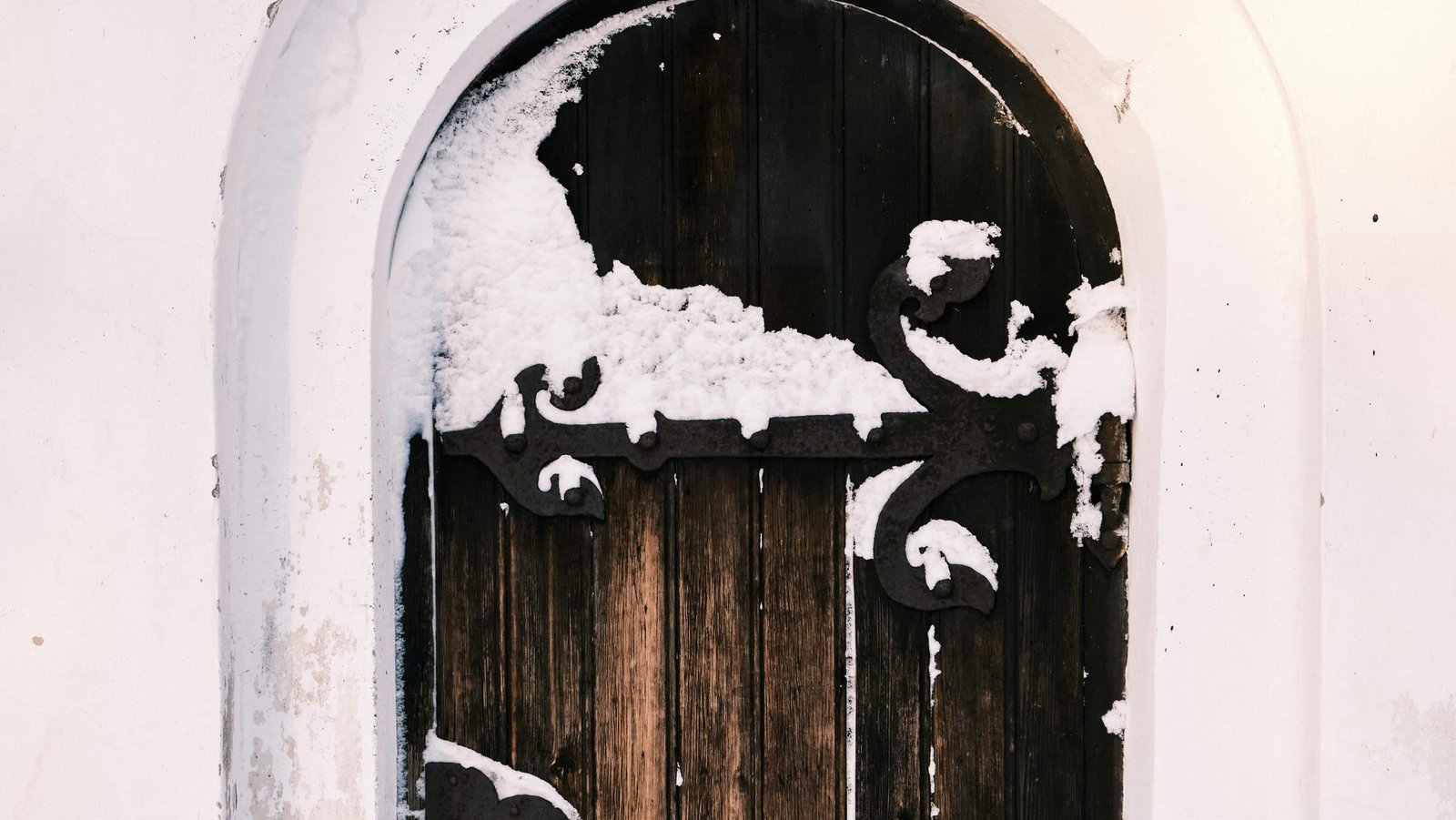
Moisture seeps into the weather stripping around your car door, freezes overnight, and seals the door shut with a bond that feels industrial. You grab the handle, pull, and nothing happens. You pull harder. Still nothing. You brace your foot against the frame and pull with everything you have, and either the door opens with a satisfying crack or the handle breaks off in your hand.
Houses have the same problem. Storm doors freeze to their frames, garage doors freeze to the concrete, and sliding glass doors become decorative walls until the afternoon sun warms the seals enough to break them free.
Every Midwest household has a collection of de-icing sprays, heat guns, and hair dryers dedicated to the task of opening things that the cold has decided should stay closed. You learn to spray the seals with silicone before a cold snap, but you only remember to do it after the first time you rip a door handle off your car.
14. The Indoor Recess Ceiling

Midwest schools have a wind chill threshold below which kids stay inside for recess. When that number hits, an entire school full of children who desperately need to burn energy are trapped in a gymnasium or classroom for thirty minutes, and the sound level approaches that of a rocket launch.
Teachers who draw indoor recess duty develop a specific facial expression that combines exhaustion, resignation, and the quiet rage of someone who chose this career during a warm summer and is now questioning everything. Board games get played wrong. Balls get thrown at heads. Someone always cries.
Kids who grew up with indoor recess remember the distinct frustration of watching snow through the window while being told it was too cold to play in it. The same kids who walked to the bus stop in that exact weather thirty minutes earlier are now apparently too fragile to stand outside for recess. The logic never made sense, but the policy was absolute.
15. Moving to a Warm State and Missing It
This is the one nobody warns you about. Millions of Midwesterners have moved to the South or the West Coast, vowing never to shovel again. They arrive in their new state, enjoy the first winter in shorts, and then something unexpected happens: they miss it.
They miss the first real snowfall, when everything goes quiet and the world looks clean. They miss the feeling of walking into a warm house after being outside in the cold. They miss the neighbor with the snowblower, the hot chocolate that actually serves a purpose, and the shared suffering that bonds strangers together in a way that 75 and sunny never will.
Christmas without snow feels wrong. February without a blizzard feels empty. And the moment someone from their new state complains about 50 degrees being “freezing,” the Midwest transplant realizes they are different from these people and always will be. Winter made them who they are, and no amount of palm trees can undo that.