Snow changes a town. It quiets the streets, softens the edges, and turns ordinary places into something that looks lifted from a holiday card. But living with heavy snow is a different thing entirely. It means shoveling before coffee, driving on roads that disappear under white, and trusting your neighbors to help when the plow takes its time.
The towns on this list get buried every winter, and the people who live there would not have it any other way. These are places where snow is not a disruption but a defining feature, shaping local culture, economy, and identity in ways that sunshine towns will never understand.
From lake-effect belts to mountain passes, here is the snowiest small town in every state where the locals genuinely love what winter brings.
Mentone, Alabama
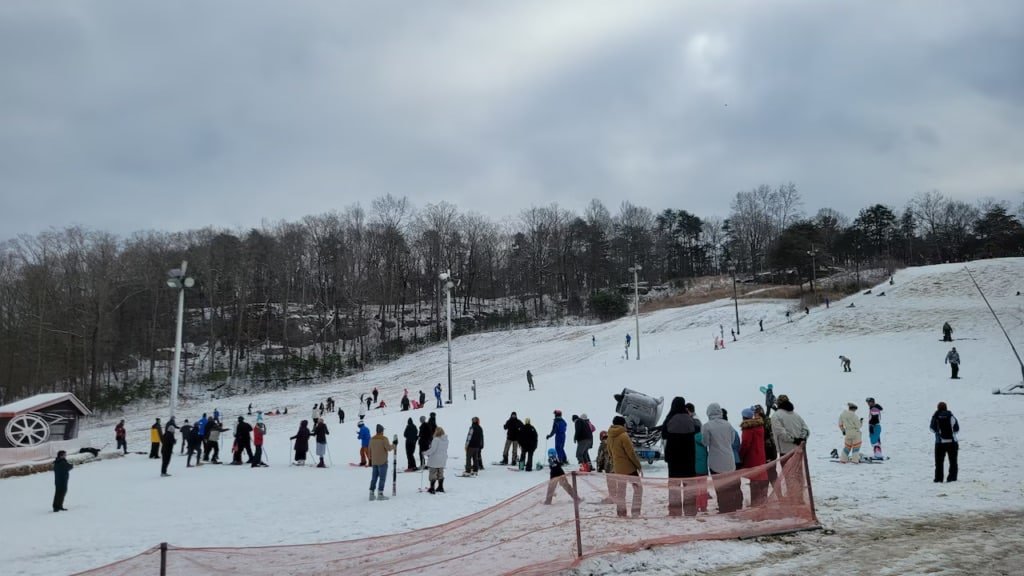
Perched on Lookout Mountain at 1,800 feet, Mentone is one of the few places in Alabama that sees regular snowfall. While the rest of the state shuts down at the first flurry, Mentone residents bundle up and enjoy it. The town averages about six inches per year, which sounds modest until you remember this is Alabama.
The elevation creates a microclimate that brings cooler summers and genuine winter weather. Rhododendron gardens frost over in December, and the winding roads up the mountain get icy enough to keep flatlanders away.
Locals gather at the Wildflower Cafe when snow falls, swapping stories about the last good accumulation. Mentone wears its winter personality proudly in a state where most people have never owned a snow shovel.
Valdez, Alaska
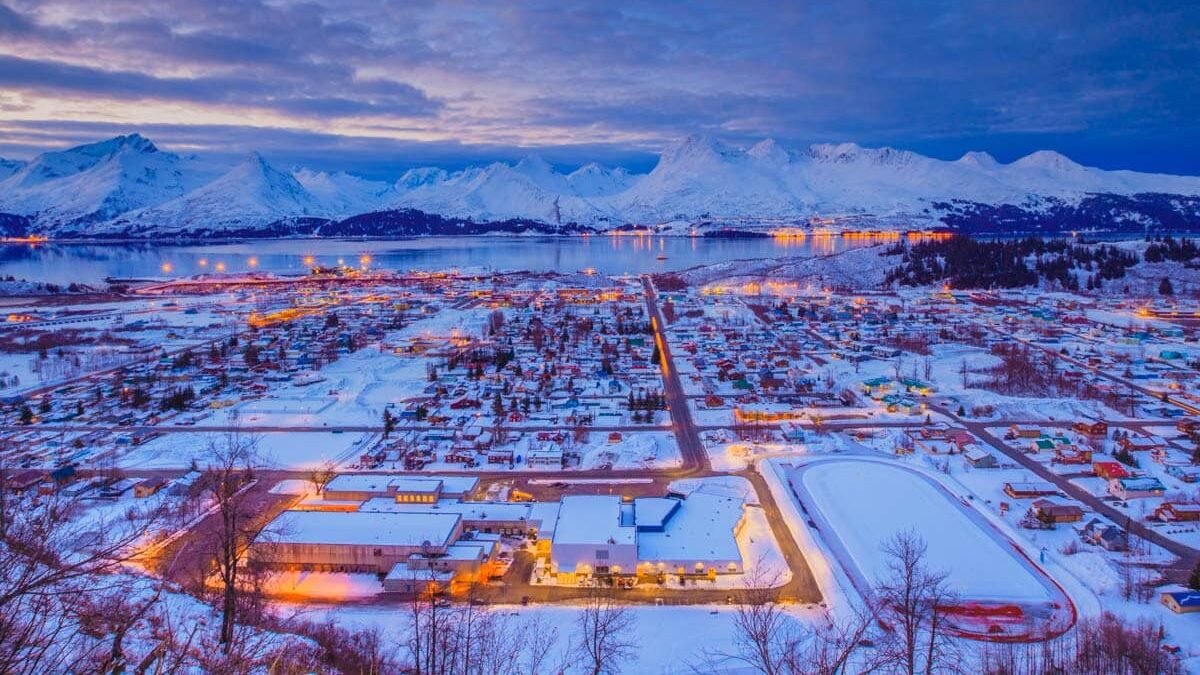
Valdez averages over 300 inches of snow per year, making it one of the snowiest inhabited places in North America. The town sits at the head of a fjord surrounded by the Chugach Mountains, which squeeze every drop of moisture from storms rolling in off Prince William Sound.
Snow starts in October and does not quit until April. Houses are built with steep metal roofs to shed the weight, and locals know that clearing the driveway is a twice-daily commitment during peak months. The town once recorded over 47 feet in a single season.
Despite the relentless accumulation, Valdez thrives. Heli-skiing draws adventurers from around the world, the fishing harbor stays active, and the small-town community pulls together when storms hit hard. Valdez residents do not tolerate snow. They celebrate it.
Flagstaff, Arizona
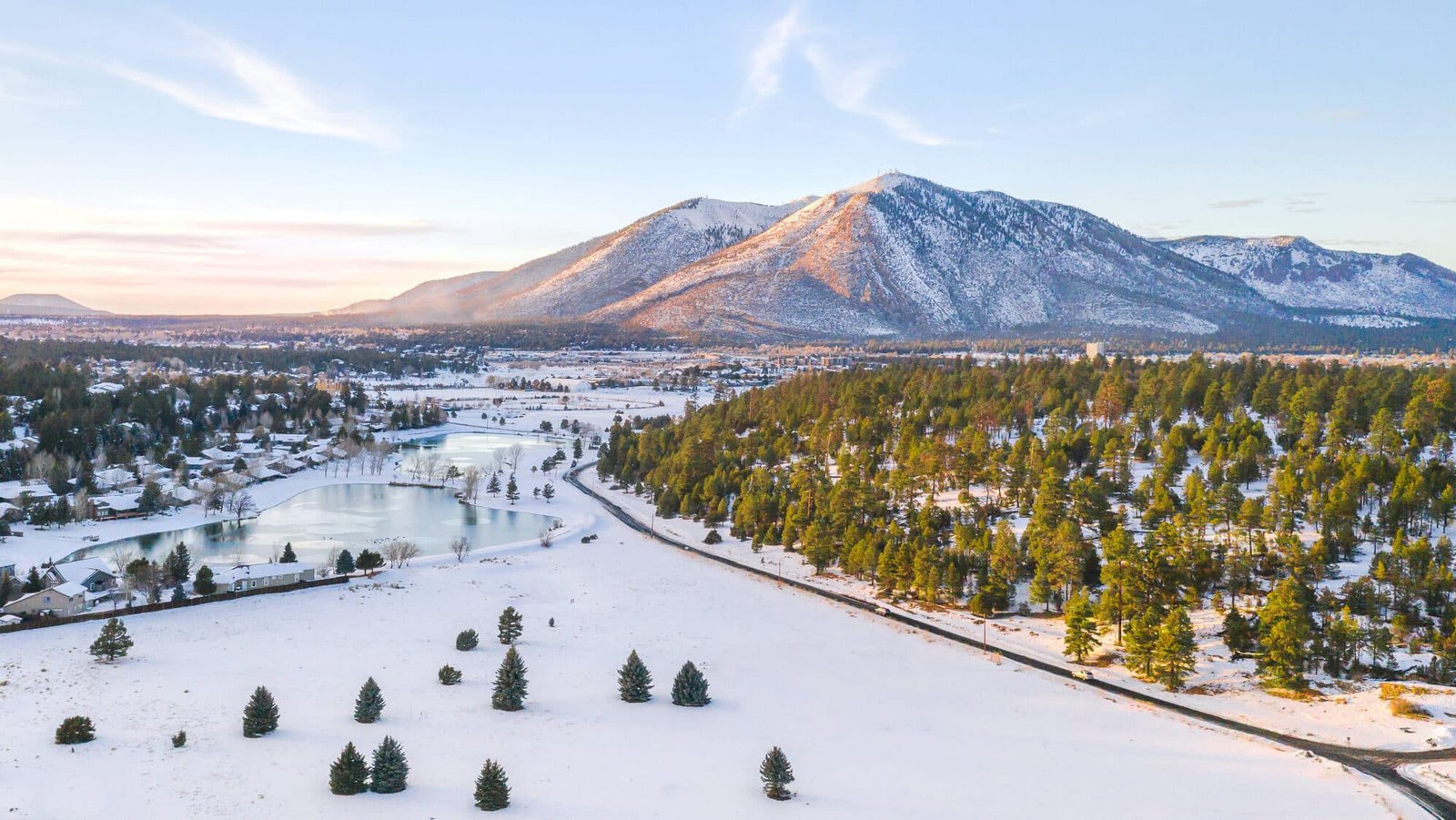
Most people picture Arizona as endless desert, which makes Flagstaff’s 100-plus inches of annual snowfall a genuine surprise. Sitting at nearly 7,000 feet in the shadow of the San Francisco Peaks, the town gets hammered by Pacific storms that dump heavy, wet snow across the Colorado Plateau.
Northern Arizona University students quickly learn that flip-flops are a bad idea from November through March. Downtown Flagstaff looks like a Colorado ski town during winter, with snow piled along historic Route 66 and steam rising from coffee shops on every corner.
The nearby Arizona Snowbowl ski resort benefits from all that accumulation, and locals treat powder days like unofficial holidays. Flagstaff proves that Arizona has a winter side that most visitors never see, and the people who live here chose it specifically for the snow.
Eureka Springs, Arkansas
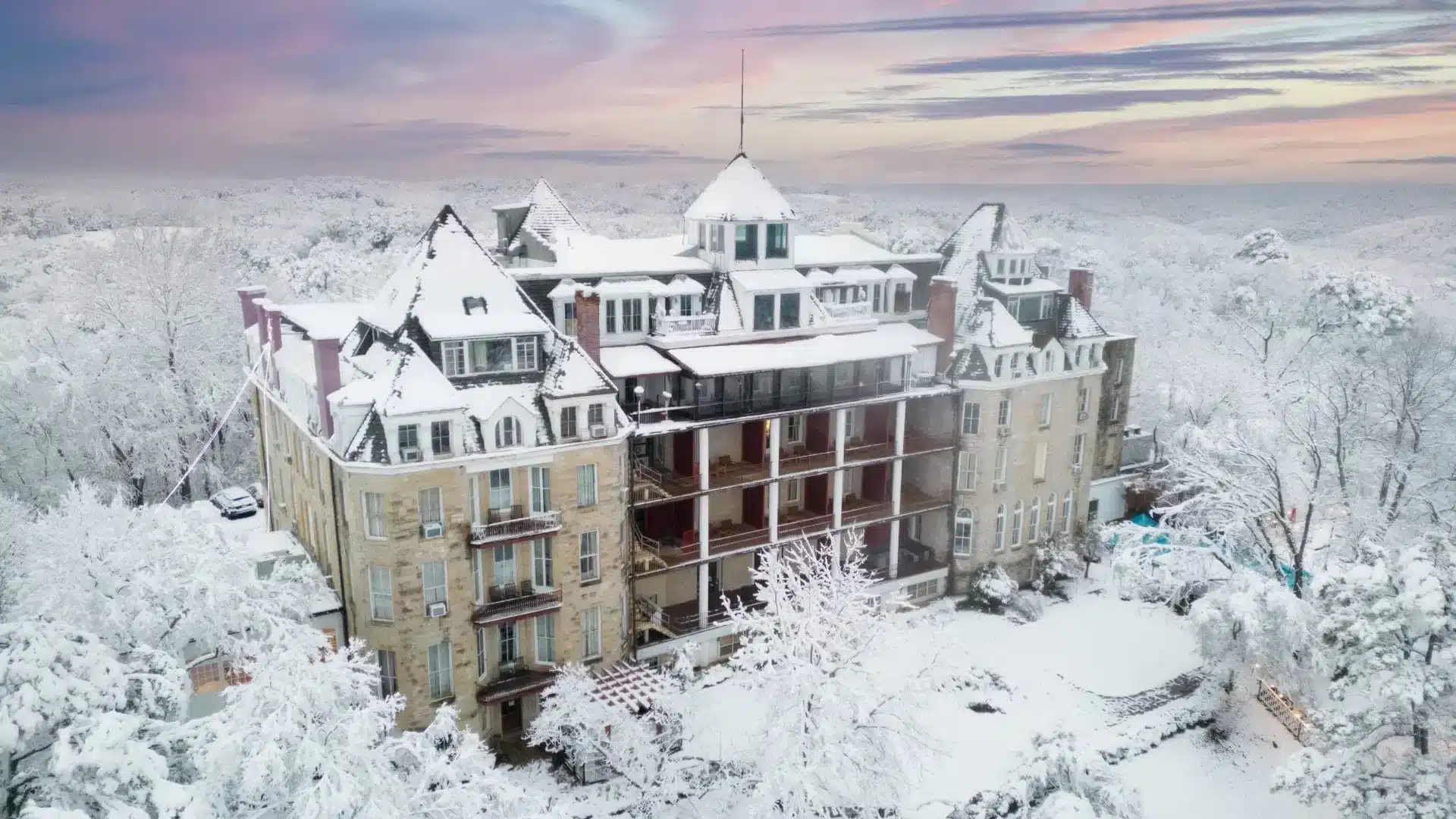
Tucked into the Ozark Mountains, Eureka Springs gets more snow than anywhere else in Arkansas. The town averages about 12 inches per year, which transforms its Victorian architecture and winding streets into something that looks pulled from a storybook.
Snow clings to the gingerbread trim of hillside hotels and lines the stone walls of the old springs. The steep terrain makes driving tricky when ice moves in, but locals treat snow days as an excuse to walk downtown and enjoy the quiet.
The surrounding hills hold the cold air longer than the lowlands, stretching winter by a few weeks and giving Eureka Springs a season that feels more Appalachian than Southern. Visitors come year round for the charm, but locals know the town looks its absolute best under a fresh blanket of white.
Truckee, California
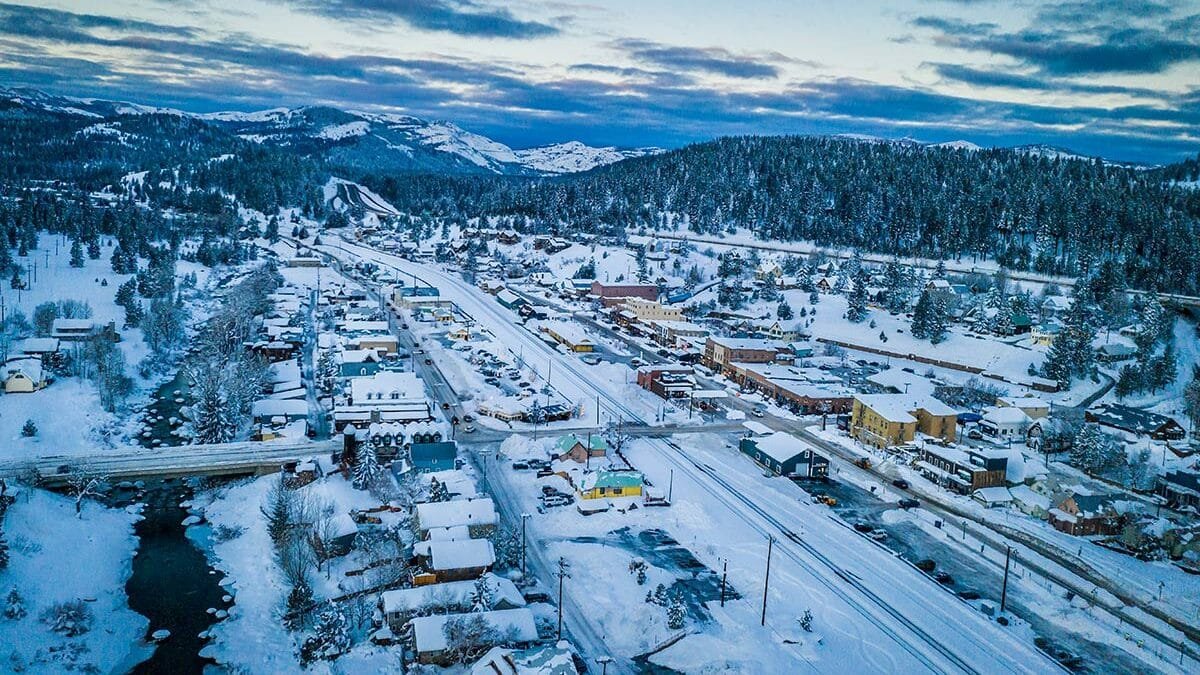
Truckee averages over 200 inches of snow per year, sitting at 5,800 feet in the Sierra Nevada just north of Lake Tahoe. The town has a long history with snow, including the infamous Donner Party disaster of 1846, a story locals reference with dark humor and genuine respect for what winter can do here.
Modern Truckee has turned all that snow into an economy. Ski resorts surround the town, and the historic downtown fills with weekend visitors chasing powder. But the year-round residents are the ones who shovel their own roofs, keep tire chains in the trunk, and know which routes close first when the big storms roll in.
Power outages during heavy snow are common, and the town has learned to be self-sufficient when highways shut down. Truckee’s relationship with snow is built on respect, preparation, and a genuine love for mountains that spend half the year buried in white.
Crested Butte, Colorado
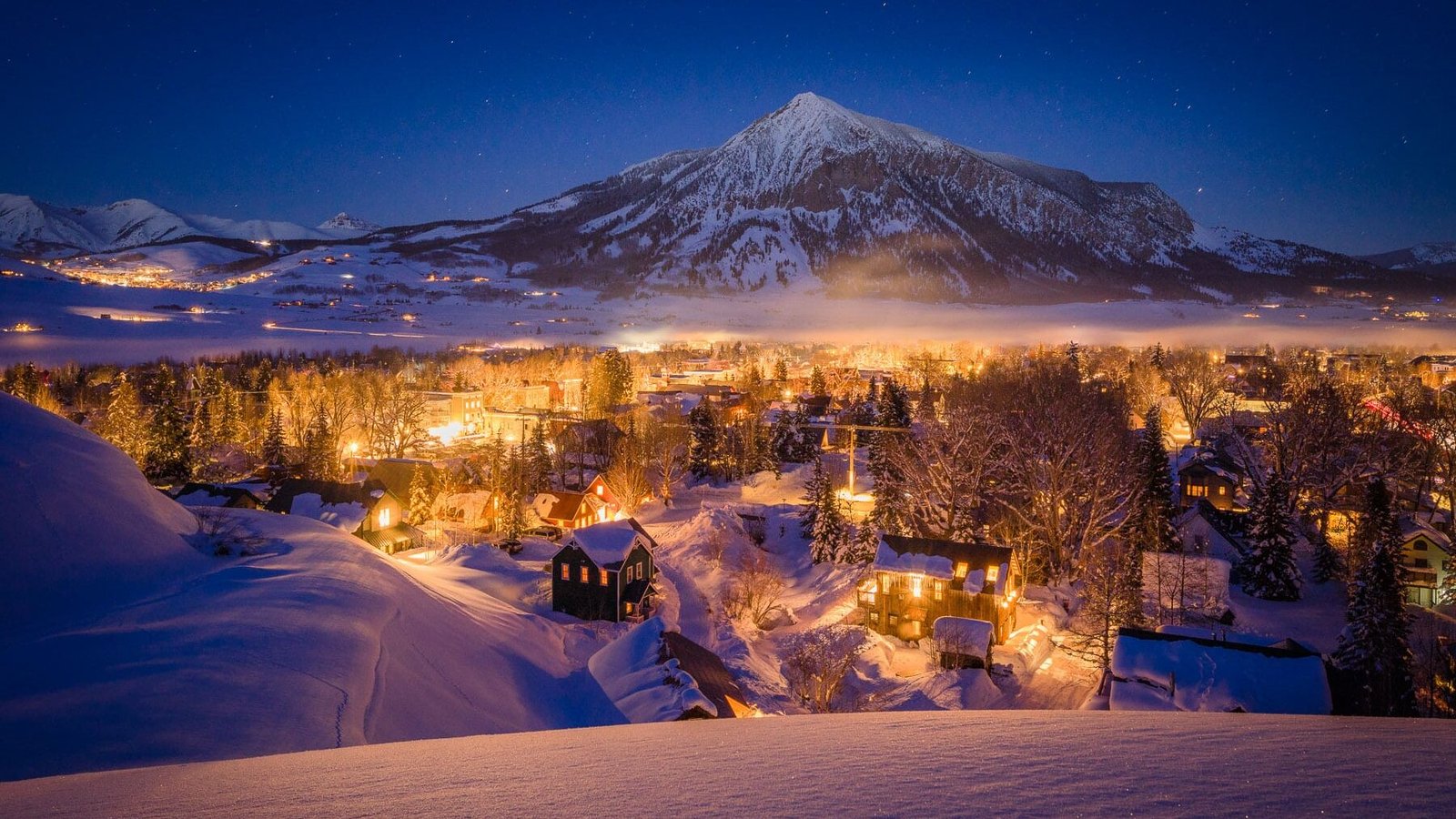
Crested Butte calls itself the “Wildflower Capital of Colorado” in summer, but winter tells the real story. The town averages over 200 inches of snow per year, with storms that can drop three feet in a single event. At 8,900 feet, the cold keeps the snow dry and light, perfect for skiing and terrible for driving.
Elk Avenue, the main street through town, stays plowed but lined with snow walls that grow taller as the season progresses. Locals cross-country ski to the post office and keep fat bikes for grocery runs when the roads get too packed to drive safely.
The ski resort on the mountain above town draws visitors, but Crested Butte’s year-round community is what makes the place special. People here chose the snow. They built their lives around it. And when a three-day storm buries everything in white, the first thing they do is grab their skis and head outside.
Norfolk, Connecticut
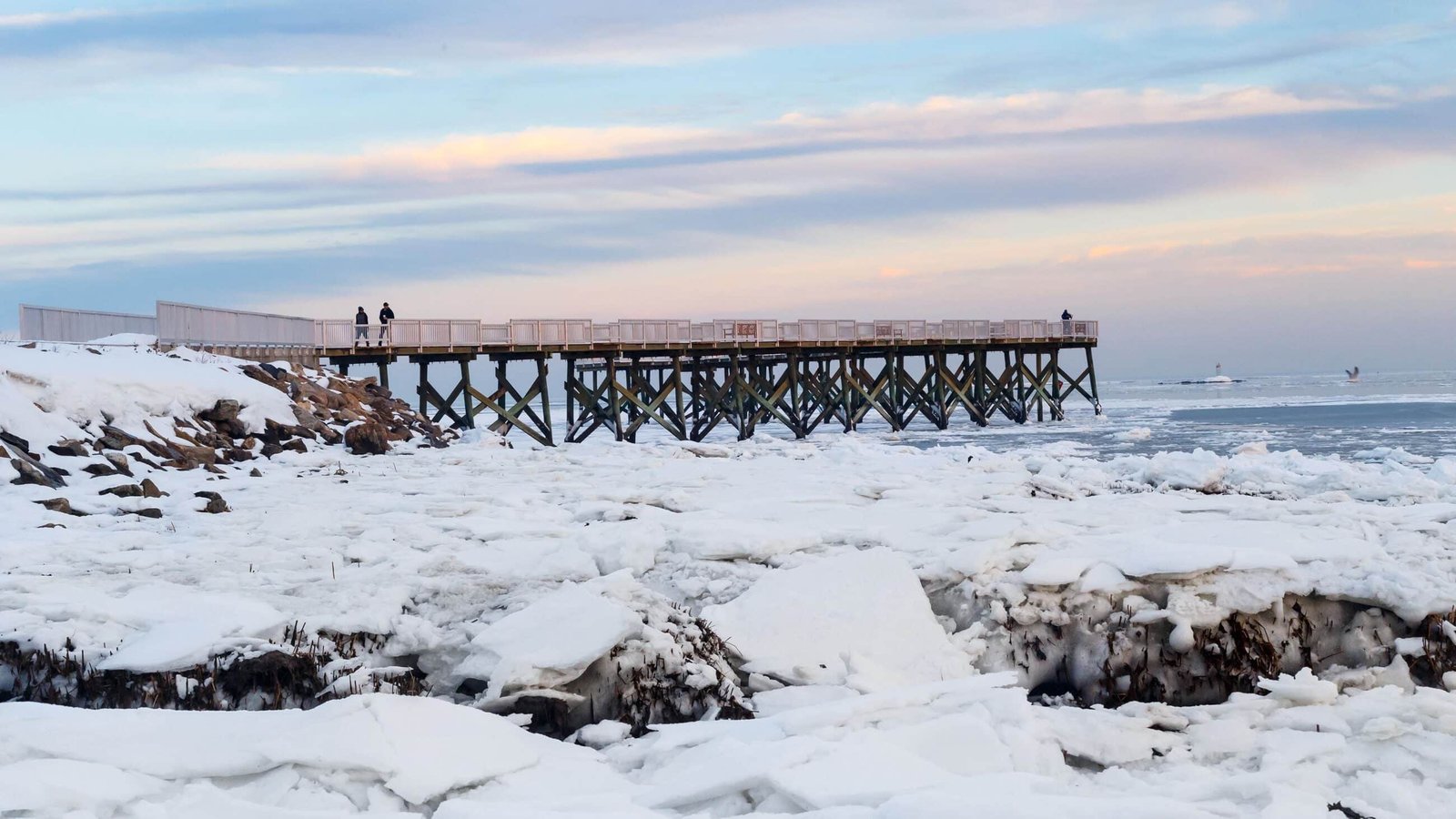
The Litchfield Hills of northwest Connecticut catch more snow than anywhere else in the state, and Norfolk sits right in the sweet spot. The town averages about 75 inches per year, with nor’easters and lake-effect bands from Long Island Sound piling it deep through the winter months.
Norfolk is a small New England village where stone walls disappear under drifts and the village green looks like a Christmas card from December through March. The Yale Summer School of Music operates here, but winter gives the town its truest character.
Locals heat with wood, keep their pantries stocked, and treat heavy snow as a reason to stay home and enjoy the silence. Norfolk does not fight winter. It settles into it, with a quiet New England stubbornness that finds comfort in short days and long fires.
Greenville, Delaware
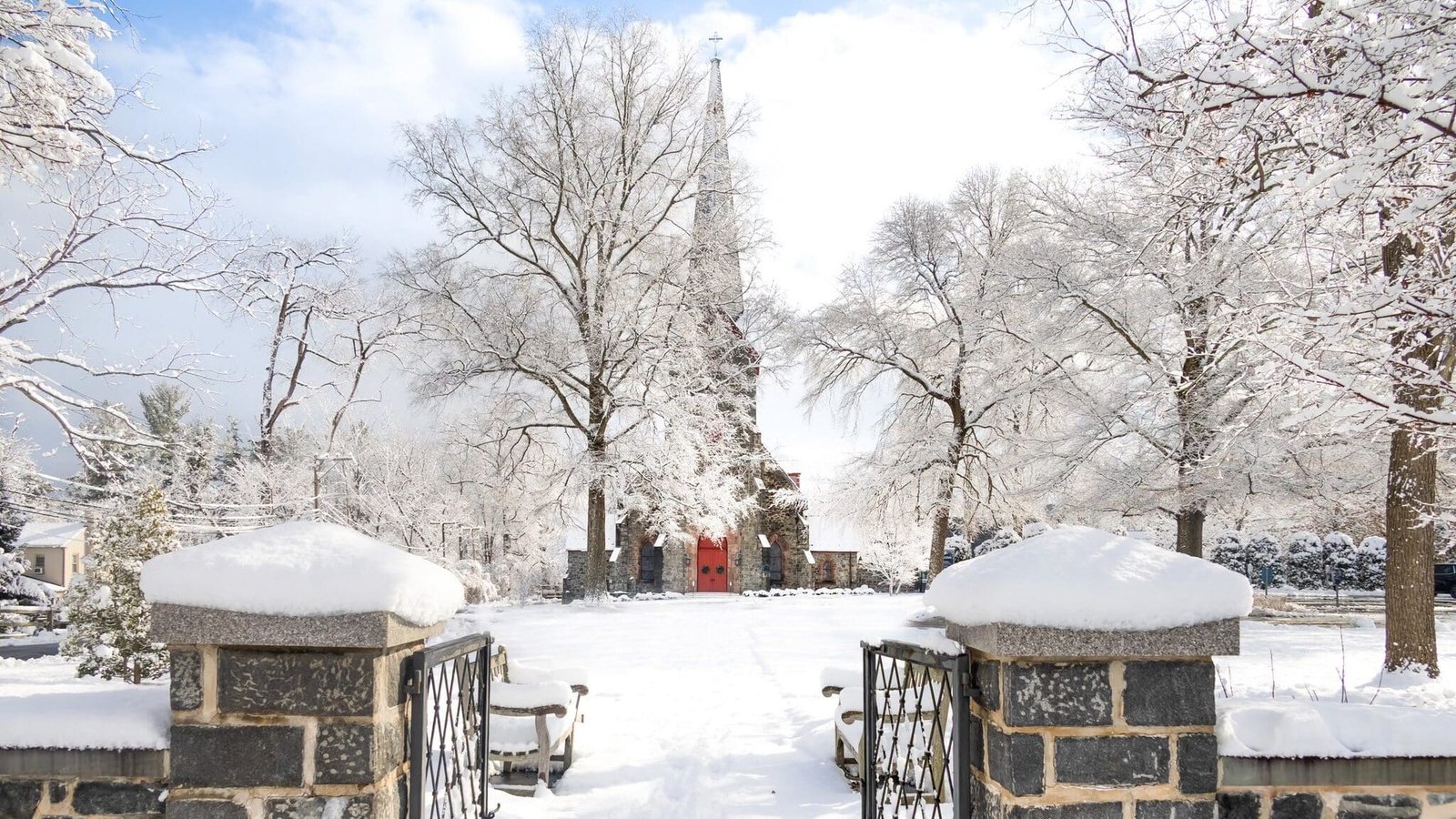
Delaware is a small, flat state that does not scream snow country, but the Brandywine Valley in the northern corner catches more accumulation than anywhere else in the state. Greenville averages about 22 inches per year, boosted by its slightly higher elevation and proximity to the Pennsylvania snow belt.
When nor’easters track up the coast, Greenville often gets the heavy, wet snow while the beach towns to the south get rain. The rolling hills and horse farms look stunning under fresh accumulation, and the winding roads through the valley take on a quiet beauty that the rest of Delaware rarely sees.
The du Pont estates and gardens that dot the area transform during winter, and locals appreciate the slower pace that snow brings. Greenville wears winter well for a state that most people associate with beaches and tax-free shopping.
Defuniak Springs, Florida
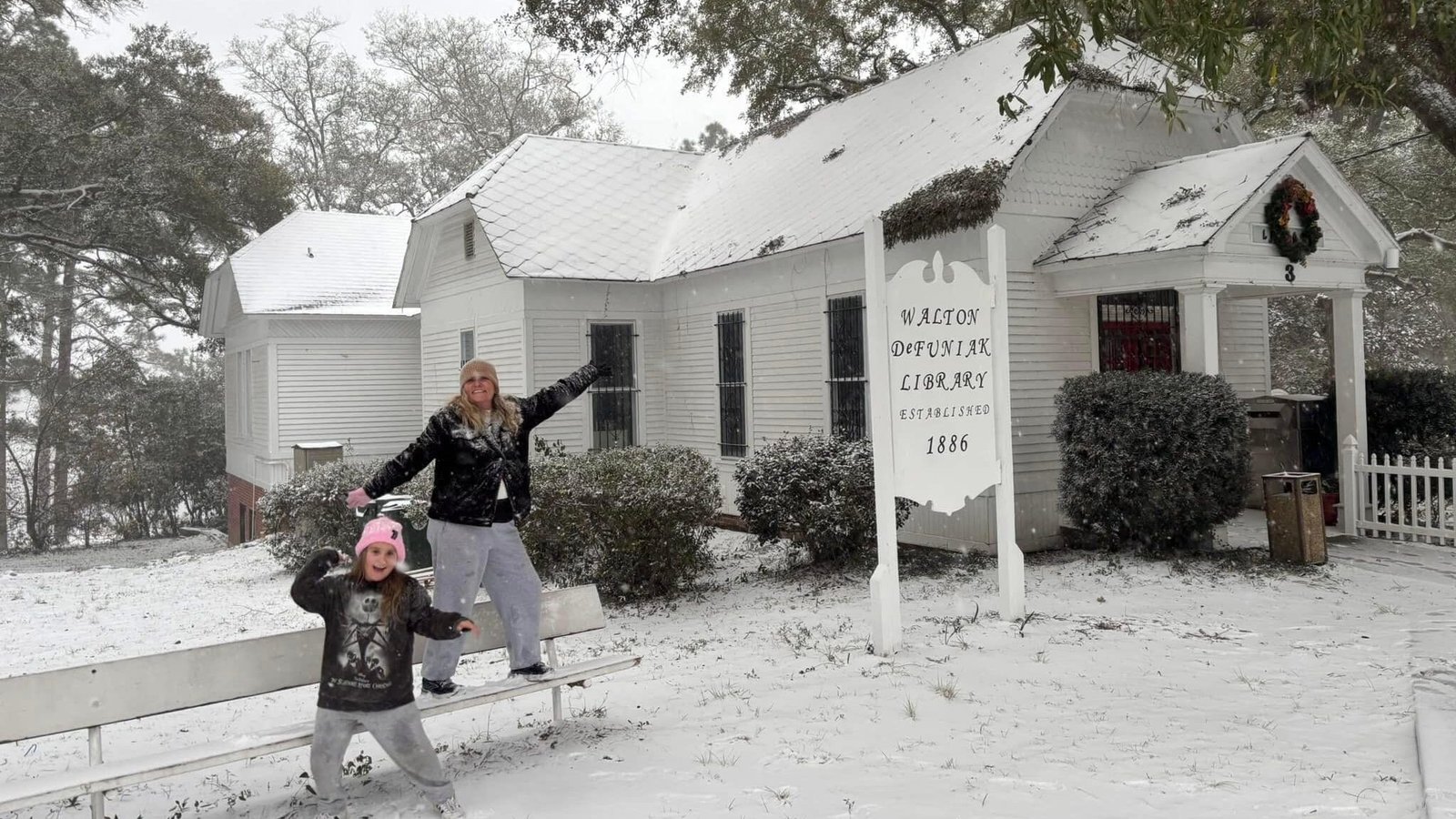
Florida and snow do not belong in the same sentence, but the panhandle occasionally proves otherwise. Defuniak Springs, sitting in the northern part of the state near the Alabama border, has seen measurable snowfall more often than any other Florida town. The accumulations are rare and small, but they happen.
The 1993 “Storm of the Century” dropped several inches across the panhandle, and Defuniak Springs residents still talk about it with the excitement of people who witnessed something they may never see again. The town’s perfectly round spring-fed lake looked surreal with snow on its banks.
Frost and freezing temperatures visit regularly during winter, which is enough to set Defuniak Springs apart from the rest of the Sunshine State. Locals secretly enjoy being the one Florida town that knows what a snow day feels like, even if it only happens once a decade.
Blue Ridge, Georgia
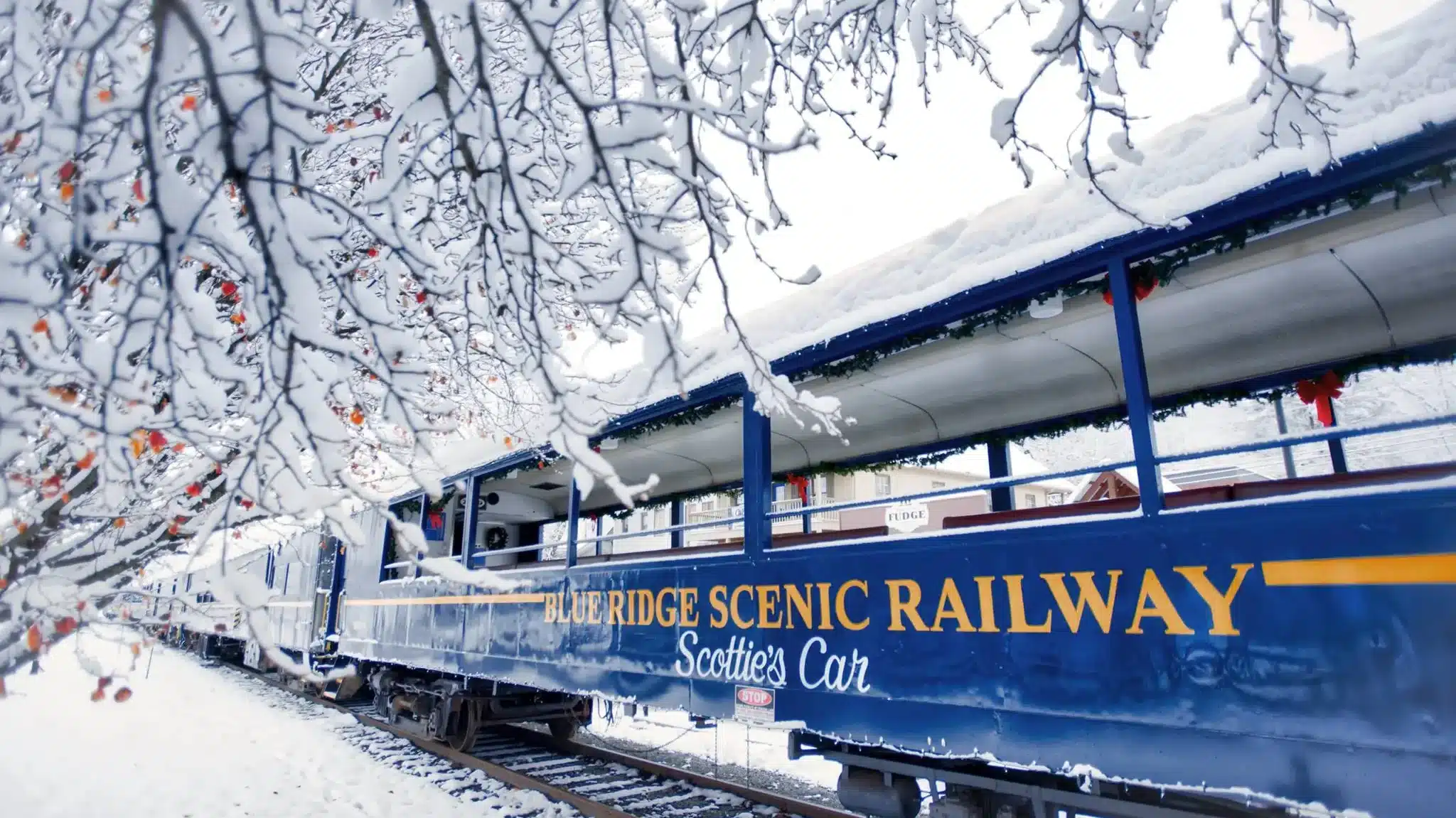
The Blue Ridge Mountains in northern Georgia catch snow that the rest of the state can only dream about. The town of Blue Ridge averages about 10 inches per year, with occasional storms dumping double that when moisture from the Gulf rides up against cold air pouring down the Appalachian spine.
The scenic railway, downtown tasting rooms, and cabin-rental economy all benefit from winter weather that gives the town a mountain personality completely different from Atlanta just 90 miles south. Snow on the ridgelines turns the surrounding peaks into a postcard that visitors share immediately.
Locals love the winter quiet. Summer and fall bring crowds, but a good snowfall clears the streets and returns the town to its residents. Hot chocolate at a local cafe, a fire in the cabin, and fresh tracks on a ridge trail make Blue Ridge one of the best winter escapes in the Southeast.
Volcano, Hawaii
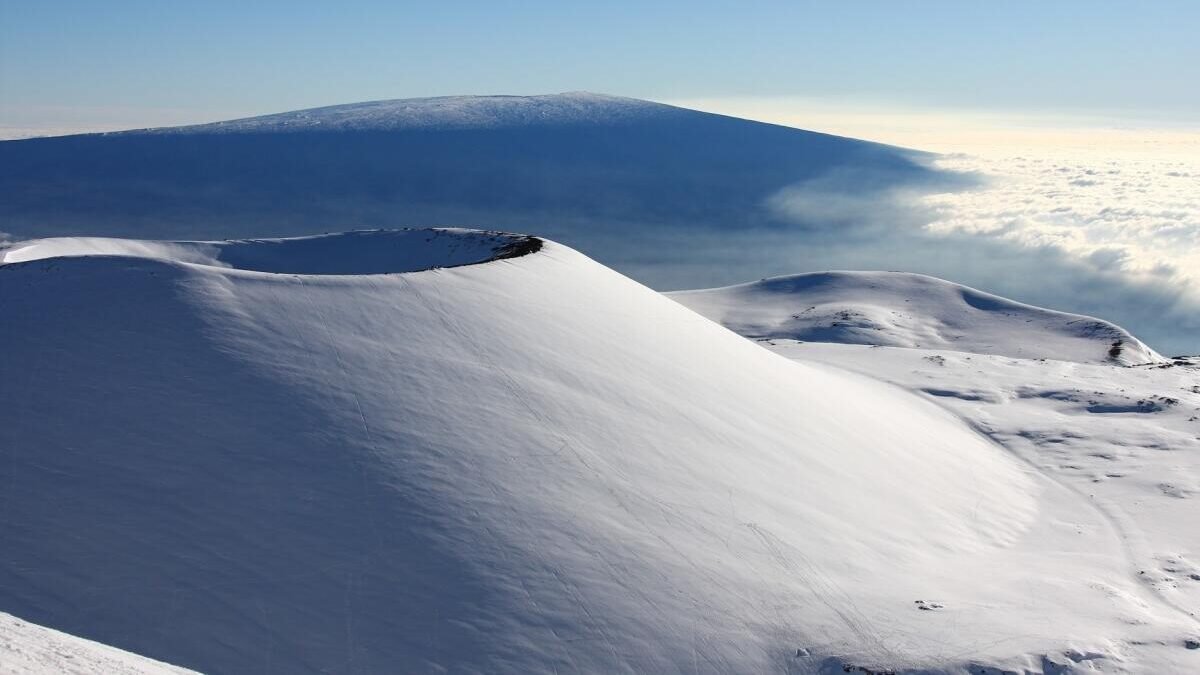
Yes, it snows in Hawaii. The town of Volcano sits at 4,000 feet on the Big Island, just outside Hawaii Volcanoes National Park, and sees frost, hail, and occasional snow during winter months. The summit of nearby Mauna Kea gets genuine blizzards, with accumulations measured in feet rather than inches.
Volcano is perpetually cool and misty compared to the beach resorts below. Residents wear fleece and keep fireplaces burning through winter, a reality that surprises every tourist who assumed Hawaii meant permanent warmth.
The town sits in a rainforest that gets over 100 inches of precipitation per year, and when temperatures drop enough, some of that falls as sleet or graupel. Volcano is not a snow town by mainland standards, but within Hawaii, it holds the title comfortably, and locals enjoy the confusion on visitors’ faces when they realize they need a jacket in paradise.
McCall, Idaho
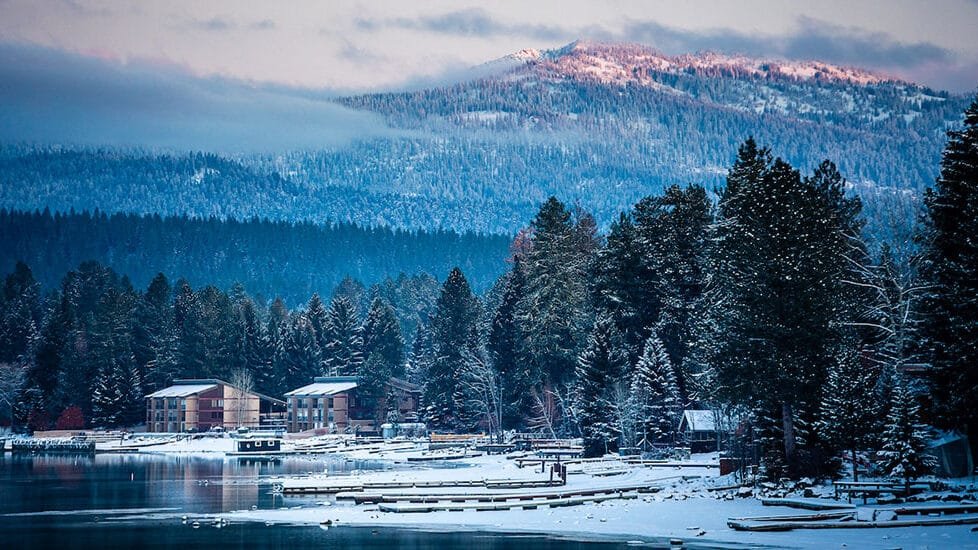
McCall sits on the shore of Payette Lake at 5,000 feet, surrounded by mountains that funnel Pacific moisture into over 140 inches of snow per year. The town transforms completely in winter, with the frozen lake becoming a playground for ice fishing, snowmobiling, and the annual Winter Carnival that draws thousands.
The carnival features massive snow sculptures carved by teams that spend days shaping blocks of packed snow into artwork. The event has run for over 50 years and defines McCall’s identity as much as the lake defines its geography.
Year-round residents number about 3,500, and most of them ski, snowshoe, or ride snowmobiles as basic transportation during the deepest months. McCall proves that a small mountain town can build an entire culture around snow and come out the other side with a community that genuinely thrives because of winter, not despite it.
Galena, Illinois
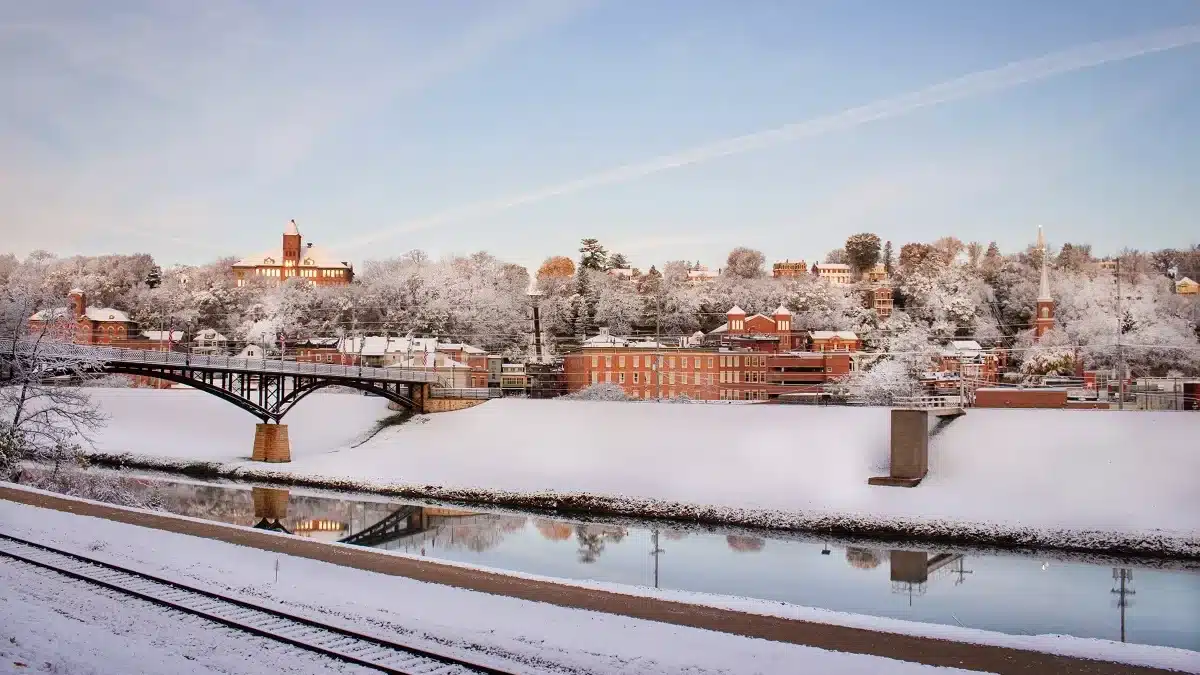
Northwestern Illinois sits in a snow belt that most people associate with Wisconsin and Minnesota rather than the Prairie State. Galena averages about 42 inches per year, with lake-effect bands from the upper Mississippi valley adding extra accumulation that the rest of Illinois misses.
The town’s brick storefronts and hilly terrain look spectacular under snow. Main Street curves along the Galena River, and when fresh snow lines the rooftops and lampposts, the whole scene feels lifted from a century ago. Winter weekends bring couples and families seeking that exact feeling.
Locals lean into the season with horse-drawn sleigh rides, candlelight walks, and restaurants that keep fireplaces burning from November through March. Galena has figured out that snow is an asset, not a liability, and the town’s winter tourism has become as important as its summer antique trade.
Nashville, Indiana
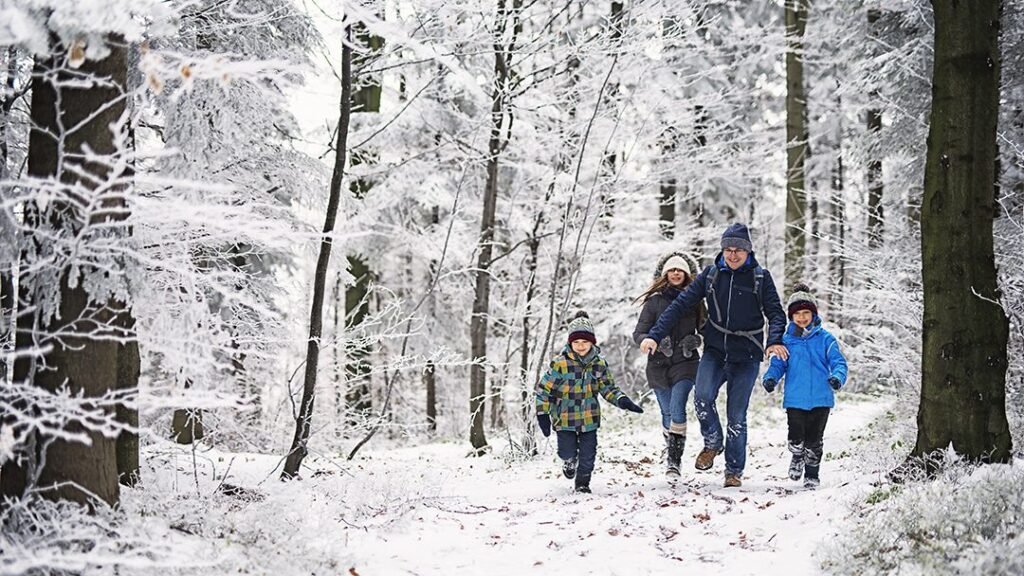
Brown County gets more snow than the flatlands of central Indiana, thanks to the hilly terrain that forces moist air upward and wrings out extra precipitation. Nashville, the county seat, averages about 25 inches per year, and the surrounding forest looks extraordinary when the bare hardwoods are coated in white.
Artists have been drawn to this area for over a century, and winter light through snow-covered branches is one of the reasons. The galleries downtown display landscapes painted during every season, but the winter scenes carry a quiet power that the fall foliage paintings cannot match.
The state park trails become cross-country ski routes and snowshoe paths when accumulation cooperates. Nashville in winter is the opposite of Nashville in October, which is when the leaf-peepers overwhelm every parking lot. Locals prefer the snow months, when the town belongs to them again and the hills go quiet.
Decorah, Iowa
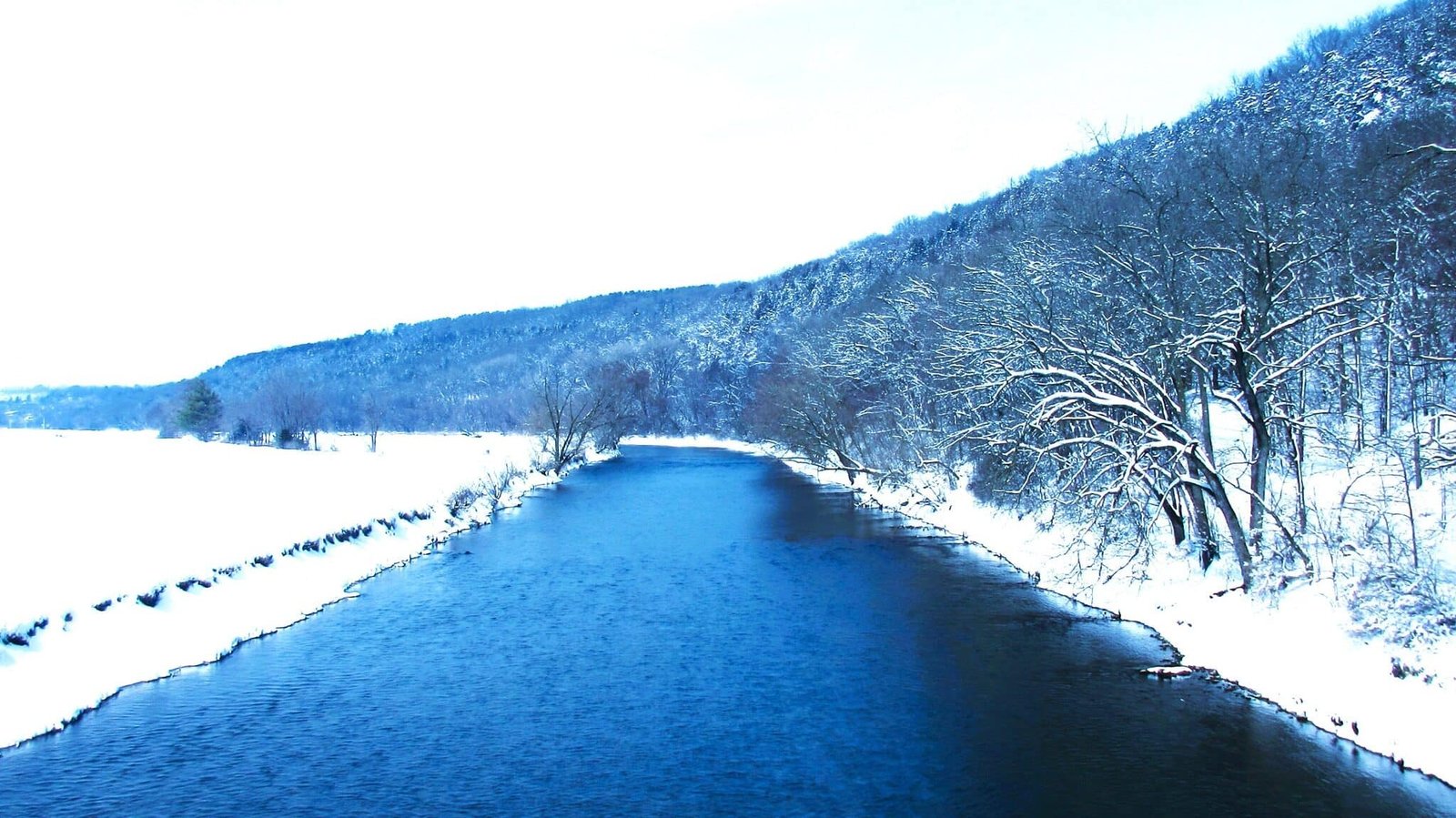
Northeast Iowa’s driftless region escaped the glaciers that flattened the rest of the state, leaving behind bluffs and valleys that catch snow and hold it. Decorah averages about 40 inches per year, and the limestone bluffs above the Upper Iowa River turn into frozen sculptures during the coldest months.
The town’s Nordic heritage shows during winter. Cross-country ski trails wind through the surrounding hills, and the annual Nordic Fest celebrates the Scandinavian immigrants who settled here partly because the winters reminded them of home.
Decorah’s eagle cam, which streams live footage of bald eagles nesting along the river, draws millions of online viewers during winter when the birds are most active. Locals bundle up for river walks and trout stream visits even in January, proving that cold weather does not keep Iowans inside when the landscape looks this good.
Lindsborg, Kansas
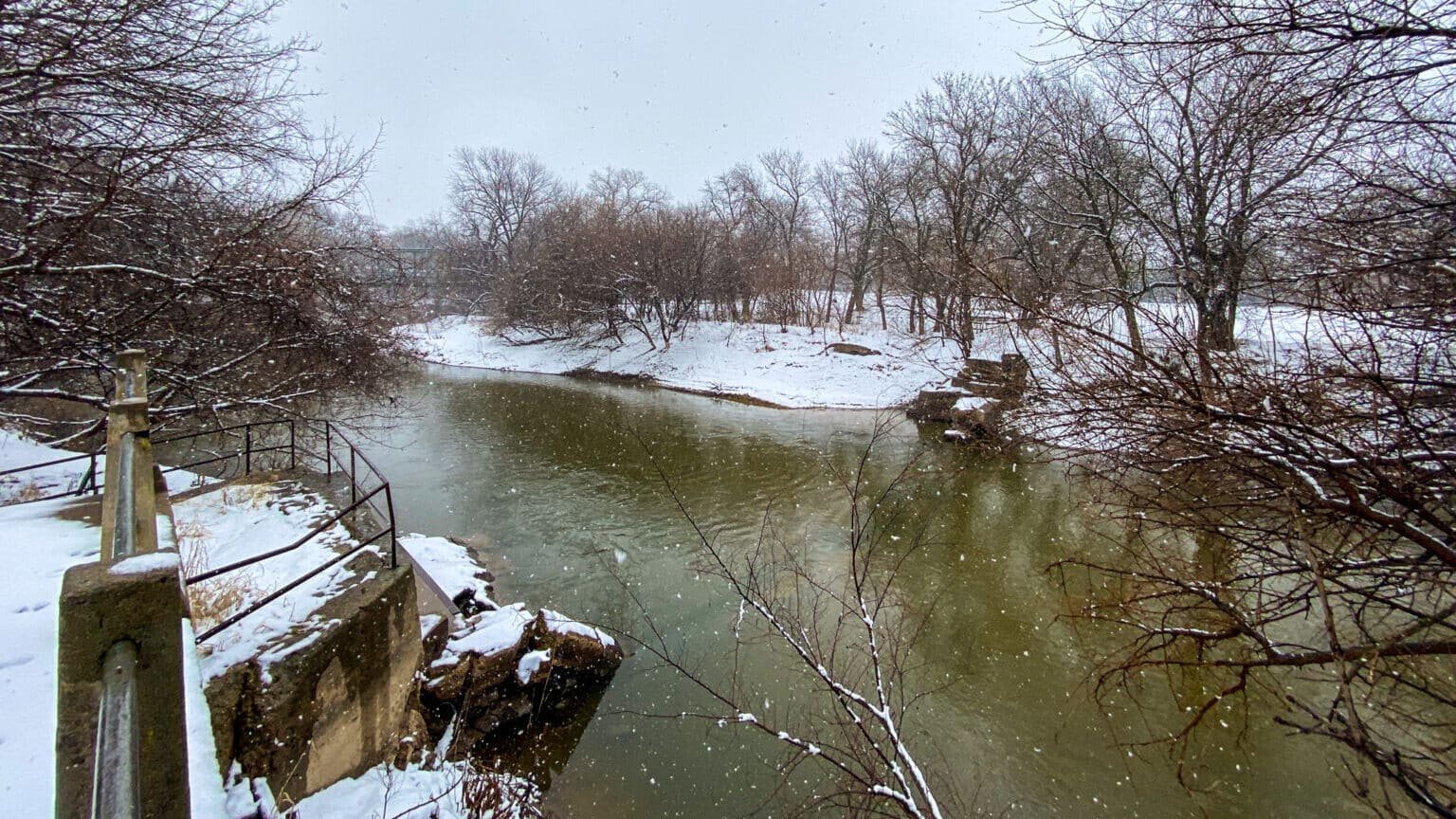
Kansas is not snow country by most measures, but Lindsborg in the central part of the state gets its share of Plains blizzards. The town averages about 20 inches per year, and when a blue norther pushes through, the Swedish-themed downtown can go from brown to white in a few hours.
Lindsborg is known as “Little Sweden USA,” and the Dala horse statues that line Main Street look particularly charming with snow caps. The Bethany College campus and the Birger Sandzen Memorial Gallery both take on a Scandinavian postcard quality during winter storms.
Wind is the real factor here. Snow rarely falls gently in central Kansas. It arrives sideways, drifts across highways, and piles against buildings on the leeward side. Locals have learned that the beauty of fresh snow lasts about an hour before the wind starts rearranging it, but that hour is worth the wait.
Berea, Kentucky
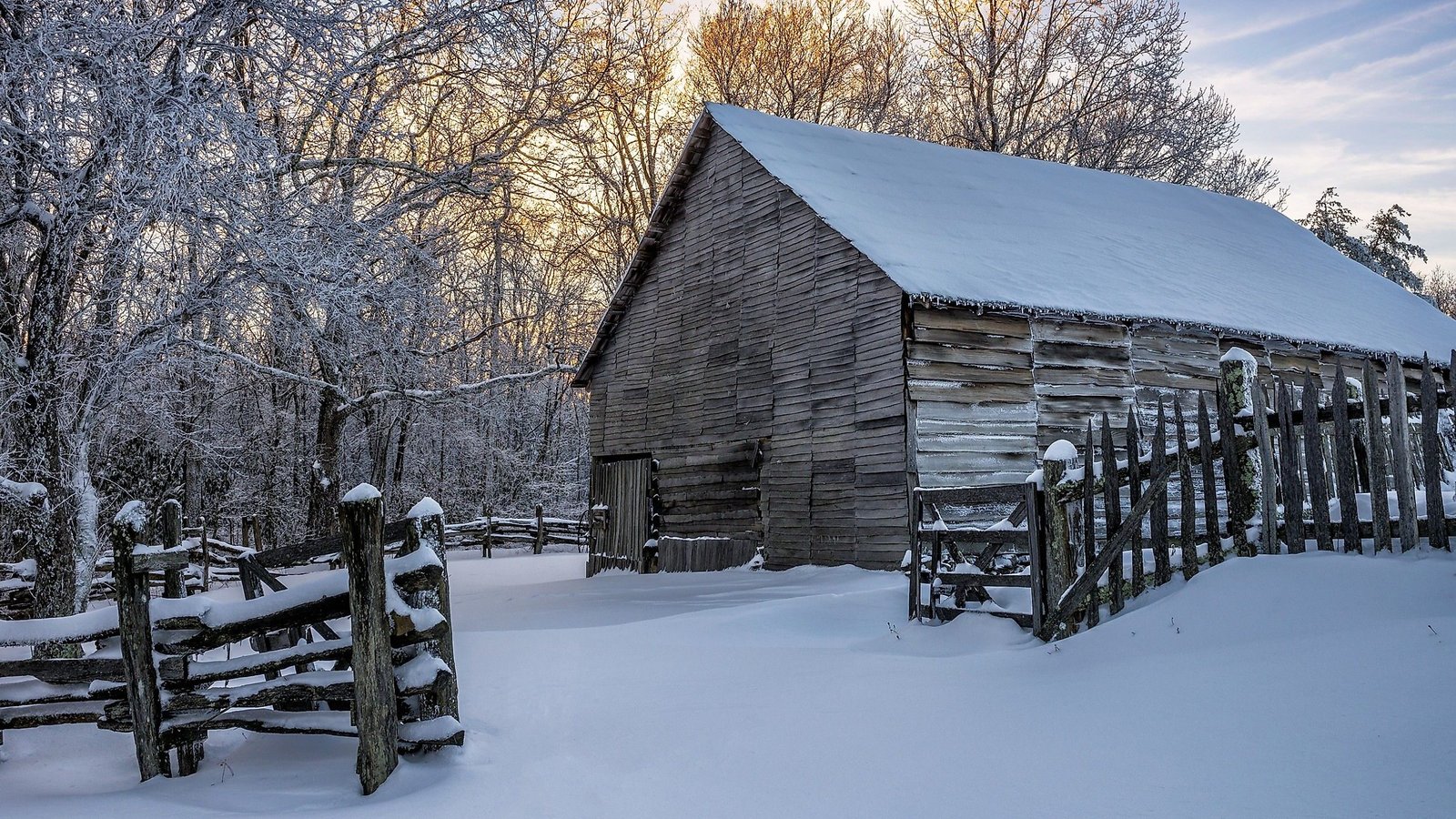
The foothills of eastern Kentucky catch more snow than the Bluegrass lowlands, and Berea sits at the transition point where rolling farmland meets the Appalachian ridges. The town averages about 15 inches per year, with occasional storms dropping enough to shut down the winding roads that connect the hollows.
Berea College, known for its craft programs and tuition-free model, keeps the town alive year round. Winter brings a quieter campus and a chance to see the artisan workshops without summer crowds. Woodturners, weavers, and blacksmiths keep working through the cold months, and the sound of hammers on iron carries differently through snowy air.
The Pinnacles trail outside town transforms into an icy scramble after storms, with frozen waterfalls that attract climbers from across the region. Berea treats snow as a season for making things, and the town’s creative energy actually picks up when the temperature drops.
Natchitoches, Louisiana
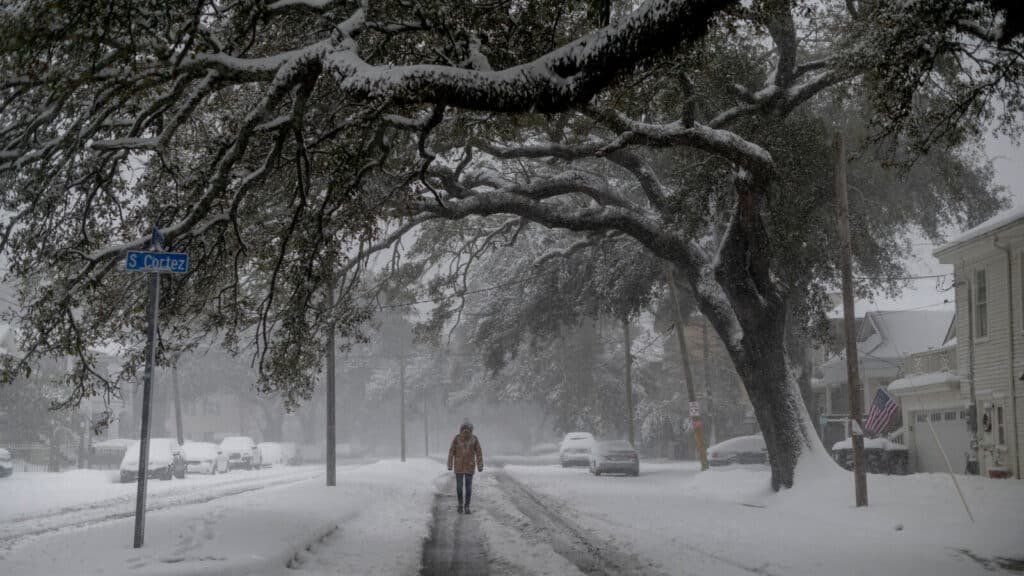
Louisiana and snow make an unlikely pair, but Natchitoches in the northwest corner of the state sees flurries more often than most people realize. The town averages about one inch per year, which is enough to create genuine excitement when flakes start falling over the Cane River.
The annual Christmas Festival of Lights transforms the historic downtown into a glowing spectacle every November and December. On the rare occasions when snow coincides with the festival, the town becomes something almost impossibly picturesque, with lights reflecting off fresh accumulation along the oldest settlement in the Louisiana Purchase territory.
Locals treat snow like a holiday in itself. Schools close, families gather outside, and snowmen appear in yards within minutes, built with the urgency of people who know the evidence will melt by afternoon. Natchitoches may not be a snow town by any northern standard, but the joy it brings here is completely genuine.
Bethel, Maine
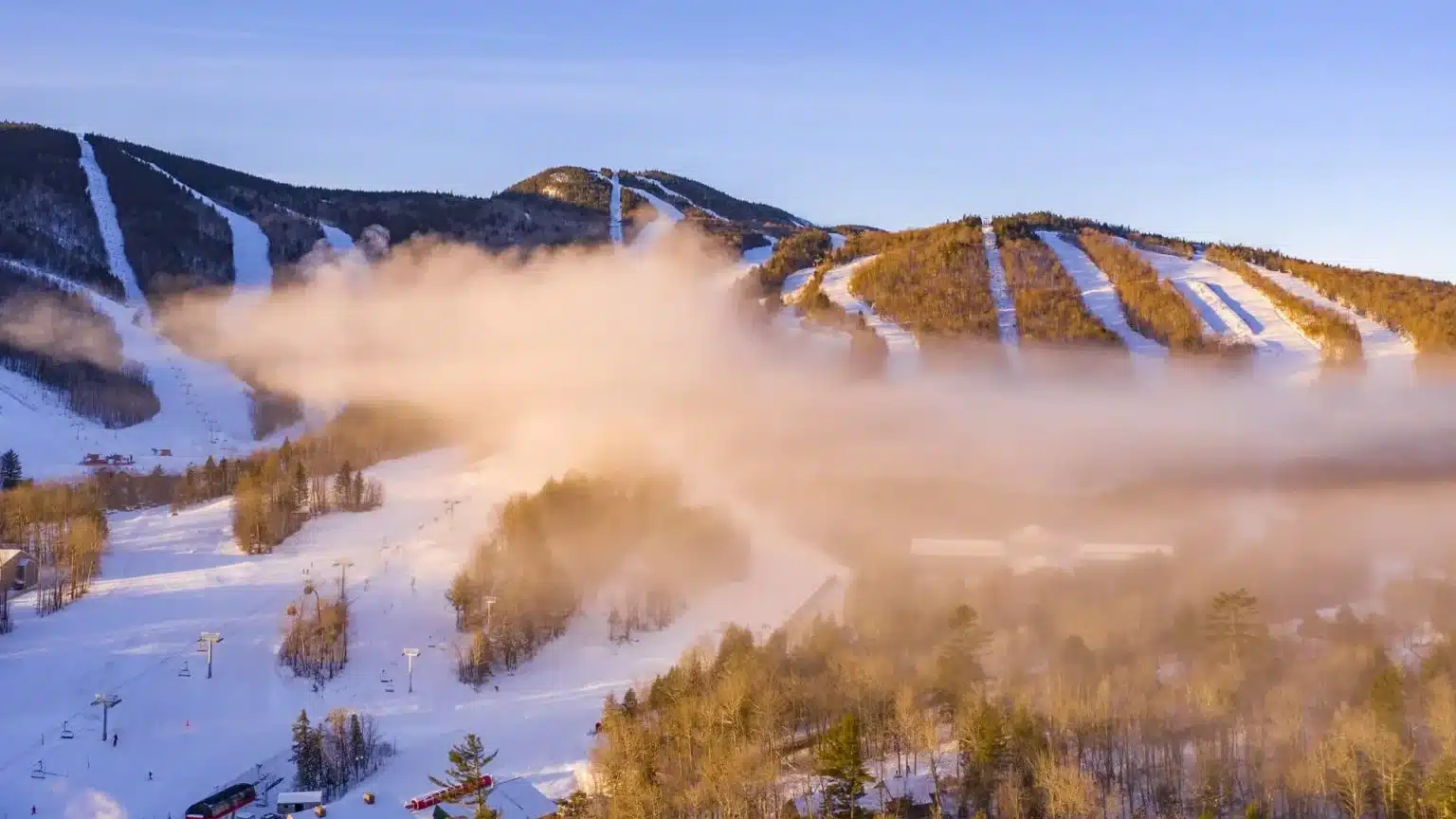
Western Maine’s mountains catch some of the heaviest snowfall in New England, and Bethel sits right in the accumulation zone. The town averages over 100 inches per year, with nor’easters and Alberta clippers both contributing to totals that keep Sunday River ski resort operating well into April.
Bethel’s village center looks like a Robert Frost poem during winter. White steepled churches, clapboard houses, and covered bridges all wear snow with the kind of quiet dignity that defines northern New England. Smoke rises from chimneys, and the sound of snowmobiles replaces the sound of lawnmowers as the dominant background noise.
The town has built its economy around winter. Ski shops, gear rental outfits, and warming lodges all depend on the snow that some Maine towns curse. Bethel embraces it, and the local pride in surviving winters that would make most Americans relocate is worn as visibly as a L.L. Bean jacket.
Oakland, Maryland
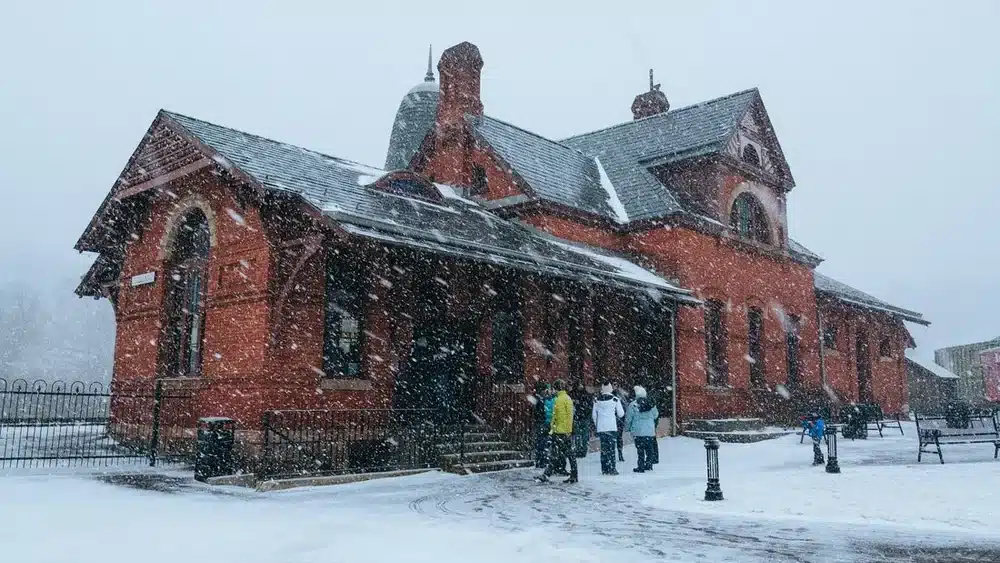
Deep Creek Lake country in far western Maryland gets more snow than any other part of the state. Oakland averages about 100 inches per year, thanks to its 2,400-foot elevation and proximity to the Allegheny snowbelt that stretches across the central Appalachians.
The lake freezes solid during cold winters, and ice fishing shanties dot the surface while snowmobiles trace the shoreline. Wisp Resort operates on the slopes above the lake, giving the area a ski-town economy that the rest of Maryland finds hard to believe exists within state lines.
Oakland’s residents live a winter lifestyle that has more in common with West Virginia or Vermont than with Baltimore, just three hours to the east. Snow plowing starts in October and does not stop until April. Firewood is stacked in cords, and four-wheel drive is considered standard equipment, not an upgrade. Western Maryland is a different world in winter, and Oakland sits at the heart of it.
Stockbridge, Massachusetts
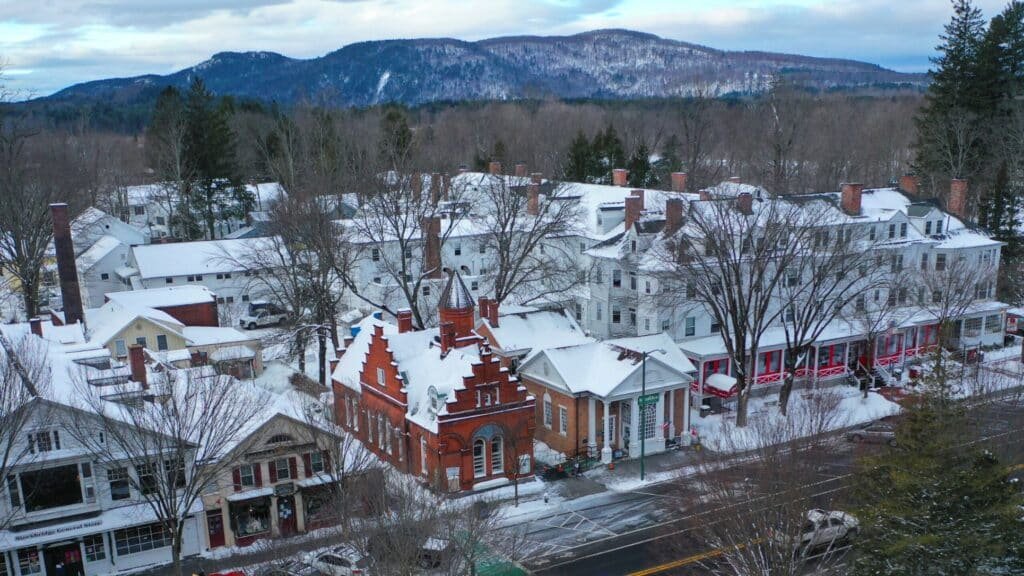
Norman Rockwell painted Stockbridge in winter for a reason. The Berkshire town averages about 60 inches of snow per year, and every flake seems to land in exactly the right place. The Red Lion Inn, the main street shops, and the surrounding hills create a scene so perfectly New England that it almost looks staged.
The Norman Rockwell Museum draws visitors year round, but winter adds a layer of context that makes the artwork feel alive. The same streets he painted still look the same under fresh snow, give or take a few modern cars and updated storefronts.
Tanglewood goes quiet in winter, but the town does not. Cross-country skiing, snowshoeing, and winter hiking fill the weekends, and the restaurants and inns that cater to summer music festival crowds keep their fires burning for a smaller but equally devoted winter clientele. Stockbridge proves that some towns are simply designed for snow.
Petoskey, Michigan
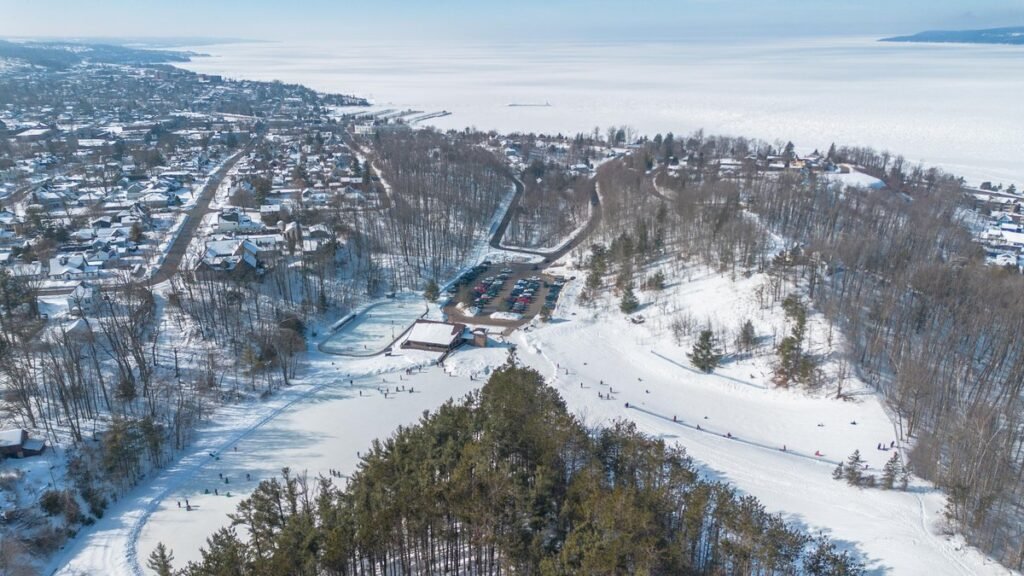
Lake Michigan drives the snow machine that buries Petoskey every winter. The town averages over 120 inches per year, with lake-effect bands that can produce snowfall rates of three inches per hour during the heaviest events. Cold Canadian air crosses the relatively warm lake and dumps everything it picks up on the downwind shore.
Petoskey’s gaslit downtown looks magnificent under snow. The boutique shops, galleries, and restaurants that serve summer tourists transition seamlessly into a winter village atmosphere. The Bay View Historic District, with its Victorian cottages and lakefront paths, takes on a frozen elegance that summer visitors never witness.
Locals snowmobile, cross-country ski, and ice fish on the bay when it freezes. The Nub’s Nob and Boyne Highlands ski areas operate nearby, giving the community a winter economy that keeps people employed through the long months. Petoskey has made peace with lake-effect snow and turned it into the town’s second season of tourism.
Grand Marais, Minnesota
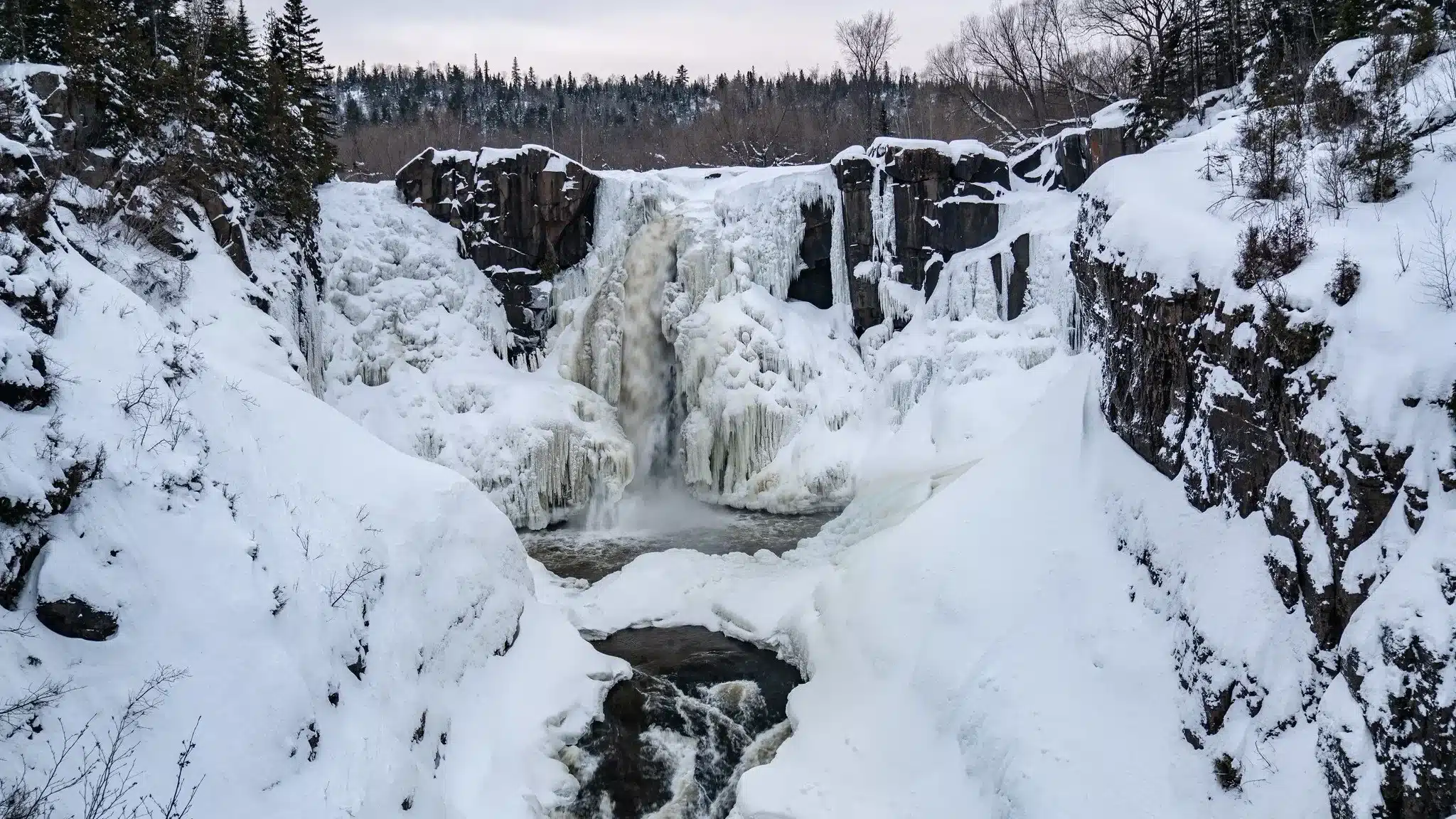
Perched on the North Shore of Lake Superior, Grand Marais averages about 80 inches of snow per year, with lake-effect squalls adding bursts of heavy accumulation that can hit without warning. The town sits at the end of the Gunflint Trail, which runs 57 miles into the Boundary Waters wilderness and becomes a snowmobile and ski highway during winter.
The harbor freezes into ice formations that photographers travel hundreds of miles to capture. Pancake ice, shelf ice, and frozen spray create a shoreline that looks alien and beautiful in equal measure. The lighthouse disappears behind walls of frozen mist during the coldest weeks.
Grand Marais has about 1,300 year-round residents who treat winter as the best season. Sled dog races, ski marathons, and ice festivals fill the calendar. The artists and craftspeople who define the town’s culture produce some of their best work during the quiet winter months when the tourists go home and the snow settles in.
Oxford, Mississippi
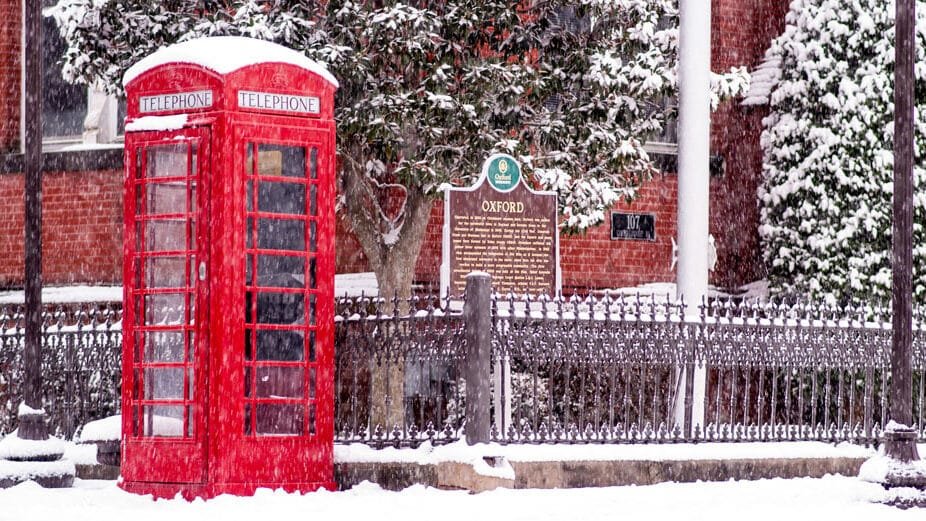
Mississippi does not do snow often, but when it does, Oxford in the northern hill country gets the most. The town averages about three inches per year, with occasional storms dropping enough to close Ole Miss and turn the courthouse square into a snowball fight arena.
William Faulkner’s Rowan Oak estate looks haunting and gorgeous under rare accumulation. The cedar-lined drive and antebellum columns take on a character that Faulkner himself would have appreciated, and literature students sometimes skip class just to walk the grounds in the snow.
Oxford treats snow days like unofficial holidays. Square Books stays open for browsing, restaurants fire up their fireplaces, and the entire town moves at a pace that Mississippians find perfectly natural but that northerners would call suspiciously relaxed. Snow in Oxford is an event, not a season, and the town savors every hour of it.
Hermann, Missouri
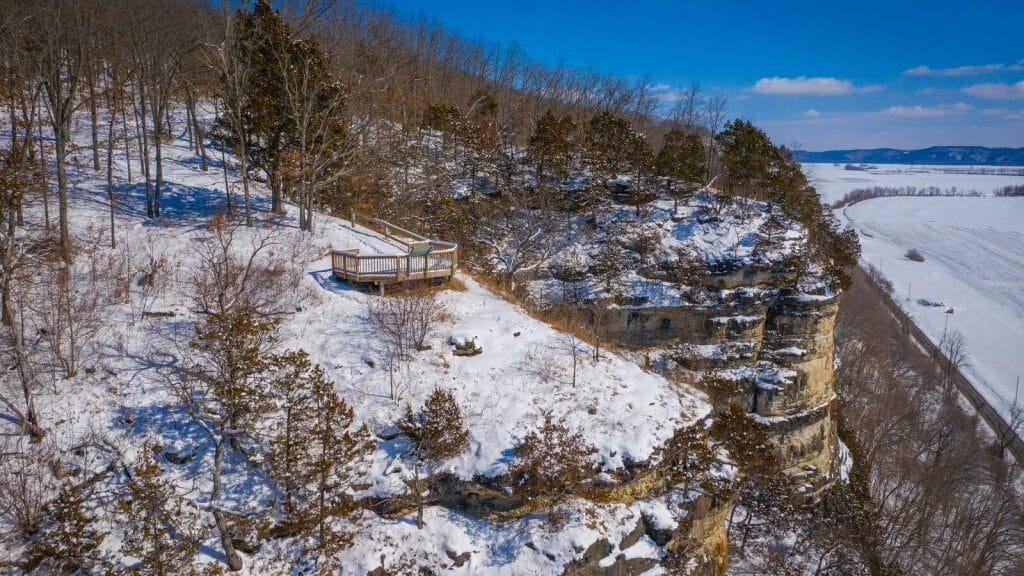
The Missouri River valley catches enough winter weather to give Hermann about 20 inches of snow per year. The German-heritage town, known for its wineries and brick architecture, transforms during winter into something that looks more like the Rhine Valley than the Midwest.
Snow drapes the vineyards on the surrounding hills and lines the half-timbered buildings along Gutenberg Street. The wineries stay open through winter, and tasting rooms warmed by fireplaces become gathering spots where locals and weekend visitors share bottles and storm stories.
The Katy Trail, which runs through town along the old railroad grade, becomes a quiet hiking path when snow discourages the summer cyclists. Hermann has figured out that winter wine tourism works beautifully when you pair a good Chambourcin with a view of snow-covered bluffs. The town never fights the season. It pours another glass and watches it come down.
Philipsburg, Montana
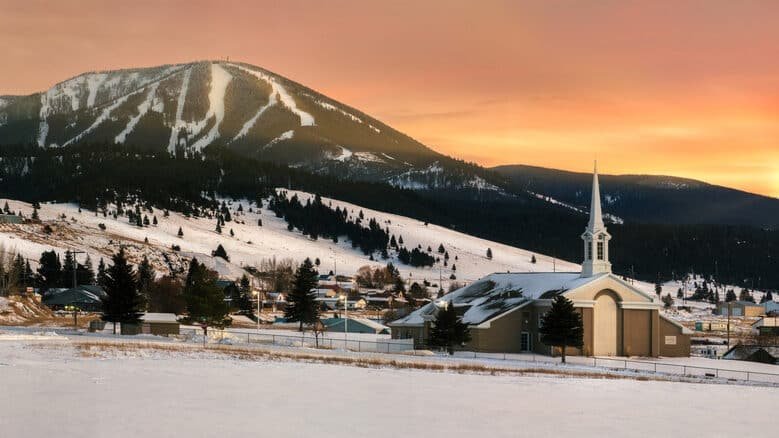
Surrounded by mountains that catch Pacific moisture and convert it to snow, Philipsburg averages over 60 inches per year. The town sits in the Flint Creek Valley at 5,200 feet, and winter settles in early and stays late. By November, the false-front buildings on Broadway Street are frosted with snow that stays until April.
The sapphire mines that put Philipsburg on the map shut down for winter, but the town keeps moving. The Sweet Palace candy store stays warm and busy, the brewery pours dark winter ales, and the cross-country ski trails outside town fill with tracks that weave through ponderosa pine forests.
Ranchers in the surrounding valley check cattle through deep snow, a daily chore that connects modern Philipsburg to the same rhythms that defined the town when it was a mining camp. The snow here is not a novelty. It is infrastructure, providing water for the ranches and rivers that sustain the valley through the dry summer months.
Valentine, Nebraska
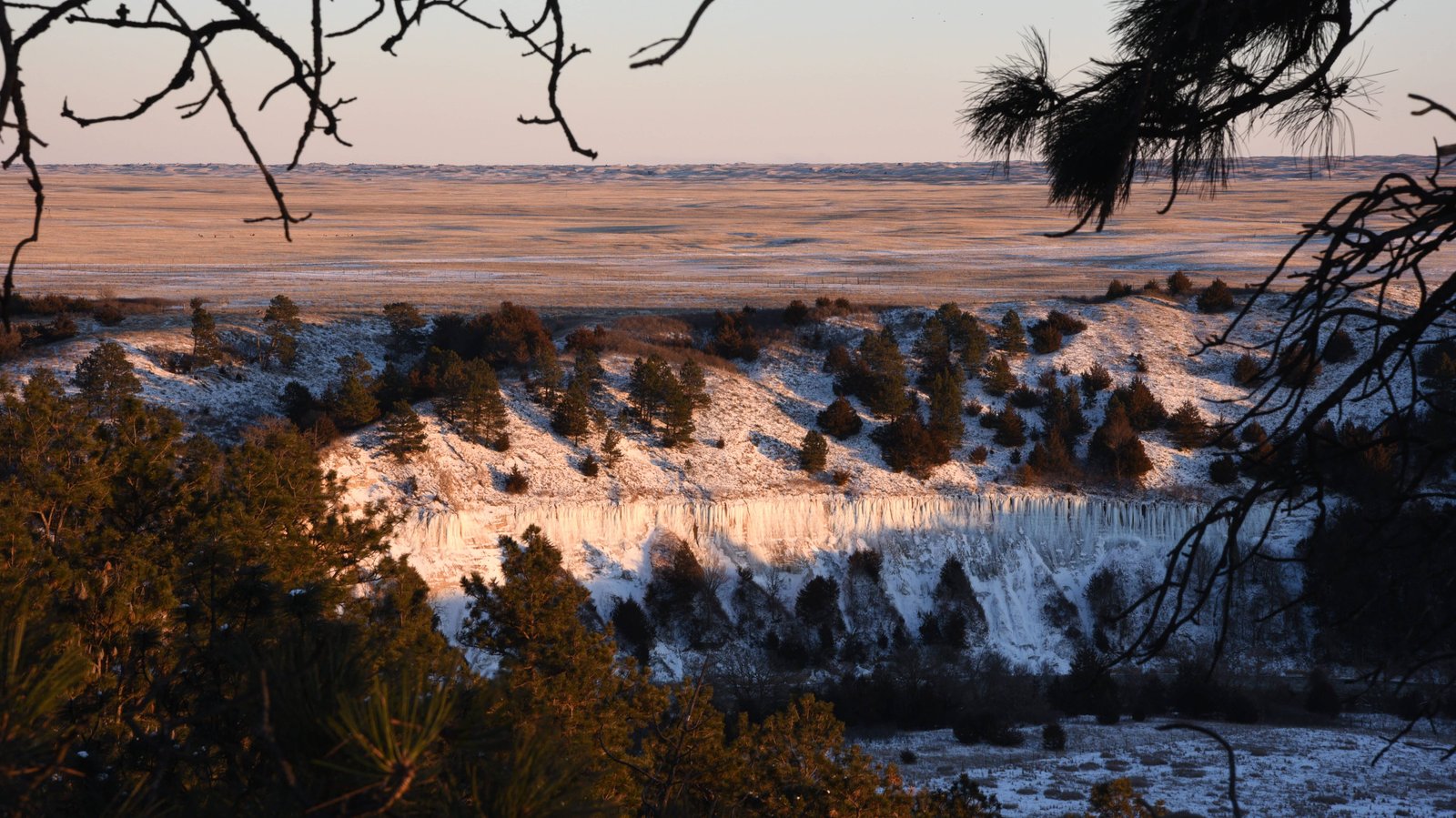
The Sandhills of north-central Nebraska catch more snow than the flat agricultural land to the east, and Valentine sits at the edge of this unique landscape. The town averages about 35 inches per year, with Plains blizzards that can dump two feet in a single event and drift it ten feet deep against buildings and fences.
Valentine is famous for its name, drawing thousands of Valentine’s Day cards to its post office for a special postmark each February. But the real winter character of the town shows during the blizzards that isolate ranches for days and require National Guard convoys to deliver hay to stranded cattle.
The Niobrara River valley, just south of town, creates a sheltered corridor where snow lingers in the canyons long after the hilltops have melted clear. Locals snowshoe along the river and ice fish in spots where summer brings tubers and kayakers. Valentine proves that the Plains have a winter personality that is fierce, beautiful, and deeply underestimated.
Lamoille, Nevada
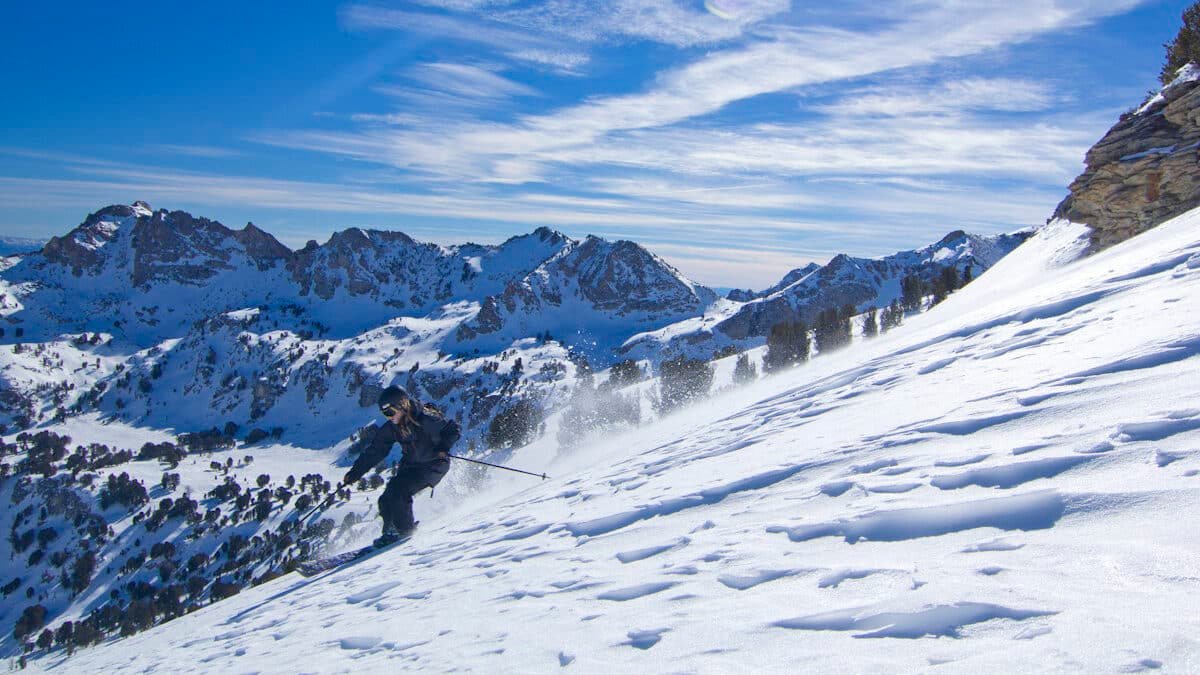
Nevada means desert to most Americans, but the Ruby Mountains above Lamoille catch over 200 inches of snow per year. This tiny community at the base of Lamoille Canyon sits at 5,900 feet and serves as the gateway to backcountry skiing that rivals anything in Utah or Colorado, without the crowds or the lift tickets.
The Ruby Crest Trail, a summer hiking destination, becomes an expert-level ski touring route in winter. Avalanche awareness is essential, and the handful of residents in Lamoille who ski the Rubies treat the mountains with serious respect.
The canyon road closes in winter, turning Lamoille into a quiet dead end surrounded by peaks that hold snow into June. Ranching is the primary economy, and feeding cattle through deep snow is the defining winter chore. Lamoille is proof that Nevada has a snowy side that almost nobody talks about, and the people who live here prefer to keep it that way.
Pittsburg, New Hampshire
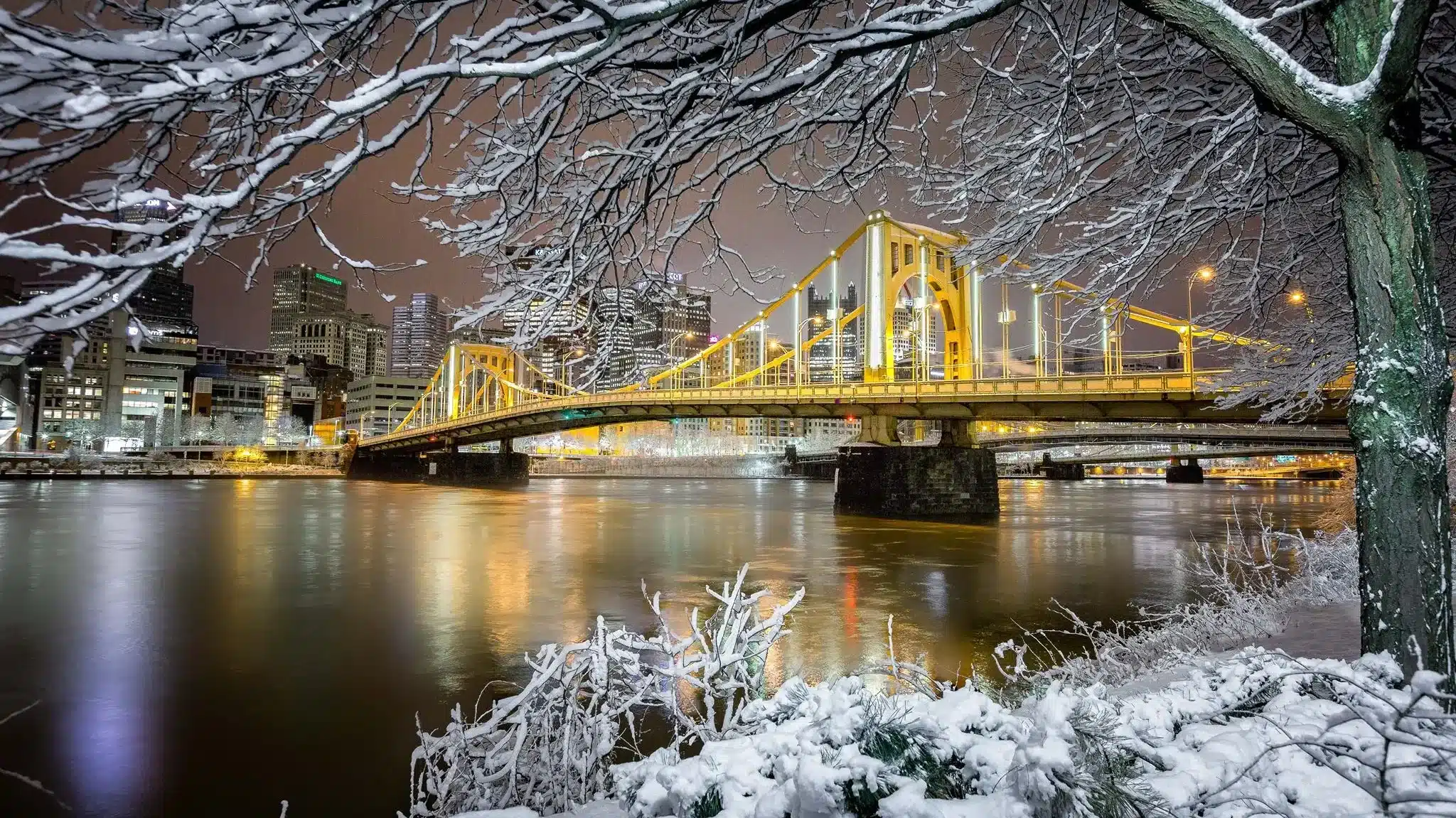
New Hampshire’s northernmost town sits against the Canadian border and averages over 100 inches of snow per year. Pittsburg is enormous in land area but tiny in population, with about 800 residents spread across a territory larger than many counties. The Connecticut Lakes region within town boundaries is a snowmobile destination that draws riders from across New England.
Trails connect Pittsburg to a vast network that extends into Vermont, Maine, and Quebec, making it a hub for winter touring. The local economy depends on snowmobile traffic the way beach towns depend on summer tourists. Gas stations, restaurants, and lodges gear their entire year around the snow months.
Moose outnumber people in Pittsburg, and winter makes both species tougher. Temperatures regularly drop below minus 20, and the wind across the lakes adds a bite that justifies every layer. Pittsburg is as far north as you can go in New Hampshire, and the snow proves it every single winter.
Stanhope, New Jersey
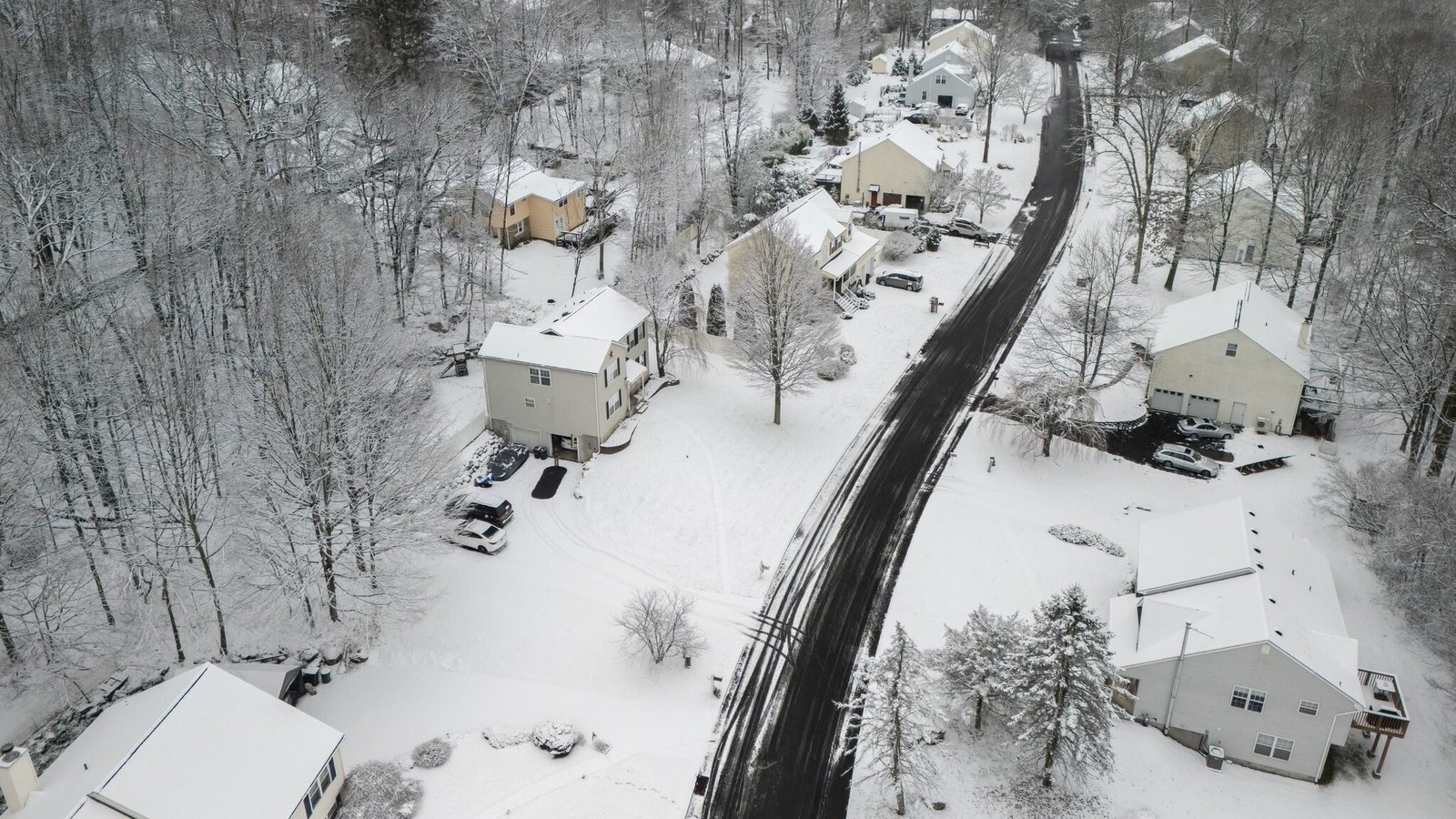
The Skylands region of northwest New Jersey catches more snow than anywhere else in the state, and Stanhope sits in the heart of it. The town averages about 50 inches per year, boosted by elevation and terrain that wrings extra moisture from nor’easters tracking up the coast.
Lake Musconetcong freezes in winter, and the surrounding hills hold snow long after the coastal towns have melted clean. Stanhope’s lakeside setting gives the town a mountain-village quality that surprises people who think of New Jersey as nothing but turnpikes and strip malls.
The International Trade Zone nearby keeps the economy diverse, but winter defines the town’s character. Locals ice skate on the lake, snowshoe through the Allamuchy Mountain State Park trails, and treat nor’easters as an excuse to stay home with a fire and a good view. Stanhope is New Jersey’s snow pocket, and residents wear that distinction proudly.
Red River, New Mexico
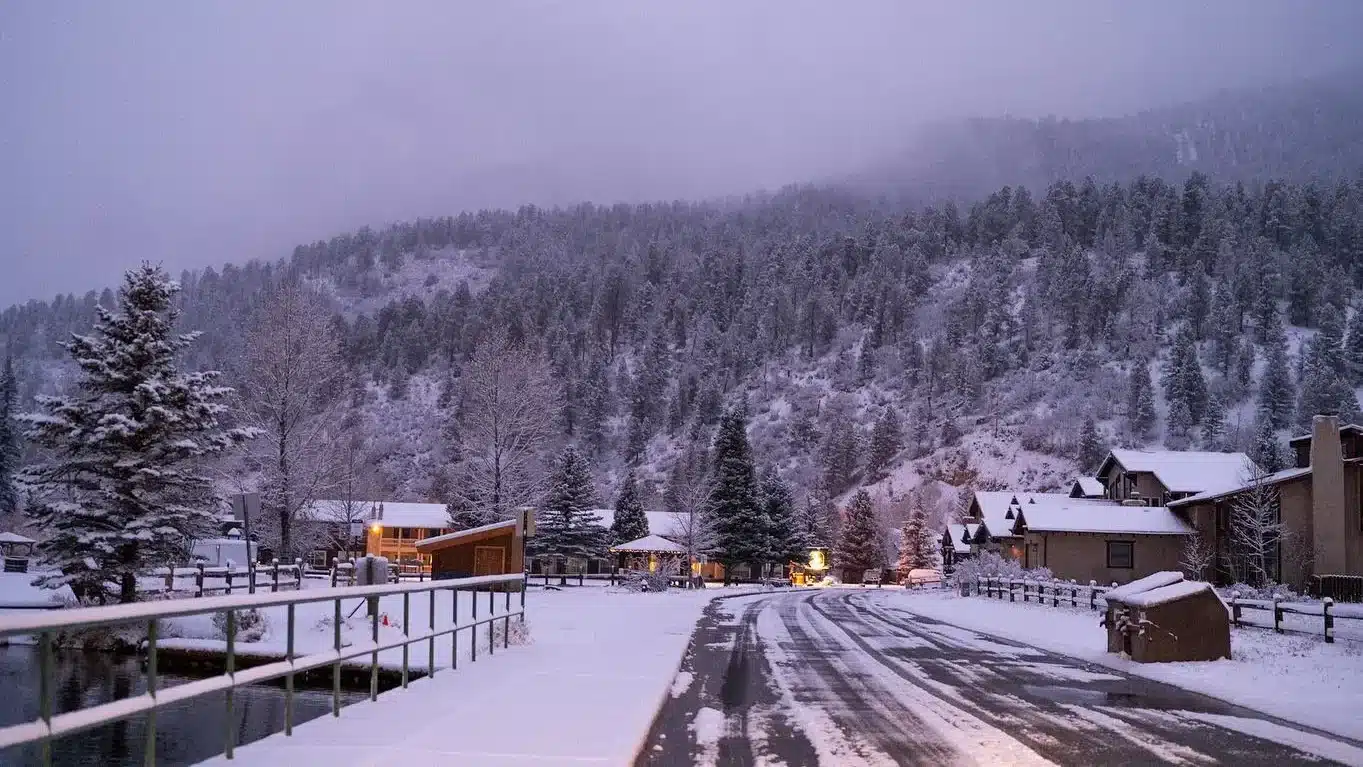
Sitting at 8,700 feet in the Sangre de Cristo Mountains, Red River averages over 200 inches of snow per year. The old mining town reinvented itself as a ski village, and the snow that once made life difficult for prospectors now supports an entire winter economy.
The ski area operates on the slopes above town, and Main Street fills with visitors during powder weeks. But the year-round residents, numbering about 500, are the ones who keep the town running through the long months when the access road can close and the power sometimes fails.
Red River sits in a narrow canyon that traps cold air and holds snow deep into spring. The Enchanted Circle scenic drive, which loops through the surrounding mountains, becomes a snow-corridor adventure during winter. Red River chose to build its future around snow, and the gamble has paid off for decades.
Lake Placid, New York
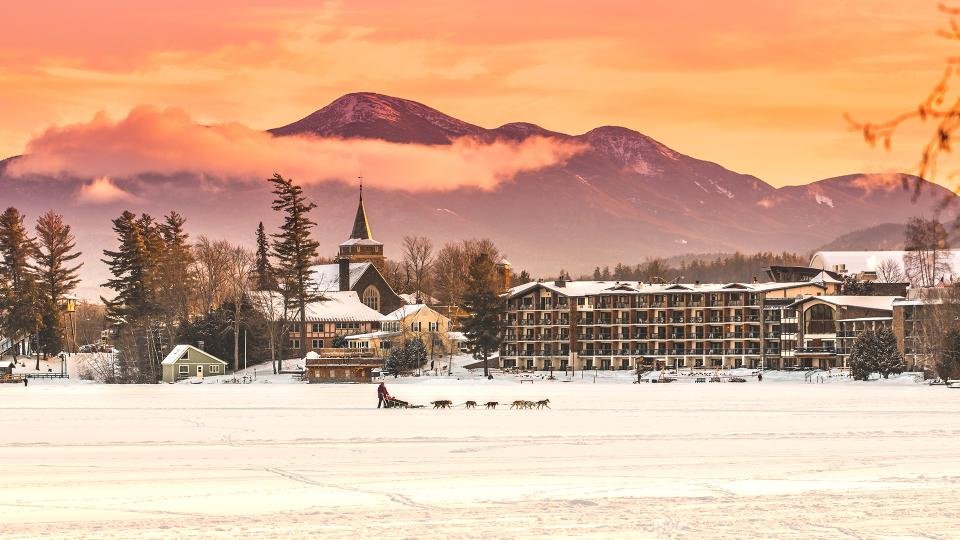
Two Winter Olympics have been held in Lake Placid, and the snow is the reason. The town averages over 100 inches per year, with the Adirondack Mountains providing elevation and moisture that keep accumulation reliable from November through April. Mirror Lake in the center of town freezes solid, becoming a skating rink and speed-skating oval that locals use daily.
The Olympic facilities remain active, hosting training camps and competitions that keep the town connected to its athletic heritage. But everyday life in Lake Placid is defined by snow in simpler ways: shoveling the walk, warming up the car, and checking the weather before heading to the grocery store on roads that stay packed and icy for months.
Summer brings hikers chasing the Adirondack High Peaks. Winter brings skiers, snowshoers, and families who come for the village atmosphere that heavy snow creates. Lake Placid has proven twice on the world stage that it knows how to handle winter, and the locals demonstrate it quietly every single day.
Banner Elk, North Carolina
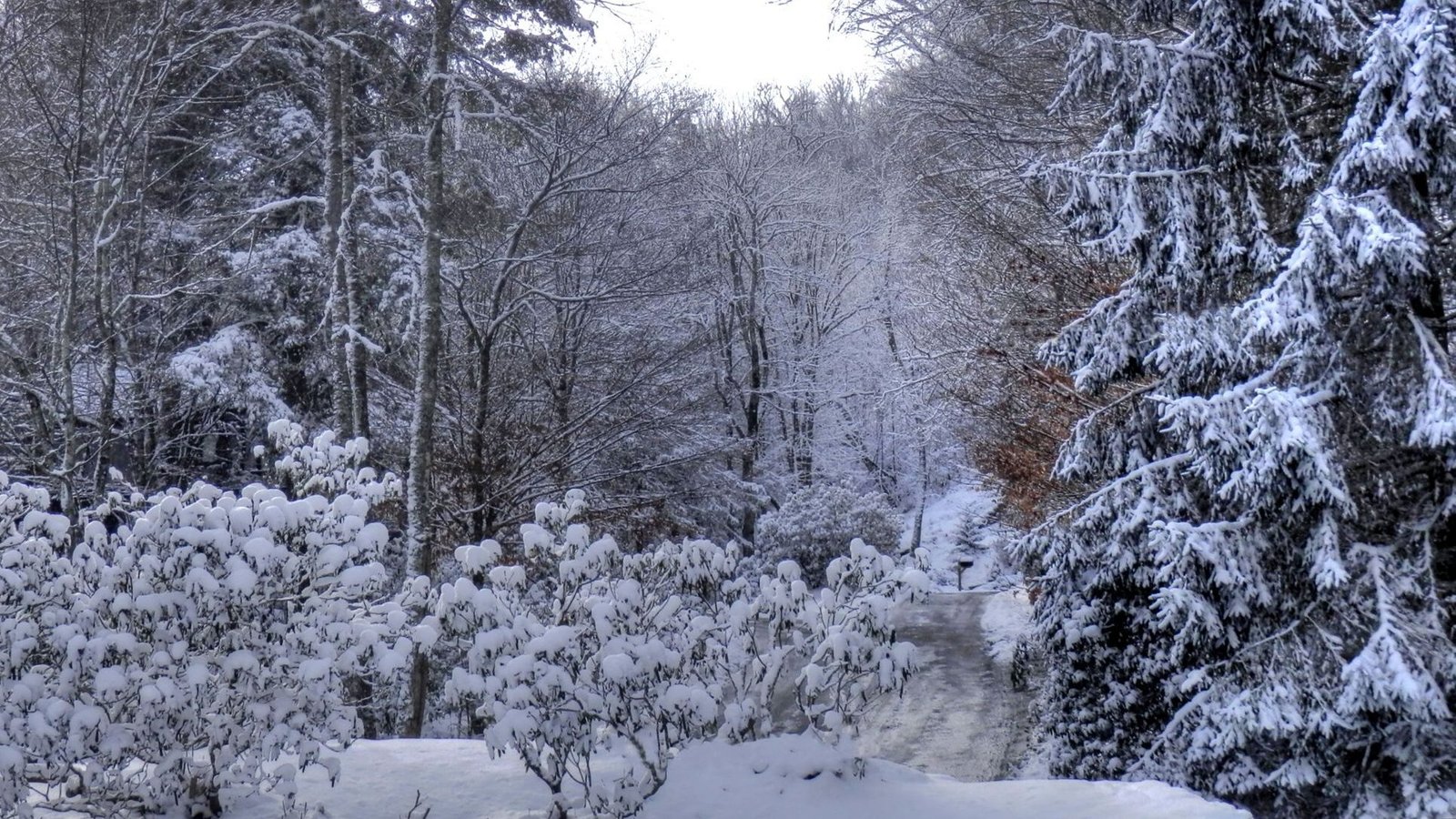
The High Country of western North Carolina gets snow that the rest of the state finds hard to believe. Banner Elk, sitting at 3,700 feet near the Tennessee border, averages about 40 inches per year, with storms that occasionally dump over a foot in a single event. Grandfather Mountain and the surrounding peaks create lift that squeezes extra moisture from passing systems.
Sugar Mountain and Beech Mountain ski resorts operate just outside town, giving Banner Elk a winter tourism economy that supports the community through months when the rest of North Carolina is wearing light jackets.
The town looks like New England dropped into the Southern Appalachians. Snow covers stone walls, coats hemlock branches, and softens the mountain roads into quiet white corridors. Locals love telling visitors from Raleigh and Charlotte that they need real winter boots up here, not the decorative ones that work fine at lower elevations.
Medora, North Dakota
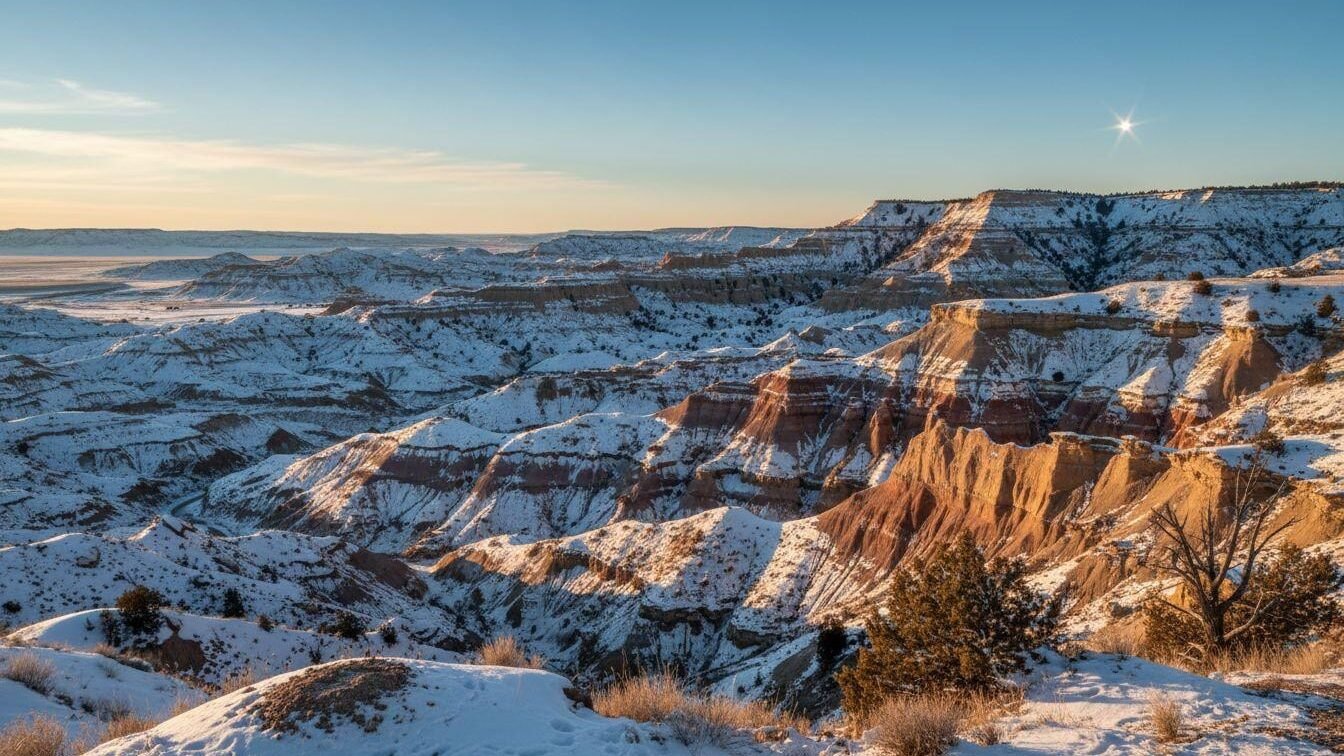
The Badlands of western North Dakota get blasted by winter with a ferocity that matches the landscape. Medora averages about 35 inches of snow per year, but the wind does more damage than the accumulation. Ground blizzards whip existing snow into walls of white that close Interstate 94 and strand travelers for days.
Theodore Roosevelt National Park, which flanks the town on both sides, transforms into a snow-covered wilderness where bison wade through drifts and wild horses huddle against buttes for shelter. The park roads close in winter, but snowshoers and cross-country skiers have the painted canyons to themselves.
Medora’s summer population of thousands shrinks to a handful of year-round residents who keep the town running through winter. The musical theater and tourist shops close, but the ranches keep operating. Cowboys check fences in minus 30 wind chill, and the sky stretches wider in winter than it does in any other season.
Hocking Hills, Ohio
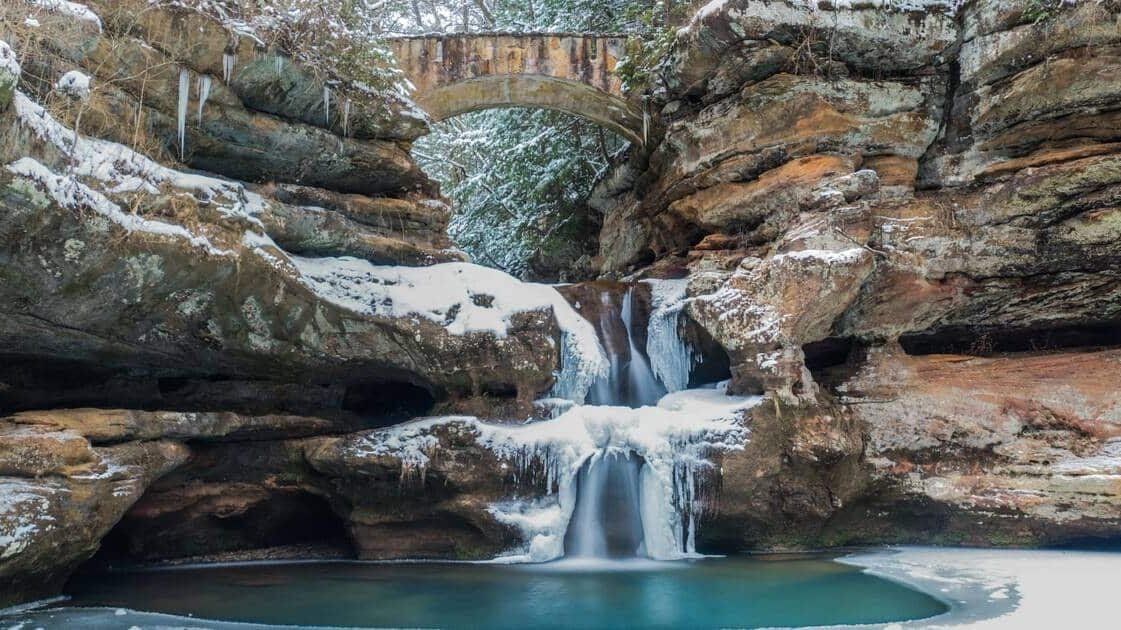
The Hocking Hills region of southeast Ohio gets more snow than the flat farmland to the west, with the area around Old Man’s Cave averaging about 30 inches per year. The sandstone gorges and waterfalls that draw summer hikers become ice-covered wonderlands during winter, with frozen cascades that attract photographers from across the Midwest.
Ash Cave, Cedar Falls, and Old Man’s Cave all develop massive icicle formations that hang from the rock overhangs like natural chandeliers. The hiking trails stay open year round, and the winter crowd tends to be locals who know the gorges look their most dramatic when dressed in ice.
Cabins in the surrounding forest rent year round, and winter weekends fill with couples seeking hot tubs and fireplace evenings after cold hikes through the gorges. Hocking Hills proves that Ohio has wild terrain and genuine winter beauty hiding in its southeast corner.
Boise City, Oklahoma
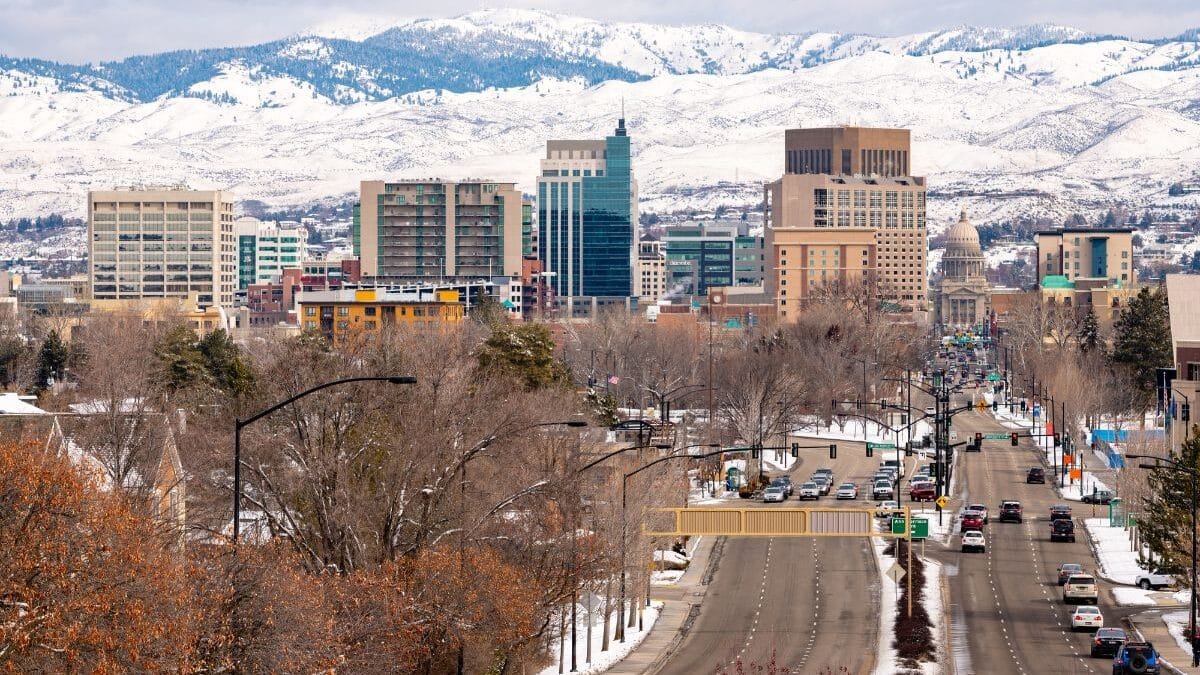
The Oklahoma panhandle gets hammered by Plains blizzards that most people associate with Kansas and Colorado. Boise City averages about 20 inches of snow per year, but individual storms can deliver that much in a single event when slow-moving systems stall over the high plains.
The town sits at 4,200 feet, higher than most of Oklahoma, which means colder temperatures and more frequent snowfall than the rest of the state. Wind is the multiplier. Snow rarely sits still here. It drifts across the flat landscape, filling ditches, burying fence lines, and closing the two-lane highways that connect the panhandle to everywhere else.
Boise City made accidental history when it was bombed during a World War II training exercise, but the locals will tell you that winter storms do more damage than any bomber ever did. Ranching here requires a willingness to work in conditions that most Americans would consider dangerous.
Government Camp, Oregon
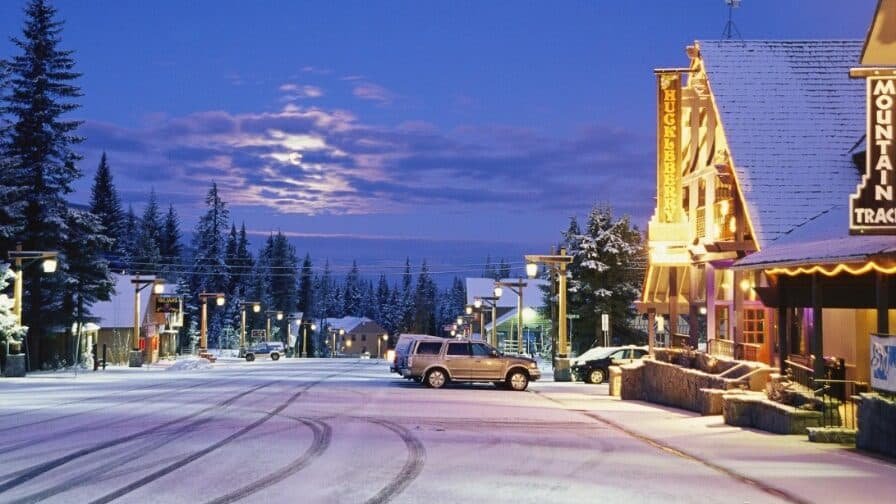
Sitting at 3,900 feet on the south slope of Mount Hood, Government Camp averages over 300 inches of snow per year. The town essentially exists because of snow, with Timberline Lodge and the surrounding ski areas providing the economic foundation for a community of about 200 year-round residents.
Timberline is one of the few ski areas in North America that operates year round, with a Palmer Snowfield that holds enough snow for summer skiing. The highway through town, US 26, is one of the most frequently chain-restricted routes in Oregon during winter months.
Government Camp’s residents live with snow the way coastal residents live with salt air. It gets into everything, requires constant management, and defines every decision from roof pitch to commute time. But the trade-off is living at the base of a volcano with world-class skiing out the back door, and most people here consider that deal more than fair.
Canadensis, Pennsylvania
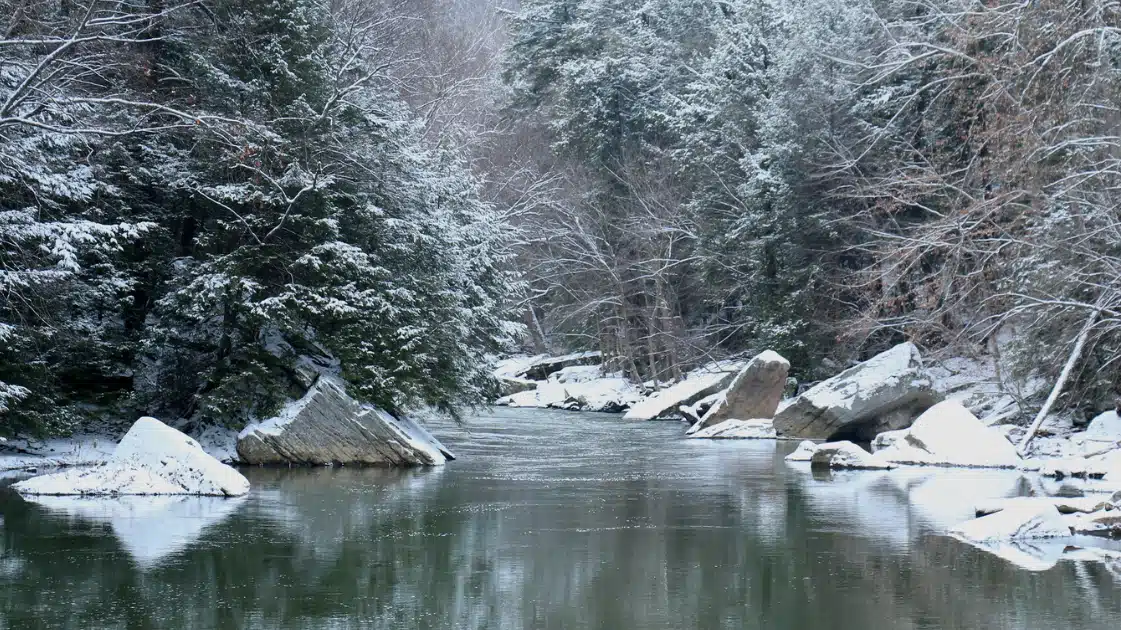
The Pocono Mountains catch lake-effect moisture from the Great Lakes and orographic lift from the Appalachian terrain, piling snow onto communities like Canadensis at rates that surprise people who think of Pennsylvania as a mid-Atlantic state. The town averages about 50 inches per year, with some winters producing significantly more.
The surrounding forests of hemlock and birch look spectacular under heavy snow, and the waterfalls that dot the region freeze into sculptural ice formations. Bushkill Falls, often called the “Niagara of Pennsylvania,” develops ice walls that make winter visits worth the cold hands.
Ski resorts, tubing hills, and snowmobile trails give the area a winter recreation economy that keeps the community active through the cold months. Canadensis is close enough to New York City and Philadelphia to draw weekend visitors but remote enough to feel like genuine mountain country when the snow starts falling.
Foster, Rhode Island
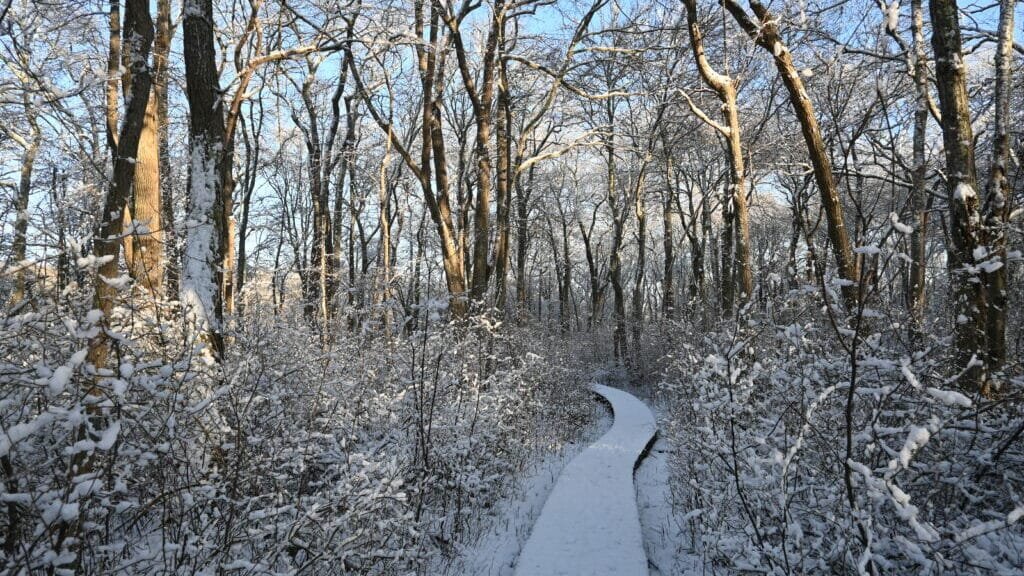
Western Rhode Island sits higher and colder than the coastal areas, and Foster catches more snow than any other town in the state. The town averages about 55 inches per year, with nor’easters sometimes delivering two-foot storms that bury the rural roads and stone walls.
Foster is deeply rural for Rhode Island, with working farms and forests that stretch across rolling terrain. The town’s population is small, and the winter landscape has a quiet emptiness that feels more like Vermont than the nation’s smallest state.
Locals heat with wood, keep plows on their trucks, and treat heavy snow as a normal part of the annual rhythm. Foster does not have the ski resorts or winter tourism of New England’s bigger snow towns, but that is part of the appeal. The snow falls, the town handles it, and life continues at a pace that values self-reliance over spectacle.
Caesars Head, South Carolina
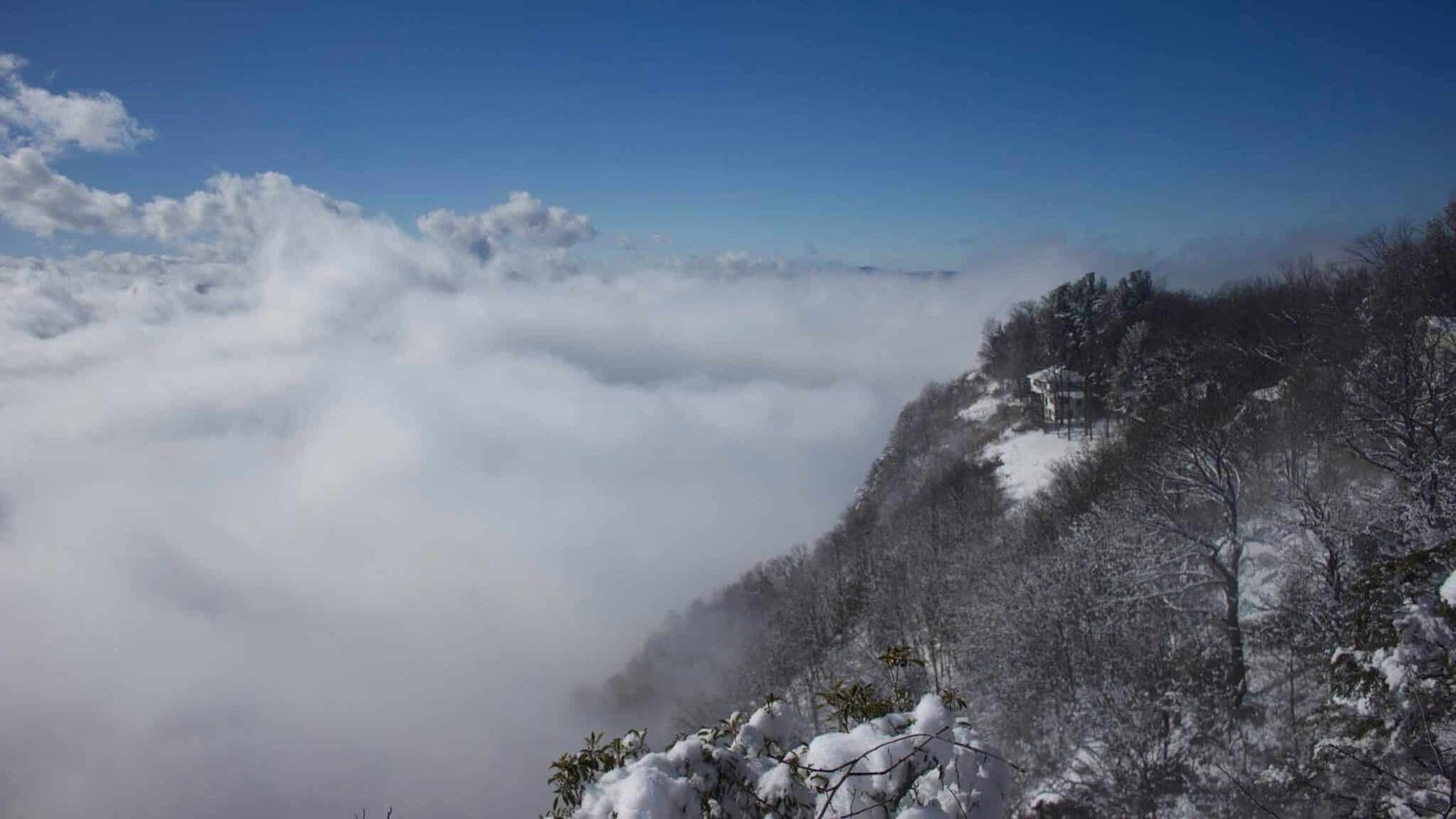
The Blue Ridge escarpment in the far northwest corner of South Carolina catches snow that the rest of the state cannot fathom. Caesars Head, sitting above 3,200 feet, averages about eight inches per year, with occasional storms delivering genuine accumulation that transforms the mountain overlooks into scenes more associated with Virginia than the Palmetto State.
The state park at Caesars Head offers winter views that stretch across the piedmont, and when snow dusts the rocky outcrop, the panorama takes on a rare beauty. Raven Cliff Falls, accessible by trail from the park, develops ice formations during cold snaps that draw hikers willing to brave the conditions.
South Carolina’s upcountry residents wear their mountain identity with quiet pride. They own actual winter coats, keep salt in the garage, and enjoy telling coastal friends that they had to scrape ice off their windshield this morning. Caesars Head is the roof of a state that most people think of as permanently warm.
Lead, South Dakota
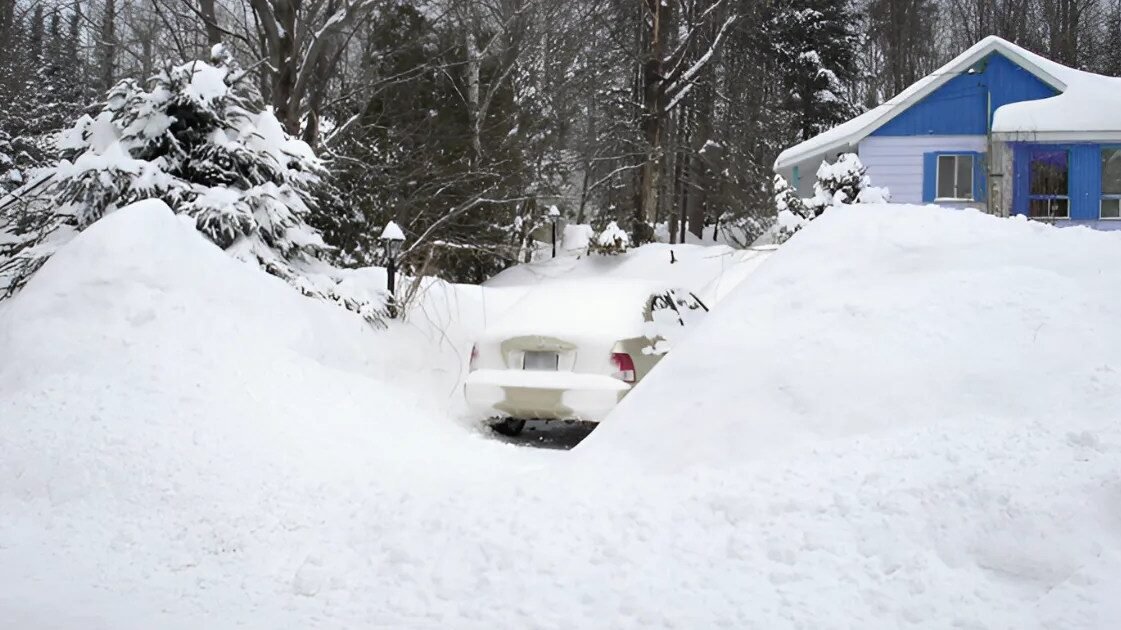
Lead was a gold mining town, and the Homestake Mine operated here for over a century. Today the mine shafts house a physics laboratory deep underground, but the surface still deals with the same snow that miners cursed for generations. The steep terrain of the town means snow removal is a constant battle of gravity and logistics.
Terry Peak ski area operates nearby, giving Lead a winter recreation option that the mining economy never provided. Locals shovel with the resigned efficiency of people who know another storm is always a few days away, and the town’s hilly streets test every driver’s winter skills on a daily basis.
Gatlinburg, Tennessee
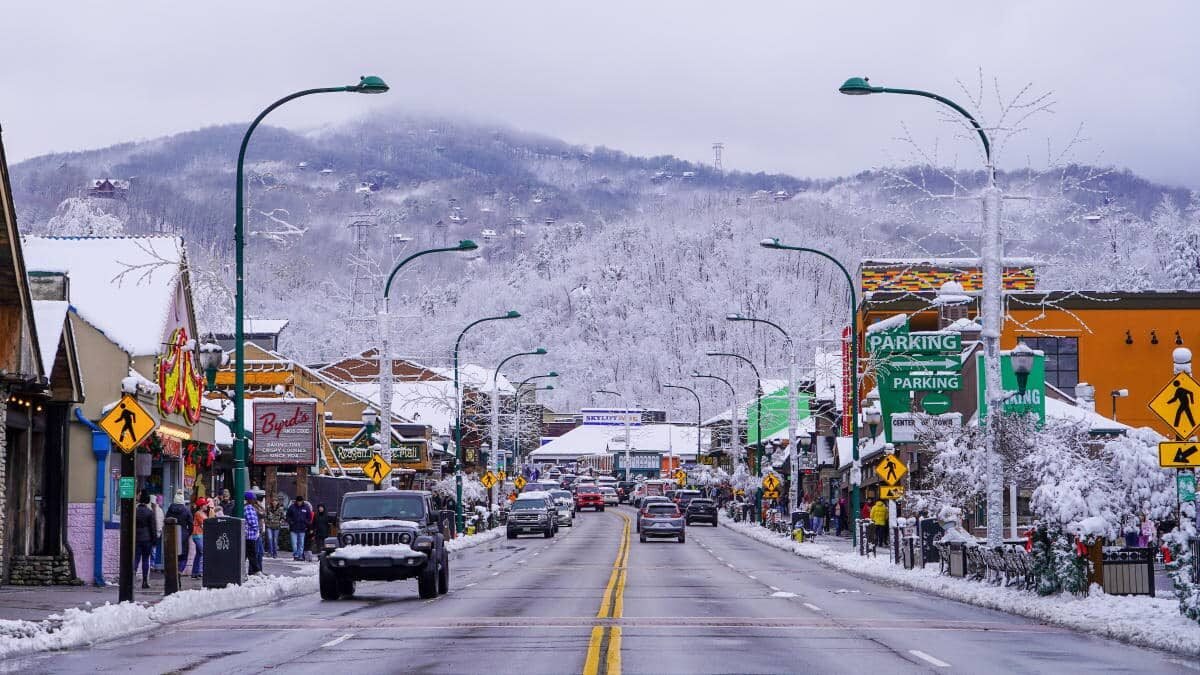
The Great Smoky Mountains squeeze moisture from Gulf air masses and convert it to snow at higher elevations. Gatlinburg, sitting at 1,300 feet at the base of the mountains, averages about 10 inches per year, but the peaks above town get significantly more. Clingmans Dome, the highest point in Tennessee, can see over 60 inches annually.
Snow in Gatlinburg transforms the tourist town into something quieter and more beautiful than its neon-lit summer personality. The Roaring Fork Motor Nature Trail and Elkmont area take on a peaceful quality when dusted with white, and the crowds that pack the strip in summer thin to a fraction.
Locals welcome winter snow because it brings a different kind of visitor. The cabins with hot tubs and mountain views rent year round, and a fresh snowfall in the Smokies drives weekend bookings from Nashville, Knoxville, and Atlanta. Gatlinburg discovered that snow is good for business and even better for reminding everyone that these mountains have a winter side worth seeing.
Amarillo, Texas
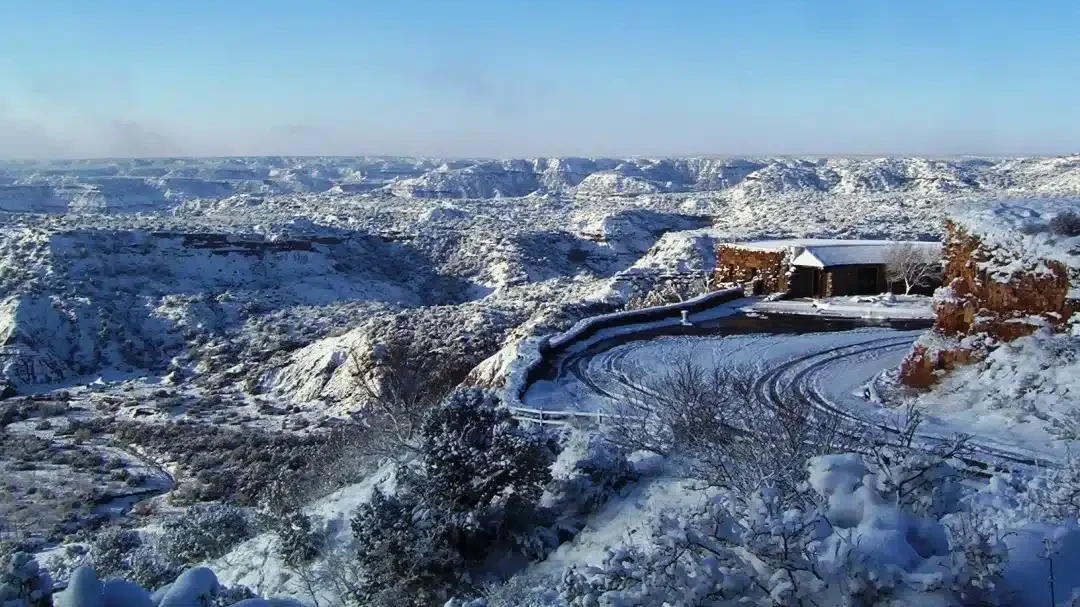
The Texas Panhandle defies every stereotype about the Lone Star State. Amarillo averages about 18 inches of snow per year, with blizzards that shut down Interstate 40 and strand truckers at the Big Texan Steak Ranch for days. The flat terrain and high elevation at 3,600 feet create perfect conditions for Plains snowstorms that move fast and hit hard.
Wind is what makes Amarillo’s snow dangerous rather than picturesque. Drifts pile against buildings and across roads within hours of a storm’s arrival, and visibility can drop to zero during ground blizzards that move existing snow horizontally faster than new snow falls vertically.
Cattle ranchers in the surrounding area have lost herds to blizzards, and the history of the Panhandle is written in stories of winter survival as much as oil booms and dust bowls. Amarillo residents keep emergency kits in their vehicles and check the weather before driving to the next town, because in this part of Texas, winter is not a suggestion. It is a serious adversary.
Brian Head, Utah
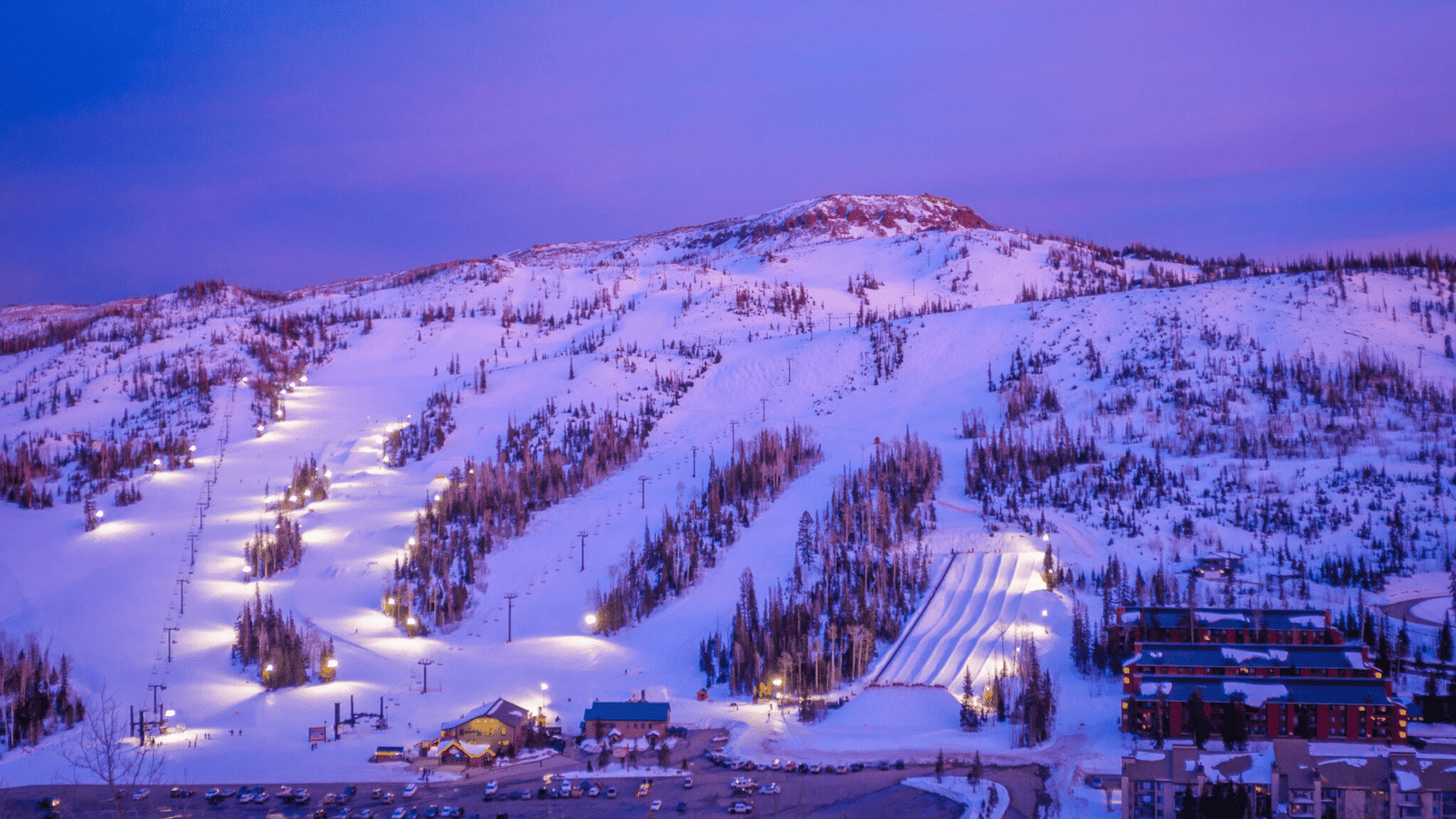
Utah’s highest town sits above 9,800 feet and averages over 400 inches of snow per year. Brian Head Resort operates on the slopes above town, drawing skiers from Las Vegas and St. George who drive up from the desert floor and arrive in a completely different climate within two hours.
The year-round population hovers under 100, which tells you everything about the commitment required to live at this elevation through a Utah winter. Snow buries vehicles, collapses carports, and blocks the access road during major storms. Residents keep shovels and snowshoes by the front door as essential equipment.
The snow that falls at Brian Head is legendary for its dry, light quality, a product of high elevation and cold continental air. Skiers call it “champagne powder,” and the resort markets it aggressively. But the locals who live here year round know that powder days come with a price: isolation, infrastructure challenges, and a winter that starts in October and sometimes lingers into June.
Stowe, Vermont
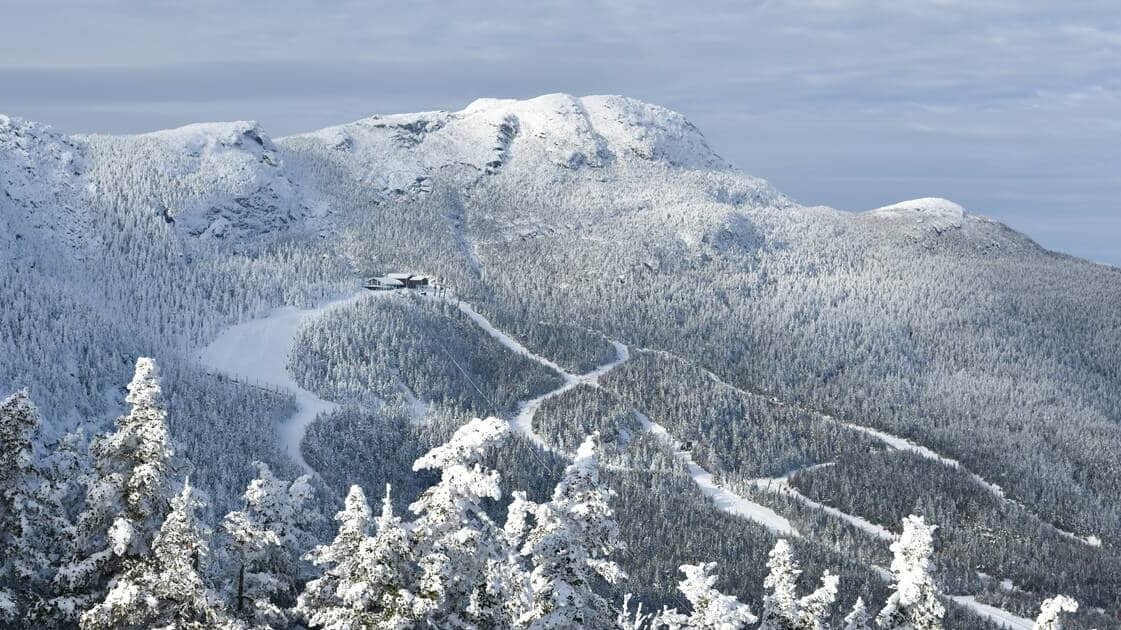
Stowe may be the most famous snow town in the eastern United States. Sitting at the base of Mount Mansfield, Vermont’s highest peak, the town averages about 80 inches of snow per year, with the upper mountain receiving nearly double that. The ski resort has operated since 1937, making it one of the oldest in the country.
The village of Stowe looks exactly like the Vermont postcard people carry in their heads. White steepled church, covered bridge, general store, and mountains in every direction. Snow adds the finishing touch, coating the scene in a white that makes even jaded New Englanders stop and stare.
Year-round residents number about 4,500, and many of them work in the ski industry or the hospitality businesses that support it. Mud season in April is the price of admission, when melting snow turns dirt roads into impassable bogs. But locals accept the mud because they know what comes before it: five months of the best snow in New England, falling on a town that was built to receive it.
Hot Springs, Virginia
The Allegheny Highlands of western Virginia catch more snow than any other part of the state. Hot Springs, home to The Omni Homestead Resort, averages about 35 inches per year, with mountain elevations above town seeing significantly more. The resort has operated a ski area since 1959, making it one of the oldest in the South.
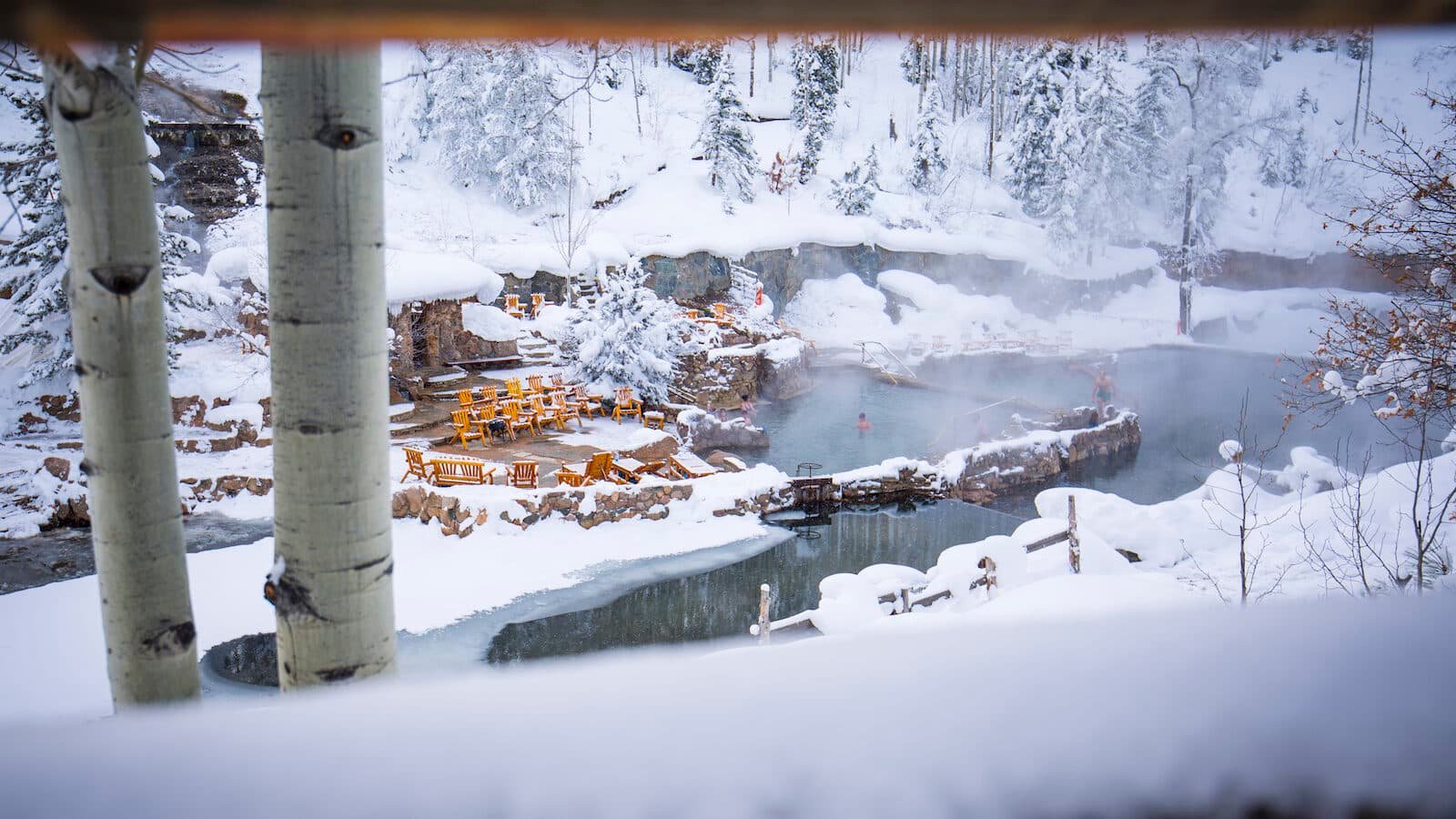
The warm mineral springs that give the town its name steam dramatically during cold weather, creating a visual contrast between the frozen landscape and the naturally heated pools. Soaking in warm spring water while snow falls around you is the signature Hot Springs experience during winter.
The surrounding George Washington National Forest transforms into a winter wonderland that most Virginians never see. Cross-country ski trails follow ridgelines, and the quiet mountain roads become scenic drives through snow-covered forest. Hot Springs proves that Virginia has a genuine winter destination hiding in its western mountains, complete with snow, springs, and a warmth that comes from the ground itself.
Leavenworth, Washington
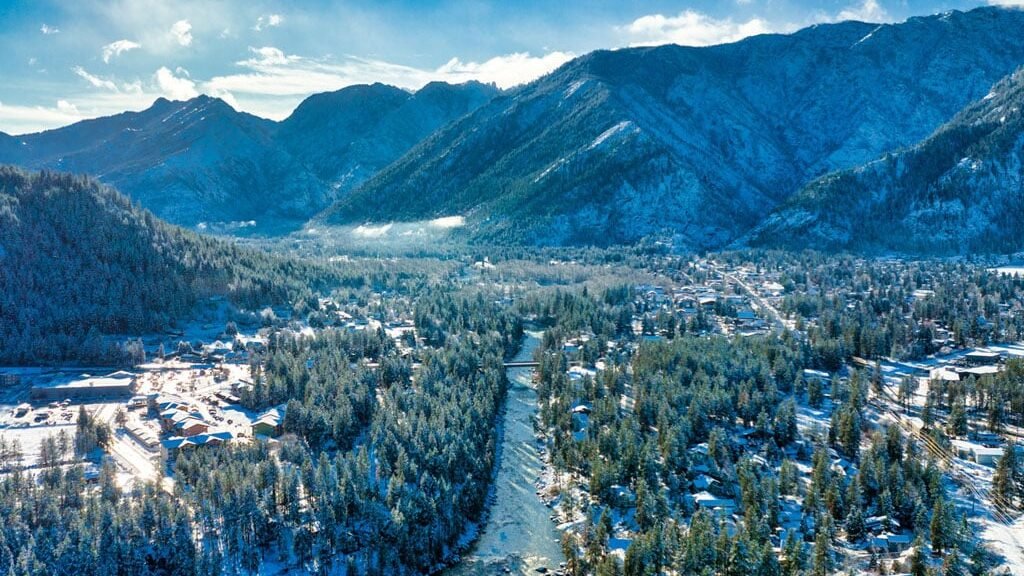
Leavenworth reinvented itself as a Bavarian village in the 1960s, and the snow that buries the town every winter completes the illusion. The town averages over 90 inches per year, with the Cascade Range providing the elevation and moisture that keep accumulation reliable. Half-timbered buildings, festive lights, and snow-covered peaks create a scene that looks imported from the Alps.
The Christmas Lighting Festival draws over a million visitors during the holiday season, and fresh snow during the event turns the town into something almost impossibly charming. Locals dress in Bavarian garb, serve hot cider and bratwurst, and lean into the theme with a sincerity that makes the whole thing work.
Year-round residents number about 2,000, and they deal with the reality behind the fairy tale: snow removal, power outages, and avalanche risk on the highway passes that connect Leavenworth to the rest of the state. Stevens Pass regularly closes during major storms, isolating the town until plows can break through. Leavenworth loves its snow, but it respects the mountains that deliver it.
Snowshoe, West Virginia
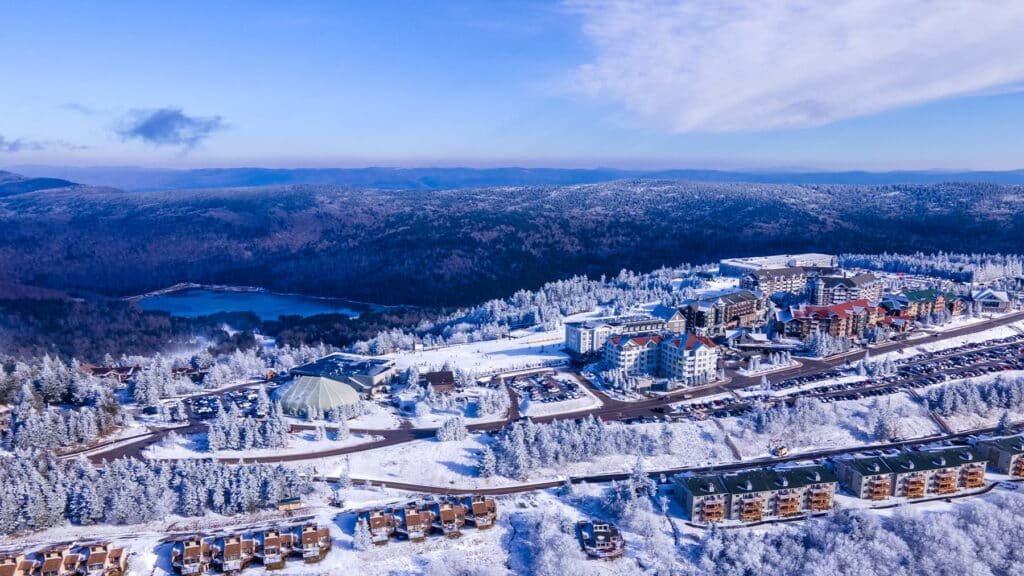
Named for the snowshoe hares that inhabit the surrounding mountains, Snowshoe sits at 4,848 feet and averages about 180 inches of snow per year. The ski resort that shares the town’s name has been operating since 1974, built specifically to take advantage of the reliable snowfall that the Allegheny Mountains produce.
Snowshoe Mountain is the highest point in West Virginia’s ski country, and the elevation means the season stretches from November through April in good years. The village at the summit operates like a small town during ski season, with restaurants, shops, and lodging clustered around the slopes.
Year-round residents are few, but the community that exists here has built its life around the mountain and its weather. Summer brings mountain biking and hiking, but winter is the reason Snowshoe exists. The town is one of the few places in the Southeast where you can experience genuine, deep, reliable winter, and the locals consider that their greatest asset.
Minocqua, Wisconsin
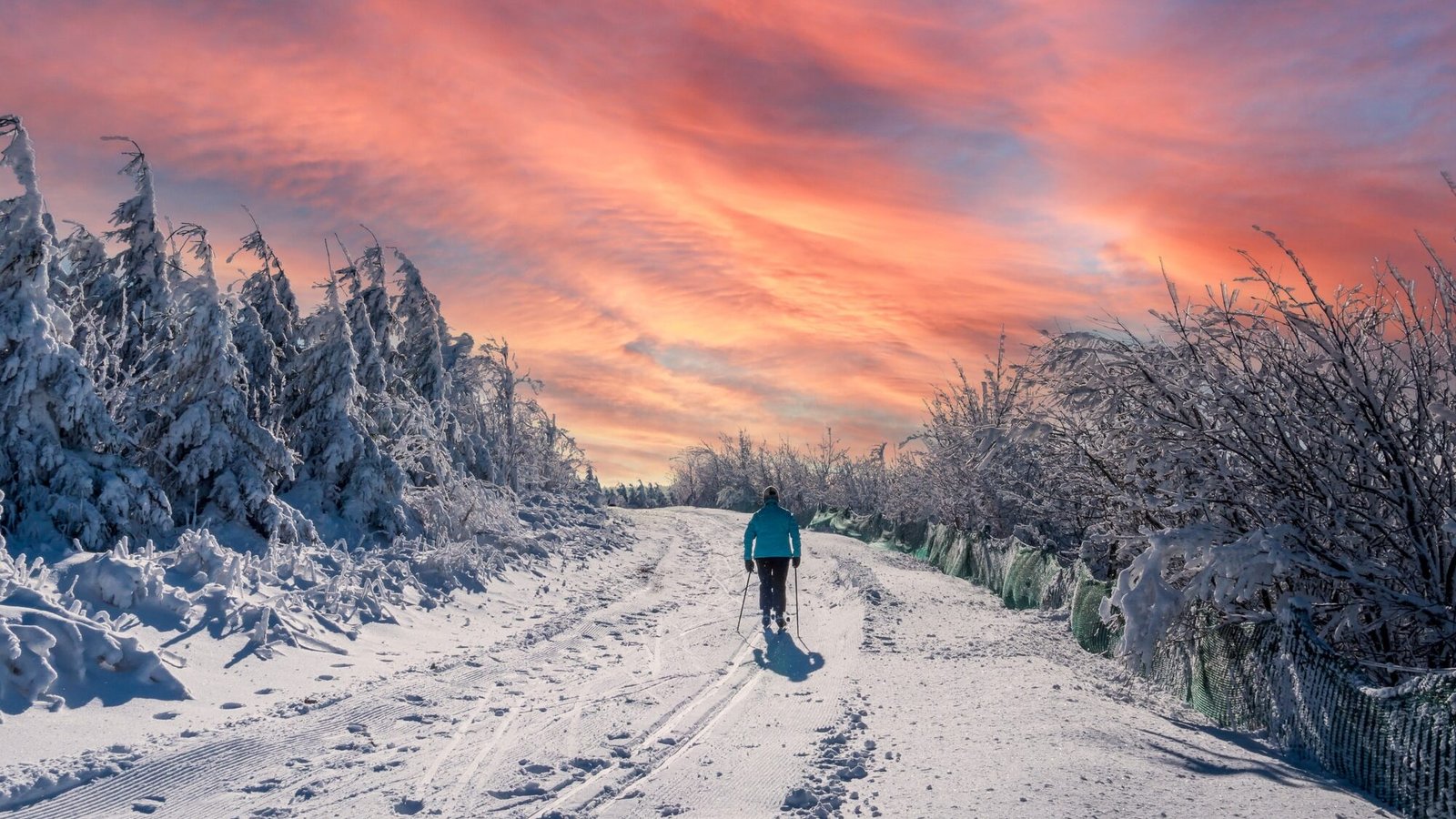
The Northwoods of Wisconsin are snow country by any definition, and Minocqua sits in the heart of it. The town averages about 65 inches per year, with lake-effect moisture from nearby lakes adding extra accumulation to systems that cross the region during winter months.
Minocqua calls itself the “Island City” for the lakes that surround it, and those lakes freeze solid by December. Ice fishing becomes a way of life, with shanty villages appearing on the frozen surfaces that rival some neighborhoods in density. Snowmobile trails connect Minocqua to a network that covers thousands of miles across northern Wisconsin.
The summer tourism economy driven by fishing and boating has a winter counterpart that is equally passionate. Snowmobilers, cross-country skiers, and ice anglers fill the lodges and restaurants that stay open through the cold months. Minocqua thrives in both seasons, but locals will tell you the town has its truest personality when the lakes freeze and the snow turns the forests into a silent, white cathedral.
Jackson, Wyoming
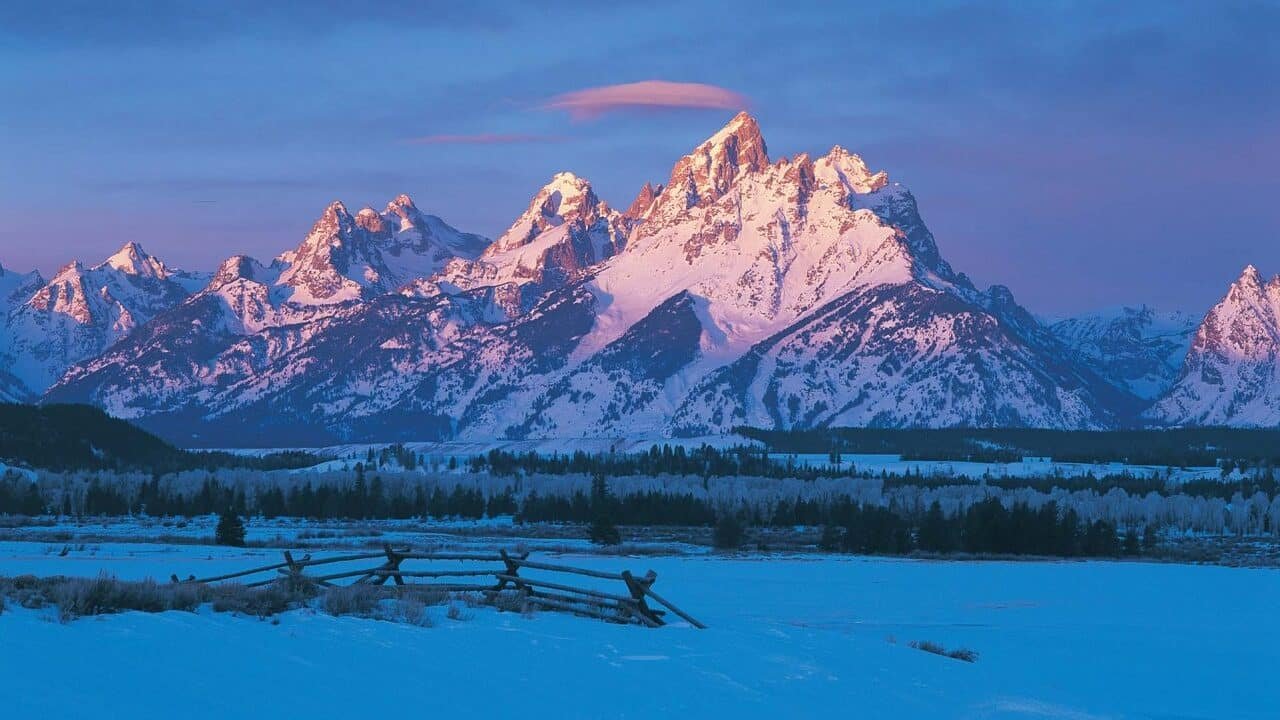
Jackson Hole needs no introduction to skiers, but the town of Jackson itself lives with snow at a level that goes far beyond recreation. Sitting at 6,200 feet in a valley surrounded by the Tetons and the Gros Ventre Range, Jackson averages about 75 inches of snow per year, with the mountains above receiving over 400 inches.
The famous town square with its elk antler arches looks iconic under fresh snow, and the National Elk Refuge just north of town fills with thousands of elk that migrate down from the high country when snow buries their summer range. Feeding operations keep the herd alive through winter, and sleigh rides through the refuge have become a signature local experience.
Living in Jackson through winter requires commitment and resources. Housing costs are among the highest in Wyoming, and the commute from more affordable towns in Idaho means crossing Teton Pass, one of the most avalanche-prone highways in the country. Jackson’s relationship with snow is complicated: it drives the economy, defines the culture, and occasionally shuts down the only roads in and out of town.