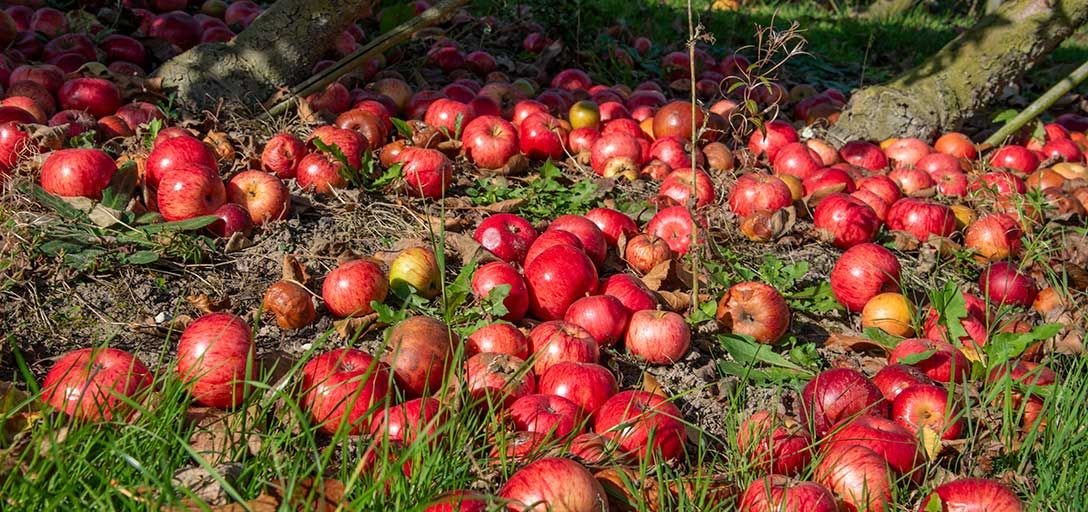
Storms strip bark, snap branches, flood fields, and shake fruit from trees — and in doing so, they set a table for those who know where to look.
From windfall apples to uprooted tubers, the aftermath of heavy weather often exposes wild foods that would otherwise stay hidden or out of reach.
This guide covers twelve categories of storm-delivered edibles, what conditions produce them, and how to identify and use what nature drops.
Windfall Apples and Pears: The Most Obvious Storm Gift
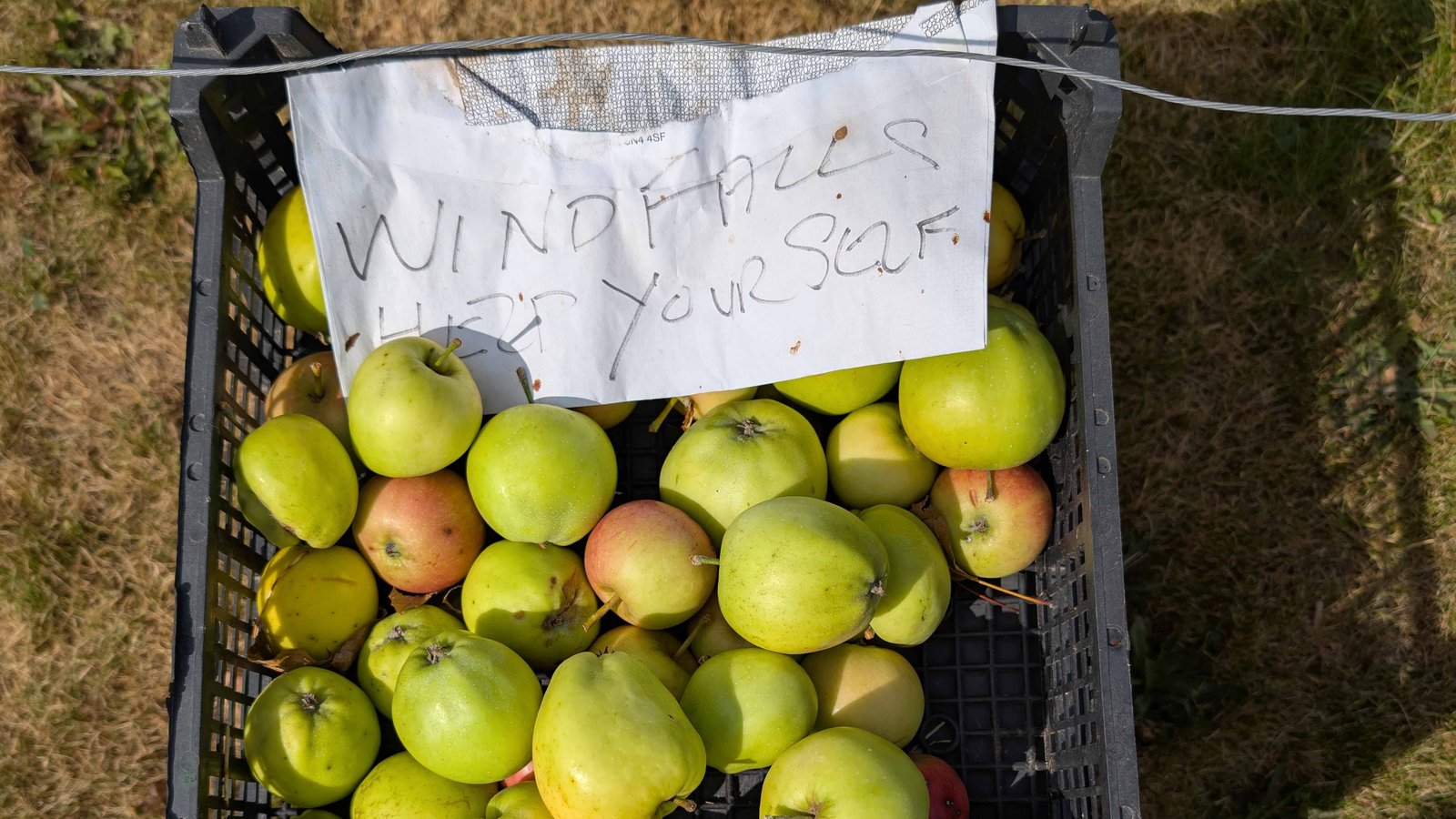
High winds knock ripe and near-ripe apples and pears from trees in large quantities, sometimes stripping an entire tree in one gust.
Windfall fruit is fully legal to collect from public land and is often left untouched by landowners on private property if you ask permission.
Check the flesh for bruising and cut away damaged sections — the rest is perfectly edible and often sweeter than store-bought fruit.
Crab apples, often ignored in calm weather, fall in huge numbers after storms and make excellent jelly, cider, and vinegar.
Wild pear trees grow along fence lines and forest edges across North America and Europe, and storms make their hard fruit accessible.
Collect within 24 hours of a storm to beat insects, birds, and fermentation.
Uprooted Wild Garlic and Alliums
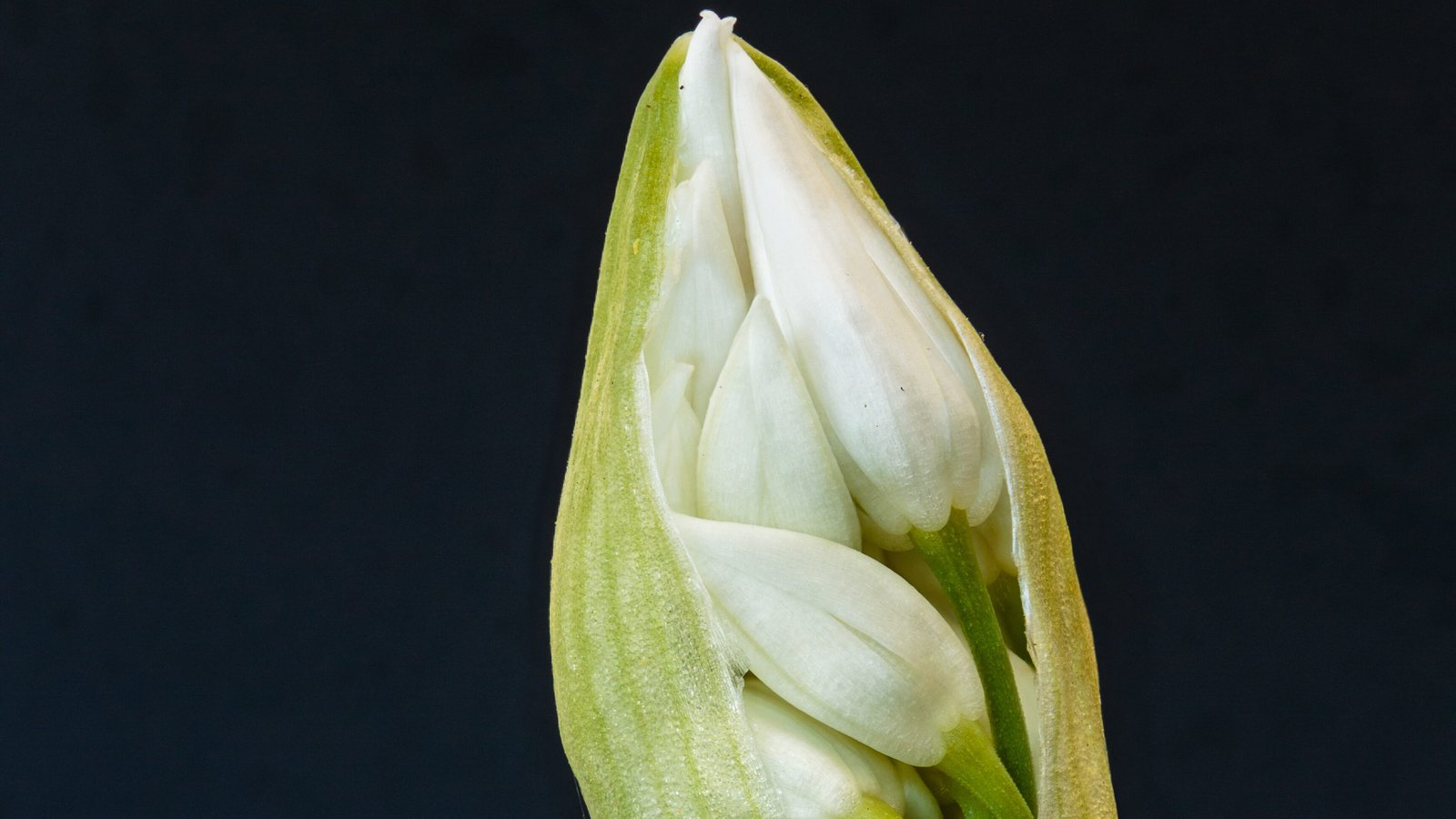
Heavy rain and wind can uproot clumps of wild garlic, exposing bulbs that are normally buried and hard to harvest.
Wild garlic (Allium ursinum) grows in damp woodland and has a strong garlic scent that confirms identification — always smell before eating.
The bulbs, leaves, and flowers are all edible and can be used raw or cooked in the same ways as cultivated garlic.
After a storm, look along stream banks and under beech and oak trees where wild garlic colonies are most dense.
Do not confuse wild garlic with lily of the valley, which is toxic — the scent test is your most reliable safeguard.
Blown-Down Nuts: Acorns, Chestnuts, and Hazelnuts
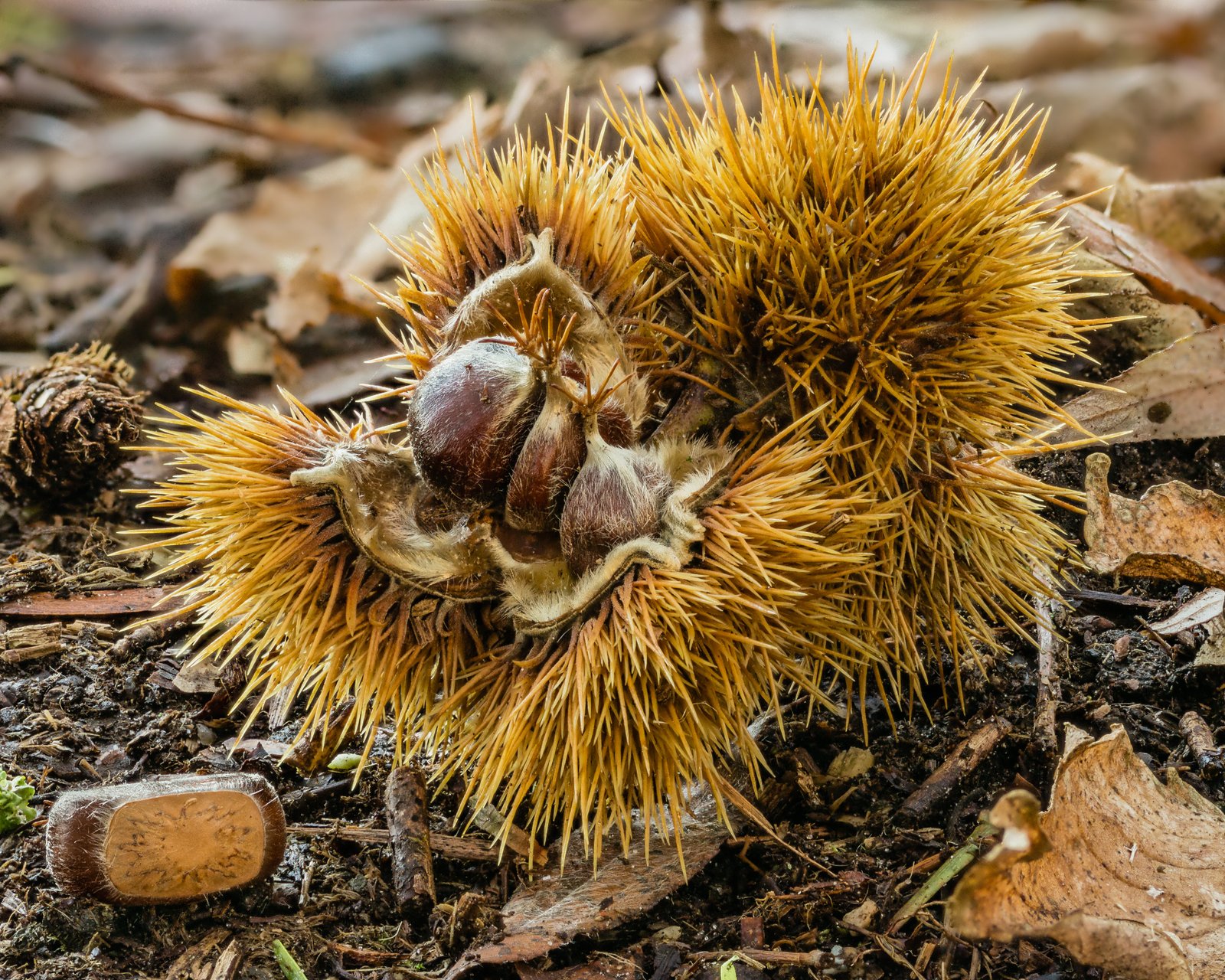
Storms accelerate the natural nut drop, sometimes delivering a full season’s harvest to the ground in a single night.
Sweet chestnuts in their spiny husks can be roasted, boiled, or dried and ground into flour.
Hazelnuts fall from hedgerows and woodland edges and are ready to eat raw as soon as they leave the tree.
Acorns require leaching in water to remove bitter tannins before they become edible, but the process is straightforward.
After processing, acorn flour can be used in flatbreads and pancakes and has been a human food source for thousands of years.
Gather nuts quickly after a storm because squirrels and jays work fast and compete aggressively.
Mushrooms Triggered by Storm Rain
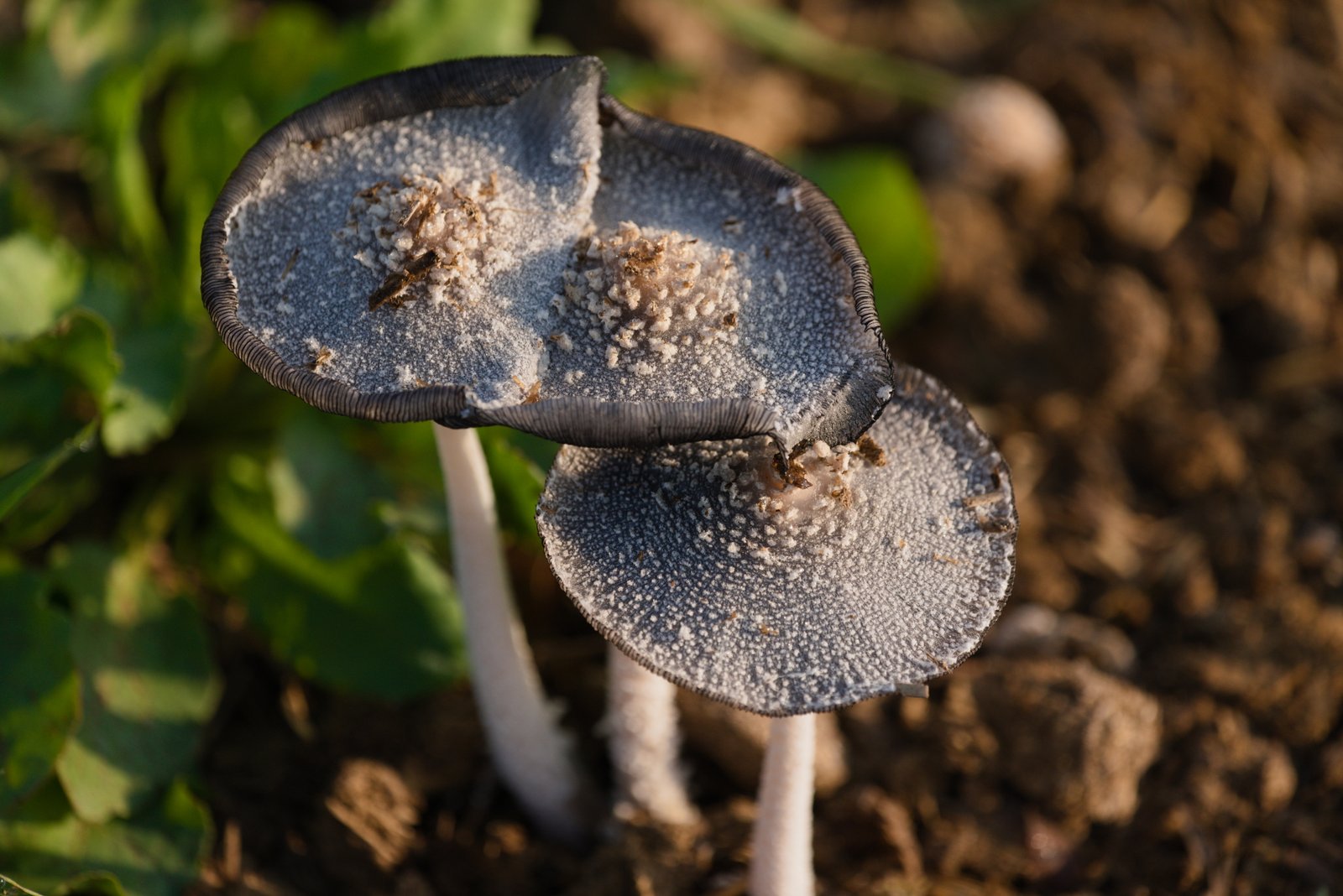
Many edible fungi fruit explosively in the days after a heavy rainstorm, particularly in late summer and autumn.
Chanterelles, porcini, and giant puffballs are among the safest and most rewarding targets for post-storm foraging.
The combination of rain, humidity, and cooler temperatures following a cold front creates ideal fruiting conditions for dozens of species.
Never eat a mushroom you cannot identify with complete certainty — use multiple field guides and cross-check every feature.
Giant puffballs are one of the safest beginner mushrooms because no toxic species closely resembles a white ball the size of a volleyball.
Slice puffballs open before eating to confirm the interior is pure white throughout, which rules out immature Amanita species.
Exposed Bivalves After Coastal Storms
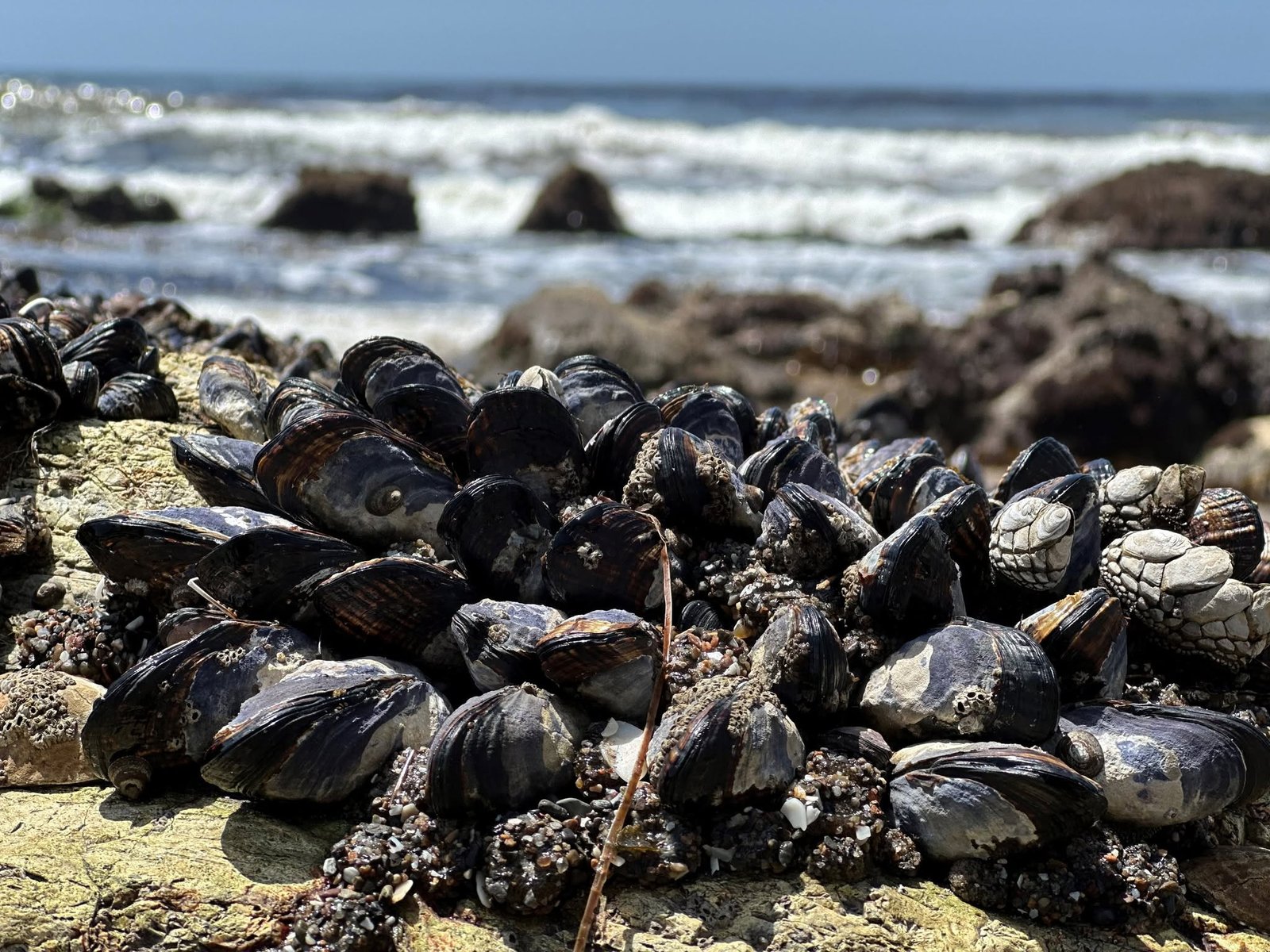
Storm surges and heavy wave action expose mussel and clam beds that are normally underwater or buried beneath sand.
Mussels clinging to rocks below the storm tide line are legal to harvest in many coastal areas without a permit.
Check local advisories before harvesting any shellfish because storm runoff can elevate bacterial and algal toxin levels temporarily.
Wait at least 48 to 72 hours after a major rain event before harvesting shellfish from areas near river mouths or urban drainage.
Mussels filter-feed continuously, which means they concentrate whatever is in the water around them, good or bad.
Steam mussels until all shells open and discard any that remain closed after cooking.
Flooded Fields and the Watercress Surge
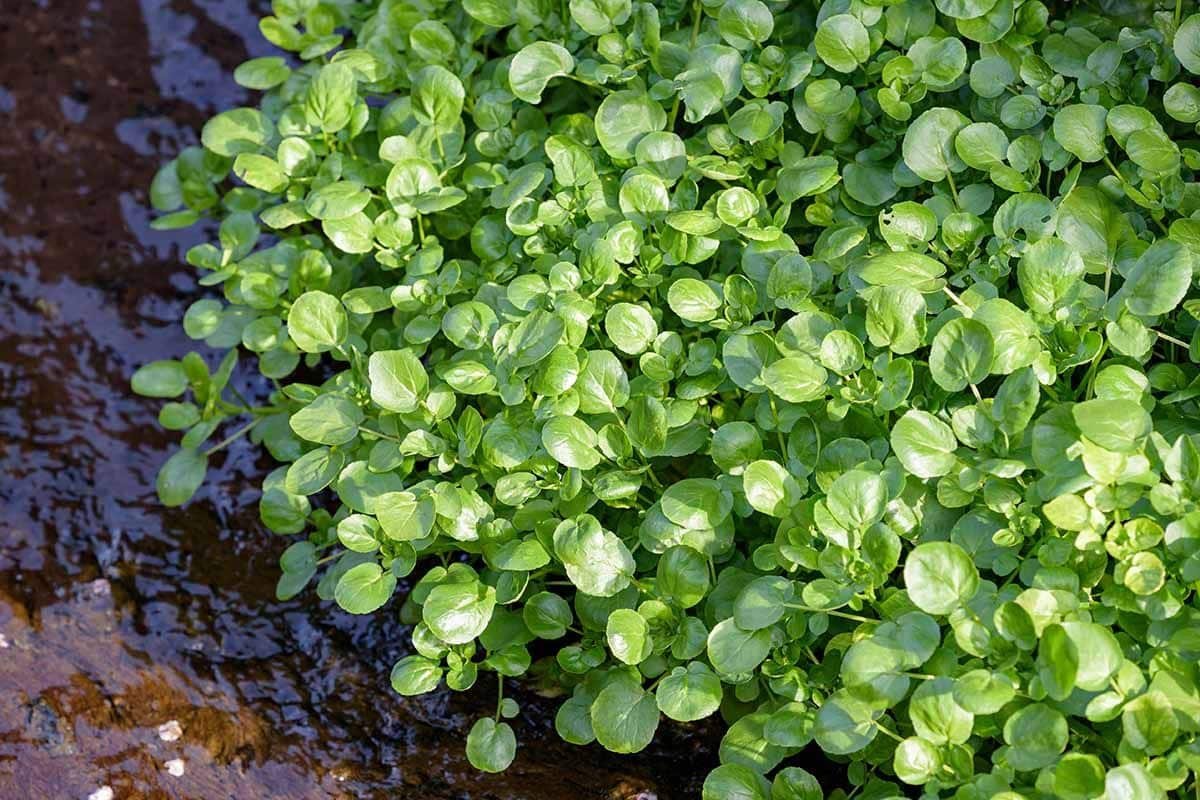
Heavy rain flushes watercress from its usual stream-bed positions and deposits it in large mats along flooded field edges and ditches.
Watercress is one of the most nutrient-dense wild greens available and has been eaten across Europe and North America for centuries.
Only harvest watercress from fast-moving, clear water sources well upstream of livestock pasture to reduce parasite risk.
The risk of liver fluke contamination is real, particularly in areas with sheep and cattle grazing — cook the greens to eliminate the risk.
Raw watercress harvested from pristine mountain streams is a different situation and has a long tradition of safe use.
Worm Harvest After Rain Soaks the Soil
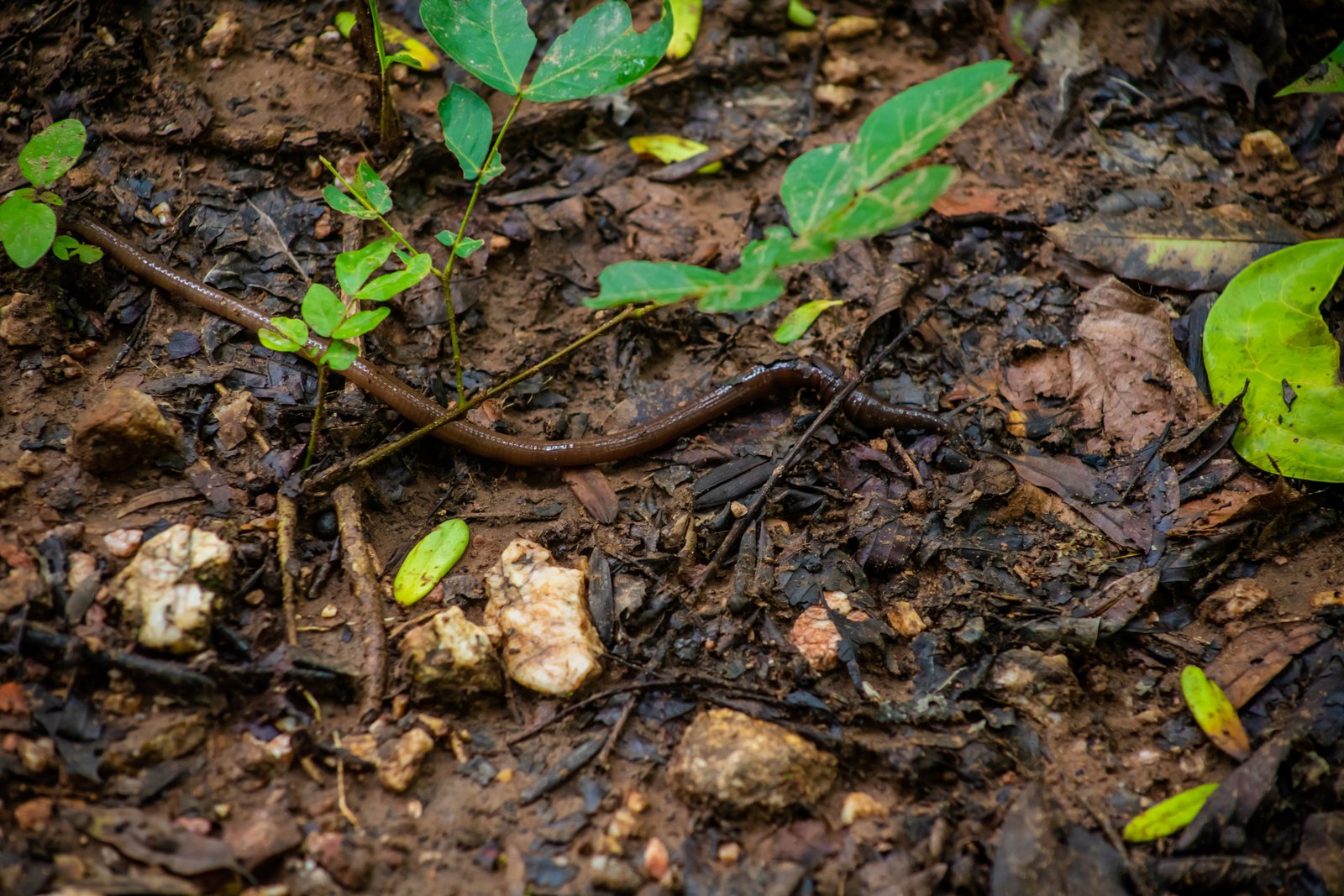
Earthworms surface in massive numbers after prolonged heavy rain because waterlogged soil forces them to migrate.
Worms are a legitimate survival food with significant protein content and have been eaten deliberately in multiple cultures worldwide.
To prepare earthworms, purge them in clean water or damp cornmeal for several hours so they void their gut contents.
They can be dried, roasted, or boiled and incorporated into other foods — the flavor is mild and earthy when properly prepared.
For wilderness survival situations, post-storm worm availability can be a meaningful caloric resource.
Avoid worms collected near roads, treated lawns, or agricultural land where pesticide absorption is likely.
Fallen Elder Branches and the Elderberry Windfall
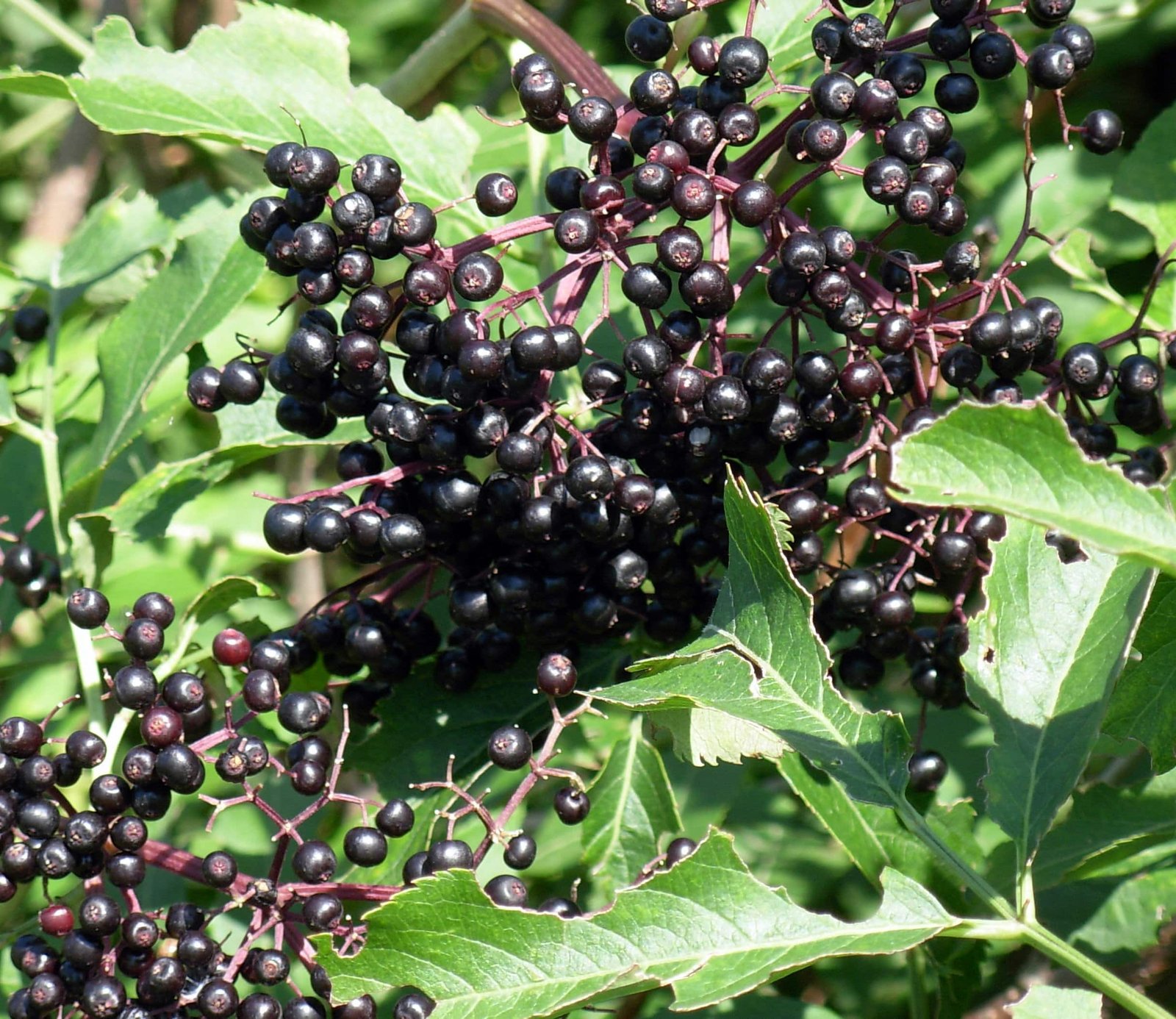
Elder trees have brittle wood and shed branches readily in storms, often bringing down clusters of ripe berries in late summer.
Elderberries must be cooked before eating — raw berries cause nausea and vomiting in most people due to cyanogenic glycosides.
Cooked elderberries are used in syrups, wines, jams, and cordials and are rich in anthocyanins and vitamin C.
Do not confuse elder with dwarf elder or water elder, and never eat elderberries that are red rather than deep purple-black.
Elder flowers, which appear in spring, are also edible and can be made into fritters or infused into cordials.
After a summer storm, check elder thickets along roadsides and hedgerows for downed berry clusters.
Storm-Churned Seaweed on the Beach
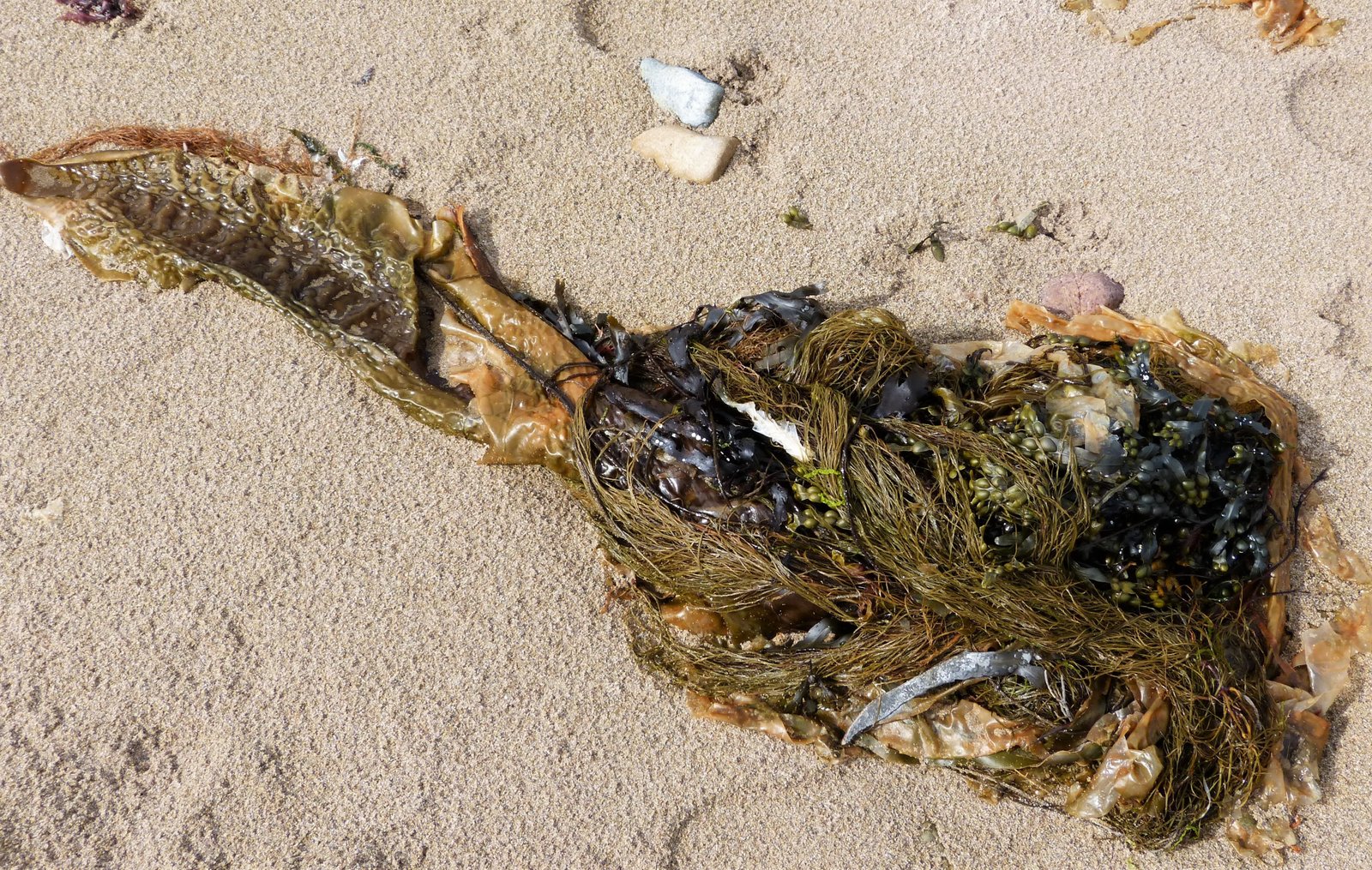
Wave action during coastal storms tears kelp and other edible seaweeds from the seafloor and deposits them in fresh mats along the shoreline.
Freshly deposited seaweed collected immediately after a storm is far superior to sun-dried beach wrack.
Dulse, sea lettuce, and kelp are the most commonly harvested edible species along Atlantic and Pacific coasts.
Rinse seaweed in fresh water to reduce salt content before eating it raw, drying it, or adding it to soups and stews.
Seaweed is high in iodine, iron, and umami-rich glutamates and has been a staple food in coastal cultures across Asia, Ireland, and Iceland.
Collect only from beaches well away from industrial discharge pipes or heavy boat traffic.
Blown Wild Plums and Damsons
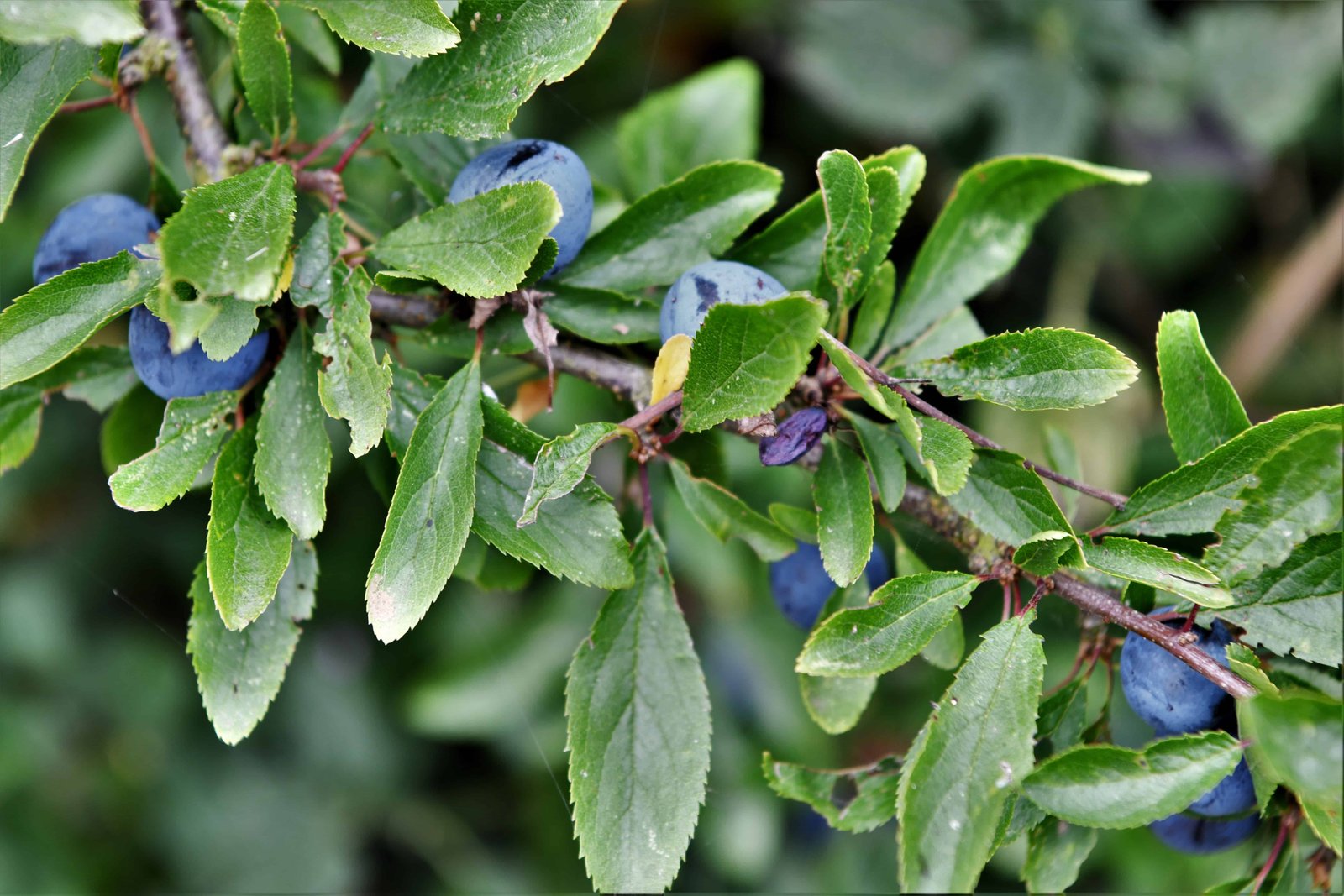
Wild plums and damsons grow along hedgerows, woodland margins, and old field boundaries across temperate regions.
Storms knock ripe fruit to the ground weeks before foragers would normally think to check, creating an early harvest window.
Wild plums are smaller and more tart than cultivated varieties but are excellent for jams, cordials, and fermentation.
Look for the distinctive blue-black or yellow-red fruit in late summer storms and the characteristic spiny branches overhead.
Damsons in particular make one of the finest wild fruit gins available, requiring only fruit, sugar, and time.
Collect soon after the storm because the thin skins of wild plums make them ferment and rot within two to three days on the ground.
Post-Storm Nettles: Tender New Growth in Disturbed Soil
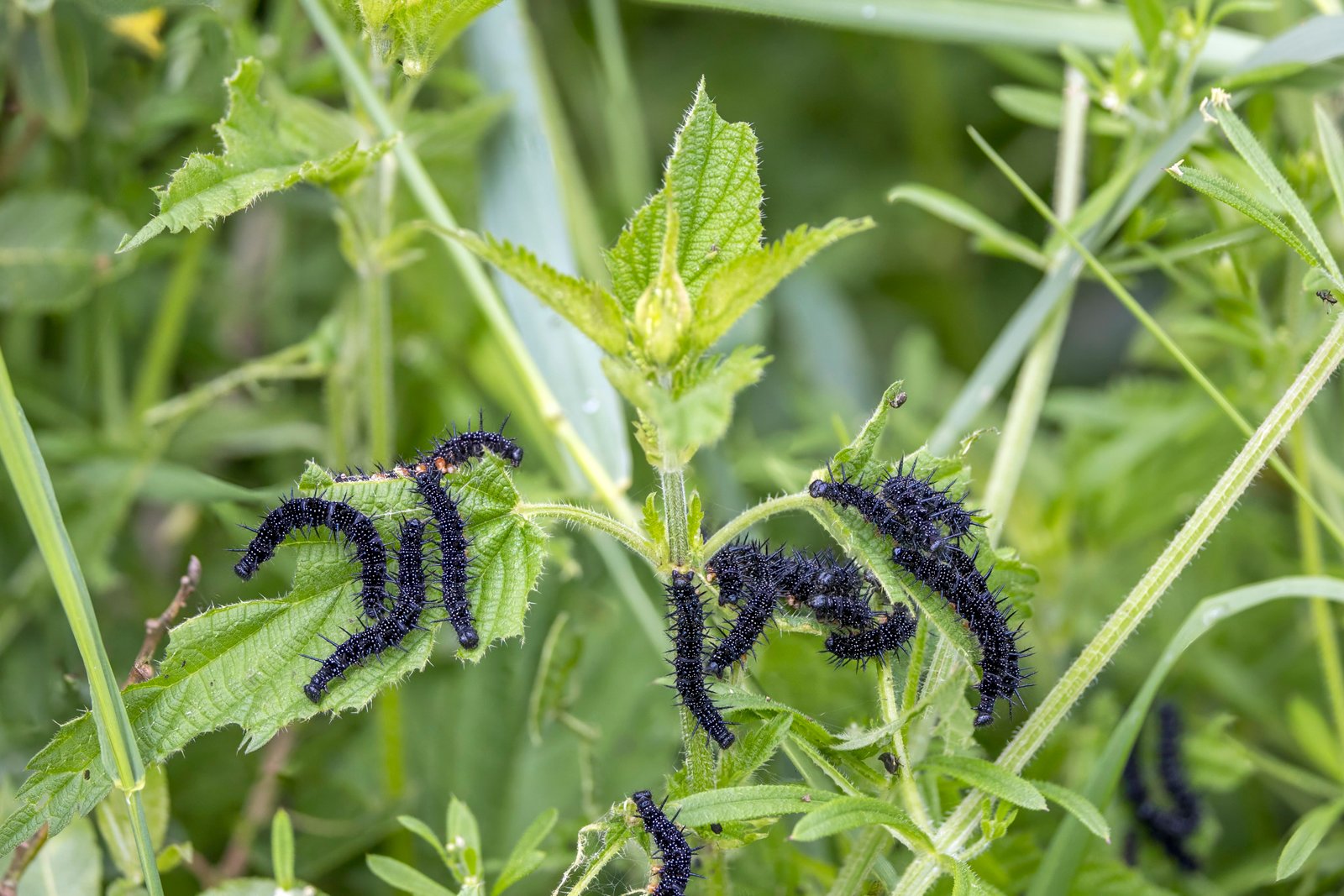
Storms flatten established nettle stands and encourage rapid new growth as plants respond to damage and increased light.
New nettle shoots emerging within a week of storm damage are the most tender and best-flavored growth of the season.
Stinging nettles (Urtica dioica) are rich in iron, calcium, and vitamins A and C, making them one of the most nutritious wild greens available.
Blanching or cooking nettles for 60 seconds destroys the formic acid compounds responsible for the sting.
Nettles can be used in soups, pasta dough, cheese-making, and as a cooked green served like spinach.
Wear gloves during harvest and collect only the top four to six leaves of each shoot for best flavor and texture.
Freshwater Crayfish Exposed by Flooded Streams
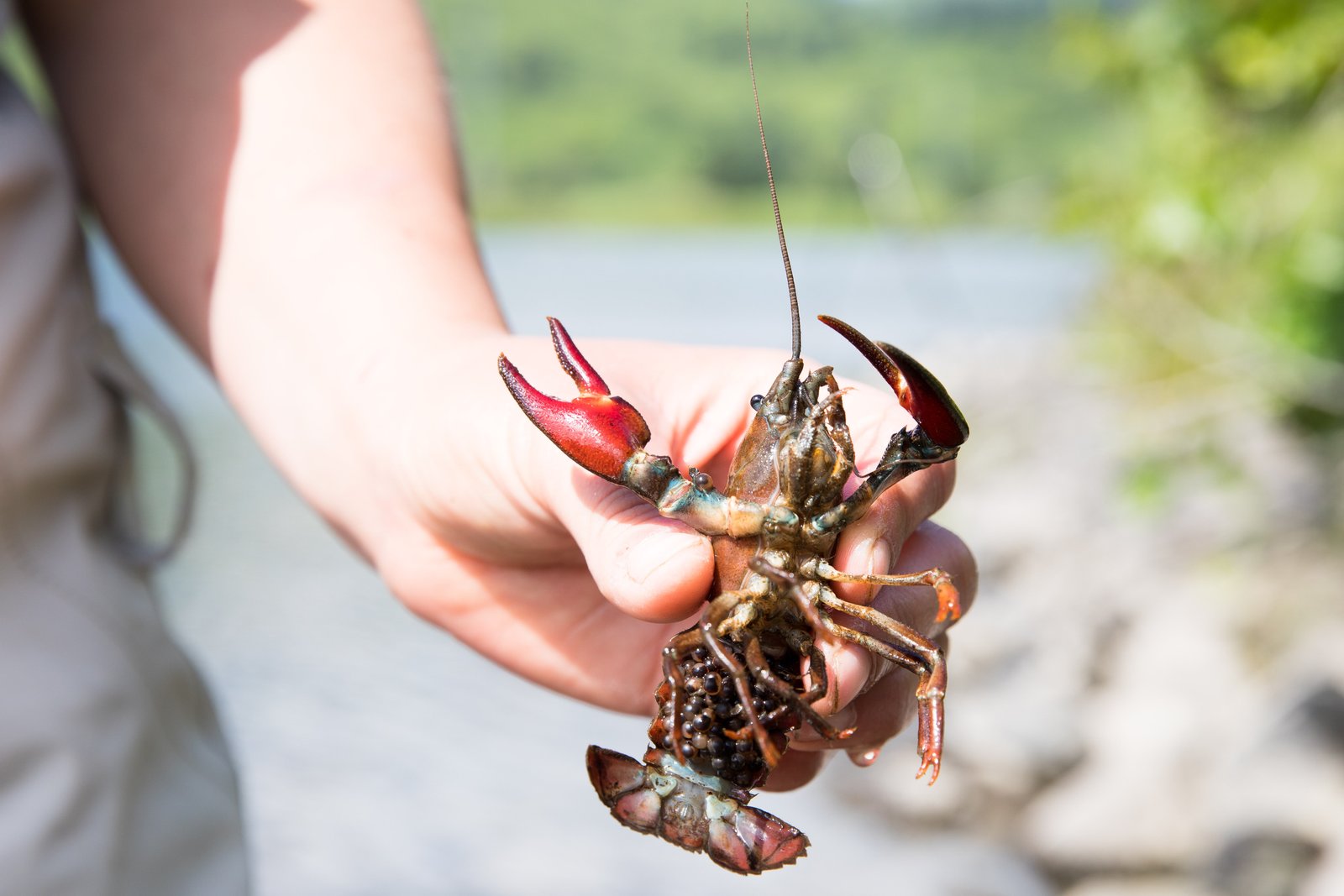
Flash flooding pushes freshwater crayfish out of their burrows and into shallow, accessible water where they can be caught by hand or with simple traps.
In the UK and much of Europe, American signal crayfish are an invasive pest species and there is no legal limit on how many you can take.
In North America, regulations vary by state and province, so check local rules before harvesting any crayfish.
Crayfish are most active after dark and can be found under rocks and debris in any clean freshwater stream or river.
They taste similar to small lobsters and are excellent boiled with salt and herbs or cooked in a bisque.
Never harvest crayfish from water bodies with active pollution advisories or known chemical runoff issues.