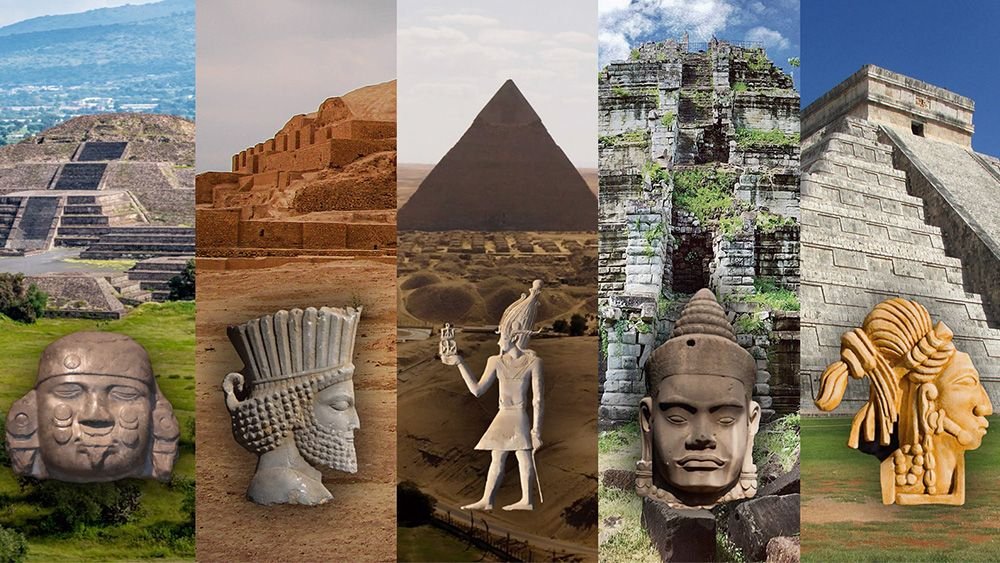
Long before thermometers and weather satellites, ancient civilizations developed sophisticated methods to read the sky, predict storms, and explain atmospheric forces.
From Mesopotamian clay tablets to Aztec sun calendars, early cultures built entire religious systems around weather phenomena.
Understanding how they predicted and worshipped the weather reveals both the ingenuity of early science and the deep human need to make sense of nature.
Mesopotamia: The First Weather Records
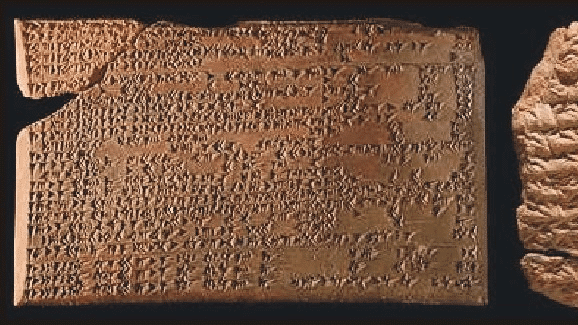
The Babylonians of ancient Mesopotamia produced some of the earliest known weather records, dating back to around 650 BCE.
Scribes inscribed observations of clouds, wind, and rain onto clay tablets using cuneiform script.
They believed the god Adad controlled storms, thunder, and rain, and his moods determined the fate of harvests.
Priests observed celestial patterns and linked planetary positions to weather events, laying groundwork for early meteorology.
The Babylonian text known as the Enuma Anu Enlil contained over 7,000 omens related to weather and astronomical events.
Ancient Egypt: The Nile and the Sky Gods
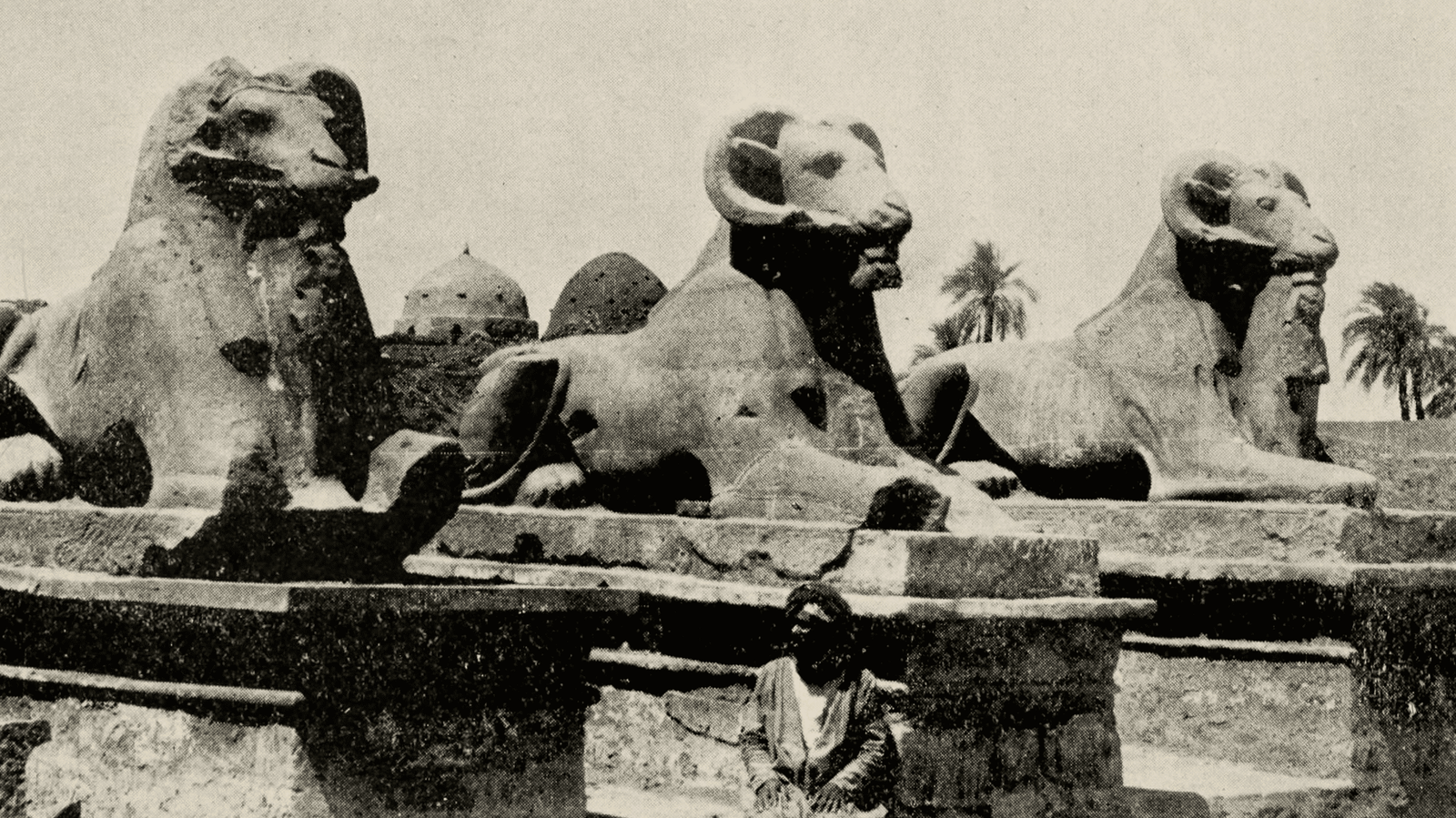
Egyptian civilization depended almost entirely on the seasonal flooding of the Nile, making weather prediction a matter of survival.
The god Set was associated with storms, chaos, and desert winds, while Nut represented the sky itself.
Egyptian priests tracked the heliacal rising of the star Sirius, which reliably predicted the annual Nile flood.
Temple orientations were carefully aligned with solar and stellar events to mark seasonal transitions.
Agricultural calendars were treated as sacred documents, maintained by priestly classes with direct religious authority.
Paintings and inscriptions record specific weather events, including a dramatic hailstorm during the reign of Ahmose I around 1550 BCE.
Ancient Greece: From Gods to Natural Philosophy
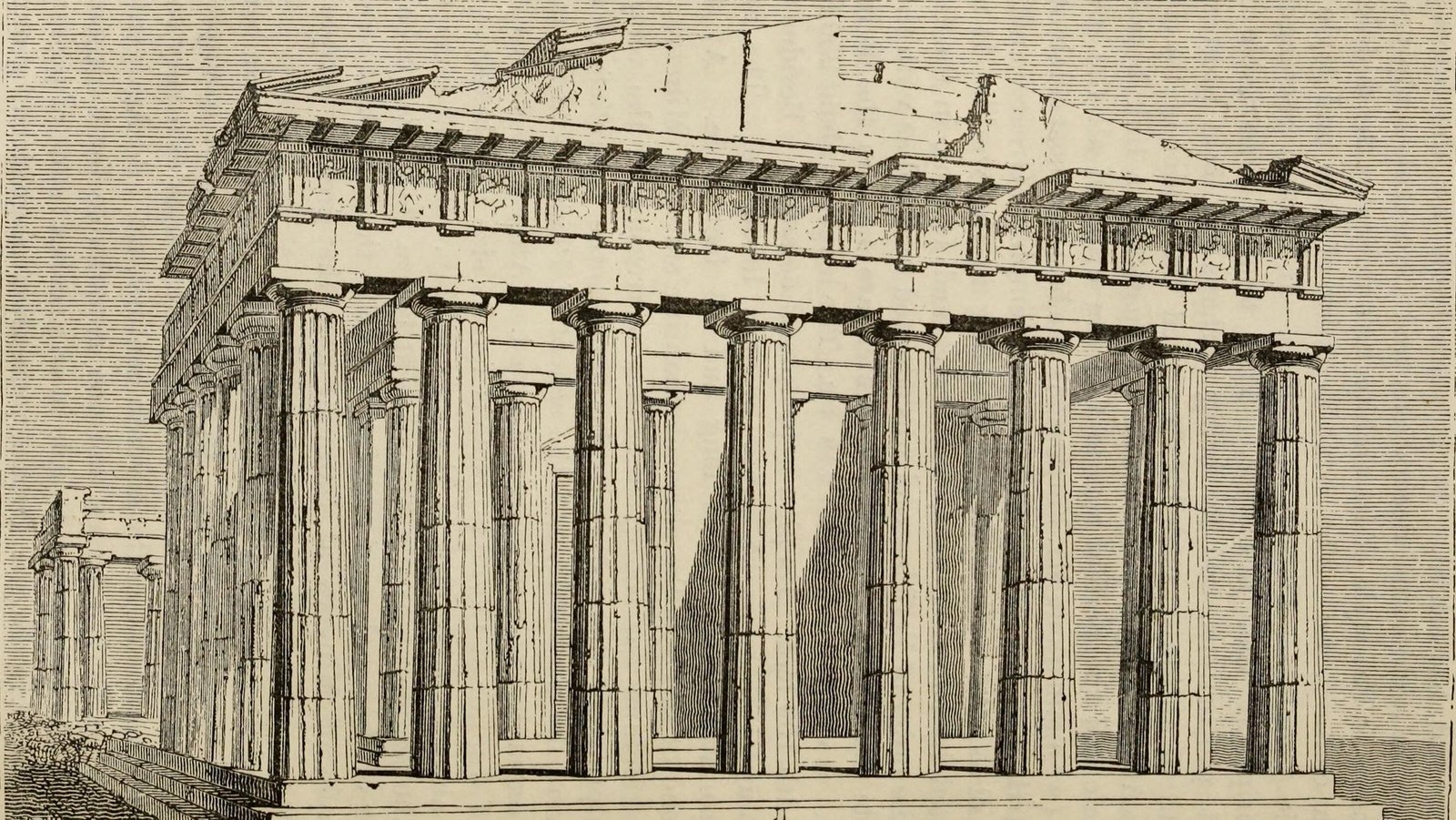
The Greeks personified weather through powerful deities, with Zeus commanding thunder and lightning from Mount Olympus.
Poseidon ruled the seas and could unleash violent storms on sailors who displeased him.
Around 340 BCE, Aristotle wrote Meteorologica, one of the first systematic attempts to explain weather through natural causes rather than divine will.
He described phenomena including rain, wind, thunder, lightning, and even earthquakes as products of physical processes.
Greek farmers relied on texts called parapegmata, star calendars that correlated seasonal weather with the rising and setting of specific constellations.
The transition from mythological to observational thinking in Greece marked a turning point in the history of weather science.
The Aztecs: Tlaloc and the Rain Cult
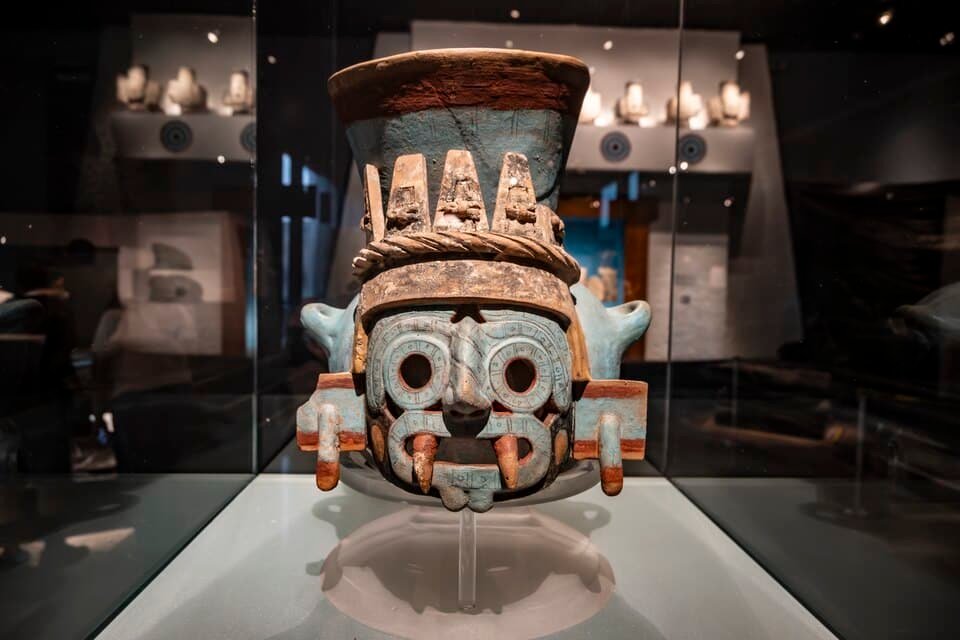
Tlaloc was one of the most important and feared deities in the Aztec pantheon, governing rain, water, and agricultural fertility.
The Aztecs built a dual-temple atop the Templo Mayor in Tenochtitlan, with one shrine dedicated entirely to Tlaloc.
Ritual child sacrifices were performed during droughts, with priests believing the tears of children would summon rainfall.
The sacred calendar, the Tonalpohualli, identified days ruled by weather deities and guided planting and harvest decisions.
Aztec priests were trained to observe cloud formations, wind direction, and the behavior of animals as weather omens.
Droughts were interpreted as signs of divine displeasure, triggering elaborate ceremonial responses across the empire.
Ancient China: Oracles, Dragons, and Dynastic Weather
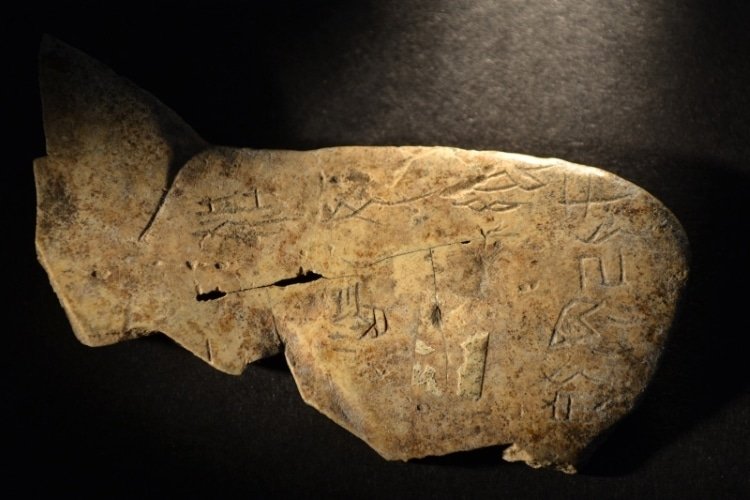
Chinese oracle bones from the Shang dynasty, dating to around 1200 BCE, include some of the world’s oldest written weather observations.
Priests inscribed questions about rain and wind onto ox bones and turtle shells, then heated them to read cracks as divine answers.
Dragons in Chinese mythology were not fearsome monsters but powerful rain-bringers essential to agricultural life.
The imperial government maintained dedicated weather observers, and accurate forecasting was considered a matter of political legitimacy.
Droughts and floods were seen as cosmic signals that a dynasty had lost the Mandate of Heaven.
Chinese astronomers developed detailed records of wind direction, precipitation, and seasonal changes over centuries.
The Maya: Chac and the Precision Calendar
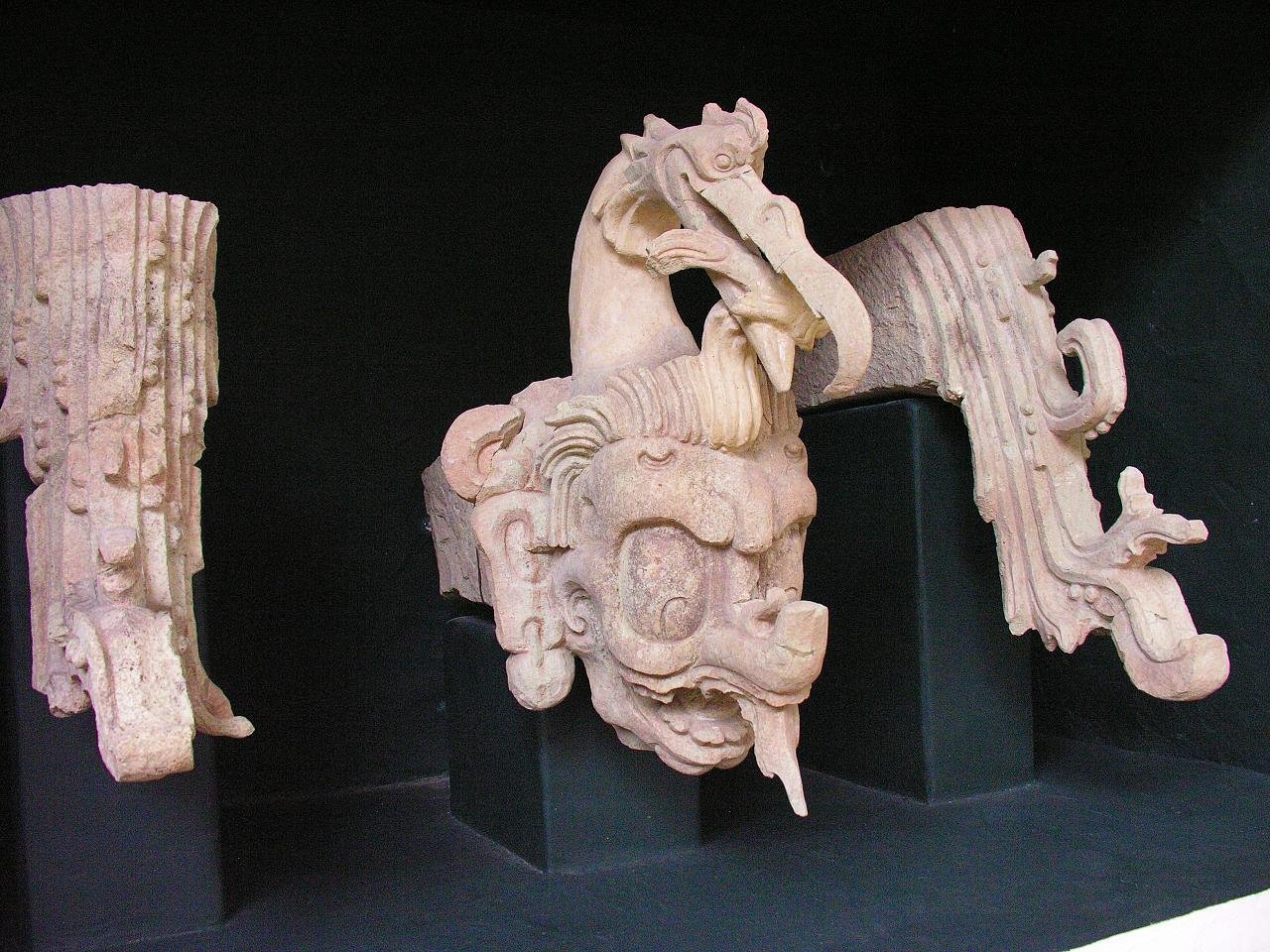
The Maya rain deity Chac was depicted with a long curling nose, serpent features, and was invoked through bloodletting rituals.
Maya civilization depended on seasonal rainfall for its milpa farming system, making accurate prediction critically important.
The Maya Long Count calendar was one of the most precise timekeeping systems in the ancient world and helped track seasonal cycles.
The observatory at Chichen Itza, known as El Caracol, was aligned to track Venus and solar events tied to agricultural seasons.
Priests interpreted cloud formations, lightning patterns, and the calls of animals as messages from weather deities.
Cenotes, the natural sinkholes of the Yucatan, were considered portals to the underworld and sacred sites for water offerings to Chac.
Norse Mythology: Thor and the Storms of the North
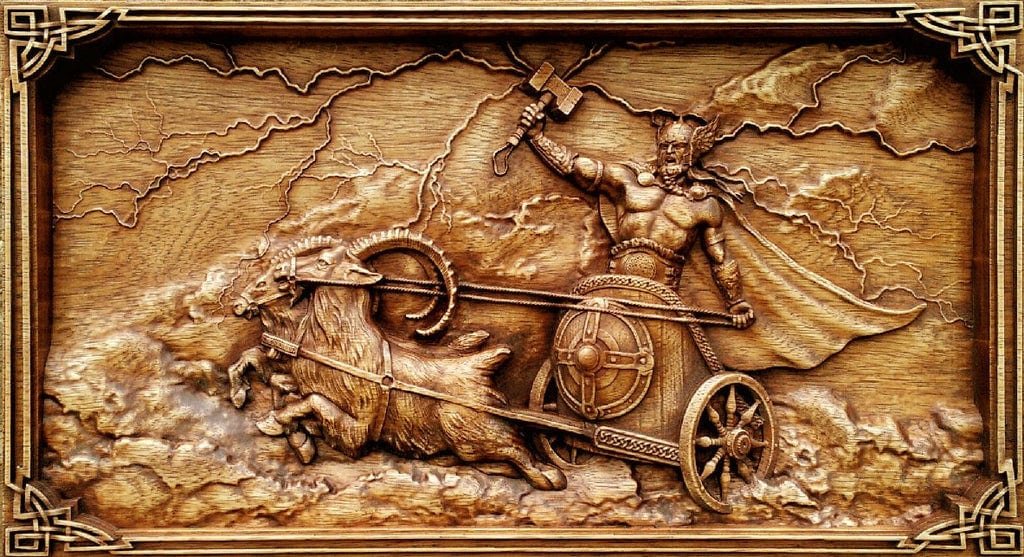
Thor, the hammer-wielding son of Odin, was the Norse god of thunder, storms, and the protection of mankind.
Scandinavian farmers prayed to Thor for favorable growing seasons, and his name is preserved in the word Thursday.
The unpredictable and violent weather of the North Atlantic shaped Norse religious thinking and practical seamanship.
Norse sailors developed strong observational skills, reading wave patterns, bird behavior, and cloud formations to navigate without instruments.
The concept of Ragnarok, the apocalyptic end of the world, was partly inspired by the terrifying power of winter storms.
Votive offerings were deposited in bogs and lakes to appease weather gods before important voyages and harvests.
Inca Civilization: Illapa and Mountain Weather
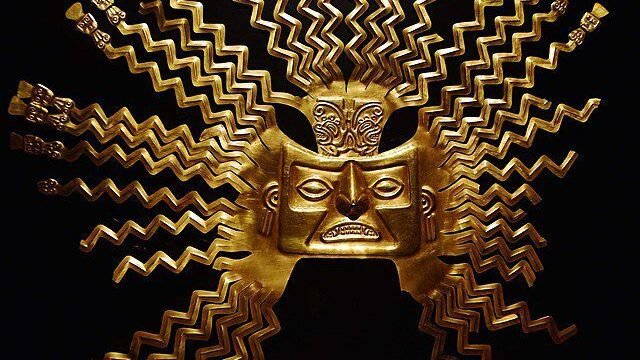
The Inca god Illapa personified thunder, lightning, and rain and was considered one of the most powerful deities in the Andean pantheon.
High-altitude farming in the Andes made the Inca acutely sensitive to frost, hail, and drought patterns.
Inca engineers built an extensive network of irrigation canals and terraces that required careful understanding of seasonal rainfall.
Priests observed the Milky Way, which they called Mayu or the Celestial River, to predict annual rainfall levels.
Mountain peaks called apus were considered living spirits that controlled local weather and required regular offerings.
The ceque system radiating from Cusco included sacred sites associated with water sources, springs, and rain rituals.
The Legacy of Ancient Weather Knowledge
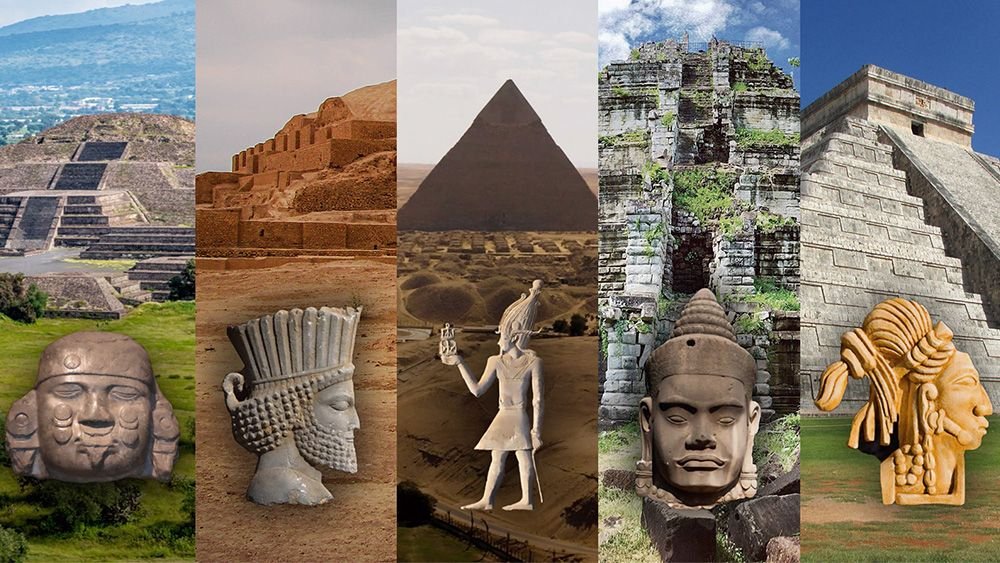
Across every continent, ancient peoples developed detailed and often accurate systems for understanding seasonal weather patterns.
Many of these systems blended religious ritual with genuine empirical observation, producing results that were surprisingly reliable.
The rain gauge, the star calendar, and the systematic weather journal all have roots in ancient civilizations.
Modern meteorologists still study ancient climate records preserved in ice cores, lake sediments, and historical texts.
The deep human impulse to predict and understand weather has not changed, only the tools and frameworks we use.
Ancient weather knowledge reminds us that science and wonder have always coexisted in the human relationship with the sky.