Real estate listings do not mention tornado frequency. Home inspectors do not rate hurricane exposure. And the charming agent showing you the house with the wraparound porch probably will not mention that the neighborhood floods every three years. But some towns in America sit in weather zones so active that buying property there is a bet against the sky, and the sky has a winning record.
These 15 towns are beautiful, often affordable, and occasionally devastating to live in. If storms keep you up at night, these are the places to cross off your list.
1. Moore, Oklahoma
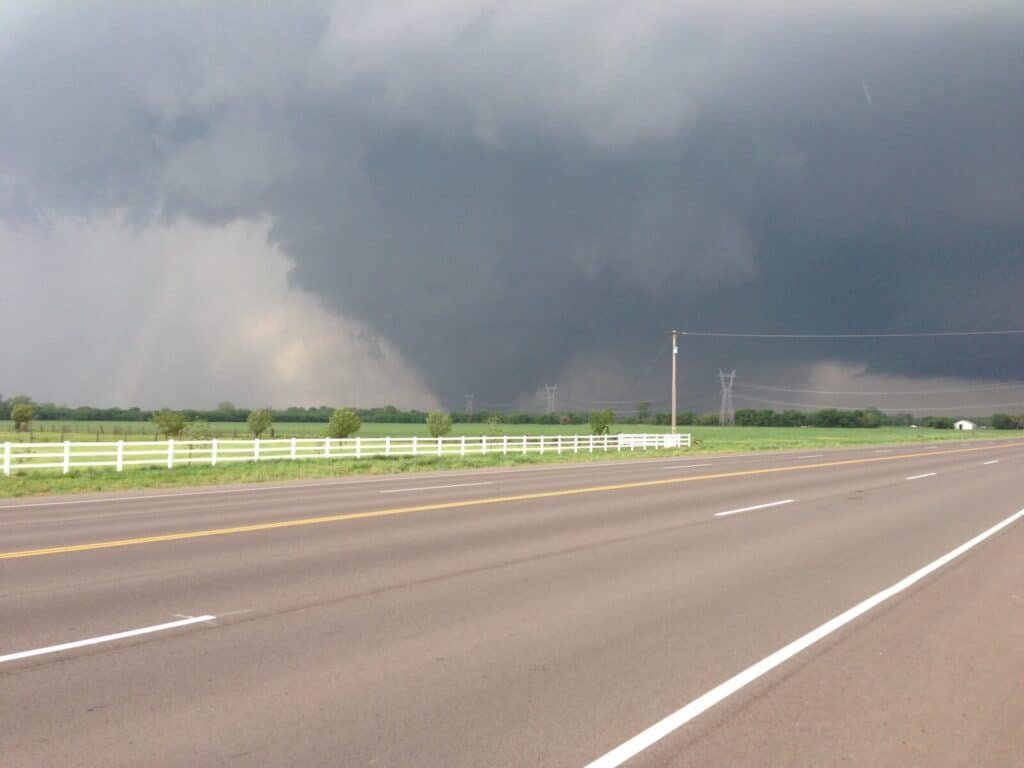
Moore has been hit by violent tornadoes in 1999, 2003, and 2013, including two EF5 events with winds exceeding 200 mph. The 1999 tornado destroyed over 8,000 homes. The 2013 tornado killed 24 people and leveled the Plaza Towers Elementary School. Moore sits directly in the path of a tornado corridor that runs through central Oklahoma with a reliability that meteorologists can map but cannot prevent.
Home insurance rates reflect the risk, and tornado deductibles can reach five percent of the home’s value. New construction now requires storm shelters, but thousands of older homes have no below-ground protection at all. The flat terrain provides no natural barriers, and the storms that hit Moore can go from warning to impact in under 15 minutes.
Moore keeps rebuilding because the community is strong and the people are stubborn. But for anyone who is risk-averse about weather, this is ground zero for everything that can go wrong with a severe thunderstorm, and the frequency of major hits makes the next one feel less like a possibility and more like an appointment.
2. Cameron, Louisiana
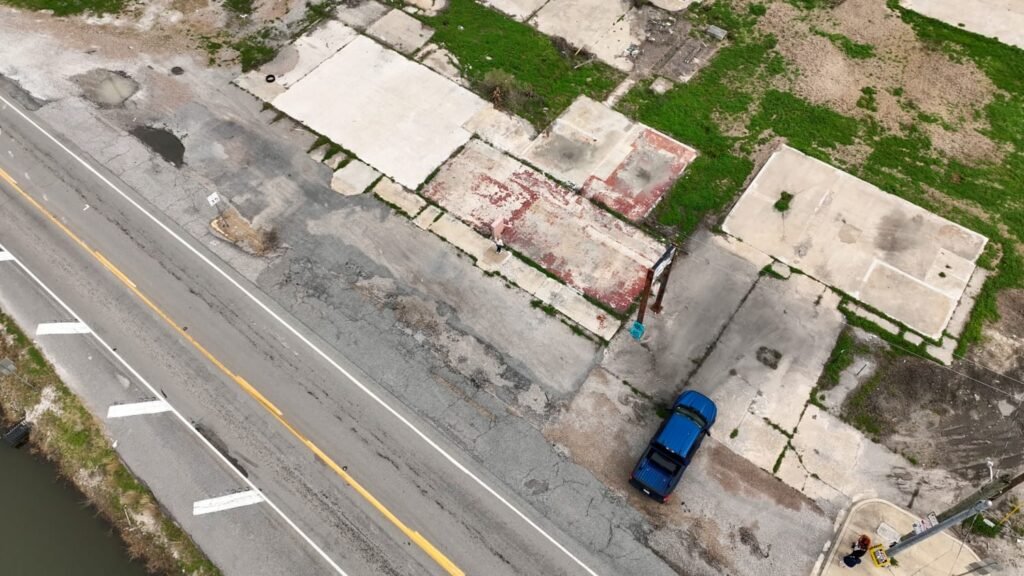
Cameron Parish has been struck by more major hurricanes than almost any other county in America. Hurricanes Audrey, Rita, Ike, Laura, and Delta all made direct or near-direct hits, and Hurricane Laura in 2020 destroyed nearly every structure in the town of Cameron with 150 mph winds. The population has dropped from over 2,000 to a few hundred.
Buying property in Cameron means accepting that your home will face a direct hurricane hit within the next decade, statistically speaking. Flood insurance is mandatory and expensive. Wind insurance is separate and equally costly. The combination of premiums can exceed the monthly mortgage payment.
The coastline continues to erode, pushing the Gulf closer to remaining structures every year. Land that was a quarter mile from the water a generation ago now sits at the water’s edge. Cameron is a place where the weather and the geography are working together to make human habitation increasingly difficult, and the insurance market reflects that reality with brutal clarity.
3. Galveston, Texas
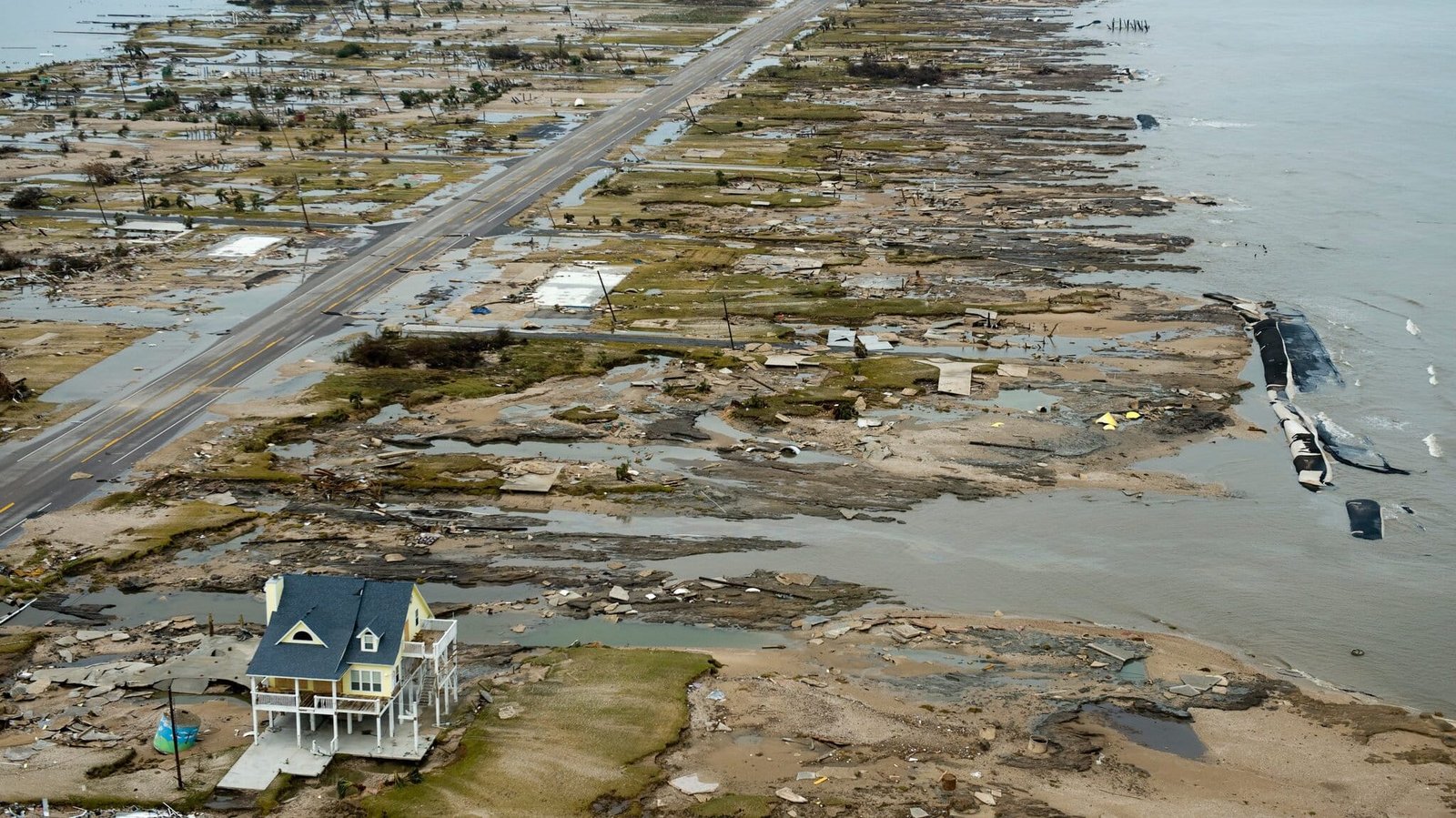
The barrier island that sits between Houston and the Gulf of Mexico has a death toll from weather that exceeds any other location in American history. The 1900 hurricane killed between 6,000 and 12,000 people, and Hurricane Ike in 2008 caused billions in damage despite a seawall that was built after the earlier disaster. The island’s average elevation of six feet means even a modest storm surge can put entire neighborhoods underwater.
Home insurance on Galveston Island is among the most expensive in Texas. Wind and flood policies are required, and the combined cost prices out many buyers who are attracted by the beach lifestyle and relatively affordable home prices. The affordability is the tell: prices are lower because the risk is higher.
The evacuation route off the island is a single causeway that becomes gridlocked within hours of a mandatory evacuation order. If you wait too long to leave, you are trapped on a barrier island with a hurricane approaching. Galveston is gorgeous between storms and terrifying during them, and the cycle repeats with a frequency that makes long-term property investment a gamble.
4. Tuscaloosa, Alabama
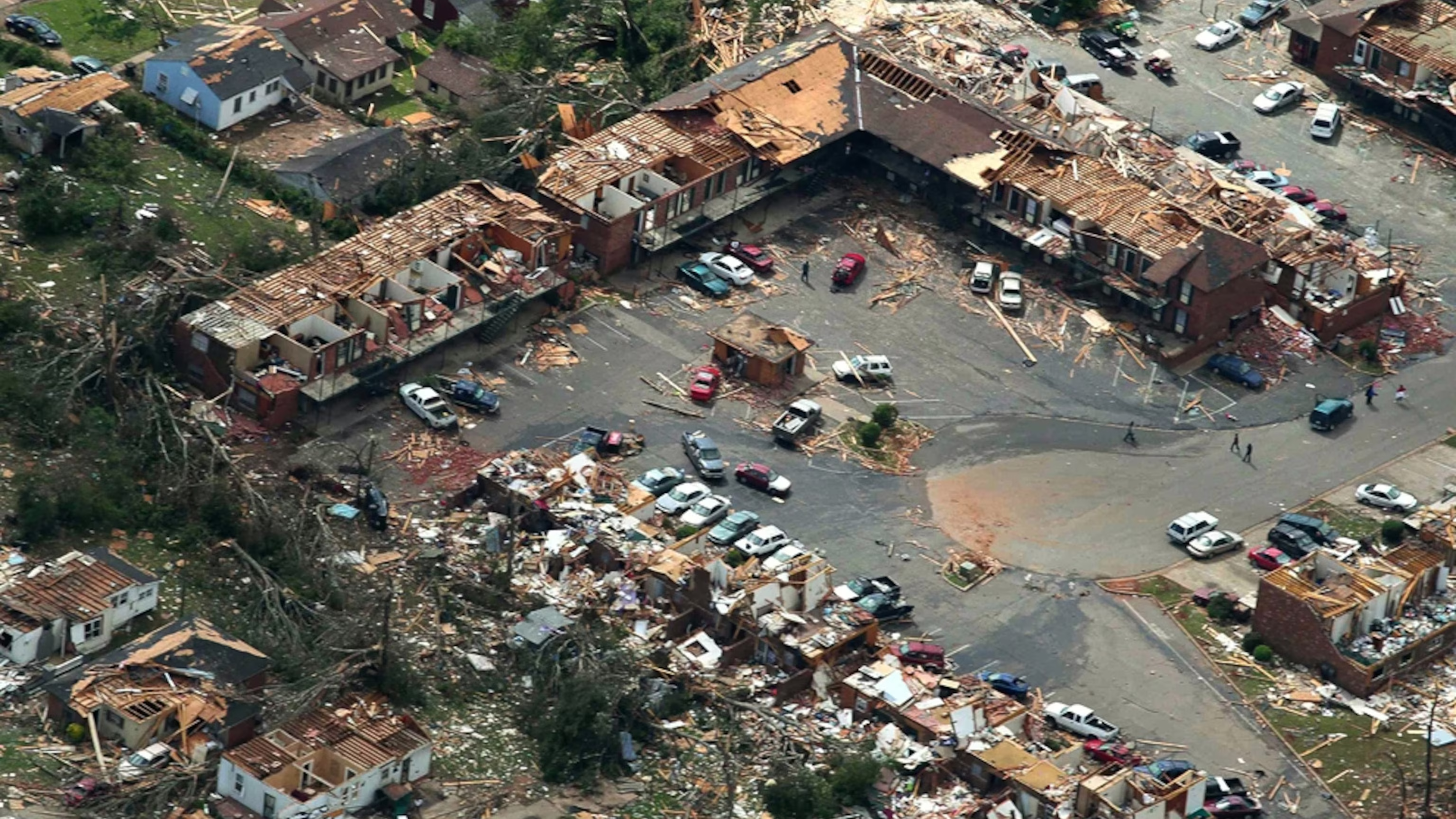
The April 2011 tornado outbreak hit Tuscaloosa with an EF4 tornado that killed 64 people in the city and surrounding area. The tornado was over a mile wide and tracked directly through residential neighborhoods and the commercial district near the University of Alabama campus. Entire blocks were erased in minutes.
Tuscaloosa sits in a severe weather corridor that runs through central Alabama, where warm Gulf moisture collides with cold fronts along a track that produces tornadoes with disturbing regularity. The terrain provides no natural protection, and the city’s growth has put more people and structures in the path of these storms.
The city has rebuilt with improved building codes and warning systems, but the atmospheric conditions that produce violent tornadoes in central Alabama have not changed. The corridor is active every spring, and the odds of another significant strike on Tuscaloosa within a generation are high enough that insurance companies price the risk into every policy sold in the region.
5. Key West, Florida
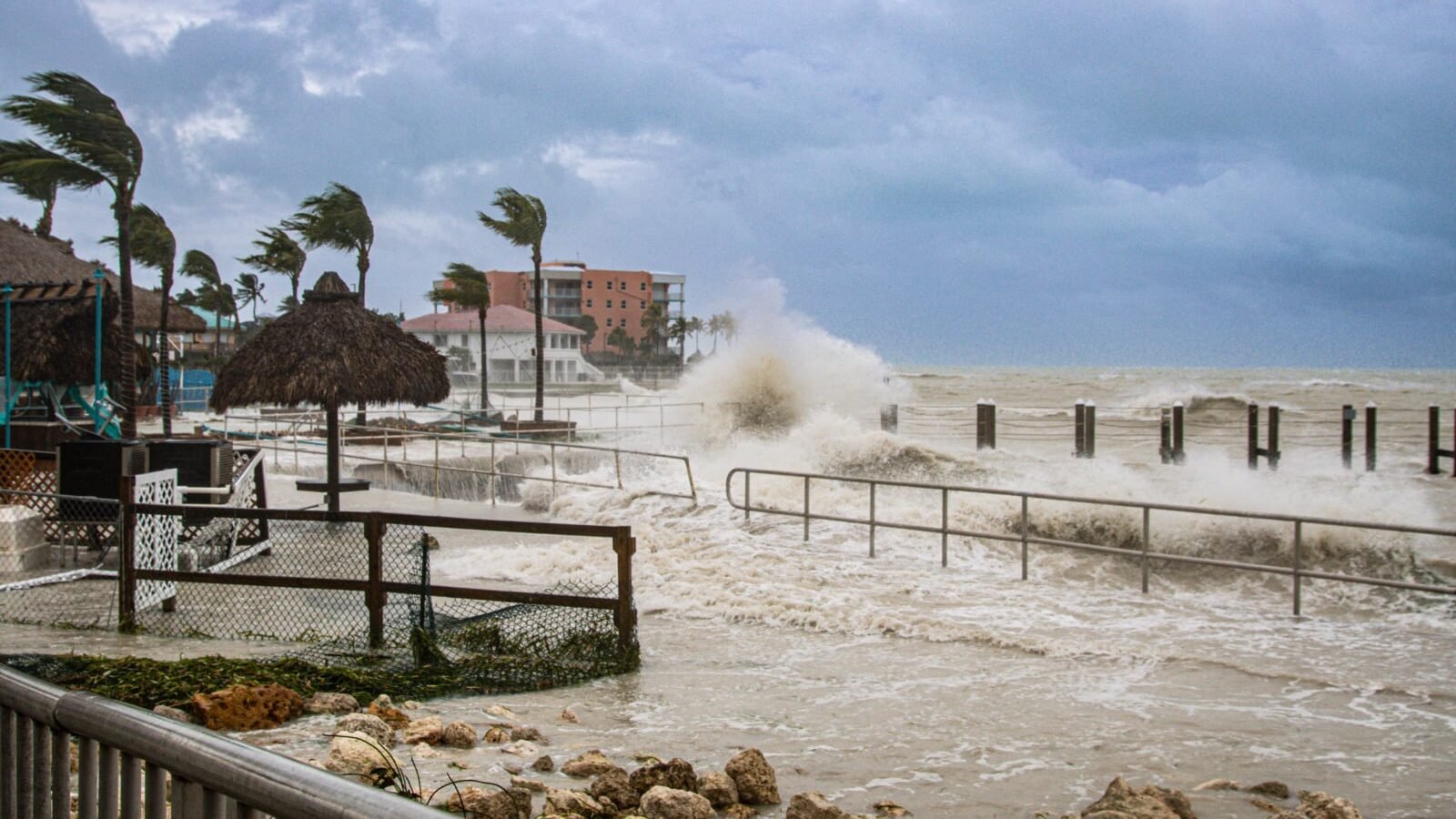
The southernmost city in the continental United States sits on an island chain connected to the mainland by a single highway that requires three to four hours to evacuate under normal traffic conditions. When a hurricane approaches, that evacuation time can triple, and the decision to leave must be made far in advance of when most people feel urgency.
The maximum elevation in Key West is about 18 feet, and most of the city sits under 10. Storm surge from a direct hit by a major hurricane would inundate essentially the entire island. The historic homes that give Key West its character were built before modern hurricane codes and offer minimal wind resistance.
Flood insurance rates in the Keys are among the highest in the nation, and the National Flood Insurance Program has repeatedly threatened to withdraw coverage from the most vulnerable properties. Buying a home in Key West means paying premium prices for a property that sits at sea level on an island chain in the most hurricane-prone body of water in the Western Hemisphere.
6. Joplin, Missouri
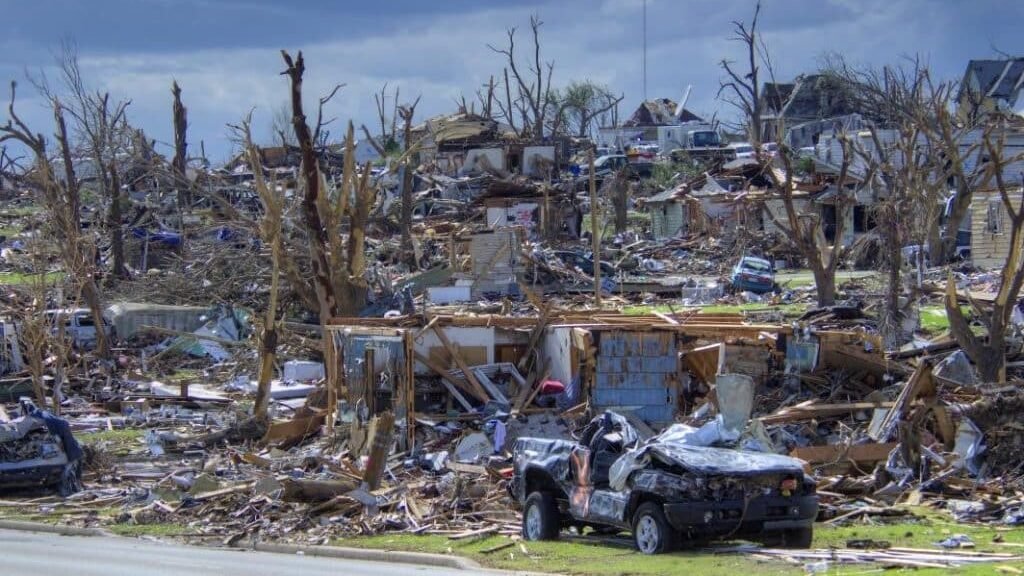
The 2011 EF5 tornado killed 158 people and caused over $2.8 billion in damage, making it the deadliest tornado in the United States since 1947. The storm destroyed over 7,000 homes and left a scar across the city that is still visible in the age of the trees and the newness of the construction along the tornado’s path.
Joplin sits at the intersection of three states in a region where tornado activity peaks every spring with predictable intensity. The convergence of moisture from the Gulf, dry air from the Plains, and cold fronts from the Rockies creates conditions for violent storms that target this area year after year.
The city has rebuilt with more storm shelters and stronger construction standards, but the underlying risk has not decreased. A new EF5 could follow a similar path through town, and the flat terrain offers no topographic protection. Joplin is a resilient community that has proven it can recover from the worst. But for someone buying a first home who worries about storms, the history here speaks loudly.
7. Outer Banks, North Carolina (Hatteras and Ocracoke)
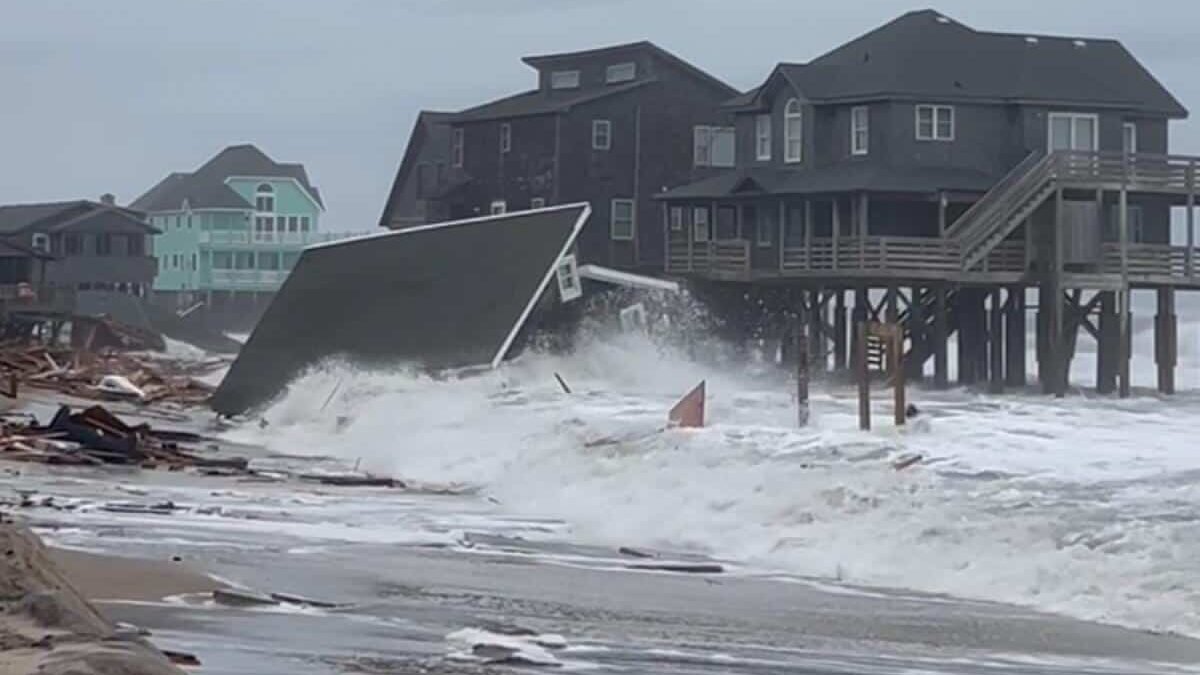
The barrier islands of the Outer Banks are beautiful, exposed, and slowly losing ground to the ocean. Hatteras and Ocracoke sit in the path of every hurricane that tracks up the Atlantic coast, and nor’easters batter the islands repeatedly every winter. Highway 12, the only road connecting many communities, washes over during major storms, isolating residents until repairs can be made.
Beach erosion eats away at oceanfront properties year by year, and homes that once sat 200 feet from the water’s edge now perch on the edge of a dune that shrinks with every storm. Several homes on the Outer Banks have been condemned and demolished after storms undercut their foundations.
Flood insurance rates are astronomical, and the NFIP has struggled to remain solvent in coastal areas where repeated claims from the same properties drain the program’s reserves. Buying oceanfront property on the Outer Banks is buying a view with an expiration date, and the ocean does not negotiate extensions.
8. Cedar Rapids, Iowa
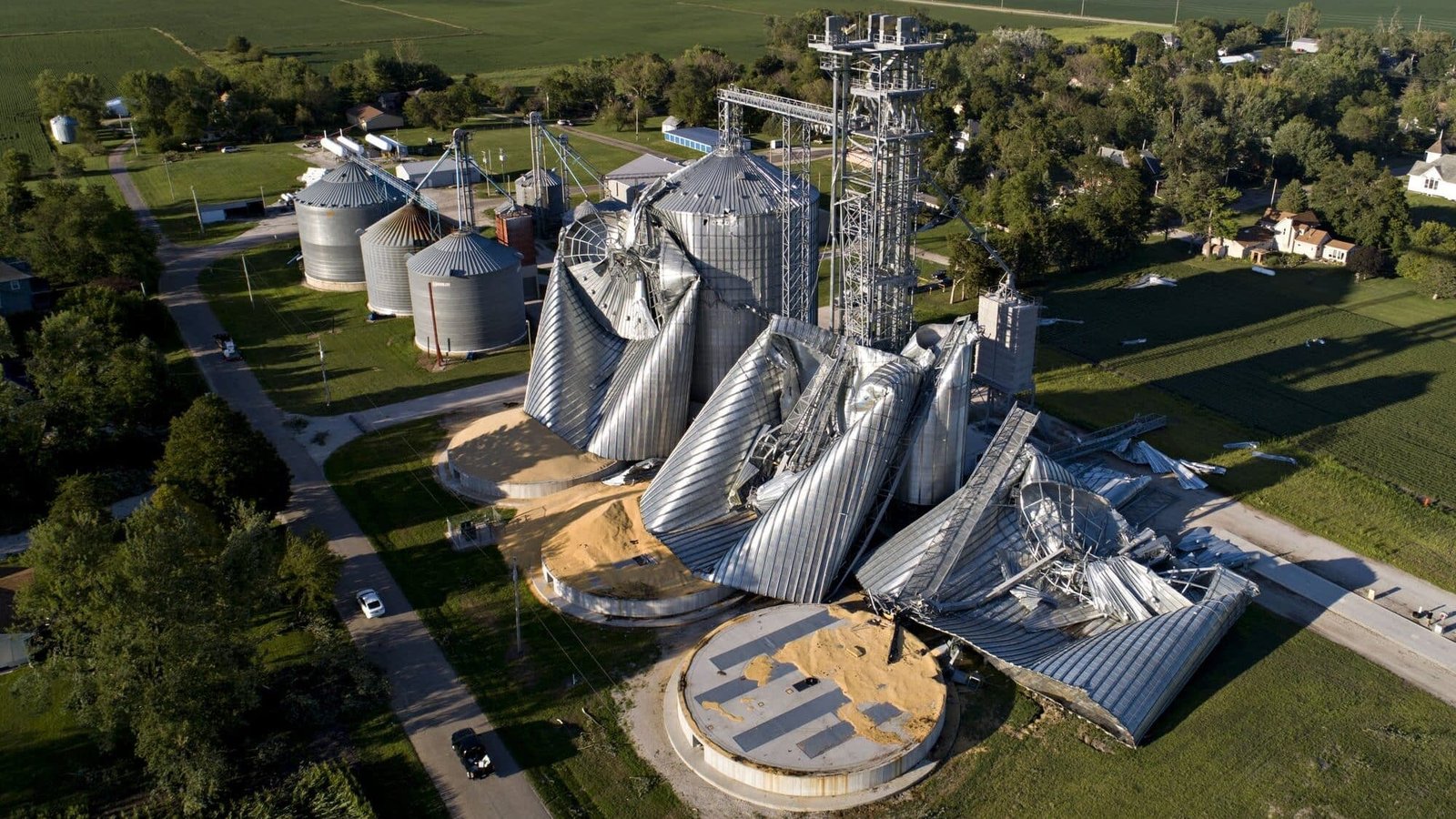
The 2008 flood put 10 square miles of Cedar Rapids underwater, displacing 24,000 residents and causing over $5 billion in damage. The Cedar River crested at 31.1 feet, more than 11 feet above flood stage, and overwhelmed a city that had not experienced catastrophic flooding in living memory. Entire neighborhoods were submerged under four to six feet of water for weeks.
The city has invested heavily in a flood control system since 2008, including removable flood barriers and elevated infrastructure. But the fundamental geography has not changed: Cedar Rapids sits in a river valley where upstream rainfall can produce flood crests that exceed any engineered solution.
The 2008 flood was supposed to be a 500-year event. The 2016 flood reached nearly the same level. When 500-year floods happen twice in eight years, the term loses its reassuring quality. Homes in the floodplain have been bought out and demolished, but the city continues to build and grow in areas that the river has demonstrated it can reach.
9. Panama City Beach, Florida
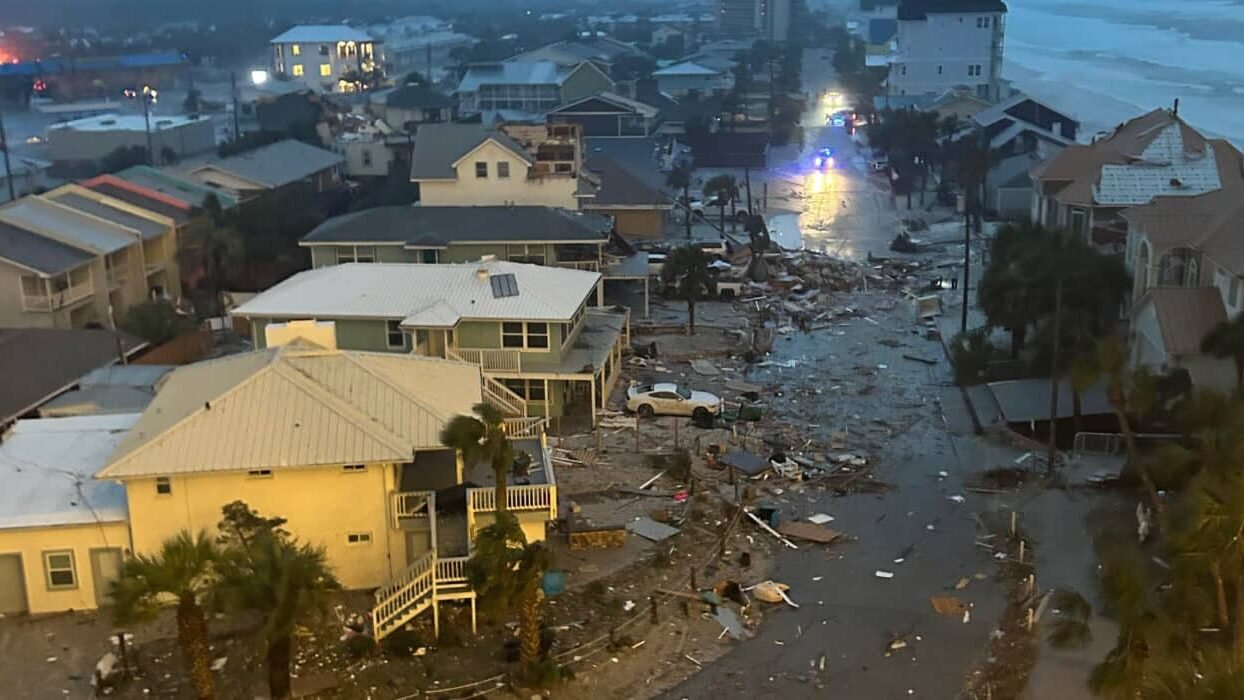
Hurricane Michael struck the Panama City Beach area in October 2018 as a Category 5 storm with 160 mph winds, the strongest hurricane to hit the Florida Panhandle in recorded history. Nearby Mexico Beach was essentially destroyed, and Panama City Beach suffered severe wind and surge damage that took years to repair.
The Panhandle coast had gone so long without a major hurricane hit that many residents and property owners had become complacent about the risk. Insurance coverage was lower than it should have been, and building codes in some areas had not kept pace with the science of hurricane-resistant construction.
Property prices recovered after Michael because the beach is beautiful and demand is strong. But the insurance market has not forgotten. Premiums have increased dramatically, and some insurers have withdrawn from the Panhandle entirely. Buying a home in Panama City Beach means finding insurance first and hoping it remains available for the duration of your mortgage.
10. Ellicott City, Maryland
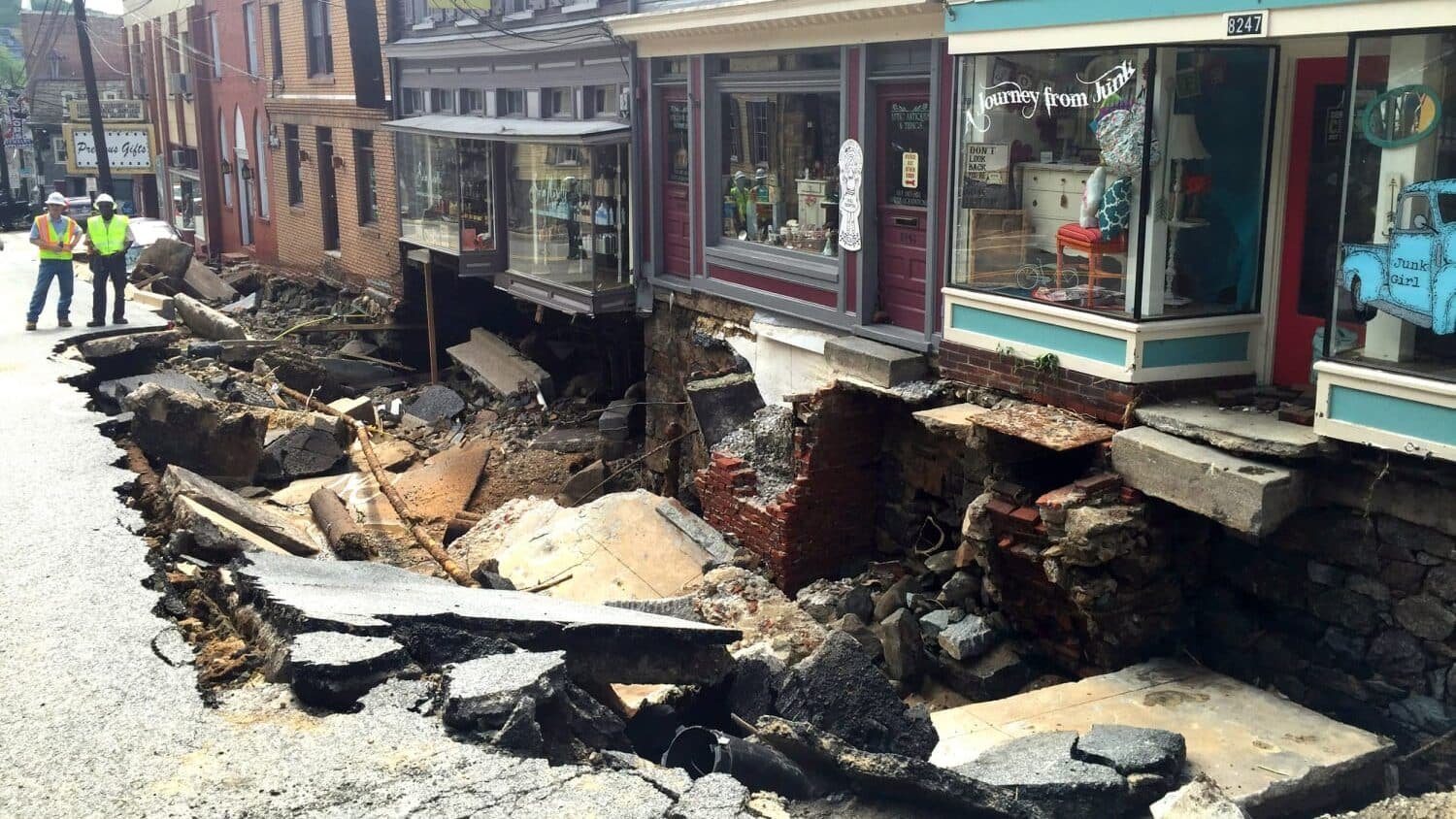
Flash floods devastated the historic downtown of Ellicott City in both 2016 and 2018, killing three people and destroying businesses that had operated for over a century. The town sits at the bottom of a steep valley where the Tiber and Patapsco rivers converge, and heavy rain upstream sends water rushing through the narrow Main Street corridor like a river through a canyon.
The 2016 flood was called a once-in-a-thousand-years event. The 2018 flood was worse. Two catastrophic floods in two years destroyed the statistical framework that was supposed to make people feel safe. The town’s geography creates a funnel effect that concentrates runoff into the historic district with a force that no building in the path can withstand.
Howard County has since demolished several buildings along Main Street and implemented flood mitigation measures, but the valley remains. Buying property in or near the Ellicott City floodplain means trusting that engineered solutions can overcome a geography that has channeled water through the same path for thousands of years. The water has been there longer than the buildings, and it will be there after them.
11. Paradise, California
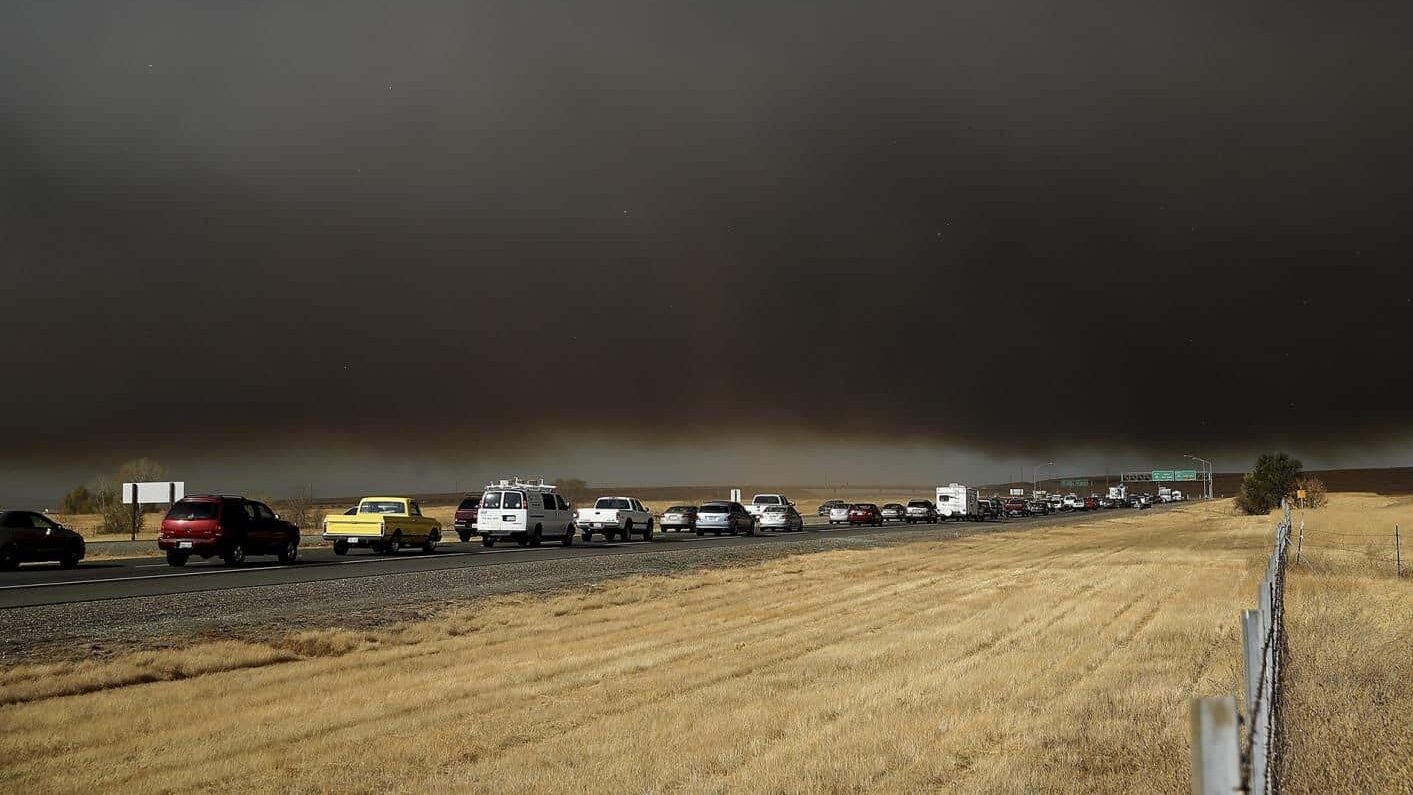
The Camp Fire in November 2018 destroyed the town of Paradise almost entirely, killing 85 people and burning over 18,000 structures. The fire was driven by extreme winds and drought conditions that turned the pine and oak forests surrounding the town into fuel. Evacuation routes were overwhelmed, and many victims died in their cars trying to escape on roads blocked by flames and fallen trees.
Paradise sits in the wildland-urban interface, where development meets forest in a zone that fire ecologists have long identified as extremely high risk. The combination of steep terrain, dense vegetation, and seasonal Diablo winds creates conditions where a single ignition source can produce a firestorm that moves faster than evacuation can proceed.
Some residents have returned and rebuilt, but the population is a fraction of pre-fire levels. Insurance availability has become the determining factor for many, as carriers have withdrawn from high-fire-risk areas across California. Buying in Paradise means accepting wildfire risk that has already proven catastrophic once and could do so again under the same atmospheric conditions that caused the Camp Fire.
12. Princeville, North Carolina
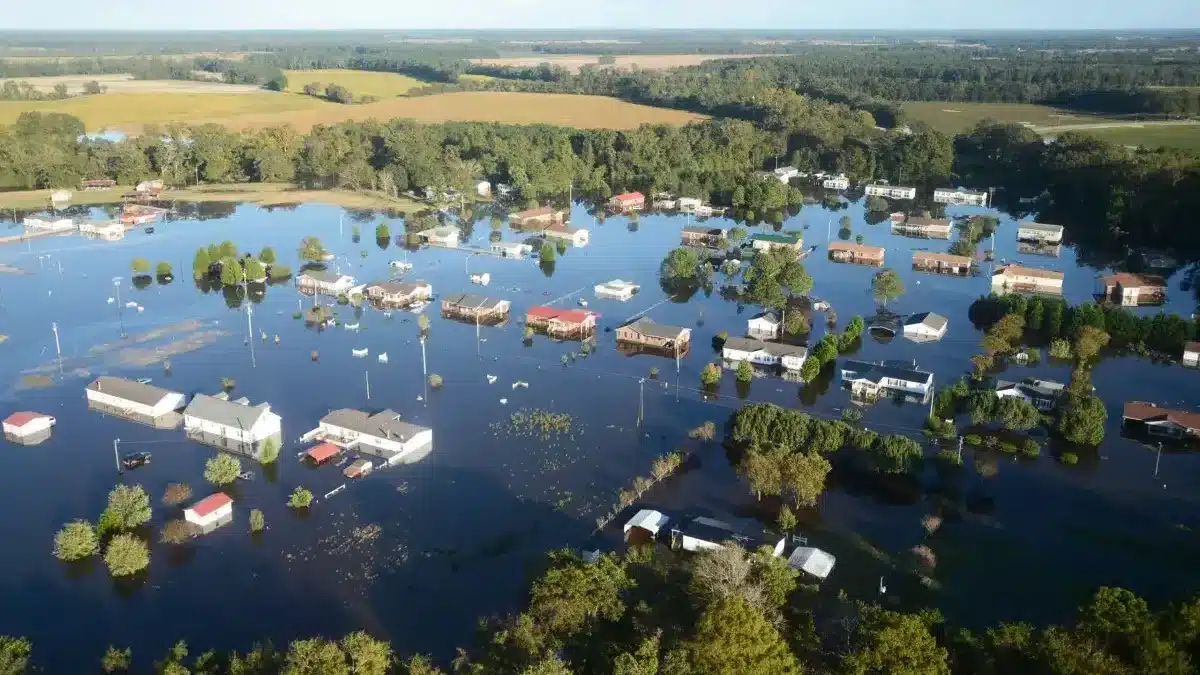
The oldest town in America chartered by African Americans has been flooded repeatedly by the Tar River. Hurricane Floyd in 1999 put the entire town underwater, and Hurricane Matthew in 2016 did it again. Residents who rebuilt after Floyd lost everything a second time, and the cycle of flooding, rebuilding, and reflooding has tested the community’s ability to continue.
Princeville sits in a floodplain that functions exactly as its name suggests: it floods. The town’s location in a low-lying bend of the Tar River means that any significant upstream rainfall puts the community at risk. Levee improvements have helped, but the levees have been overtopped in both of the last two major flood events.
The emotional weight of Princeville’s history makes the flooding more than a property issue. The town represents a community that has survived against odds that extend far beyond weather. But for a property buyer assessing risk, the combination of historical flooding, repeated destruction, and geographic vulnerability makes Princeville a place where the weather has demonstrated what it can do, and it keeps demonstrating it.
13. Kodiak, Alaska
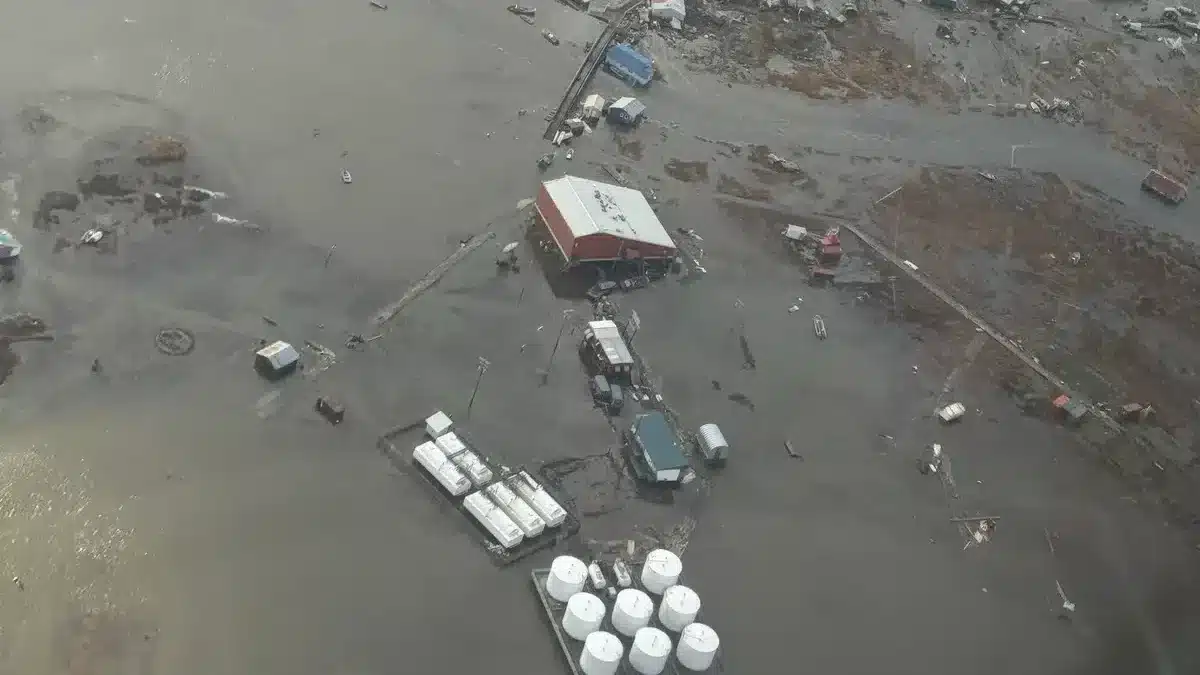
Kodiak sits on an island in the Gulf of Alaska where Pacific storms arrive with a violence that most Americans never experience. Wind gusts exceeding 100 mph occur multiple times per year. Rainfall can exceed 80 inches annually. Earthquakes and tsunamis add layers of risk that the storms alone do not cover.
The 1964 earthquake and tsunami destroyed much of the city’s waterfront and killed over 100 people across the region. Kodiak has been rebuilt, but it remains exposed to both seismic and atmospheric events at a level that few American cities face. The combination of storm surge, high winds, and tsunami risk creates a multi-hazard environment that insurance companies struggle to price.
The fishing economy keeps Kodiak populated, and the community is tight-knit and resilient. But buying property on the waterfront of a Pacific island that faces open ocean exposure to the strongest storms on Earth requires a comfort level with weather risk that most Americans simply do not have.
14. Dayton, Ohio
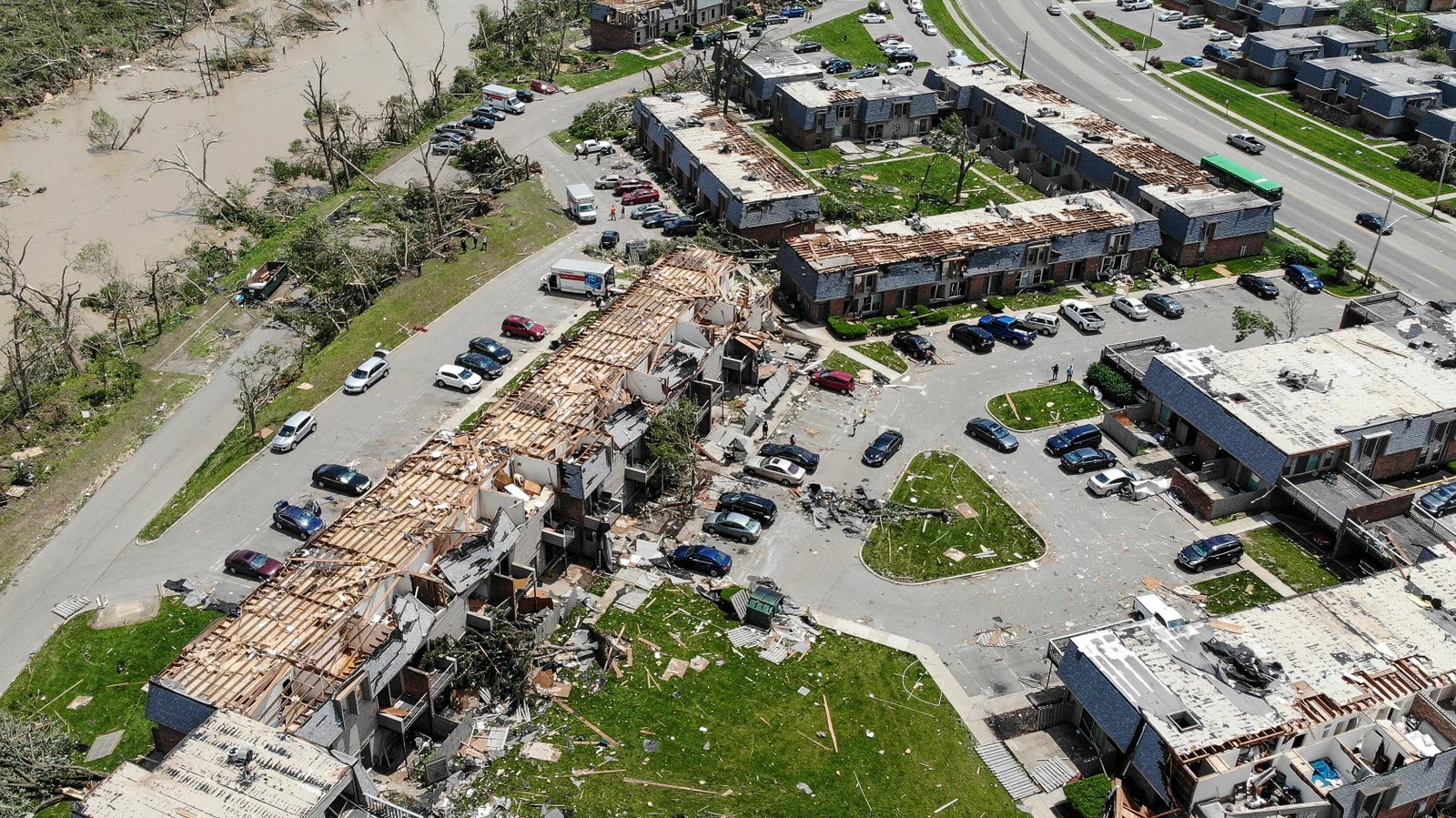
The Memorial Day 2019 tornado outbreak hit the Dayton area with a series of tornadoes, including an EF4 that carved a 19-mile path through the northern suburbs. The tornado was on the ground for 22 minutes, producing winds up to 170 mph and destroying over 4,000 structures. The event stunned a community that did not consider itself in tornado alley.
Ohio sits in a severe weather zone that does not get the attention of Oklahoma or Kansas but produces violent tornadoes with enough frequency to make insurance companies cautious. The Miami Valley where Dayton sits channels storm energy in ways that can focus tornado damage along predictable corridors.
The 2019 outbreak showed that the Dayton area is more exposed to tornado risk than many residents realized. The flat terrain, the river valley geography, and the proximity to the warm-sector air mass that fuels spring storms all contribute to a risk profile that is higher than most people associate with Ohio. The next major tornado is not a question of if but when.
15. Lake Charles, Louisiana
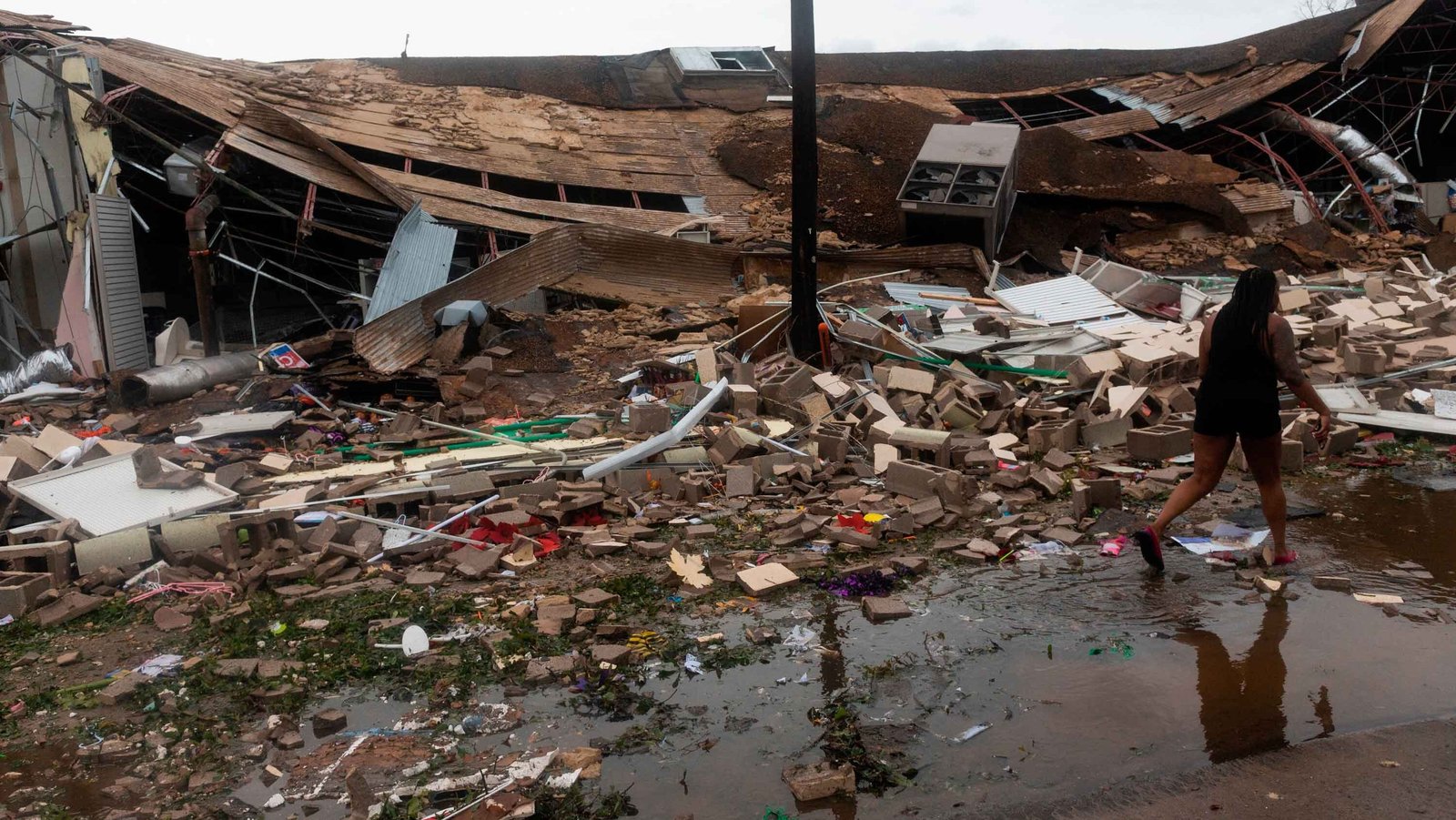
In 2020, Lake Charles was hit by two hurricanes in six weeks. Hurricane Laura struck in August as a Category 4 with 150 mph winds, causing catastrophic damage across the city. Six weeks later, Hurricane Delta made landfall nearby, hitting the same communities that had not yet begun to repair the damage from Laura. The one-two punch was unprecedented and devastating.
Lake Charles sits on the Gulf Coast in a region that has been hit by major hurricanes repeatedly throughout its history. The petrochemical industry provides the economic base, but the same coastal location that serves the refineries exposes the residential areas to storm surge and wind damage that arrives from the Gulf with predictable regularity.
Insurance availability has become a crisis in Lake Charles. Major carriers have left the Louisiana market or dramatically increased premiums, making homeownership increasingly expensive in a city that was already dealing with damage from two major storms. Buying a home in Lake Charles in the current market means accepting hurricane risk, insurance uncertainty, and the knowledge that the Gulf is always there, warm and ready to fuel the next one.