
Fame offers no protection from the sky.
Every celebrity on this list died in a plane crash where storms, fog, ice, or poor visibility played a direct role in bringing the aircraft down.
Some of the most beloved musicians, athletes, and public figures of the 20th century were killed not by illness or old age but by weather they could not see coming or could not escape once it arrived.
Their deaths stopped careers that were still rising and left behind a particular kind of grief: the sense of everything that never got made.
Buddy Holly, Ritchie Valens, and the Big Bopper: the day the music died, 1959
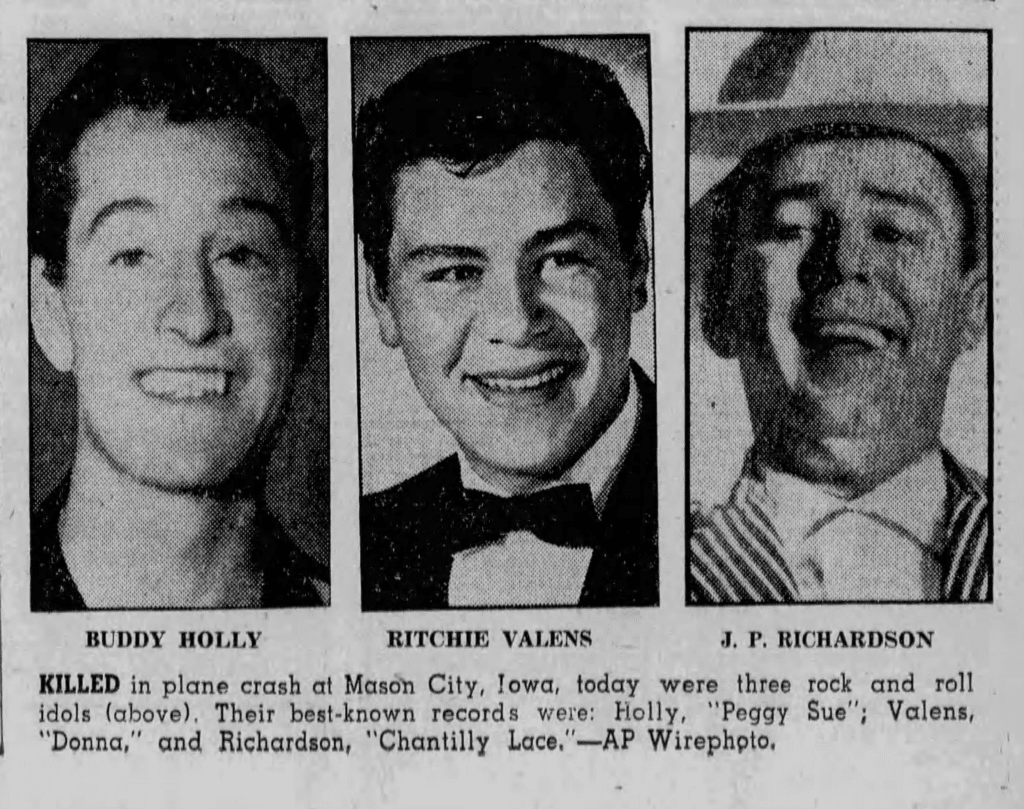
On February 3, 1959, a Beechcraft Bonanza took off from Mason City, Iowa, into a winter storm and crashed four miles from the runway, killing everyone on board.
Buddy Holly was 22, Ritchie Valens was 17, and J.P. Richardson, known as the Big Bopper, was 28.
Holly had chartered the plane specifically to avoid an overnight bus trip through frigid Midwest weather after several musicians on the tour had fallen ill from the cold.
The pilot, 21-year-old Roger Peterson, flew into deteriorating instrument conditions without the training to handle them. Disoriented by the storm, he flew the plane into the ground believing he was climbing.
Don McLean immortalized the crash in “American Pie” in 1971, calling February 3, 1959 “the day the music died,” a phrase that became one of the most recognized in rock history.
Knute Rockne: the storm over Kansas, 1931

Knute Rockne was the most famous football coach in America when he boarded a Fokker F.10 Trimotor on March 31, 1931, bound for Los Angeles.
The plane flew into a severe ice storm over the Flint Hills of Kansas, where ice accumulation on the wooden propellers caused them to break apart in flight.
The aircraft broke up in the air and went down near Bazaar, Kansas, killing all eight people on board.
Rockne had compiled a record of 105 wins, 12 losses, and 5 ties at Notre Dame and is still considered one of the greatest coaches in the history of American sport.
His death shocked the country so deeply that President Herbert Hoover sent a personal telegram of condolence to the University of Notre Dame.
Will Rogers and Wiley Post: Alaska fog, 1935
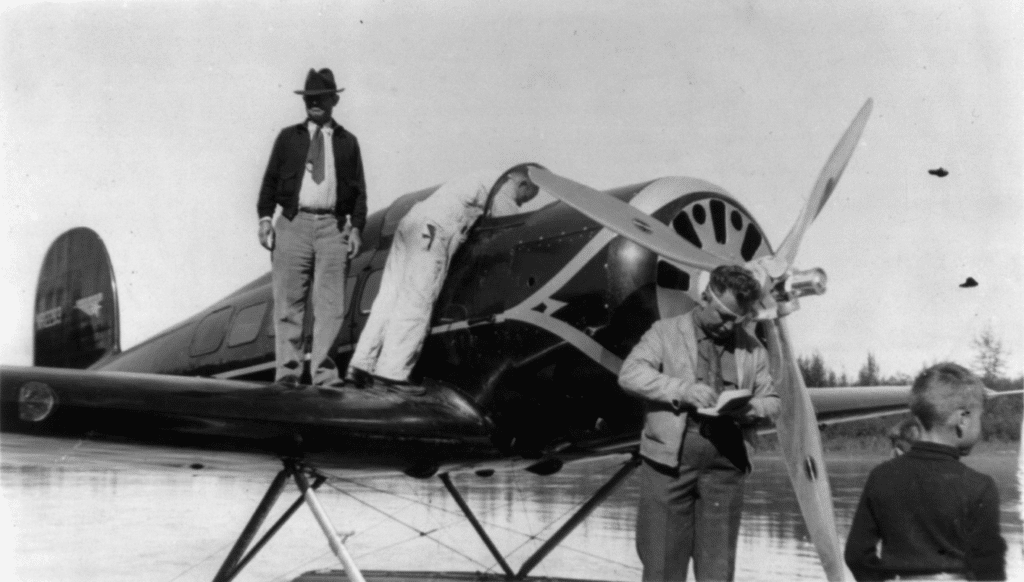
Will Rogers was the most famous American entertainer of the 1930s, a humorist, radio personality, film star, and newspaper columnist read by an estimated 40 million people a day.
On August 15, 1935, he was flying through Alaska with pioneering aviator Wiley Post in a heavily modified floatplane when fog closed in near Barrow, the northernmost point of Alaska.
Post attempted to land on a lagoon to ask for directions, then took off again into the fog. The engine failed almost immediately at low altitude and the plane plunged into the lagoon, killing both men instantly.
A local Inuit runner carried the news 15 miles on foot to the nearest telegraph station at Barrow.
The country went into something resembling collective shock. Newspapers ran special editions and radio programming was interrupted nationwide to announce the deaths.
Glenn Miller: lost over the English Channel, 1944
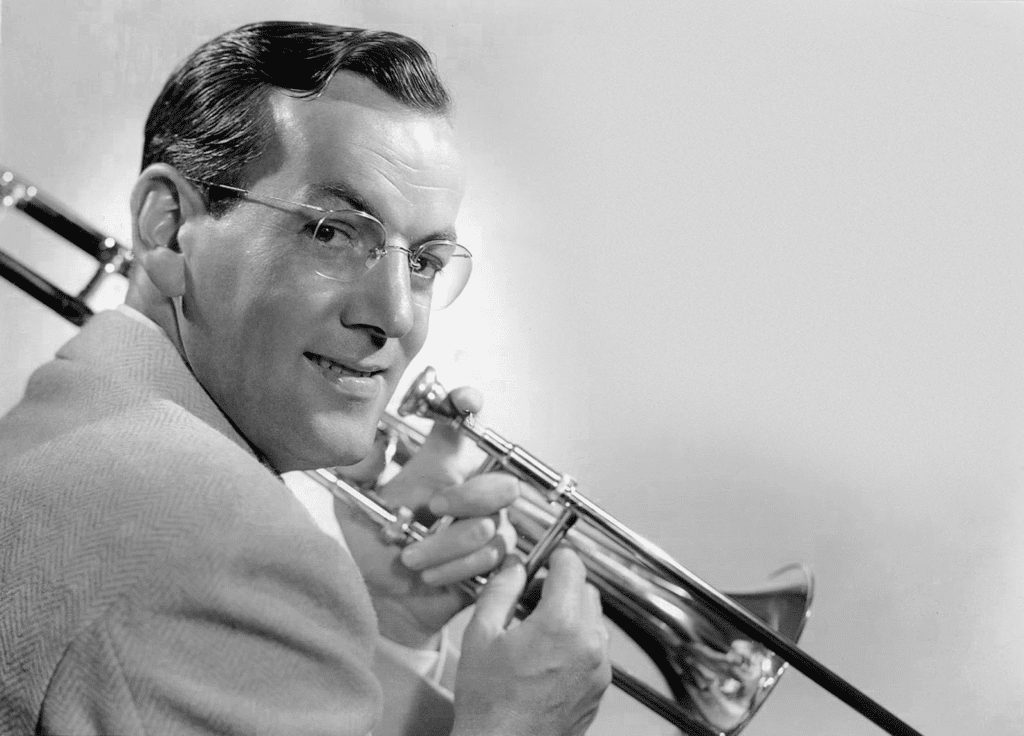
Glenn Miller disappeared over the English Channel on December 15, 1944, on a flight from England to Paris where he was to prepare a concert for Allied troops following the liberation of the city.
He was 40 years old and had disbanded his civilian orchestra to lead the Army Air Forces Band, one of the most celebrated wartime musical acts in American history.
The single-engine UC-64 Norseman carrying Miller and two others vanished completely. No wreckage, no bodies, and no definitive explanation were ever found.
The Channel that day was shrouded in fog and low cloud with conditions that had grounded most military flights.
The most widely accepted theory is that the aircraft suffered engine failure or icing in the freezing December weather and went down somewhere in the Channel, but the mystery has never been officially resolved.
Mike Todd: New Mexico storm, 1958
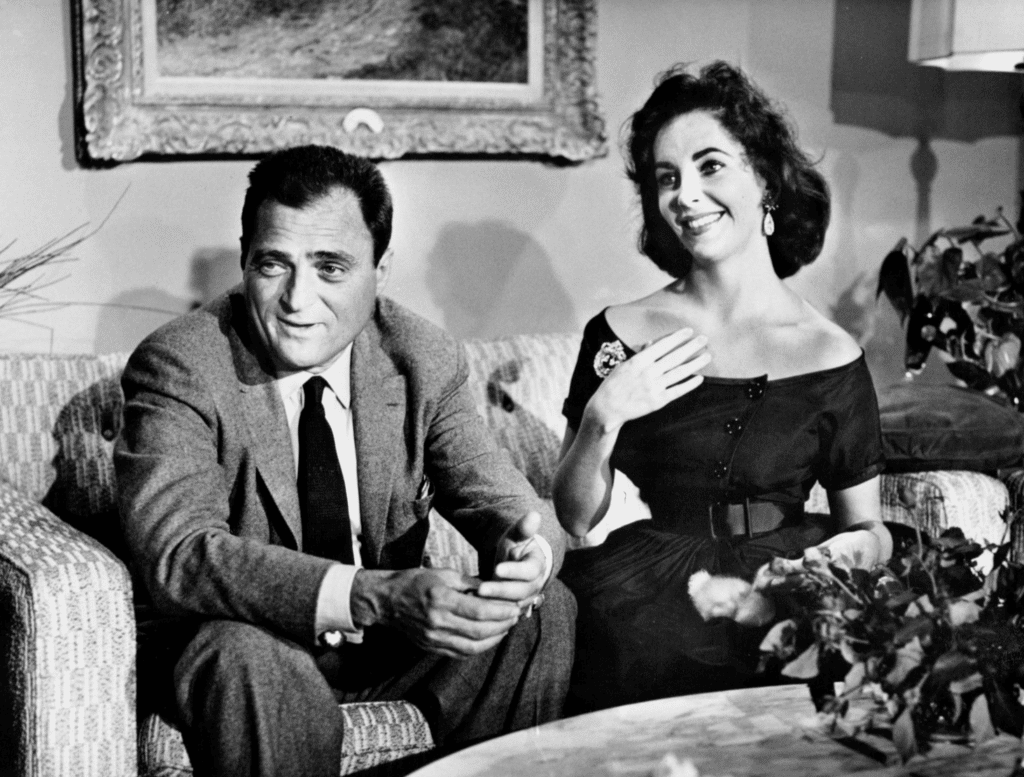
Mike Todd was one of the most celebrated film producers in Hollywood when his private Lockheed Lodestar, named The Liz, crashed into the Zuni Mountains of New Mexico on March 22, 1958, killing him and three others on board.
The plane flew into a severe winter storm with icing conditions and turbulence that overwhelmed the aircraft at altitude.
Todd was 49 years old, had won the Academy Award for Best Picture the previous year for Around the World in 80 Days, and was married to Elizabeth Taylor, who had been scheduled to travel with him but stayed home with a respiratory infection.
Taylor later said the bronchitis that kept her off the plane saved her life, and she wore Todd’s ring for the rest of her life.
Patsy Cline: the storm over Camden, Tennessee, 1963
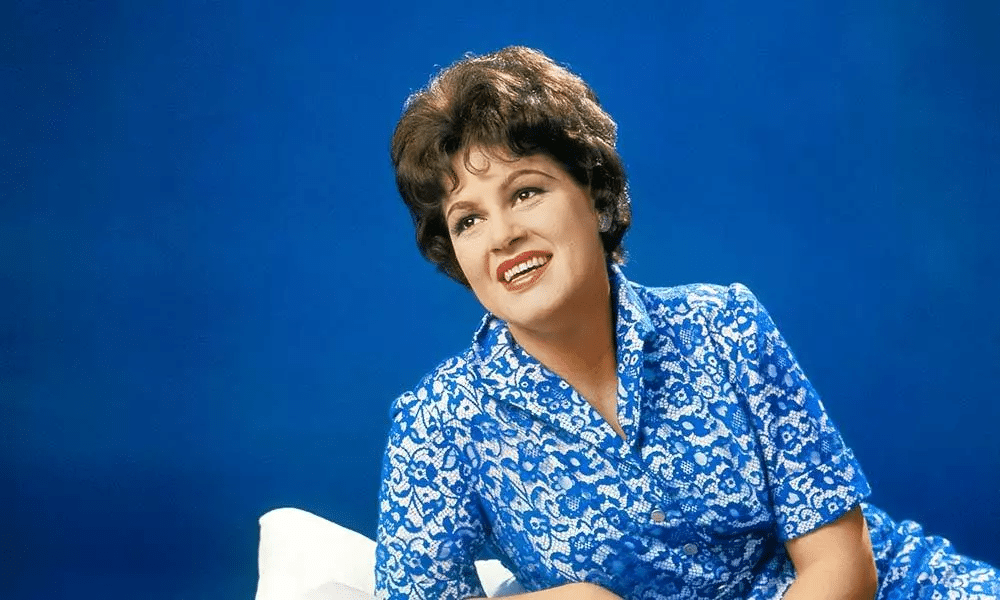
Patsy Cline was 30 years old and at the peak of her career when a single-engine Piper Comanche flew into severe weather over Tennessee on March 5, 1963.
She had been performing at a benefit concert in Kansas City for the family of a fellow singer who had died in a car accident weeks earlier.
The plane encountered a severe storm system with heavy rain, low visibility, and strong winds over the Tennessee hills and went down near Camden, killing all four people on board including fellow country stars Hawkshaw Hawkins and Cowboy Copas.
“Crazy,” which she had recorded eighteen months earlier, was already a country standard by the time she died and has never left the repertoire.
Jim Reeves: Tennessee thunderstorm, 1964
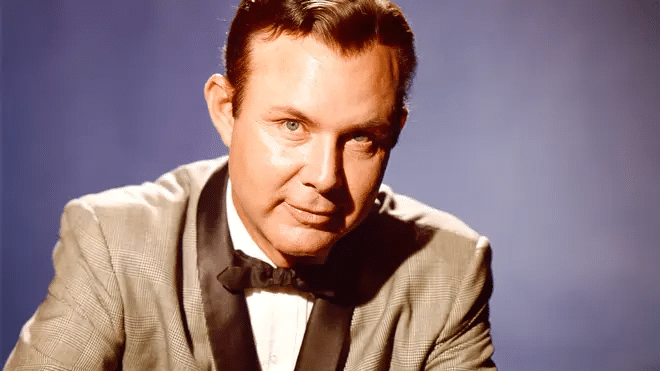
Jim Reeves was one of the biggest names in country music, known for his smooth baritone voice and crossover pop hits, when his single-engine Piper PA-24 Comanche flew into a severe thunderstorm near Nashville on July 31, 1964.
Reeves was piloting the aircraft himself when it encountered the storm and went down in a heavily wooded area south of Nashville.
The wreckage was not found for two days despite an extensive search, because the dense tree cover concealed the crash site from aircraft flying overhead.
He was 40 years old and had recorded “Distant Drums” just months before his death. It was released posthumously in 1966 and reached number one in the United Kingdom, where it stayed for five weeks.
Otis Redding: Lake Monona, Wisconsin, 1967
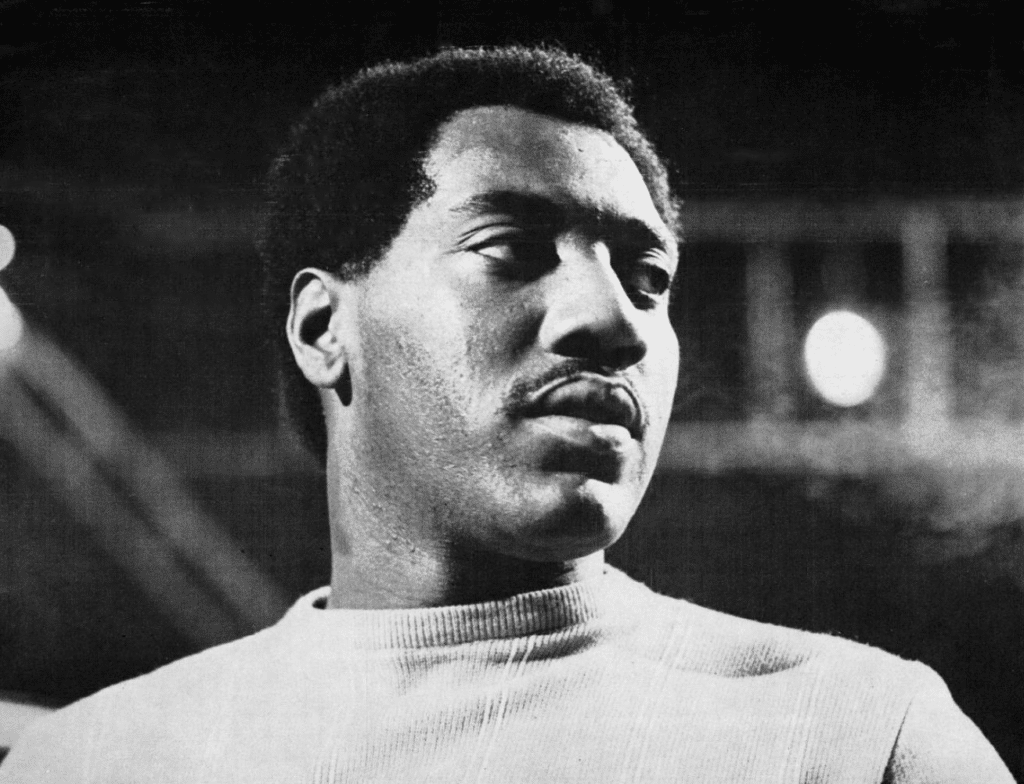
Otis Redding was 26 years old, had just recorded “(Sittin’ On) The Dock of the Bay” three days earlier, and was on his way to a concert in Madison, Wisconsin, when his twin-engine Beechcraft H18 plunged into Lake Monona on December 10, 1967.
The plane went down in heavy fog and rain approximately three miles short of the Madison airport, killing Redding and four members of his backing band, the Bar-Kays.
Only one Bar-Kay, trumpeter Ben Cauley, survived by clinging to a seat cushion in the freezing water until rescue arrived.
“Dock of the Bay” was released posthumously in January 1968 and became the first posthumous single to reach number one on the Billboard Hot 100.
Roberto Clemente: New Year’s Eve off Puerto Rico, 1972
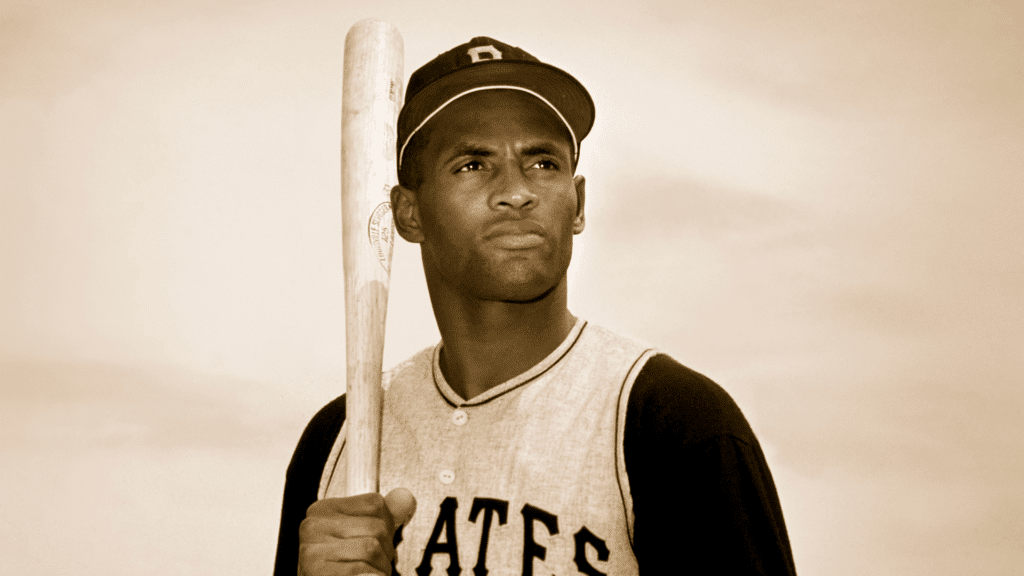
Roberto Clemente had spent the final days of 1972 organizing an emergency relief effort for victims of a devastating earthquake in Nicaragua, personally supervising the loading of supplies after reports that earlier shipments were being intercepted by corrupt officials.
On December 31, 1972, he boarded an overloaded DC-7 cargo plane that took off from San Juan, Puerto Rico, into rough weather over the Atlantic and went down shortly after takeoff, killing all five people on board.
The aircraft had a history of mechanical problems and was carrying far more weight than its rated capacity. Stormy weather and sea conditions complicated the rescue operation, and no bodies were recovered.
He was 38 years old, had exactly 3,000 career hits, and had never missed an All-Star Game in 15 seasons. Major League Baseball waived the standard five-year waiting period and inducted him into the Hall of Fame the following year.
Jim Croce: Louisiana, 1973
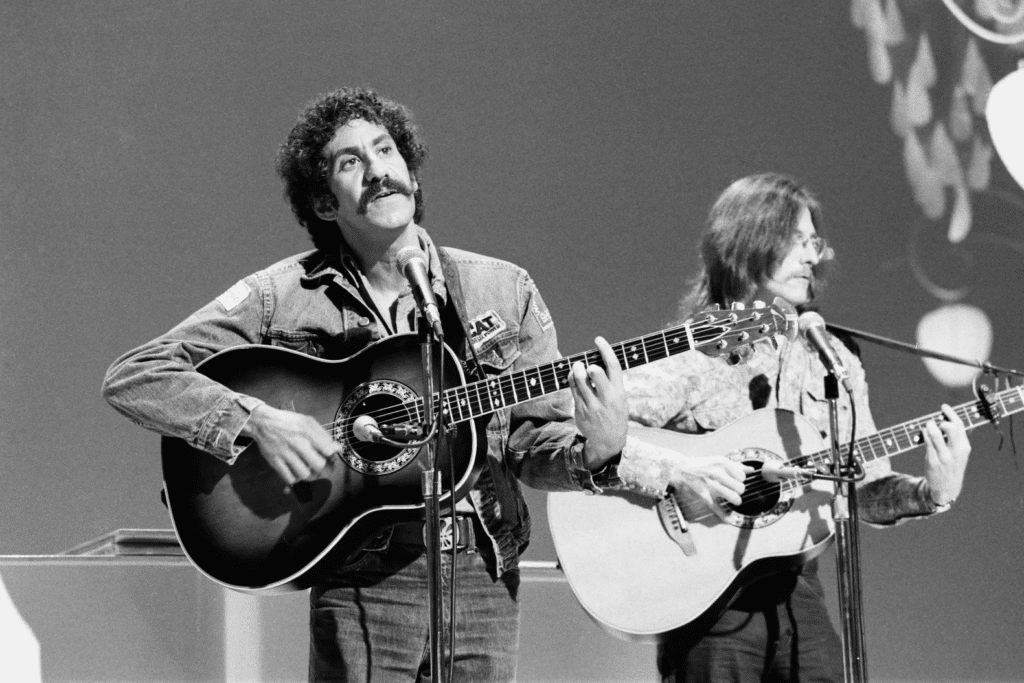
Jim Croce was 30 years old, had just finished a concert at Northwestern State University in Natchitoches, Louisiana, and was boarding a chartered Beechcraft E18S when it struck a pecan tree on takeoff on September 20, 1973.
The night was dark and heavily overcast with limited visibility, conditions that investigators cited alongside pilot error as contributing factors in the crash.
Croce, five others including his lead guitarist Maury Muehleisen, and the pilot were all killed.
“I Got a Name” had been released just two months earlier, and “Time in a Bottle” was released posthumously and reached number one in December 1973.
He had told his wife before the tour that he felt he was finally on the edge of the breakthrough he had worked toward for years.
Lynyrd Skynyrd: Mississippi storm, 1977
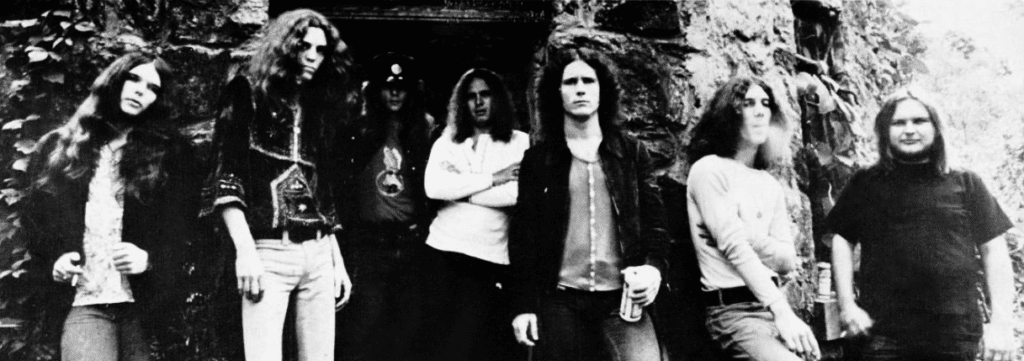
On October 20, 1977, a Convair CV-240 carrying Lynyrd Skynyrd and their crew ran out of fuel and went down in a wooded area near Gillsburg, Mississippi, during a severe storm that had pushed the aircraft off course.
The plane had developed engine problems earlier in the flight and the crew had been unable to divert to an alternate airport before fuel exhaustion forced an emergency descent through the storm.
Lead singer Ronnie Van Zant, guitarist Steve Gaines, and backup singer Cassie Gaines were killed, along with the two pilots and the band’s assistant road manager.
The band had released “Street Survivors” just three days before the crash. The original album cover, which showed the band members surrounded by flames, was pulled from shelves within days of the accident.
Rocky Marciano: Iowa thunderstorm, 1969

Rocky Marciano retired from boxing in 1956 as the only heavyweight champion in history to finish his career undefeated, with a record of 49 wins and no losses.
On August 31, 1969, the day before his 46th birthday, he was a passenger in a small Cessna 172 that flew into a severe thunderstorm near Newton, Iowa, and crashed into a stand of trees.
The pilot, who had only recently obtained his license, had pressed on into deteriorating weather conditions rather than diverting to a safe landing.
Marciano and two others on board were killed. He remains to this day the only heavyweight champion to retire undefeated.
Audie Murphy: Virginia fog, 1971
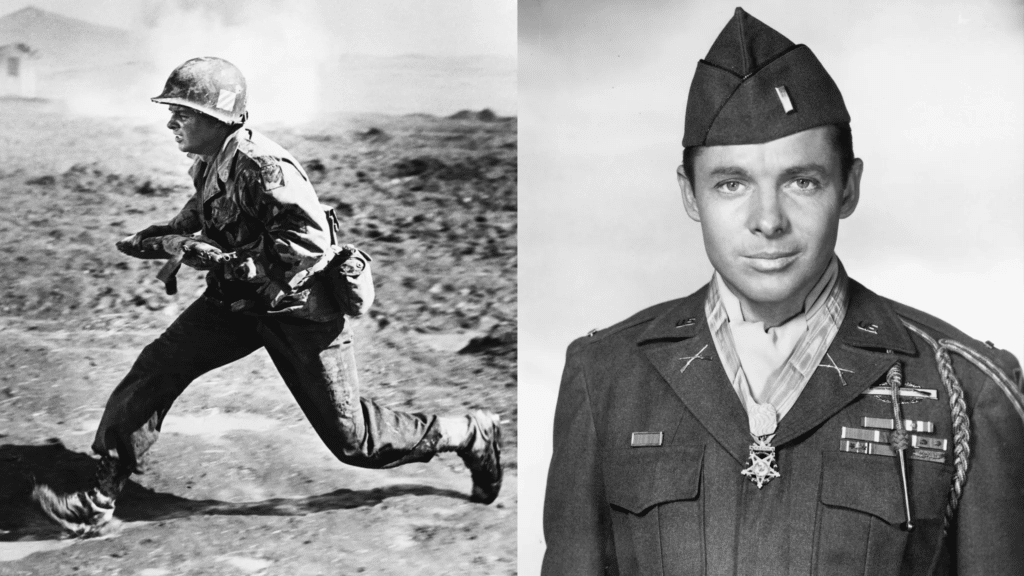
Audie Murphy was the most decorated American combat soldier of World War II, having received every military combat award available to US Army soldiers including the Medal of Honor.
After the war he became a successful film actor, starring in dozens of Westerns and war films throughout the 1950s and 1960s.
On May 28, 1971, he was a passenger in a private Aero Commander 680 that flew into dense fog and low cloud over Brush Mountain in Virginia and crashed into the ridge, killing all six people on board.
Murphy was 46 years old and had been speaking publicly in his final years about the psychological trauma of combat, at a time when post-traumatic stress was not yet recognized as a medical condition.
He is buried at Arlington National Cemetery, where his grave is the second most visited after President John F. Kennedy.
Stevie Ray Vaughan: Alpine Valley fog, 1990

Stevie Ray Vaughan had just played what many who were there described as the best set of his life at the Alpine Valley Music Theatre in East Troy, Wisconsin, on August 26, 1990.
He boarded one of four helicopters ferrying performers and crew back to Chicago after the show, all of which took off into a dense fog bank that had settled over the valley.
Three of the four helicopters landed safely after the pilots recognized the deteriorating conditions. The fourth, carrying Vaughan, flew directly into a ski slope at the edge of the property in zero-visibility fog, killing all four people on board.
Vaughan was 35 and had been sober for four years after a near-fatal collapse in 1986. He had described the previous years as the beginning of the life he actually wanted to live.
JFK Jr.: Atlantic haze, 1999
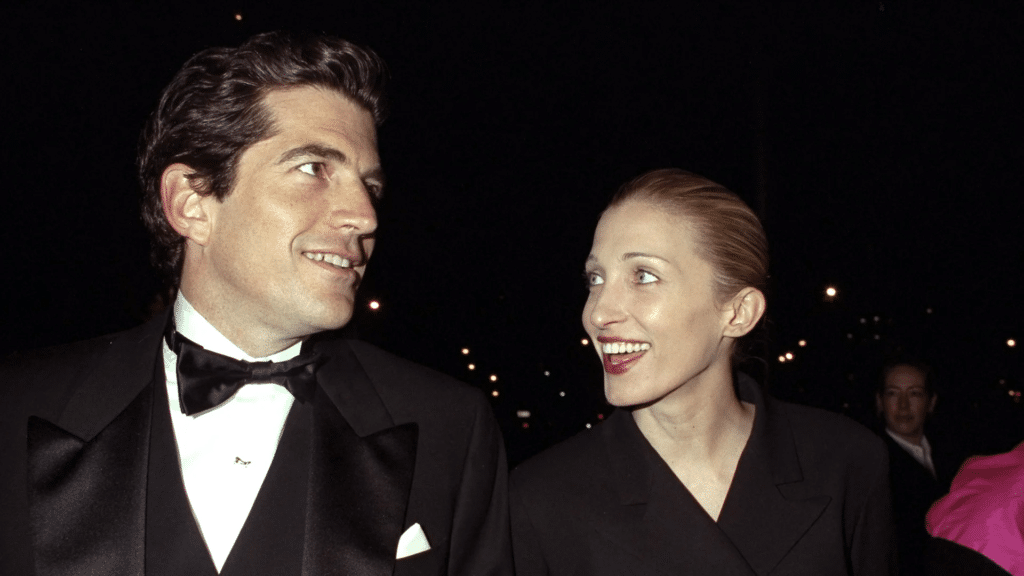
John F. Kennedy Jr. was 38 years old, the founder and editor of George magazine, and one of the most recognizable figures in American public life when his Piper Saratoga went down off the coast of Martha’s Vineyard on July 16, 1999.
He was piloting the aircraft himself on a night flight over the Atlantic when haze and darkness eliminated the horizon, creating conditions in which an inexperienced pilot can lose all spatial orientation.
The NTSB determined the probable cause was Kennedy’s failure to maintain control of the aircraft during a descent into haze over water at night, a scenario that requires instrument flying skills he had not yet obtained.
Kennedy, his wife Carolyn Bessette-Kennedy, and her sister Lauren Bessette were all killed. The Navy recovered the wreckage from 116 feet of water five days after the crash.
He was widely expected to enter politics and had been speculated about as a future Senate or gubernatorial candidate in New York. What that career might have looked like remains one of the more discussed hypotheticals in recent American political history.
Kobe Bryant: Calabasas fog, 2020
On January 26, 2020, a Sikorsky S-76B helicopter carrying Kobe Bryant, his 13-year-old daughter Gianna, and seven others flew into a dense marine fog layer over the hills of Calabasas, California, and crashed into a steep hillside, killing everyone on board.
The pilot, Ara Zobayan, had requested special visual flight rules clearance to fly through the Los Angeles Basin that morning as fog reduced visibility across the region, and was cleared to proceed.
As the helicopter climbed through the clouds over the Santa Monica Mountains, Zobayan became spatially disoriented, believing he was ascending when the aircraft was in fact in a descending left turn.
The NTSB determined the probable cause was the pilot’s decision to continue flying into instrument meteorological conditions he was not certified or equipped to handle.
Bryant was 41 years old, had retired from the NBA three years earlier after a 20-year career with the Los Angeles Lakers, and was traveling to a youth basketball tournament at his Mamba Sports Academy where Gianna was scheduled to play.